
If you step onto your floor in winter and feel a chill, you’re not alone. Many homes with a crawl space underneath suffer from cold floors, especially in older houses or places with cooler climates. This is more than just uncomfortable—it can also mean wasted energy and higher heating bills. If you want to know how to heat the floor above a crawl space, you’re in the right place. This guide covers everything you need to know, from insulation to advanced heating methods, and common mistakes to avoid. You’ll also find real examples, cost comparisons, and expert tips, so your home can finally feel warm from the ground up.
Understanding The Problem: Why Are Floors Above Crawl Spaces Cold?
Before you start heating, it’s important to know why crawl spaces make floors cold. Crawl spaces are small, unfinished areas under your house, usually between the ground and the first floor. Because they’re open to outside air, they often let in cold, moist air during winter. This cool air can pass through the floor structure, making your floors above feel icy.
Some key reasons for heat loss include:
- Poor insulation between the crawl space and the floor
- Air leaks from gaps, vents, or unsealed areas
- High humidity in the crawl space, which carries cold air to the floor above
Most people don’t realize that simply turning up the thermostat doesn’t fix the root cause. The heat escapes downward, and you pay more for less comfort.
First Steps: Assessing Your Crawl Space
Heating your floor starts with a careful look at your crawl space. Missing this step is a common mistake. You need to check three main things:
- Insulation: Is there any insulation under the floor joists or along the crawl space walls? Old or missing insulation is a big cause of cold floors.
- Moisture: Is the crawl space dry, or do you see signs of water, mold, or dampness? Wet crawl spaces transfer cold and can damage insulation.
- Air Sealing: Are there gaps, holes, or vents that let in outside air? Even small leaks can make a big difference.
Take a flashlight, wear protective clothing, and note any problems. If you’re not comfortable, consider hiring a home energy auditor. They can use thermal cameras and other tools to find heat loss areas.
Insulation: The Foundation Of A Warm Floor
Choosing The Right Insulation
Insulation is your first defense against cold floors. There are three main ways to insulate a crawl space:
- Insulate the Floor Above the Crawl Space: Attach insulation directly under the floor joists.
- Insulate Crawl Space Walls: Cover the crawl space walls with insulation and seal the area.
- Encapsulate and Insulate the Entire Crawl Space: Seal off the crawl space from outside air and insulate the walls and sometimes the floor.
Which method is best? See the comparison below:
| Method | Cost | Effectiveness | Best For |
|---|---|---|---|
| Floor Joist Insulation | Low-Medium | Good | Homes with vented crawl spaces |
| Wall Insulation | Medium | Very Good | Unvented or encapsulated crawl spaces |
| Full Encapsulation | High | Excellent | High humidity or energy savings focus |
How To Install Floor Joist Insulation
If you choose to insulate the floor, here’s how:
- Choose the right material: Fiberglass batts are common, but rigid foam and spray foam are better for moisture resistance.
- Cut insulation to fit between the joists snugly.
- Install a vapor barrier (plastic sheeting) on the crawl space side to prevent moisture.
- Secure insulation with wire supports or netting.
- Seal gaps around pipes, wires, and ducts with spray foam or caulk.
Pro Tip: Never compress insulation—it works best when fluffy, trapping air.
Insulating Crawl Space Walls
Wall insulation is better if you plan to close off vents and seal the crawl space. Rigid foam boards are best for walls because they resist moisture. Attach boards directly to the walls, seal seams, and cover with a fire barrier if needed.
Beginners often forget: Insulate the rim joist (the wood framing on the outside edge of the crawl space). This is a major area for heat loss.
Crawl Space Encapsulation: The Gold Standard
Encapsulation means completely sealing your crawl space from outside air and moisture, then insulating the walls and sometimes the floor. This method creates a controlled, conditioned space under your home.
Steps For Encapsulation
- Seal all vents and openings with foam or caulk.
- Install a heavy plastic vapor barrier (minimum 12 mil thick) on the ground and up the walls.
- Seal seams and edges with tape or adhesive.
- Add wall insulation over the vapor barrier.
- Install a dehumidifier if moisture is a problem.
This method is more expensive, but it can reduce energy costs by up to 20% and improve indoor air quality. Some homeowners even use the encapsulated crawl space for storage.
Non-obvious insight: Many people skip sealing the crawl space door, which can let in cold air and pests. Make sure the door is insulated and weather-stripped.
Sealing Air Leaks For Maximum Warmth
Even the best insulation won’t help if there are unsealed gaps. Air leaks can be found around:
- Plumbing pipes
- Electrical wires
- Ductwork
- Crawl space vents and access doors
Use spray foam, caulk, or weatherstripping to seal these areas. Pay special attention to the rim joist and the sill plate (where the house sits on the foundation). A small gap here can cause big heat loss.
Expert tip: If you feel a cold draft near the floor inside your home, check the crawl space directly below that spot.
Improving Crawl Space Ventilation And Moisture Control
Heating a floor above a damp crawl space is a losing battle. Moisture makes insulation less effective and can lead to mold. Here’s how to control moisture:
- Install a vapor barrier on the crawl space floor to block ground moisture.
- Direct water away from your foundation with proper drainage and downspouts.
- Use a dehumidifier in humid climates or after encapsulation.
- Close or seal crawl space vents after insulating and installing a vapor barrier.
If your crawl space floods, solve this first with a sump pump or drainage system.
Non-obvious insight: Even in dry climates, crawl spaces can get damp from condensation in summer. Always check humidity levels year-round.
Radiant Floor Heating: Luxury And Efficiency
If you want a warm floor you can feel, radiant floor heating is the ultimate solution. This system uses electric mats or hot water pipes installed under the floor to directly heat the surface.
Types Of Radiant Heating
- Electric radiant mats: Thin cables or mats installed between the subfloor and finished floor. Great for small areas or retrofits.
- Hydronic (water) systems: Hot water pipes circulate under the floor. Best for whole-home heating or new construction.
Pros And Cons
| Type | Installation Cost | Operating Cost | Best For |
|---|---|---|---|
| Electric Radiant | Low-Medium | Medium-High | Small rooms, retrofits |
| Hydronic Radiant | High | Low | Large areas, new builds |
Radiant heat gives instant comfort but is more costly to install. It’s best combined with good insulation for maximum energy savings.
Supplemental Heating: Space Heaters And Ductwork
If replacing or adding insulation isn’t an option, or you want a quick fix, you can use supplemental heating.
Options
- Electric space heaters: Place a heater in the room above the crawl space. This warms the air but not the floor directly.
- Ductwork in the crawl space: Extend your HVAC system with insulated ducts to deliver warm air under the floor.
- Baseboard heaters: Install electric baseboard units along outside walls.
These methods are less efficient but can help in the short term. Always follow safety guidelines for heaters and avoid leaving them on unattended.
Caution: Never use unvented gas heaters in crawl spaces—they can create dangerous carbon monoxide.

Credit: www.basementsystems.com
Floor Coverings: Make The Most Of Your Heat
The type of floor you have affects how warm it feels. Hardwood and tile get cold fast, while carpet and cork feel warmer.
- Carpet with a thick pad adds insulation and comfort.
- Area rugs are a quick, low-cost way to cover cold spots.
- Cork flooring is naturally warm and eco-friendly.
- Heated floor tiles combine warmth and style, but require installation.
If you’re remodeling, consider installing a warmer floor material above the crawl space.
Advanced Solutions: Spray Foam And Professional Help
For the best results, closed-cell spray foam insulation is unmatched. It creates an air and moisture barrier, fills gaps, and has a high R-value per inch. However, it is expensive and should be installed by professionals due to chemicals and special equipment.
When to call a professional:
- Severe moisture or mold problems
- Structural issues in the crawl space
- Need for high-performance insulation
- Planning to sell your home (adds resale value)
A certified crawl space contractor can assess your home and recommend the best plan.
Costs, Savings, And Return On Investment
Heating the floor above a crawl space is an investment, but it pays off in energy savings and comfort.
- Floor insulation: $1–$3 per square foot (DIY); $3–$7 (pro install)
- Wall insulation/encapsulation: $5–$10 per square foot
- Radiant floor heating: $10–$20 per square foot (installed)
- Spray foam: $2–$5 per board foot
Savings: The US Department of Energy estimates that proper crawl space insulation and air sealing can cut heating bills by 10% to 20% each year.
Real-world Example: Cold Floor Problem Solved
Mark and Susan live in a 1960s ranch house in Michigan. Every winter, their kitchen floor was freezing, even with the heat running. They checked their crawl space and found:
- Old, falling fiberglass insulation
- Gaps around plumbing pipes
- No vapor barrier
They decided to:
- Remove the old insulation
- Seal all gaps with spray foam
- Install new rigid foam board insulation between the joists
- Add a 20-mil vapor barrier on the ground
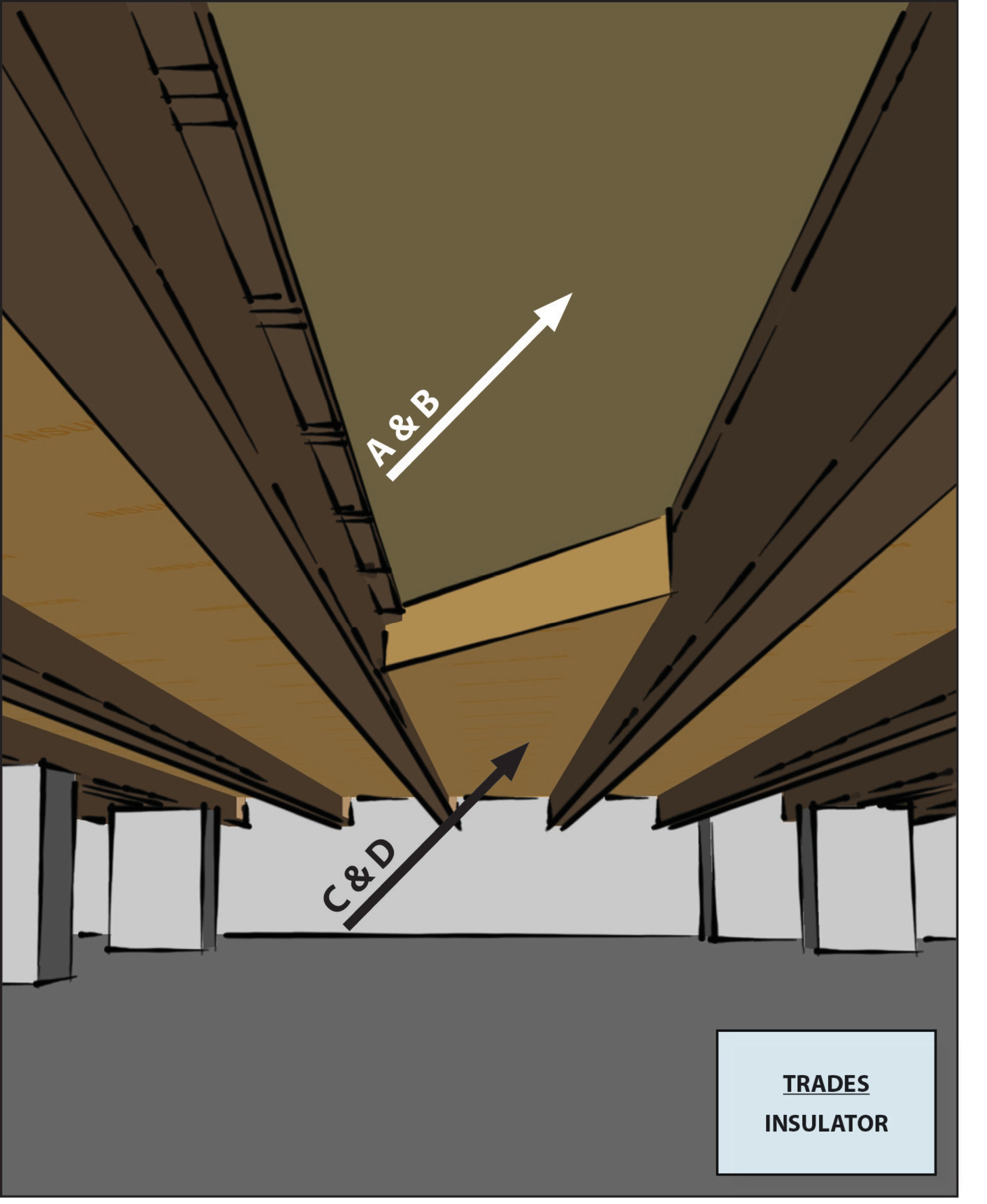
The result? Their kitchen floor stayed 8–10°F warmer, and their heating bill dropped by 15%. The project cost around $2,200 but paid for itself in energy savings in just a few years.
Credit: basc.pnnl.gov
Common Mistakes To Avoid
Heating floors above crawl spaces is not just about adding heat—doing it wrong can waste money and cause bigger problems. Here are mistakes to watch for:
- Ignoring moisture control before insulating
- Using the wrong insulation type (e.g., fiberglass batts in a wet crawl space)
- Leaving vents open after insulating (lets cold air in)
- Not sealing air leaks
- Blocking crawl space ventilation without a vapor barrier (can cause mold)
- Skipping rim joist insulation
- Overheating with space heaters (increases bills, doesn’t solve the problem)
Take the time to do each step right for a lasting, comfortable solution.
Maintenance And Long-term Tips
A warm floor is not a “set and forget” project. To keep your crawl space working for you:
- Check insulation every year for sagging, moisture, or damage
- Inspect vapor barriers for tears or gaps
- Monitor humidity (aim for 30–50% relative humidity)
- Seal new openings after repairs or renovations
- Clean gutters and downspouts to keep water away from your foundation
If you see signs of mold or pests, act quickly to avoid bigger problems.
Comparing Solutions: What’s Right For Your Home?
Choosing the best way to heat the floor above your crawl space depends on your climate, budget, and comfort needs. Here’s a quick comparison:
| Solution | DIY Friendly | Upfront Cost | Energy Savings | Comfort Level |
|---|---|---|---|---|
| Floor Insulation | Yes | Low | Medium | Good |
| Wall Insulation/Encapsulation | No | Medium-High | High | Excellent |
| Radiant Floor Heat | Somewhat | High | Medium | Luxury |
| Supplemental Heaters | Yes | Low | Low | Fair |
For most homes, the best results come from air sealing, insulation, and moisture control together.
Why Heating The Floor Improves More Than Comfort
Warming the floor above your crawl space isn’t just about cozy toes. There are other important benefits:
- Lower energy bills: Less heat escapes, so your furnace or heat pump runs less
- Better indoor air quality: Sealing and insulating reduce dust, mold, and allergens
- Higher home value: Buyers look for energy-efficient, comfortable homes
- Longer-lasting floors: Proper moisture control prevents warping and rot
You also enjoy a quieter home, as insulation dampens noise from below.

Credit: www.reddit.com
When To Do The Work
The best time to work on crawl space insulation and heating is during dry weather, usually spring or early fall. This makes it easier to fix moisture issues and ensures materials install correctly.
If your crawl space is wet or musty in winter, wait until it dries out before insulating.
Diy Vs Professional: What’s Possible?
Many crawl space improvements are DIY-friendly if you’re handy and have the right tools. Simple floor insulation, vapor barriers, and air sealing can be done in a weekend. However, for:
- Encapsulation
- Spray foam
- Complex moisture or pest issues
…it’s best to hire an experienced contractor. They know building codes and can spot hidden problems.
Pro insight: Even if you hire out the work, you’ll save money and avoid mistakes by understanding the process.
Final Steps: Make Your Plan
Ready to warm up your floors? Here’s a simple action plan:
- Inspect your crawl space for insulation, moisture, and air leaks.
- Choose the best insulation method for your home and climate.
- Seal all air gaps, especially around plumbing and rim joists.
- Install a vapor barrier and solve any moisture issues.
- Consider advanced solutions like radiant heat or encapsulation if you want top comfort.
- Maintain your crawl space yearly to keep floors warm and energy bills low.
For in-depth guides and research, check resources like energy.gov.
A warm floor is not out of reach—it just takes the right steps.
Frequently Asked Questions
What Is The Best Insulation For A Crawl Space?
Rigid foam board and closed-cell spray foam are the best choices for crawl space insulation. They resist moisture, provide high R-values, and last a long time. Fiberglass batts can work if the crawl space is dry and has a vapor barrier, but they lose effectiveness when wet.
How Much Does It Cost To Insulate A Crawl Space?
The average cost is $1–$3 per square foot for DIY floor insulation, and $5–$10 per square foot for professional wall insulation or encapsulation. Costs vary based on crawl space size, materials, and local labor rates.
Can I Use A Space Heater In My Crawl Space?
You should not use a space heater in the crawl space itself. It can be dangerous due to fire and carbon monoxide risks. Instead, use a safe heater in the room above, and focus on insulation and air sealing to keep heat inside.
How Do I Know If My Crawl Space Needs A Vapor Barrier?
If your crawl space is damp, musty, or shows signs of mold, you need a vapor barrier. A plastic sheet on the ground blocks moisture from the soil, improving insulation and air quality.
Will Insulating My Crawl Space Help With Mold Problems?
Yes, but only if you control moisture first. Insulation alone won’t stop mold—fix drainage, seal leaks, and install a vapor barrier before adding insulation.
A warm, comfortable floor above your crawl space is possible. With the right steps, you can enjoy lower bills, better air, and cozy feet all year round.