
Gluing vinyl can look easy, but the results depend on more than just picking up any glue and sticking pieces together. Whether you’re working on a floor, fixing a car seat, patching an inflatable, or crafting, the type of vinyl, the right adhesive, and your preparation steps all matter. Mistakes—like bubbles, weak bonds, or ugly seams—are common, but avoidable with the right guidance. This article will explain everything you need to know about how to glue vinyl, from choosing the right glue to getting professional results that last.
Understanding Vinyl And Its Challenges
Vinyl is a synthetic plastic material made from polyvinyl chloride (PVC). It’s used for flooring, upholstery, banners, inflatable products, and crafts. The material is popular because it’s water-resistant, flexible, and affordable. However, it’s also tricky to glue because its smooth surface resists many adhesives, and some glues can damage or discolor it.
There are several types of vinyl you might encounter:
- Rigid vinyl: Used in tiles, pipes, and siding.
- Flexible vinyl: Found in upholstery, car interiors, shower curtains, and clothing.
- Vinyl composites: Blended with other materials for special uses.
Each type may react differently to adhesives, so knowing your vinyl helps you choose the best glue and method.
Why Gluing Vinyl Is Unique
Unlike wood or paper, vinyl’s non-porous, flexible surface makes forming a strong, invisible bond difficult. Some glues simply won’t stick, and others may stay tacky or melt the material. The key is picking adhesives designed for vinyl’s needs and preparing the surfaces correctly.
Choosing The Right Glue For Vinyl
Not all glues are equal when it comes to vinyl. Some adhesives are specially formulated for plastics, while others are designed for flexibility or water resistance. Here’s a breakdown of the most reliable types:
1. Vinyl Adhesive
Vinyl adhesives are made specifically for bonding vinyl to vinyl or other surfaces. They are flexible, waterproof, and resist peeling. These are often used for flooring and upholstery projects.
2. Contact Cement
Contact cement creates a strong, instant bond. You apply it to both surfaces, let it dry, then press them together. It’s ideal for large, flat vinyl surfaces, like countertops or flooring, but it’s not the best for repairs that require adjustment after placement.
3. Cyanoacrylate (super Glue)
Super glue works for small vinyl repairs, like fixing a tear in a car seat. It sets quickly but can become brittle over time and may not handle flexing well. It’s best for rigid or semi-rigid vinyl parts.
4. Epoxy
Epoxy adhesives are two-part glues that, when mixed, form a strong, waterproof bond. Some epoxies are rated for plastics and work on vinyl, especially when bonding vinyl to metal or wood.
5. Polyurethane Adhesive
Polyurethane glues are flexible, waterproof, and work well for outdoor vinyl or situations where the bond needs to flex without breaking.
6. Hot Glue
Hot glue guns can sometimes bond vinyl, mainly in crafts, but these bonds are usually weak and not suitable for surfaces that flex, get wet, or see heavy use.
Comparison Of Popular Vinyl Glues
Here’s a quick look at how these adhesives compare for common vinyl projects:
| Adhesive Type | Strength | Flexibility | Water Resistance | Best For |
|---|---|---|---|---|
| Vinyl Adhesive | High | High | Yes | Flooring, upholstery |
| Contact Cement | High | Medium | Yes | Large surfaces |
| Super Glue | Medium | Low | Some | Small rigid repairs |
| Epoxy | Very High | Medium | Yes | Vinyl to metal/wood |
| Polyurethane | High | High | Yes | Outdoor projects |
| Hot Glue | Low | Low | No | Crafts only |
What About Double-sided Tape?
Double-sided tape can temporarily stick vinyl to smooth surfaces, but it’s not strong enough for permanent bonds or heavy use. It’s useful for crafts or holding pieces in place while glue dries.
Avoid These Glues
- White glue (PVA): Too weak for vinyl.
- Rubber cement: Peels off easily.
- Wood glue: Not designed for plastic surfaces.
Essential Tools And Materials
Before you start, gather everything you’ll need. Having the right tools makes the process smoother and helps you get better results.
- The correct adhesive (see above)
- Vinyl pieces (clean and dry)
- Rubbing alcohol or mild detergent (for cleaning surfaces)
- Lint-free cloths
- Sandpaper (fine-grit, optional)
- Masking tape or clamps
- Disposable gloves
- Small brush or applicator stick
- Plastic scraper or roller (for smoothing out bubbles)
- Weights (books or flat objects)
- Ventilated workspace (many glues have strong fumes)
Safety Note
Many vinyl adhesives contain strong chemicals. Always read the label, use gloves, and make sure your workspace has good air flow.
Preparing Vinyl Surfaces For Gluing
Good preparation is often more important than the glue itself. Without a clean, slightly roughened surface, most adhesives won’t stick well to vinyl.
Step 1: Clean The Surface
Wipe both surfaces with a damp cloth to remove dirt and dust. Then use rubbing alcohol or a mix of water and mild detergent to remove grease, oil, or polish. Let everything dry completely. Avoid strong solvents like acetone, which can damage vinyl.
Step 2: Roughen (if Needed)
Many adhesives grip better if the smooth vinyl surface is lightly sanded. Use fine-grit sandpaper (220–400 grit) and gently scuff the bonding area. Wipe away dust with a clean cloth.
Step 3: Test Fit
Put the pieces together without glue to check alignment. Mark edges or positions if needed.
Step 4: Protect Surrounding Areas
If you’re gluing vinyl near finished surfaces, use masking tape to keep glue off unwanted spots.
Practical Tip
Don’t skip cleaning. Even invisible oils from your fingers can prevent glue from sticking to vinyl.
:max_bytes(150000):strip_icc()/SPR-how-to-lay-vinyl-sheet-flooring-5081253-step-02-02_75923-5360d32cf63146fbaa490b8c06f0a09a.jpg)
Credit: www.thespruce.com
Step-by-step: How To Glue Vinyl Properly
Let’s walk through the full process, suitable for most vinyl projects—whether you’re gluing vinyl to vinyl, vinyl to wood, or vinyl to metal.
1. Read The Glue Instructions
Always start by reading the manufacturer’s instructions. Drying times and application methods vary.
2. Apply The Adhesive
- For vinyl adhesive: Use a thin, even layer. A small brush or applicator stick works well.
- For contact cement: Apply a thin coat to both surfaces. Let each dry until tacky (usually 10–20 minutes).
- For epoxy: Mix the two parts thoroughly, then spread a thin layer on one surface.
- For super glue: Apply a tiny amount to one side only.
3. Join The Surfaces
- For contact cement, once surfaces touch, you can’t reposition them—align carefully before pressing together.
- For other glues, join the pieces and press firmly.
4. Secure And Hold
Use clamps, weights, or masking tape to keep the surfaces pressed together. This step is essential for a strong, bubble-free bond.
5. Remove Excess Glue
Wipe away any glue that squeezes out immediately with a damp cloth or the recommended solvent.
6. Let It Cure
Leave the bond undisturbed for the time listed on the glue label. Some adhesives set in 10 minutes, but full strength may take 24 hours or more.
7. Inspect The Bond
Check for gaps, loose spots, or bubbles. If needed, add a little extra glue to open seams and press again.
Example: Gluing Vinyl Flooring
If you’re installing vinyl sheet flooring:
- Roll out the flooring and let it relax (flatten) for 24 hours.
- Clean and dry the subfloor.
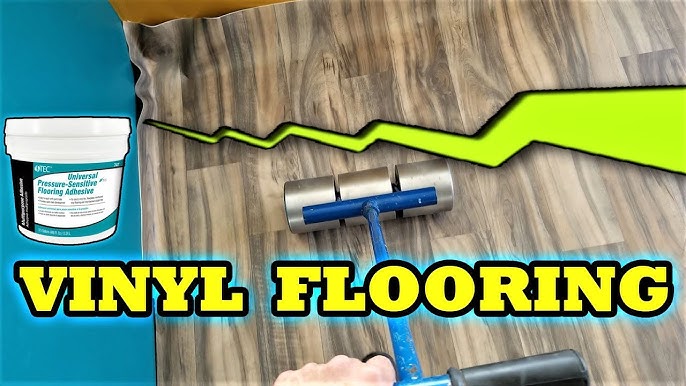
- Apply vinyl flooring adhesive to the subfloor with a trowel.
- Lay the vinyl into place, smoothing from the center out to remove bubbles.
- Use a roller to press the vinyl into the adhesive.
- Roll the seams and edges thoroughly.
- Avoid heavy traffic for 24–48 hours.
Example: Repairing A Vinyl Car Seat
- Trim any loose threads or damaged vinyl.
- Clean the area with alcohol.
- If the tear is large, slip a patch of vinyl underneath.
- Apply vinyl adhesive or super glue to the patch and the edges of the tear.
- Press the edges together and secure with tape until dry.
Advanced Tips For A Professional Finish
Getting a strong, neat bond isn’t just about glue. Here’s how to make your work look as good as possible:
Use A Roller For Large Surfaces
A hand roller helps squeeze out air bubbles and evenly press vinyl onto flat surfaces, like floors or countertops.
Match Colors
Some vinyl adhesives dry clear, but others may leave a yellowish tint. For visible seams, choose a glue that matches or dries clear.
Warm Up The Vinyl
If your vinyl is stiff or wrinkled, gently warm it with a hair dryer before gluing. Warm vinyl is easier to flatten and glue smoothly.
Seal The Edges
For flooring and upholstery, running a small bead of clear sealant along seams can help prevent water or dirt from getting under the vinyl.
Use Primer For Difficult Surfaces
Some brands sell a vinyl primer you brush on before glue for extra-strong bonds, especially when gluing vinyl to metal or painted surfaces.
Avoid Over-application
More glue is not always better. Too much can make the bond lumpy or leak out the sides.
Practice On Scrap Pieces
If you’re new to vinyl gluing, try a test piece first. You’ll learn how much glue to use and how long to wait before joining.
Common Problems And How To Fix Them
Even with the best advice, issues can arise. Here’s how to handle the most frequent problems:
Bubbles Or Wrinkles
- Causes: Rushed application, not smoothing with a roller, or gluing in a cold room.
- Fix: Use a roller to push bubbles out while the glue is still wet. For dry glue, pierce a tiny hole and inject a little adhesive, then press flat.
Peeling Edges
- Causes: Not enough adhesive, dirty surfaces, using the wrong glue.
- Fix: Clean under the edge, apply more adhesive with a toothpick, press, and tape until dry.
Weak Bond
- Causes: Skipped surface prep, using regular glue, or gluing in high humidity.
- Fix: Remove the failed bond, clean both sides, roughen lightly, and re-glue with the correct adhesive.
Glue Squeeze-out
- Causes: Using too much glue or pressing too hard.
- Fix: Wipe excess glue immediately with a damp cloth or recommended solvent.
Discoloration
- Causes: Using solvent-based glues or cleaning with harsh chemicals.
- Fix: Test all adhesives and cleaners on a hidden spot first. For small stains, use a vinyl repair kit to color-match.
Gluing Vinyl To Different Surfaces
The technique may change depending on what you’re bonding vinyl to. Here’s what to watch for:
Vinyl To Vinyl
Most vinyl adhesives work best for this. Make sure both surfaces are clean and slightly roughened.
Vinyl To Wood
Use a strong contact cement or vinyl adhesive. Apply glue to both surfaces and let it become tacky before joining.
Vinyl To Metal
For metal, clean thoroughly and roughen with sandpaper. Epoxy or vinyl adhesive usually works best. Avoid gluing on oily metals.
Vinyl To Fabric
This is common in upholstery. Use a flexible vinyl adhesive, and make sure the fabric is clean and dry. Clamp or tape in place until cured.
Vinyl To Concrete
For vinyl flooring, use a special vinyl flooring adhesive. The concrete must be clean, dry, and free of dust or grease.
Table: Vinyl Adhesive Compatibility
Here’s a quick reference for which adhesive to use with different materials:
| Bonding Surface | Best Adhesive Type | Special Preparation |
|---|---|---|
| Vinyl to Vinyl | Vinyl Adhesive | Clean and roughen |
| Vinyl to Wood | Contact Cement | Both surfaces clean and dry |
| Vinyl to Metal | Epoxy | Sand metal, clean well |
| Vinyl to Fabric | Flexible Vinyl Adhesive | Use clamps/tape |
| Vinyl to Concrete | Vinyl Flooring Adhesive | Dry, dust-free concrete |
Credit: www.youtube.com
Mistakes Beginners Make When Gluing Vinyl
Many people make the same errors their first time gluing vinyl. Here are the most common—and how to avoid them:
- Skipping Surface Prep: Not cleaning or roughening surfaces means weak bonds.
- Using the Wrong Glue: Not all “plastic” glues work on vinyl. Always check the label.
- Applying Too Much or Too Little Adhesive: Excess glue oozes out; too little leads to peeling.
- Not Securing the Bond: Without pressure from clamps or weights, the bond may be uneven.
- Rushing the Cure Time: Moving or stressing the vinyl before the glue is fully cured weakens the bond.
- Ignoring Temperature and Humidity: Cold or damp conditions slow drying and weaken glue.
Two Insights Many Miss
- Test for Compatibility: Even within vinyl, there are different mixes. Not all adhesives work on all vinyls. Always do a test patch on a hidden area.
- Watch for Plasticizer Migration: Vinyl contains plasticizers (additives to keep it flexible) that can sometimes “bleed” into glue, weakening the bond. Some adhesives are designed to resist this—look for adhesives labeled “plasticizer-resistant” if you’re gluing flexible vinyl.
Caring For Glued Vinyl
Once your project is finished, a few simple habits will keep the bond strong:
- Avoid Excessive Heat: High temperatures can soften both vinyl and some adhesives, weakening the bond.
- Clean Gently: Use mild soap and water, not harsh chemicals, which can break down the glue or discolor the vinyl.
- Check Edges Regularly: For flooring or upholstery, inspect seams and edges every few months. Re-glue at the first sign of lifting.
- Protect from Direct Sunlight: UV light can age both vinyl and glue, leading to cracks or yellowing.

Credit: www.youtube.com
When To Call A Professional
Some vinyl jobs are better left to experts:
- Large flooring installations: Mistakes can be costly to fix.
- Automotive upholstery repairs: Especially for airbags or heated seats.
- Vinyl pool liners: These require underwater adhesives and special tools.
If your project is valuable or complex, consult a professional installer or repair shop.
Environmental And Health Considerations
Many vinyl adhesives use strong chemicals. Always:
- Work in a well-ventilated area.
- Wear gloves and eye protection.
- Keep adhesives away from children and pets.
- Dispose of leftover adhesives according to local rules—don’t pour them down drains.
Also, note that vinyl itself is made from PVC, which is not biodegradable. Try to repair rather than replace when possible, and recycle scraps if facilities exist.
For more details on vinyl adhesives, you can visit the Wikipedia page on adhesives.
Frequently Asked Questions
How Long Does Vinyl Glue Take To Dry?
Most vinyl adhesives set in 10–30 minutes, but full strength is achieved after 24–48 hours. Check your glue’s label and avoid stressing the bond until it’s fully cured.
Can I Use Super Glue For All Vinyl Repairs?
Super glue works for small, rigid repairs but isn’t ideal for large areas or flexible vinyl, as it can become brittle and crack over time. Use vinyl-specific adhesives for best results.
Why Is My Vinyl Glue Not Sticking?
Common reasons include dirty surfaces, using the wrong glue, or working in cold/humid conditions. Always clean, roughen, and dry the surfaces, and use the right adhesive.
How Do I Remove Excess Glue From Vinyl?
Wipe away glue immediately with a damp cloth. For dried glue, use a plastic scraper or the solvent recommended on your glue’s label. Test solvents on a hidden area first to avoid damage.
Is Gluing Vinyl Safe Indoors?
Most vinyl adhesives are safe if used with good ventilation. Avoid breathing fumes, and wear gloves. Some adhesives have low-odor, water-based versions for indoor use.
Gluing vinyl well isn’t just about squeezing a tube of glue. With the right adhesive, careful preparation, and a little patience, you can achieve strong, lasting, and beautiful results. Whether you’re repairing, installing, or crafting, these steps will help you do it right the first time.