
If you’ve ever walked across your living room and heard a strange crunch under your feet, you know how frustrating crunchy carpet can be. You might wonder if your carpet is ruined, or if you did something wrong while cleaning. Crunchy carpet doesn’t just feel uncomfortable—it can make your home seem less clean and even damage carpet fibers over time. The good news is, you can fix crunchy carpet and restore its softness with the right steps.
Crunchiness is not a rare problem. Many people notice their carpet feels stiff or makes noise after cleaning, especially if they’ve used too much soap or let the carpet dry without rinsing. Sometimes, even professional cleaning leaves behind residue that causes this issue.
Most homeowners blame themselves, but the real cause is usually simple and easy to fix.
In this guide, you’ll learn why carpet gets crunchy, how to identify the main causes, and the best methods to bring back softness. You’ll also discover pro tips, common mistakes to avoid, and answers to questions most people never think to ask.
By the end, you’ll feel confident about making your carpet comfortable again—without costly mistakes or wasted effort.
Why Carpet Becomes Crunchy
Understanding why carpet gets crunchy is the first step toward fixing the problem. Crunchiness happens when something changes the texture of carpet fibers, making them hard or stiff instead of soft and flexible. There are a few main reasons this happens.
- Soap or Detergent Residue: The most common cause is leftover cleaning solution. If you use too much soap, or don’t rinse the carpet well, residue dries inside the fibers. This makes the carpet stiff and noisy.
- Hard Water: If you use hard water for cleaning, minerals can stay behind as the water dries, adding to the crunchiness.
- Improper Drying: When carpet stays wet for too long, dirt and cleaning products can settle in, making the fibers feel rough.
- Low-Quality Cleaners: Cheap or harsh cleaning products sometimes leave behind chemicals that dry stiff.
- DIY Shampooing Mistakes: Using the wrong machine or not following instructions can cause build-up, even if you clean often.
Less common causes include old spills (like sugary drinks), pet urine, or using too much baking soda for deodorizing.
Signs Your Carpet Is Crunchy
Sometimes, carpet crunchiness is obvious. Other times, it’s more subtle. Here are signs your carpet may need attention:
- It feels stiff or rough when you walk on it
- You hear a “crunch” or “crackle” sound underfoot
- The carpet fibers look dull or flat, not fluffy
- It’s hard to vacuum or push your fingers through the fibers
- There’s a sticky or powdery feeling after cleaning
If you notice these signs, don’t ignore them. Crunchy carpet can wear out faster and attract more dirt, making regular cleaning less effective.

Credit: www.vaporclean.co.uk
Main Causes Of Crunchy Carpet
It’s important to know the main sources of crunchiness before you start fixing the problem. Here’s a closer look at each cause and how to spot it.
Soap Or Detergent Residue
Leftover soap is the number one reason for stiff carpet. Most people use more cleaner than needed, thinking “more is better. ” In reality, too much soap doesn’t rinse out completely. As the carpet dries, the soap forms a film around the fibers.
This not only feels crunchy, but also attracts new dirt faster, making the carpet get dirty again soon.
Hard Water Deposits
If your home has hard water—water with lots of minerals—those minerals can stay in the carpet after cleaning. Calcium and magnesium from hard water dry into a fine powder that makes fibers stiff. Hard water also makes soap harder to rinse out, so you may have both problems at once.
Poor Rinsing And Drying
If you don’t rinse well after shampooing, or if the carpet takes days to dry, residue can settle deep in the pile. High humidity and poor airflow make this problem worse. Crunchiness is often worst in rooms with little sunlight or ventilation.
Low-quality Or Wrong Cleaning Products
Some carpet cleaners are not made for your carpet type or contain harsh chemicals. These can dry into a stiff crust on the carpet. Always check the label and make sure the cleaner is safe for your specific carpet material.
Overuse Of Deodorizers Or Baking Soda
Sprinkling too much baking soda or powder deodorizers can leave a gritty layer, especially if not vacuumed thoroughly. Over time, this makes carpet feel sandy and rough.
Pet Accidents And Spills
Sticky spills or pet urine can dry and crystallize in the carpet. Even if you clean up the surface, the deeper layers may harden over time.
Tools And Products You’ll Need
Before you start fixing crunchy carpet, gather the right tools and products. Having these on hand will make the process smoother and more effective.
- Wet/Dry Vacuum (or a good household vacuum with strong suction)
- Carpet Cleaning Machine (rent or buy if possible)
- Clean White Towels (for blotting and testing)
- Spray Bottle (for rinsing)
- Distilled White Vinegar
- Warm Water
- Mild Carpet Shampoo (make sure it’s residue-free)
- Measuring Cup
- Bucket
- Soft-Bristle Brush (optional)
- Dehumidifier or Fans (to speed up drying)
If you’re not sure which product is right for your carpet, check your carpet’s care tag or ask the manufacturer. Using the wrong cleaner can make crunchiness worse.

Credit: www.magicsteamco.com
Step-by-step Guide To Fix Crunchy Carpet
Now let’s get practical. Here’s how to fix crunchy carpet, step by step, for the best results. This method works for most types of synthetic and wool carpets.
1. Identify The Problem Spots
Walk barefoot across the carpet and note where it feels stiff or makes noise. Mark these spots with sticky notes or coins, so you remember where to focus.
2. Vacuum Thoroughly
Vacuum the entire area slowly, making several passes. Pay extra attention to crunchy areas. A vacuum with a beater bar or brush roller is best, as it lifts more residue from deep inside the fibers.
Pro Tip: Empty your vacuum bag or canister halfway through if you’re cleaning a large area. This keeps suction strong.
3. Prepare A Vinegar Rinse Solution
Mix one part distilled white vinegar with three parts warm water in a bucket. For example, use 1 cup vinegar with 3 cups water. Vinegar is safe for most carpets and helps dissolve soap or mineral residue.
Pour some of this solution into a spray bottle for spot treatments.
4. Rinse The Crunchy Areas
Spray the vinegar solution on the crunchy spots until they are damp but not soaked. Let it sit for 10–15 minutes. Vinegar breaks down residue and helps loosen stiff fibers.
For large rooms, you can use a carpet cleaning machine filled with the vinegar solution for even coverage.
5. Blot Or Extract The Solution
Use a clean towel to blot the area, pressing down to soak up liquid and loosen residue. If you have a wet/dry vacuum, use it to extract the solution from the carpet. Repeat until the towel comes up clean.
If using a carpet cleaning machine, run the rinse cycle (with just water) over the area to pull out as much residue as possible.
6. Repeat If Needed
If the carpet still feels crunchy after the first rinse, repeat steps 4 and 5. Stubborn residue may need two or three treatments, especially if it’s been there a long time.
7. Dry The Carpet Properly
Good drying is crucial. Open windows, turn on fans, and use a dehumidifier if you have one. Walk on the carpet with clean socks to “fluff” the fibers as they dry.
Avoid heavy foot traffic until the carpet is fully dry. This can take several hours to overnight, depending on humidity.
8. Fluff The Carpet Fibers
Once the carpet is dry, use your fingers or a soft-bristle brush to gently lift and separate the fibers. This restores softness and helps the carpet look new.
Pro Tip: For very stubborn crunchy spots, gently rub the area with a damp towel, then fluff with a brush.
9. Test And Repeat As Needed
Walk across the carpet barefoot. If you still notice crunchiness, repeat the vinegar rinse and extraction process. Most carpets are restored after 1–2 treatments, but very dirty or old carpets may need more effort.
Alternative Methods For Crunchy Carpet
Not all carpets respond the same way. Here are a few other methods you can try if the vinegar rinse doesn’t completely solve the problem.
Using A Professional Carpet Cleaner
If you have access to a professional carpet cleaning service, ask if they offer a “rinse-only” option. Many pros use hot water extraction with no added soap, which pulls out residue better than home machines. Make sure to mention the crunchiness and ask them to focus on thorough rinsing.
Steam Cleaning
Steam cleaning (without soap) can help remove deep-seated residue. Use only water in the machine, and make slow passes for best results. Steam loosens buildup, but be careful not to over-wet the carpet.
Enzyme Cleaners
If the crunchiness is caused by pet urine or old spills, use an enzyme cleaner made for carpets. These break down organic residues that normal cleaners miss.
Baking Soda Removal
If you used too much baking soda, vacuum several times in different directions. You may also use a damp towel to blot and lift excess powder, but avoid soaking the carpet.
Data Table: Common Causes Of Crunchy Carpet And Their Solutions
Here’s a quick reference for common causes and how to fix them:
| Cause | Signs | Solution |
|---|---|---|
| Soap/Detergent Residue | Sticky, stiff, re-soils quickly | Vinegar rinse & thorough extraction |
| Hard Water Minerals | White powder, crunchy feel | Vinegar rinse, use distilled water |
| Baking Soda Overuse | Powdery, gritty texture | Repeated vacuuming, damp blotting |
| Pet Accidents | Crunchy, odor, sticky | Enzyme cleaner, rinse and blot |
| Improper Drying | Musty smell, stiff texture | Improve airflow, re-clean if needed |
Preventing Crunchy Carpet In The Future
Fixing crunchy carpet is important, but preventing it is even better. Here are proven ways to keep your carpet soft and comfortable after cleaning.
- Use Less Soap: Follow the cleaner’s instructions exactly. More soap does not mean better cleaning.
- Rinse Thoroughly: After shampooing, always rinse with clean water. This removes leftover soap before it dries.
- Use Soft Water: If possible, use distilled or softened water for carpet cleaning. This prevents mineral buildup.
- Dry Quickly: Use fans, open windows, and avoid over-wetting. The faster your carpet dries, the less likely it is to become crunchy.
- Vacuum Before and After Cleaning: Vacuuming removes dirt that can stick to wet fibers and cause roughness.
- Choose the Right Cleaner: Always use products designed for your carpet type. Check for “residue-free” formulas.
- Limit Powdered Deodorizers: Use them sparingly, and vacuum thoroughly after use.
- Spot Clean Immediately: Clean spills and pet accidents right away to prevent deep-down residue.
- Deep Clean Regularly: Schedule deep cleaning every 6–12 months to prevent buildup.
Data Table: Comparison Of Carpet Cleaning Methods
Different cleaning methods have different effects on carpet texture. Here’s a comparison to help you choose wisely.
| Cleaning Method | Residue Risk | Drying Time | Best For |
|---|---|---|---|
| Hot Water Extraction | Low (if rinsed well) | Moderate | Deep cleaning, all carpets |
| Shampooing | Medium to High | Longer | Old, soiled carpets |
| Dry Compound | Low | Short | Delicate or commercial carpet |
| Steam Cleaning | Low | Short to Moderate | Stain removal, sanitizing |
Non-obvious Insights Most People Miss
Many guides stop at “just rinse with vinegar,” but there are a few details even experienced cleaners overlook.
1. Water Quality Matters More Than You Think
If your tap water is very hard, simply using more water can make the problem worse. Hard water leaves invisible minerals that combine with soap, making both harder to remove. Using distilled water for the final rinse can make a big difference, especially in crunchy-prone areas.
2. Carpet Padding Can Also Cause Crunchiness
If liquid soaks through the carpet and into the padding, residue can dry under the surface. Even if the top feels clean, the crunchiness can “come back” after a few days. In these cases, deep extraction or professional help may be needed.
Common Mistakes To Avoid
Trying to fix crunchy carpet can sometimes make things worse if you’re not careful. Here’s what to avoid:
- Using More Soap: Adding extra cleaner just adds more residue. Stick to the recommended amount.
- Skipping the Rinse Step: Always rinse with plain water after cleaning, even if the instructions don’t say so.
- Over-Wetting the Carpet: Too much water can lead to mold, mildew, and more crunchiness.
- Not Drying Quickly: Leaving the carpet damp slows down the breakdown of residue and attracts new dirt.
- Ignoring the Problem: Crunchy carpet doesn’t “fix itself” over time. The longer you wait, the harder it is to restore softness.
When To Call A Professional
If you’ve tried all the steps above and your carpet is still crunchy, it might be time to call a professional. This is especially true if:
- The carpet covers a large area or is expensive
- Crunchiness returns after each cleaning
- There’s a strong odor (like pet urine)
- The padding feels stiff or damp
Professionals have powerful extraction tools and special rinse agents that can solve problems home machines can’t. Look for companies with good reviews and ask about their experience with residue removal.
Data Table: Home Remedies Vs. Professional Cleaning
Here’s a side-by-side look at fixing crunchy carpet yourself versus hiring a pro.
| Approach | Effectiveness | Cost | Time Needed | Best For |
|---|---|---|---|---|
| DIY Vinegar Rinse | Good for most carpets | Low ($5–$20) | 1–2 hours | Small to medium areas |
| Professional Extraction | Excellent, deep clean | High ($100+) | 2–4 hours | Large/expensive carpets, severe cases |
How Long Does It Take To Fix Crunchy Carpet?
The time needed depends on the size of the area and the cause. For one room, expect:
- Preparation: 10–15 minutes (gather tools, mark spots)
- Vacuuming: 15–30 minutes
- Vinegar Rinse & Blotting: 30–45 minutes
- Drying: 2–6 hours (fans/dehumidifier help)
- Final Fluffing: 10–15 minutes
In total, you can usually restore a small to medium room in half a day. Large homes or severe buildup may take longer, especially if you need to repeat the process.
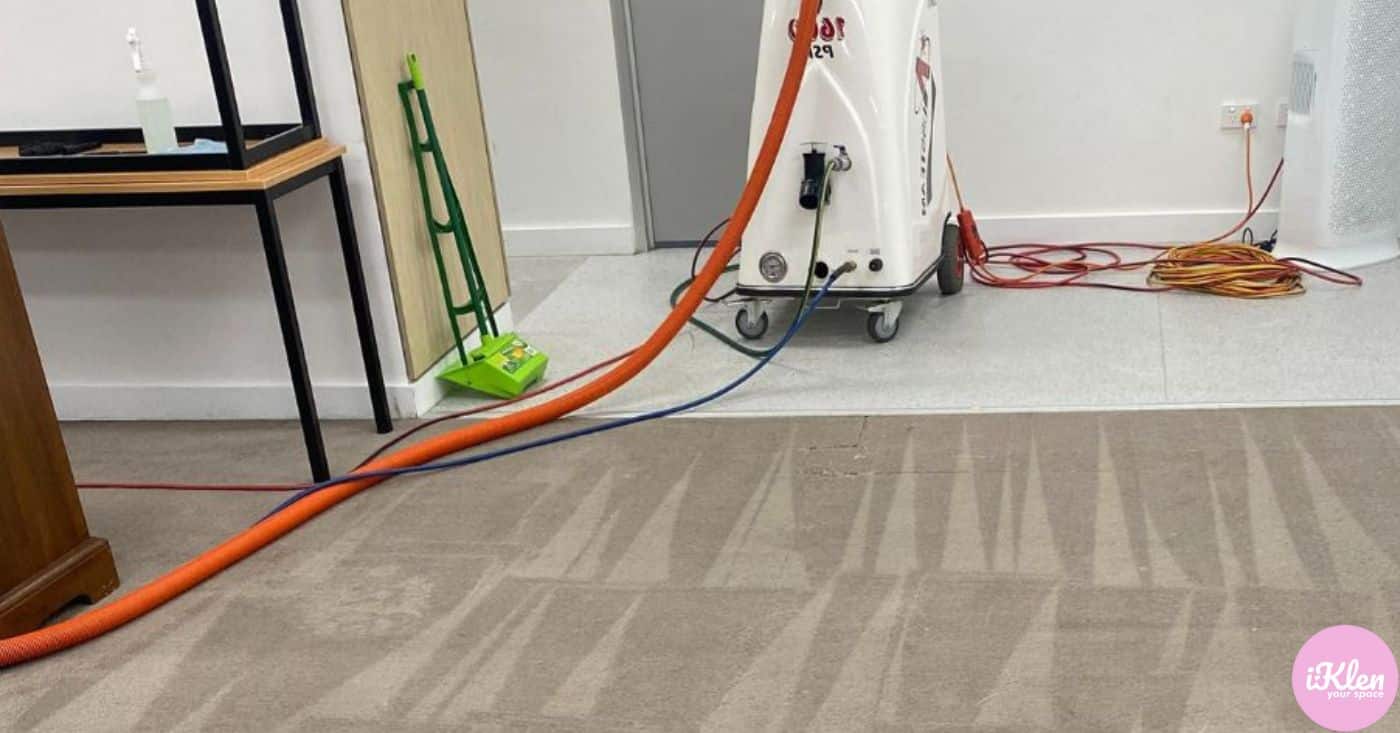
Credit: iklen.com.au
Extra Tips For A Softer, Fluffier Carpet
- Brush the carpet gently in different directions after drying. This separates fibers and increases softness.
- Place area rugs in high-traffic areas to reduce wear.
- Use a carpet protector spray only after all residue is removed—never on crunchy carpet.
- Test all cleaning solutions on a hidden spot first.
What If The Crunchiness Returns?
If the carpet feels crunchy again after a few days, check for sources of re-contamination. Sometimes, shoes, pets, or even dirty vacuum rollers can redeposit residue. Make sure to use clean tools and change vacuum filters regularly.
It’s also possible that deep residue remains in the padding. In this case, a professional extraction or even carpet replacement may be needed, especially in old or heavily-used carpets.
Where To Learn More
For further tips and cleaning science, the Wikipedia page on Carpet Cleaning explains different methods and their effects on carpet fibers. This is helpful if you want to understand what’s happening on a deeper level.
Frequently Asked Questions
Why Does My Carpet Feel Crunchy After I Clean It?
Crunchy carpet after cleaning is almost always caused by soap residue or minerals left behind during the cleaning process. If you use too much detergent or don’t rinse well, the leftover solution dries stiff. Hard water can also add to the problem. Always rinse thoroughly and use as little soap as needed.
Can I Use Only Water To Fix Crunchy Carpet?
Yes, in some cases, rinsing with plain warm water can remove minor residue. However, distilled white vinegar is more effective at breaking down both soap and mineral deposits. For best results, use a vinegar rinse followed by a water rinse.
Is Vinegar Safe For All Carpets?
Vinegar is safe for most synthetic and wool carpets in diluted form (1:3 with water). Always test on a hidden spot first, especially for natural fibers or delicate colors. Don’t use full-strength vinegar, as it can damage certain backings or adhesives.
How Often Should I Deep Clean My Carpet To Avoid Crunchiness?
For most homes, deep cleaning every 6 to 12 months is enough to prevent buildup. High-traffic areas or homes with pets may need more frequent cleaning. Always vacuum regularly and spot-clean spills quickly.
Will A Professional Cleaner Fix Crunchy Carpet For Sure?
A good professional with the right equipment can usually remove deep residue and restore softness. However, if the carpet padding is damaged or the fibers are worn out, results may vary. Ask for a “rinse/extraction” focus and check reviews before hiring.
Bringing back the softness of your carpet is not difficult when you know what causes crunchiness and how to fix it properly. With careful rinsing, quick drying, and a few simple tools, you can enjoy comfortable, quiet carpet again. Pay attention to the details most people miss, and your carpet will thank you with years of softness underfoot.