
A lounge chair is more than just a piece of furniture. It’s a place to relax, read, or even nap after a long day. But what happens when your favorite lounge chair starts to sag, creak, or look worn out?
For many people, a damaged lounge chair feels like a lost cause. The good news is, you can fix most lounge chair problems at home with some basic tools and patience.
In this guide, you’ll learn how to fix a lounge chair step by step. Whether your chair is wooden, metal, or upholstered, you’ll find practical solutions here. You’ll also get tips for choosing the right materials, common mistakes to avoid, and simple ways to keep your chair comfortable and safe for years.
Understanding Your Lounge Chair
Before you start repairs, it’s important to know your lounge chair type. Lounge chairs come in different styles and materials, and each has unique repair needs.
- Wooden lounge chairs are classic and sturdy. They can suffer from loose joints, cracked wood, or faded finishes.
- Metal lounge chairs are common for outdoor use. They might rust, bend, or have broken welds.
- Upholstered lounge chairs combine fabric or leather with padding for comfort. Issues include sagging cushions, torn fabric, or squeaky springs.
- Reclining lounge chairs have moving parts that can wear out or jam.
Check your chair’s manual if you still have it. If not, look under the seat or frame for a label that lists the model, materials, and manufacturer.
Why Lounge Chairs Fail
Most lounge chair problems come from regular use, age, or exposure to sunlight and moisture. Here are some common causes:
- Screws and bolts loosen over time.
- Wood dries, cracks, or warps.
- Metal frames rust, especially outdoors.
- Fabric wears out or tears.
- Springs or webbing lose tension.
Understanding the cause helps you fix the problem at its source.
Essential Tools And Materials
You don’t need a full workshop to repair a lounge chair, but having the right tools makes the job easier. Here’s a basic list for most repairs:
- Screwdriver set (Phillips and flathead)
- Adjustable wrench
- Pliers
- Hammer and rubber mallet
- Wood glue (for wood chairs)
- Sandpaper (medium and fine grit)
- Wood filler
- Touch-up paint or stain (for wood or metal)
- Spray lubricant (like WD-40)
- Staple gun and staples (for upholstery)
- Replacement screws, bolts, or washers
- Fabric or leather patches (for upholstery)
- Foam padding (for sagging cushions)
- Measuring tape
- Protective gloves and safety glasses
Some fixes need special materials, like replacement webbing, springs, or weld kits. Always check what your chair needs before starting.
Diagnosing The Problem
Take a few minutes to check your lounge chair carefully. Move it, sit on it, and listen for any strange sounds. Look for:
- Loose joints: Wobbling arms, legs, or backrests.
- Broken or cracked parts: Wood splits, bent metal, or snapped plastic.
- Sagging seat: Sinking cushion or frame.
- Torn or worn upholstery: Rips, stains, or faded areas.
- Rust or corrosion: Especially on metal parts.
- Jammed or stiff mechanisms: Recliner levers or moving parts.
Write down every problem you find. Sometimes, multiple issues are connected. For example, a loose screw can cause both noise and a wobbly frame.
Fixing Loose Joints And Wobbly Frames
One of the most common lounge chair problems is a loose or wobbly frame. This can make your chair feel unstable and unsafe.
Tightening Screws And Bolts
- Turn the chair upside down for better access.
- Find all the screws and bolts holding the frame together.
- Use the correct screwdriver or wrench to tighten each one. Don’t over-tighten, as this can strip the hole.
- If a screw just spins, remove it and check the hole. If it’s too wide, fill it with wood glue and a wooden matchstick, then reinsert the screw after drying.
Re-gluing Wooden Joints
Wooden joints can loosen as glue dries out. Here’s how to fix them:
- Disassemble the loose joint, if possible.
- Clean out old glue with sandpaper or a small brush.
- Apply fresh wood glue inside the joint.
- Reassemble and clamp the joint for at least 1 hour.
- Wipe away any extra glue with a damp cloth.
Adding Corner Braces
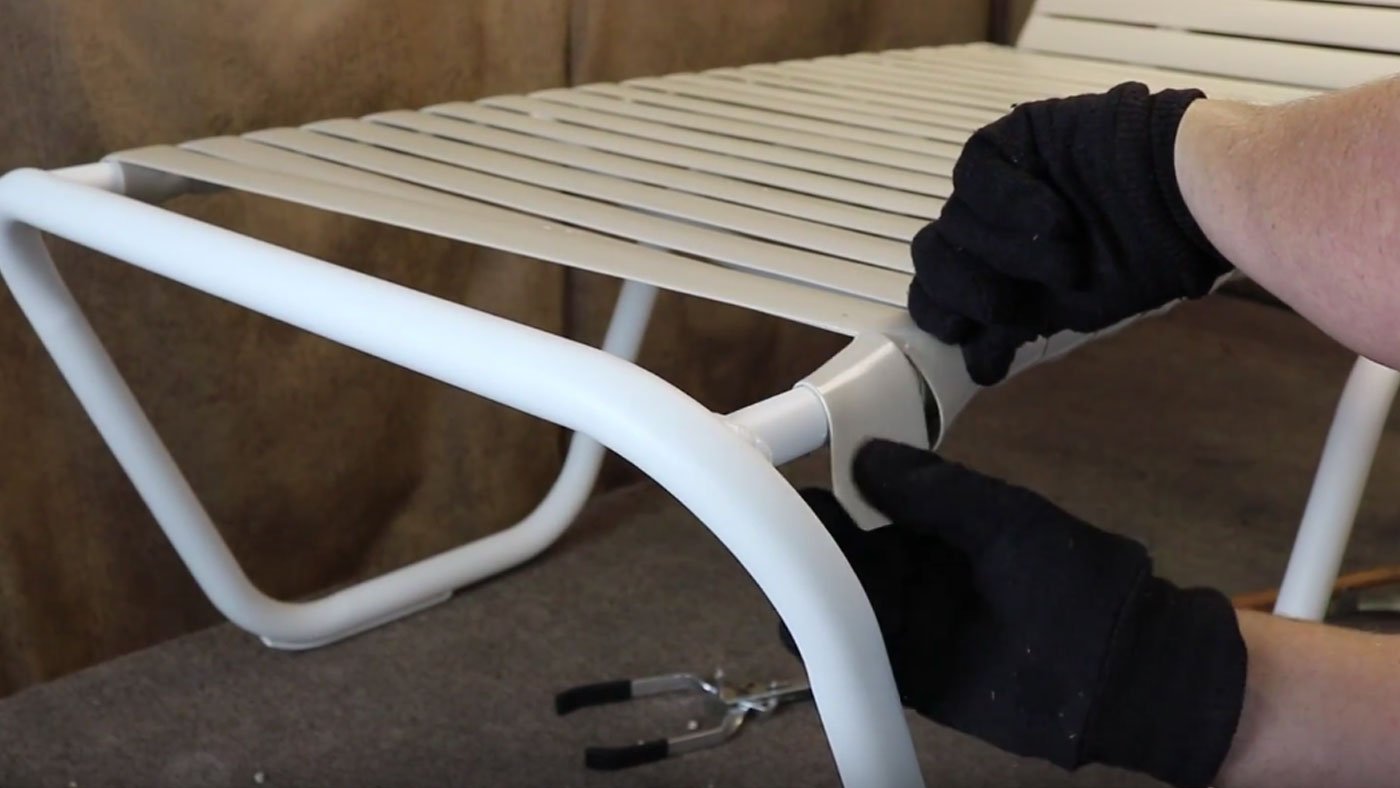
If your wooden lounge chair wobbles, you can add small metal corner braces inside the frame for extra strength. Attach them with short screws in the corners under the seat.
Common Mistake
Don’t use nails to fix wobbly joints—they can split the wood and won’t hold as well as screws or glue.
Credit: www.sunnilandpatio.com
Repairing Cracked Or Broken Wood
A cracked frame or broken leg doesn’t always mean your chair is finished. With careful repair, you can make it safe again.
Small Cracks
- Clean the crack with a dry brush.
- Squeeze wood glue deep into the crack.
- Clamp the area tightly and let it dry overnight.
- Sand the surface smooth.
- Touch up with stain or paint if needed.
Large Breaks
If a piece of wood is fully broken:
- Align the broken parts carefully.
- Apply wood glue on both surfaces.
- Clamp and let dry for 24 hours.
- For extra strength, add a metal bracket on the inside of the break.
Filling Holes Or Chips
- Press wood filler into the hole or chip.
- Let it dry, then sand smooth.
- Paint or stain to match the rest of the chair.
Practical Insight
For high-stress areas (like a front leg), consider replacing the whole piece if possible. Repairs in these spots may not hold under heavy use.
Fixing Rusted Or Bent Metal Parts
Metal lounge chairs are strong but can rust or bend, especially if used outdoors.
Removing Rust
- Scrub rusty spots with medium-grit sandpaper or a wire brush.
- Wipe clean with a dry cloth.
- Apply rust converter (found at hardware stores) to stop rust.
- Spray with metal paint to protect the area.
Straightening Bent Frames
- Remove any cushions or fabric.
- Hold the frame firmly with one hand.
- Use pliers or a rubber mallet to gently bend the metal back.
- For big bends, you may need two people or a bench vise.
Repairing Broken Welds
If a weld has snapped:
- Clean the area with sandpaper.
- Use a metal epoxy for small cracks (good for home use).
- For strong repairs, a welding kit or professional welder is best.
Non-obvious Tip
Always wear safety glasses when working with metal to avoid injury from sharp edges or flying rust.
Fixing Sagging Seats And Cushions
A sagging seat is uncomfortable and makes your lounge chair look old. Fixing it depends on the chair’s design.
Replacing Or Reinforcing Webbing
Many lounge chairs use webbing (straps under the cushion) for support.
- Turn the chair upside down.
- Remove the old webbing by cutting or unfastening it.
- Measure and cut new webbing strips.
- Attach one end with a staple gun or screws.
- Stretch the strip tight and fasten the other end.
- Repeat in a crisscross pattern for best support.
Adding Or Replacing Foam
If the cushion is flat, add new foam:
- Unzip or open the cushion cover.
- Measure the old foam and cut a new piece to match.
- Insert the new foam and close the cover.
High-density foam lasts longer and feels firmer.
Fixing Springs
Some chairs use metal springs under the seat.
- If a spring is loose, use pliers to reattach it to the frame.
- Broken springs should be replaced with the same size.
Real-world Insight
Many people only change the cushion, but worn webbing is often the real cause of sagging. Check both before buying new foam.
Repairing Upholstery: Tears, Stains, And Wear
Upholstery gives your lounge chair comfort and style, but it’s also the first thing to show wear.
Fixing Small Tears
- Trim any loose threads.
- For fabric, use fabric glue or an iron-on patch on the inside.
- For leather, use a leather repair kit for the best color match.
Replacing Upholstery
If the fabric is badly worn:
- Remove the old fabric and staples with pliers.
- Lay new fabric over the cushion, adding 2-3 inches extra on each side.
- Staple one side, pull tight, and staple the opposite side.
- Fold the corners neatly and finish stapling.
- Trim any extra fabric.
Removing Stains
- For fabric: Use a mild upholstery cleaner and a soft brush.
- For leather: Wipe with a damp cloth and use a leather conditioner.
Insider Tip
Always test cleaners on a small, hidden area first to avoid fading or damage.
Repairing Or Replacing Reclining Mechanisms
Reclining lounge chairs have moving parts that can jam or break.
Lubricating Moving Parts
- Flip the chair over.
- Spray all moving joints with WD-40 or another spray lubricant.
- Move the mechanism back and forth to spread the oil.
Fixing A Jammed Lever
- Check for loose or bent parts.
- Tighten any loose screws or bolts.
- If the lever is bent, straighten it gently with pliers.
Replacing A Broken Mechanism
- Look up your chair’s model to find the right replacement part.
- Remove the old mechanism by unscrewing it.
- Attach the new part, following the manufacturer’s instructions.
Lesser-known Fact
Some reclining chairs have a safety lock that prevents movement if the mechanism is damaged. Check for hidden locks before forcing the chair.
Restoring And Refinishing Wood
A faded or scratched wooden lounge chair can look new again with some simple refinishing.
Sanding And Cleaning
- Use medium-grit sandpaper to remove old finish and scratches.
- Wipe away dust with a dry cloth.
Staining Or Painting
- For a natural look, use wood stain. Apply with a brush, let sit, then wipe off extra.
- For bold color, use a furniture paint.
Sealing The Surface
- Finish with a clear varnish for protection.
- Let it dry completely before using the chair.
Key Insight
Always sand with the grain of the wood to avoid visible scratches.
Replacing Small Parts: Feet, Caps, And Armrests
Sometimes, small parts like plastic feet, armrest pads, or decorative caps break or fall off.
Replacing Plastic Feet
- Remove the old foot with pliers.
- Measure the hole size.
- Buy matching replacement feet.
- Tap the new foot into place with a rubber mallet.
Armrest Pads
- Unscrew or unclip the old pad.
- Attach the new pad, making sure it’s secure.
Decorative Caps
- Snap or glue new caps onto exposed bolts or screw heads for a finished look.
Useful Example
Missing feet can scratch floors and make the chair uneven. Always replace them to protect both the chair and your floor.
Preventive Maintenance For Lounge Chairs
Regular care can keep your lounge chair in great shape and prevent many common problems.
- Tighten screws and bolts every few months.
- Check for rust or wood cracks, especially if the chair is outside.
- Rotate cushions to spread wear evenly.
- Cover outdoor chairs when not in use.
- Clean spills right away to avoid stains.
Non-obvious Maintenance
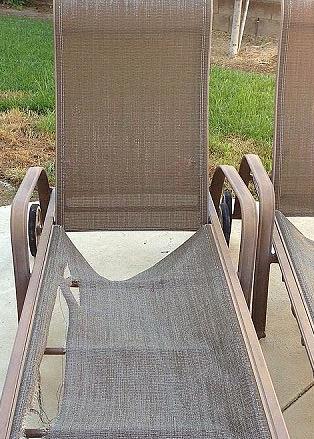
Don’t forget to check under the seat—dust and dirt can build up there and attract insects, which can damage the frame or fabric.
Credit: www.hometalk.com
When To Call A Professional
Some lounge chair repairs are best left to experts, especially if:
- The frame is badly cracked or broken.
- Welding is needed for metal parts.
- The chair is valuable or antique.
- You don’t have the tools or time.
A professional can often restore your chair safely without risking further damage.
Comparing Repair Costs: Diy Vs. Professional
To help you decide whether to fix your lounge chair yourself or hire a pro, here’s a comparison:
| Repair Type | DIY Cost (Approx.) | Professional Cost (Approx.) | Time Needed |
|---|---|---|---|
| Tightening/Re-gluing joints | $5–$20 | $50–$100 | 30–60 min |
| Replacing fabric | $20–$60 | $100–$300 | 2–4 hrs |
| Metal welding | $10–$50 (epoxy) | $75–$200 | 1–2 hrs |
| Foam/cushion replacement | $20–$50 | $100–$250 | 1 hr |
DIY repairs save money but need time and patience. Professionals cost more but offer expertise and speed.
Typical Lounge Chair Problems And Repair Solutions
Here is a quick reference for the most common lounge chair problems:
| Problem | Likely Cause | Best Solution |
|---|---|---|
| Wobbly frame | Loose screws, worn joints | Tighten screws, re-glue joints |
| Sagging seat | Worn webbing/foam | Replace webbing or foam |
| Torn upholstery | Wear and tear | Patch or replace fabric |
| Rusty frame | Moisture exposure | Remove rust, repaint |
| Squeaky springs | Dry or loose springs | Lubricate or replace springs |
Tips For Buying Replacement Parts
Finding the right replacement parts can be challenging, especially for older lounge chairs.
- Check the brand and model. Search online for exact matches.
- Measure twice. Always double-check the size of screws, webbing, or foam.
- Visit furniture repair shops. Staff can often help match parts.
- Look for universal kits. Many stores sell generic webbing, springs, or cushion foam.
Caution
Avoid buying very cheap replacement parts—they may not last and can make future repairs harder.
Upgrading Your Lounge Chair During Repairs
Fixing a lounge chair is a great time to upgrade comfort or style.
- Switch to memory foam for a softer seat.
- Use stain-resistant fabric if you have kids or pets.
- Add armrest covers for more comfort and easier cleaning.
- Install new feet to protect floors and reduce noise.
Upgrades can make your old lounge chair feel new again for a small investment.
Real-life Example: Fixing A Vintage Lounge Chair
A family in Ohio had a 1970s wooden lounge chair with a sagging seat, torn fabric, and loose arms. Here’s how they brought it back to life:
- Tightened all screws and re-glued the arm joints.
- Removed old webbing and installed new nylon straps under the seat.
- Cut and replaced the foam cushion.
- Chose a modern, durable fabric and stapled it tightly around the seat and back.
- Sanded and re-stained the wood frame.
Total cost: about $60. The chair now looks stylish, feels comfortable, and is ready for many more years of use.
Sustainability: Repair Vs. Replace
Repairing a lounge chair is good for your budget and the environment. Every year, Americans throw away over 9 million tons of furniture, much of it repairable. By fixing your lounge chair:
- You reduce landfill waste.
- You save resources used to make new chairs.
- You keep family memories and unique styles alive.
If you want more data on furniture waste and recycling, visit the EPA’s official website.
Frequently Asked Questions
How Do I Know If My Lounge Chair Is Worth Fixing?
If the frame is solid and the cost of repairs is less than half the price of a new chair, it’s usually worth fixing. Antique or high-quality chairs are often better repaired than replaced.
Can I Fix A Lounge Chair If I Have No Tools Or Experience?
Yes, many simple fixes—like tightening screws or adding a cushion—need only basic tools and skills. For complex repairs, ask a handy friend or hire a professional.
What Is The Best Way To Fix A Squeaky Lounge Chair?
Find the source of the squeak—often loose screws or dry springs. Tighten screws and spray WD-40 or silicone lubricant on moving parts.
How Can I Make My Lounge Chair More Comfortable During Repairs?
Upgrade the foam cushion to high-density or memory foam. Add a soft throw blanket or a lumbar pillow for extra support.
Where Can I Buy Lounge Chair Repair Parts?
Check hardware stores, furniture repair shops, or online retailers. Bring old parts with you to match sizes, or search by your chair’s brand and model.
A lounge chair is more than just furniture—it’s part of your daily comfort. With the right approach and a little time, you can fix almost any lounge chair problem and enjoy it for many more years.
Credit: www.youtube.com