
Mirrors are a common feature in many bedrooms. They help you get ready, reflect natural light, and can make a space feel larger. But in some cultures and beliefs, having a mirror in the bedroom—especially one facing the bed—is not considered ideal.
You may also want to cover mirrors for privacy, to reduce reflections at night, or simply to change your room’s look. Deciding how to cover a mirror in the bedroom might sound simple, but there are many creative, practical, and stylish ways to do it right.
This guide will walk you through everything you need to know about covering bedroom mirrors. Whether your goal is following Feng Shui advice, getting better sleep, or just updating your decor, you will find a solution that fits. You’ll learn about different materials, methods, and the pros and cons of each option. We will also help you avoid common mistakes and answer the most important questions people ask about this topic.
Why People Cover Mirrors In The Bedroom
Before exploring the how-to, it’s important to understand the reasons behind covering mirrors. This helps you choose the best method for your situation.
Sleep Disruption
Some people find that mirrors in the bedroom can disturb their sleep. Mirrors reflect light, movement, and even your own image, which may create a sense of unease. People who are light sleepers often report waking up more frequently when a mirror is visible from their bed.
Feng Shui And Cultural Beliefs
In Feng Shui, mirrors are believed to bounce energy around the bedroom, which can be unsettling. A mirror facing the bed is thought to affect relationships and sleep quality. Similar beliefs are found in other cultures, where mirrors may be seen as portals or sources of negative energy.
Privacy Concerns
Mirrors can reflect private moments, especially in shared bedrooms. Covering them can make the room feel more secure and intimate.
Light And Glare
Mirrors reflect not only daylight but also artificial light. If you have a streetlight outside or use devices at night, a mirror might bounce that light right into your eyes while you’re trying to rest.
Interior Design Reasons
Sometimes, a mirror just doesn’t fit the style you want. Covering it temporarily or permanently can help you update your bedroom without removing or replacing the mirror.
Choosing The Best Method: What To Consider
There are many ways to cover a mirror, but not all are right for every room or purpose. Here are the main factors to consider:
- Purpose: Are you covering the mirror for sleep, decor, or both?
- Mirror Size and Position: Large wall mirrors need a different approach than small vanity mirrors.
- Permanent or Temporary: Do you want a fixed cover or something you can remove easily?
- Budget: Some solutions are low-cost, while others require more investment.
- Room Decor: The cover should match or complement your bedroom style.
- Ease of Use: Will you need to uncover the mirror often?
Let’s look at the most effective and popular methods, with their benefits and drawbacks.
1. Using Curtains Or Drapes
One of the most flexible and stylish ways to cover a bedroom mirror is by hanging curtains or drapes in front of it. This method is especially useful for large wall or closet mirrors.
How To Do It
- Measure the width and height of the mirror.
- Choose a curtain rod that fits above or around the mirror.
- Select curtains that match your room’s style—thicker fabrics block more light and reflection.
- Install the rod and hang the curtains so they fully cover the mirror when closed.
Pros
- Easy to open and close as needed.
- Adds a decorative touch.
- Can be changed seasonally or as your style changes.
Cons
- Requires installation, which may leave holes in the wall.
- Curtains can collect dust and need cleaning.
- May not work for small or oddly-shaped mirrors.
Example
If you have mirrored closet doors, using ceiling-mounted drapes can create a soft look and allow you to expose the mirrors only when needed.
2. Decorative Screens Or Room Dividers
A folding screen or room divider can be placed in front of a mirror to block it from view. This is a great temporary solution, especially for renters or anyone who doesn’t want to make holes in the wall.
How To Use
- Measure the width of the mirror.
- Select a screen that is wide and tall enough to cover the mirror completely.
- Place the screen directly in front of the mirror. Adjust as needed for full coverage.
Pros
- No installation required.
- Easily movable.
- Adds texture and interest to the room.
Cons
- Takes up floor space.
- Not suitable for small bedrooms.
- May not be stable around children or pets.
Non-obvious Insight
Choose a screen with built-in shelves to combine mirror coverage with extra storage. This is especially useful in small apartments.

Credit: fengshuisteps.wordpress.com
3. Fabric Throws Or Tapestries
Covering a mirror with a decorative throw or tapestry is a quick and affordable way to hide it. This works best for wall-mounted or framed mirrors.
How To Use
- Drape a piece of fabric or a tapestry over the mirror.
- Secure the corners with removable hooks, sticky tack, or decorative clips.
Pros
- Low cost.
- Wide range of designs and patterns.
- Easy to change whenever you want.
Cons
- Can look messy if not secured well.
- Fabric may slide off smooth mirror surfaces.
- Not as neat as some other solutions.
Practical Tip
Use a tapestry with a rod pocket or loops to make hanging easier and more stable.
4. Adhesive Window Film
Frosted or decorative window film can be applied directly to the mirror surface. This blocks reflections while still allowing some light through. Films come in many patterns, from simple frosted to stained glass effects.
How To Apply
- Clean the mirror surface well.
- Cut the film to the size of the mirror.
- Spray water on the mirror, peel off the backing, and apply the film.
- Smooth out bubbles with a squeegee.
Pros
- No drilling or installation needed.
- Many styles available.
- Can be removed without damage.
Cons
- Not all films are fully opaque.
- Some adhesive films leave residue.
- May be tricky to apply without bubbles.
Data Table: Comparison Of Popular Window Film Types
| Film Type | Opacity | Removability | Cost (per sq. ft.) |
|---|---|---|---|
| Frosted | High | Easy | $1–$3 |
| Stained Glass | Medium | Moderate | $2–$5 |
| Opaque Blackout | Very High | Moderate | $3–$6 |
5. Sliding Or Folding Panels
For a modern solution, consider installing sliding or folding panels over your bedroom mirror. These can be made of wood, metal, or lightweight plastic.
How It Works
- Panels are attached on a track above the mirror.
- Slide or fold them to cover or reveal the mirror as needed.
Pros
- Sleek, modern look.
- Easy to use.
- Can double as wall art.
Cons
- More expensive than simple covers.
- Requires installation.
- Not suitable for all mirror shapes.
Design Idea
Paint or wallpaper the panels to match your bedroom decor for a custom look.
6. Art Prints Or Posters
If you want an artistic touch, hang a large art print or poster over the mirror. This is a good option for renters or anyone who wants a temporary cover.
How To Use
- Use double-sided tape, removable hooks, or poster putty to attach the art over the mirror.
- For a more polished look, frame the art before hanging.
Pros
- Easy to change the design.
- Can showcase your personality.
- Low cost.
Cons
- May not cover large mirrors fully.
- Not as elegant as permanent solutions.
Insight
Layering smaller prints in a collage style can make a large mirror disappear into a gallery wall.
7. Wooden Shutters Or Blinds
Installing shutters or blinds in front of a mirror adds a touch of classic style and lets you adjust coverage easily.
How It Works
- Attach shutters or blinds to the wall or mirror frame.
- Open or close as needed to hide or reveal the mirror.
Pros
- Adjustable coverage.
- Durable and long-lasting.
- Adds architectural interest.
Cons
- More expensive and involved to install.
- Not suited for irregularly shaped mirrors.
Data Table: Shutters Vs Blinds
| Feature | Shutters | Blinds |
|---|---|---|
| Material | Wood/Composite | Wood/Plastic/Metal |
| Adjustability | Moderate | High |
| Installation | Permanent | Semi-permanent |
| Cost (per sq. ft.) | $15–$30 | $5–$15 |
8. Custom Built-in Cabinets
If you want a seamless look, you can have a cabinet or cupboard built over the mirror. This is a permanent solution that also adds storage.
How To Do It
- Hire a carpenter or use ready-made cabinet doors.
- Install over the mirror, allowing doors to open and close.
Pros
- Adds valuable storage.
- Very clean, integrated look.
- Hides the mirror completely.
Cons
- Most expensive option.
- Permanent change to the room.
- Requires professional installation.
Non-obvious Insight
Consider mirrored cabinet doors to maintain the reflective benefit when you want it, and hide it when you don’t.
9. Peel-and-stick Wallpaper
Temporary wallpaper can be applied directly to mirrors. Many brands make removable wallpaper designed for renters.
How To Apply
- Clean the mirror thoroughly.
- Cut wallpaper to size.
- Peel and stick, smoothing out bubbles.
Pros
- Hundreds of patterns available.
- No damage to the mirror.
- Easy to change or remove.
Cons
- Not fully opaque unless you choose a thick design.
- May peel at the edges in humid rooms.
Data Table: Top Temporary Wallpaper Brands
| Brand | Opacity | Removability | Price (per roll) |
|---|---|---|---|
| Tempaper | High | Excellent | $35–$45 |
| Walls Need Love | Medium | Very Good | $30–$40 |
| Chasing Paper | Medium | Excellent | $40–$60 |
10. Roll-up Shades
Similar to window shades, roll-up fabric or bamboo blinds can be mounted above a mirror. Pull them down to cover, roll up to uncover.
How To Use
- Install a shade just above the mirror.
- Choose a blackout or decorative shade.
Pros
- Adjustable coverage.
- Minimalist look.
- Easy to install.
Cons
- Shade material may not block all reflections.
- Limited style options compared to curtains.
Practical Tip
Choose a blackout roller shade for best light and reflection blocking.
11. Movable Wall Art Or Boards
A creative option is to mount a lightweight corkboard, chalkboard, or magnetic board over the mirror. This gives you a place to leave notes, hang photos, or display artwork, while also hiding the mirror.
How To Use
- Use removable hooks or adhesive strips to attach the board.
- Decorate as desired.
Pros
- Dual-purpose: Covers mirror and adds function.
- Easy to change or update.
- Great for kids’ rooms or home offices.
Cons
- May stick out from the wall.
- Some boards may be too heavy for adhesive strips.
Example
Mount a corkboard on closet mirror doors to create a vision board or photo gallery.
12. Plants Or Tall Decor Items
For a natural touch, use tall plants, vases, or floor lamps to block a mirror partially or fully.
How To Do It
- Place one or more tall plants in front of the mirror.
- Arrange so they cover the reflective surface from your main viewing angle.
Pros
- Adds life and color to the room.
- No installation needed.
- Easy to move and change.
Cons
- Only works for low or floor mirrors.
- Plants need care and space.
Non-obvious Insight
Using trailing or climbing plants on a tall stand can cover more vertical space without using a wide plant.

Credit: www.youtube.com
13. Frosted Spray Paint
For a semi-permanent solution, you can use frosted glass spray paint to blur the mirror’s reflection.
How To Apply
- Clean the mirror well.
- Mask off the frame or any area you don’t want painted.
- Spray in light, even coats until the mirror is obscured.
Pros
- Inexpensive and quick.
- Can be used for artistic effects or full coverage.
Cons
- Hard to remove if you change your mind.
- Not suitable for renters.
Safety Tip
Always use spray paint in a well-ventilated area or outdoors.
14. Sliding Barn Doors
For a bold design statement, install sliding barn doors over a large mirror or mirrored closet. This works well in rustic, industrial, or modern bedrooms.
How It Works
- Mount a barn door track above the mirror.
- Slide the door(s) to cover or expose the mirror.
Pros
- Strong visual impact.
- Easy to operate.
- Adds character and texture.
Cons
- Requires wall space on one or both sides.
- Installation can be complex.
- Higher cost than simple covers.
Design Tip
Choose doors with cut-out panels or glass inserts if you want to let some light through.
15. Diy Paper Or Cardboard Covers
For a quick, budget-friendly solution, use large sheets of paper, cardboard, or foam board to cover a mirror.
How To Use
- Cut material to mirror size.
- Attach with painter’s tape or removable putty.
Pros
- Very low cost.
- Great for temporary coverage.
Cons
- Not durable.
- Not attractive for long-term use.
Example
Use wrapping paper for a festive look during holidays, then switch back afterward.
Practical Tips For Covering Bedroom Mirrors
- Measure twice: Always double-check mirror dimensions before buying materials.
- Test the look: Temporarily hang fabrics or art with tape to see how it feels before installing permanently.
- Mind the frame: If your mirror has a decorative frame, choose a cover that lets you enjoy it when the mirror is hidden.
- Think about airflow: Covers like fabric or wallpaper can trap moisture. Make sure your mirror stays dry to prevent damage.
- Keep it safe: For households with children or pets, avoid covers that could be pulled down or tripped over.
Common Mistakes To Avoid
- Ignoring mirror size or shape: A cover that’s too small or the wrong shape looks awkward.
- Choosing heavy materials for weak mounts: Heavy boards or art may fall if not properly secured.
- Not considering access: If you use the mirror often, pick a cover that’s easy to open and close.
- Using adhesives that damage: Some tapes or glues can leave residue or peel off paint.
- Blocking outlets or switches: Make sure your mirror cover doesn’t interfere with any electrical elements.
Benefits And Drawbacks: Quick Overview
Covering a mirror in your bedroom has both upsides and downsides. Here’s a summary to help you decide if it’s worth it.
Benefits:
- Improved sleep quality for some people.
- Enhanced privacy and sense of security.
- Better control of light and glare.
- Easy way to update or personalize your room.
Drawbacks:
- Loss of natural light reflection.
- May require time or money to install/remove.
- Some methods are permanent or hard to reverse.
- Covers can collect dust or need maintenance.
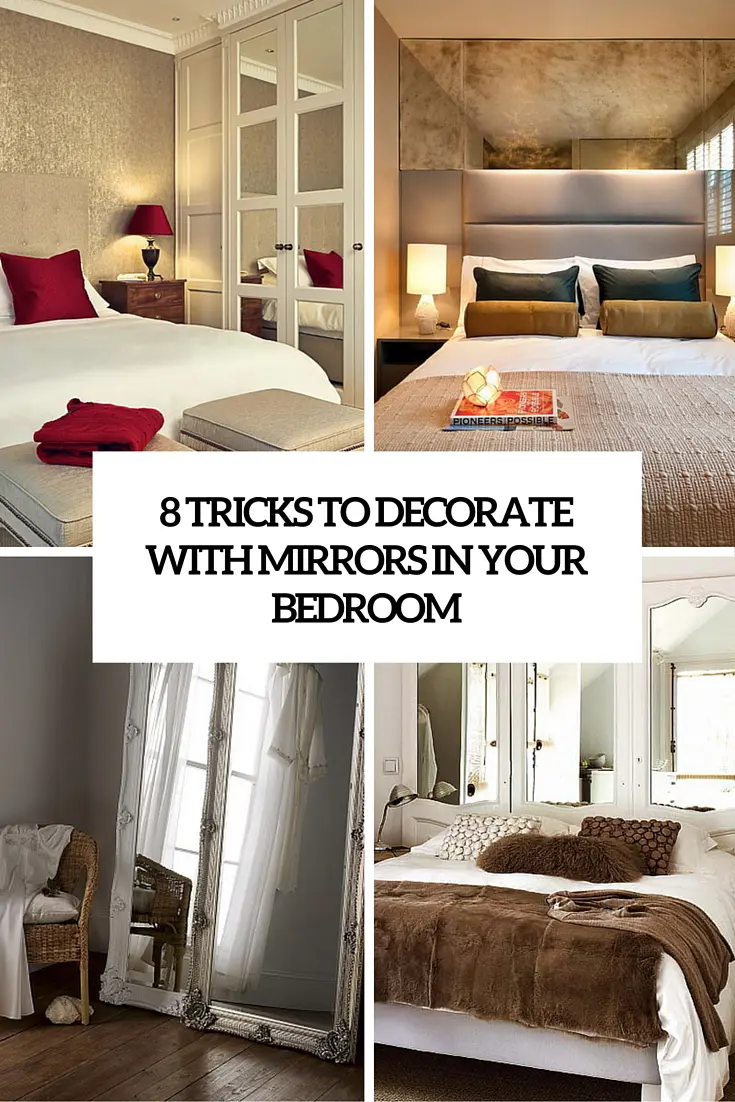
Credit: www.digsdigs.com
Special Considerations: Feng Shui And Energy Flow
If you are covering a mirror for Feng Shui or spiritual reasons, keep these points in mind:
- Mirrors facing the bed are believed to disturb sleep and relationships.
- Place covers so that no part of the mirror reflects you while in bed.
- Soft, natural fabrics in calming colors are often recommended.
- Avoid covers with harsh patterns or images that could create negative feelings.
For more on Feng Shui and bedroom design, see Wikipedia’s guide to Feng Shui.
Budgeting For Your Project
Mirror covering solutions can cost anywhere from a few dollars to several hundred. Here’s a rough breakdown:
- DIY paper or fabric covers: $5–$50
- Curtains/drapes: $20–$100
- Window film: $10–$50
- Screens/dividers: $40–$200
- Sliding panels, barn doors, cabinets: $100–$500+
Remember to add costs for tools, installation, and replacement if you like to change styles often.
Real-life Examples
- Mia, a college student: Used a patterned tapestry and removable hooks to cover her dorm mirror, making her space feel more private.
- James and Linda, a couple: Installed sliding barn doors over mirrored closet doors for a rustic-modern look, improving sleep and style.
- Sanjay, a Feng Shui enthusiast: Used thick blackout curtains on a ceiling-mounted track to hide a wall mirror at night and reveal it in the morning.
Each of these solutions matched different needs, budgets, and personal styles.
Frequently Asked Questions
What’s The Best Way To Cover A Mirror For Better Sleep?
Most people find that thick curtains or blackout drapes provide the best sleep improvement. These block reflections and light completely and are easy to open or close as needed. Soft, dark fabrics work especially well if you are sensitive to light or movement at night.
Can I Use Wallpaper To Cover A Mirror?
Yes, peel-and-stick wallpaper is a great temporary option for covering a mirror. It comes in many patterns and is easy to remove. Make sure to choose a thick or opaque style for full coverage, and always clean the mirror first for best adhesion.
Is It Bad Feng Shui To Have A Mirror Facing The Bed?
According to Feng Shui principles, having a mirror facing the bed can disturb sleep and affect relationships. Many experts suggest covering or moving the mirror if possible. For more guidance, see Wikipedia’s Feng Shui guide.
Will Covering My Mirror Damage It?
Most covers—such as curtains, fabric, or removable film—will not damage your mirror. Avoid using strong adhesives or harsh chemicals, which can leave marks or residue. For painted or spray-on covers, removal may be difficult or impossible without harming the mirror.
What’s The Cheapest Way To Cover A Mirror?
The least expensive option is using paper, cardboard, or a simple fabric throw. Secure with painter’s tape or removable putty for easy installation and removal. This method is perfect for temporary coverage or renters on a tight budget.
Covering a mirror in your bedroom can be a small change that makes a big difference. With so many options—each with unique pros, cons, and style possibilities—you can find a solution that fits your needs, beliefs, and budget. Whether you want better sleep, a new look, or peace of mind, the right mirror cover can help you transform your bedroom into a more comfortable and personal space.