
Mold in your washing machine is not just unsightly. It can make your clothes smell bad and may even affect your health. One of the most common places for mold to appear is on the rubber seal around the washing machine door. This area traps moisture, detergent residue, and even small clothing fibers. If you’ve opened your washing machine and noticed black spots, a musty smell, or slippery slime, you’re not alone. Many people struggle with this problem, but the good news is that you can fix it—and prevent it from coming back.
Cleaning mold from washing machine rubber is not hard, but it does require the right steps and a bit of patience. In this guide, you’ll learn exactly how to remove mold, why it grows there, how to keep it away, and which cleaning methods really work.
You’ll also find out about common mistakes and expert tips that most people miss. By the end, you’ll be ready to tackle mold in your washing machine and enjoy fresh, clean laundry every time.
Why Mold Grows On Washing Machine Rubber
Washing machines are designed to handle water, but sometimes water stays in places it shouldn’t. The rubber gasket or seal is meant to keep water inside the drum. But after a wash, tiny amounts of water, soap, and dirt can stay on the rubber. This creates the perfect environment for mold and mildew.
Front-loading washing machines are especially prone to this problem. Their design allows water to pool around the door seal. If you usually close the door right after a wash, moisture stays trapped. Detergent and fabric softener residue build up, giving mold a food source.
Certain factors make mold worse:
- High humidity: Moist air helps mold grow faster.
- Frequent short washes: These use less water, so residues don’t rinse away.
- Cold washes: Low temperatures don’t kill mold spores.
Most people think running the machine is enough to keep it clean, but this is not true. Regular cleaning is needed to prevent mold growth.
Signs Of Mold In Your Washing Machine
It’s not always obvious when mold has started to grow. Here are some common signs:
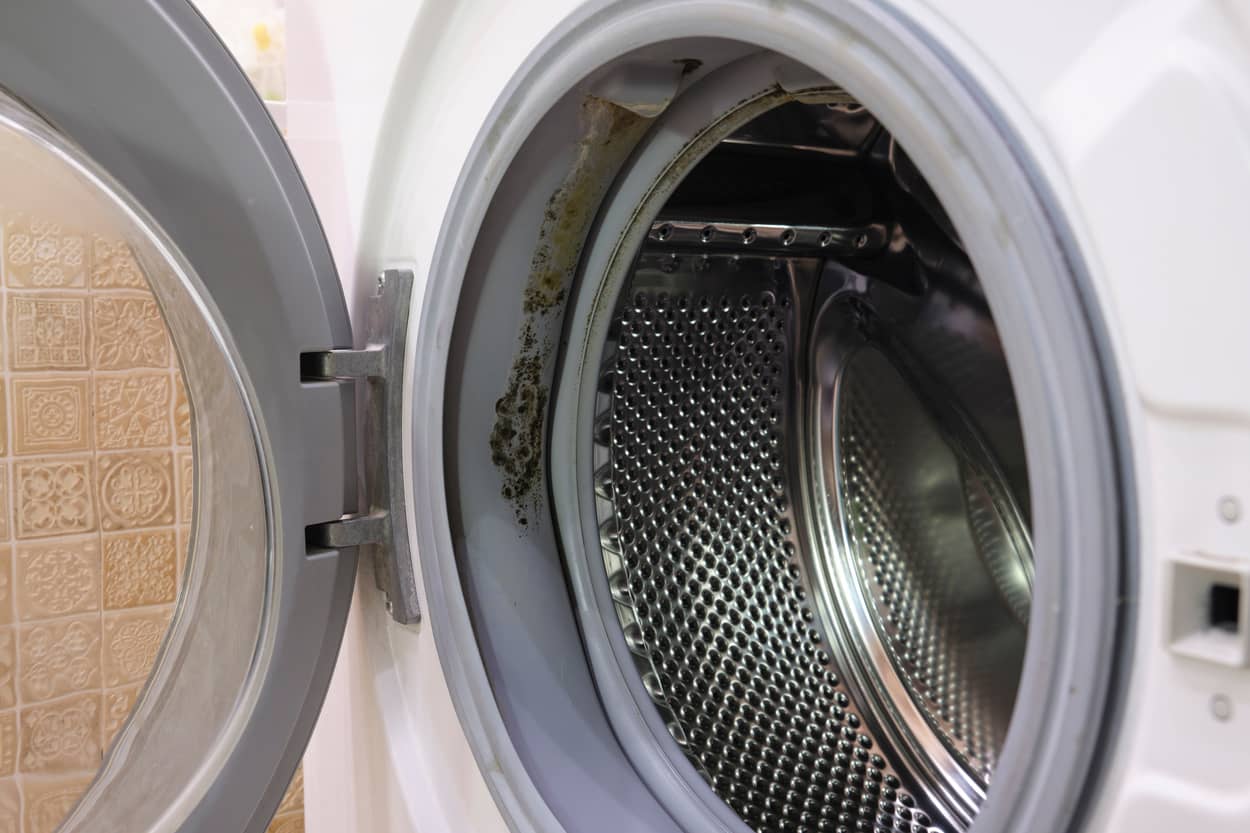
- Black or brown spots on the rubber seal.
- Musty or sour smell from the drum or on your clothes.
- Slippery or slimy feel on the gasket.
- Visible mold growth inside the folds of the rubber.
- Allergy symptoms like sneezing or coughing after using the machine.
If you notice any of these, it’s time to act. The sooner you clean it, the easier it will be to remove.

Credit: www.reddit.com
Is Mold In Washing Machine Dangerous?
Mold is more than just a cosmetic problem. It can:
- Release spores into the air, which may cause allergies or asthma.
- Transfer odors and stains to your clothes.
- Damage the rubber seal over time, leading to leaks.
Some types of mold can be harmful, especially to children, elderly people, or anyone with a weak immune system. That’s why it’s important to remove it as soon as possible.
What You Need To Clean Mold From Washing Machine Rubber
Before you start, gather the right tools and cleaning products. You don’t need anything fancy, but using the right items makes the job easier.
- Rubber gloves: Protect your hands from mold and cleaning chemicals.
- Old toothbrush or soft brush: For scrubbing the rubber.
- Spray bottle: To apply cleaning solutions.
- Microfiber cloths or rags: For wiping and drying.
- Bucket or bowl: For mixing solutions.
- Cotton balls or pads: For deep cleaning inside folds.
- Cleaning products: (see next section)
Choosing A Cleaning Solution
You can use commercial mold removers or simple household items. Here are the most effective options:
- White vinegar: Kills many types of mold. Safe and natural.
- Baking soda: Helps scrub and deodorize.
- Hydrogen peroxide (3%): Strong against mold. Do not mix with vinegar.
- Bleach: Very effective but harsh. Use with caution and never mix with vinegar or ammonia.
- Special washing machine cleaners: Designed for this purpose, available in stores.
For most people, vinegar or hydrogen peroxide is enough. Bleach is a last resort for heavy mold.
Step-by-step: How To Clean Mold From Washing Machine Rubber
Follow these detailed steps for best results.
1. Safety First
Put on rubber gloves and open a window or door for ventilation. Mold spores and cleaning fumes can irritate your lungs.
2. Prepare The Cleaning Solution
Pick one method:
- Vinegar: Pour straight white vinegar into a spray bottle.
- Hydrogen peroxide: Use 3% solution in a spray bottle.
- Bleach: Mix 1 part bleach with 4 parts water. Never mix bleach with other cleaners.
You can add a few drops of dish soap for extra cleaning power.
3. Inspect The Rubber Seal
Gently pull back the edges of the rubber gasket. Check all around the door, especially in the folds. Mold often hides in these areas.
4. Apply The Cleaner
Spray your chosen solution generously on all moldy areas. Make sure to get inside every fold and crease. For thick mold, soak cotton balls in the solution and press them into the folds. Leave them there for 10-15 minutes.
5. Scrub Thoroughly
Use an old toothbrush or soft brush to scrub away the mold. Work carefully but firmly. For stubborn spots, reapply cleaner and scrub again. Don’t forget the bottom of the seal, where water often sits.
6. Wipe Clean
Use a clean microfiber cloth to wipe away the loosened mold and cleaner. Rinse the cloth in clean water and wipe again to remove residue.
7. Dry Completely
Mold loves moisture. Use a dry cloth to wipe all around the seal and the inside of the door. Leave the washing machine door open to air dry for several hours.
8. Run A Cleaning Cycle
Run your washing machine empty on the hottest cycle. Add 1-2 cups of vinegar or a special washing machine cleaner to the drum. This cleans away any remaining spores and freshens the whole machine.
9. Repeat If Needed
If you still see mold, repeat the process. Very heavy mold may take several cleanings to remove completely.
Comparing Cleaning Methods
Different cleaning solutions offer different results. Here is a quick comparison:
| Cleaner | Effectiveness | Safety | Odor | Best For |
|---|---|---|---|---|
| White Vinegar | Good | High | Mild, acidic | Light to moderate mold |
| Hydrogen Peroxide | Very Good | High | Mild, clean | Moderate mold |
| Bleach | Excellent | Low (irritant) | Strong, chemical | Heavy mold |
| Baking Soda | Moderate | Very High | Neutral | Deodorizing |
| Commercial Cleaners | Varies | Medium | Perfumed/Chemical | Convenience |
How Often Should You Clean Washing Machine Rubber?
For most households, clean the rubber seal at least once a month. If you live in a humid area or use your machine daily, check it every two weeks. Regular cleaning keeps mold from coming back.
Preventing Mold Growth: What Really Works
Stopping mold before it starts saves time and effort. Here are proven ways to keep your washing machine rubber clean and fresh.
1. Leave The Door Open
After every wash, leave the door open for several hours. This lets air flow and dries out moisture. If you worry about pets or children, prop the door open with a towel.
2. Wipe The Seal Dry
Use a cloth to wipe the rubber gasket and glass door after each wash. Pay special attention to folds and corners.
3. Use The Right Detergent
High-efficiency (HE) machines need low-sudsing, HE detergent. Too much soap creates more residue for mold to feed on. Use the recommended amount.
4. Remove Wet Clothes Promptly
Take laundry out as soon as the cycle finishes. Letting wet clothes sit creates a damp environment for mold.
5. Run Regular Hot Washes
Do a hot water wash with no laundry every 2-4 weeks. Add vinegar or a washing machine cleaner to the drum.
6. Clean The Dispenser Drawer
Detergent drawers also collect mold. Remove and wash them regularly.
7. Check For Leaks
A leaking door seal or hose can keep the area wet. Fix leaks quickly to stop mold growth.
8. Use A Dehumidifier
If your laundry room is humid, use a dehumidifier to keep the air dry.
Common Mistakes When Cleaning Mold From Washing Machine Rubber
Many people try to clean mold but don’t get good results. Here are some common mistakes to avoid:
- Not checking all the folds: Mold hides deep in the rubber. Always pull back and inspect every fold.
- Using the wrong cleaners: Not all cleaners kill mold. Soap alone won’t work.
- Mixing chemicals: Never mix bleach with vinegar or ammonia. This can create toxic fumes.
- Skipping the rinse cycle: Always run an empty hot cycle after cleaning to remove residues.
- Not drying afterward: Leaving moisture on the seal invites mold back.
- Ignoring regular maintenance: Cleaning once is not enough. Make it a habit.
How To Deep Clean A Washing Machine Seal (for Heavy Mold)
Sometimes, regular cleaning isn’t enough. If your machine has heavy or old mold, you may need to deep clean.
1. Remove The Seal (if Possible)
Some washing machine seals can be removed. Check your user manual. If you’re not sure, call a professional.
2. Soak In Cleaner
If you can remove the seal, soak it in a bucket of hot water and bleach (1:4 ratio) for 30-60 minutes. Scrub well, rinse, and dry before reinstalling.
3. Clean Behind The Seal
Mold may be hiding behind the seal. Use a flashlight and a thin brush to reach hidden spots.
4. Replace The Seal
If mold keeps coming back or the rubber is damaged, it’s best to replace the seal. Old, cracked seals cannot be cleaned fully and may leak. Replacements are available for most machines.
Cost Comparison: Cleaning Vs. Replacing Washing Machine Rubber
Sometimes, cleaning is not enough, and replacing the rubber seal is necessary. Here’s a simple cost comparison:
| Option | Average Cost | Pros | Cons |
|---|---|---|---|
| DIY Cleaning | $0-$15 (supplies) | Cheap, easy, quick | May need to repeat, not effective for old mold |
| Professional Cleaning | $50-$100 | Thorough, less effort | Costly, may not fix damaged seals |
| Seal Replacement | $60-$200 (parts & labor) | Permanent solution | Expensive, requires skill |
For most people, regular cleaning is the best option. But if your seal is old, cracked, or smells even after cleaning, replacement is a smart investment.
Extra Tips For Keeping Your Washing Machine Mold-free
- Don’t use too much fabric softener. It leaves residue that feeds mold.
- Wipe the door glass after every wash.
- Check the drain pump filter. Clogged filters can cause water to stay in the drum.
- Use washing machine cleaning tablets once a month for an extra deep clean.
- If your area has hard water, descale the machine regularly to prevent mineral build-up.

Credit: southgeorgiastyle.com
Real-life Example: How One Family Beat Mold
Anna, a mother of two from Florida, struggled with mold in her front-load washer for months. She tried wiping the seal, but the smell kept coming back. After searching online, she learned about cleaning with vinegar and hydrogen peroxide. She used a spray bottle to soak the gasket, scrubbed deep into the folds, and ran a hot wash with vinegar.
She now wipes the seal after every wash and leaves the door open. Anna hasn’t had a mold problem in over a year.
Her story shows that a few simple habits can solve this problem for good.
The Science Behind Mold Removal
Mold is a type of fungus. It spreads by releasing tiny spores. These spores are everywhere, but they only grow into mold when they find moisture, warmth, and food (like detergent residue). Vinegar and hydrogen peroxide attack mold in different ways.
Vinegar changes the pH, making it hard for mold to survive. Hydrogen peroxide breaks down the mold’s cell walls. Bleach kills mold on the surface, but may not reach deep into rubber.
Understanding this helps you choose the right cleaner and method for your situation.
When To Call A Professional
Most mold can be cleaned at home, but in some cases, you should call a professional:
- If you have severe allergies or health issues.
- If the mold covers a large area or keeps returning.
- If the machine leaks or the seal is damaged.
A professional can clean or replace the seal safely and check for other problems, like leaks or poor drainage.
Mold And Washing Machine Warranties
Cleaning your washing machine seal will not void your warranty. But using harsh chemicals or removing parts yourself might. Always check your user manual or call the manufacturer before trying advanced cleaning or repairs.
Credit: alphabuildinginspections.com
Useful Resources
If you want more detailed guidance, see this Consumer Reports guide on mold in washers. It covers both prevention and cleaning in depth.
Frequently Asked Questions
How Often Should I Clean My Washing Machine Rubber?
Clean the rubber seal at least once a month. If you notice a musty smell or see mold, clean it right away. In humid climates or with frequent use, check and clean every two weeks.
Can I Use Bleach To Clean The Rubber Seal?
Yes, you can use bleach for tough mold. Mix 1 part bleach with 4 parts water. Spray it on the mold, wait 10-15 minutes, scrub, and wipe clean. Never mix bleach with vinegar or ammonia.
Is It Safe To Mix Vinegar And Baking Soda?
Yes, you can mix vinegar and baking soda. They create a mild fizzing reaction that helps lift dirt. However, the cleaning power is lower than using vinegar or baking soda alone. Do not mix vinegar with bleach.
Why Does My Washing Machine Smell Bad Even After Cleaning?
If your machine still smells bad, check for mold in other places like the dispenser drawer, drain pump filter, and hoses. Clean these parts and run a hot wash with vinegar or a washing machine cleaner.
What If The Mold Keeps Coming Back?
If mold returns quickly, make sure you are drying the seal, leaving the door open, and using the right detergent. Persistent mold may mean the seal is damaged and needs replacing. In this case, call a professional for help.
Keeping your washing machine rubber clean takes a little effort, but the rewards are worth it: fresh clothes, a longer-lasting machine, and a healthier home. By following the steps and tips in this guide, you’ll keep mold away for good.