
Cleaning grease from a concrete garage floor is a challenge many homeowners and car enthusiasts face. The stains look ugly, make the space slippery, and even attract more dirt over time. If you’ve ever tried to wipe up a grease spill with just a towel, you know it’s not enough.
These stains soak deep into concrete, making them stubborn. But with the right methods and tools, you can restore your garage floor and keep it looking clean.
In this guide, you’ll learn proven ways to remove fresh and old grease stains from concrete. You’ll also discover why certain products work, how to avoid common mistakes, and what to do if the stain just won’t budge. Whether you’re dealing with a small oil drip or a large spill, these steps will help you get results.
Let’s get started so you can walk into your garage and see a floor you’re proud of.
Understanding Grease Stains On Concrete
Grease is tricky because it’s thick, sticky, and designed to resist water. When it lands on concrete, it quickly seeps into the tiny holes and cracks. Unlike smooth surfaces, concrete acts like a sponge, pulling oil deeper over time. This is why a stain that looks small on the surface can actually be much larger underneath.
If left untreated, grease stains can:
- Make the floor slippery and unsafe
- Attract more dirt and dust
- Become harder to clean over time
- Cause unpleasant odors
- Lower the value of your property
Knowing this, it’s important to act fast and use the right cleaning method. Not all cleaners work the same way, and some can even damage your floor or create new problems.
Tools And Materials You Will Need
Before you start, make sure you have everything ready. The right tools can save you time and help you get the best results.
Essential supplies:
- Absorbent material (cat litter, sawdust, or baking soda)
- Stiff-bristled brush (not metal, which can scratch the floor)
- Degreaser (commercial or homemade)
- Warm water (for mixing and rinsing)
- Protective gloves (to protect your skin)
- Bucket
- Mop or sponge
- Plastic scraper or putty knife (for thick grease)
- Old towels or rags
Optional but helpful:
- Pressure washer
- Wet-dry vacuum
- Concrete sealer (for after cleaning)
Some homeowners also keep a basic first-aid kit nearby, just in case of any slips or contact with cleaning chemicals.
Quick Response: How To Handle Fresh Grease Spills
Acting quickly is the most effective way to prevent a stain from setting in. Here’s what to do if you notice a new grease spill on your garage floor:
- Blot the excess: Use old towels or rags to gently blot up as much grease as possible. Do not rub, as this pushes grease deeper.
- Cover with absorbent: Immediately sprinkle cat litter, sawdust, or baking soda over the spot. These materials pull grease out of the concrete.
- Let it sit: Leave the absorbent material for at least 1–2 hours, but overnight is even better for large spills.
- Sweep up: Use a broom and dustpan to remove the dirty absorbent.
- Check the stain: If you still see a dark spot, repeat the steps or move on to deeper cleaning methods.
This fast action often prevents stains from becoming permanent, especially on newer concrete floors.
Deep Cleaning: Removing Old Or Set-in Grease Stains
For stains that have been ignored or missed, you’ll need stronger methods. These steps work for most old grease marks.
Step 1: Scrape Off Thick Grease
Use a plastic scraper or putty knife to gently lift away any hardened or thick grease. Be careful not to gouge or scratch the concrete.
Step 2: Apply A Degreaser
Pour or spray a concrete-safe degreaser directly onto the stain. Some popular options include:
- Commercial degreasers (look for products labeled for concrete and grease)
- DIY mix: 1 cup baking soda + a few drops of dish soap + warm water (enough to form a paste)
Spread the degreaser evenly over the stain. Let it sit for 10–15 minutes so it can break down the oil. For tough stains, leave it up to 30 minutes but do not let it dry.
Step 3: Scrub The Area
Take your stiff-bristled brush and scrub the spot in a circular motion. This lifts grease out from the pores of the concrete. Apply more degreaser if needed, but avoid using wire brushes which can damage the surface.
Step 4: Rinse And Repeat
Rinse the area with warm water using a mop, wet-dry vacuum, or garden hose. Check if the stain has faded. If it’s still visible, repeat the steps above. Some stains need several rounds, especially if they’re old.
Step 5: Dry And Inspect
Allow the area to air dry. Sometimes, stains look lighter when wet but reappear as the floor dries. If needed, repeat the process or try a stronger cleaning method.

Credit: gilmour.com
Comparison Of Common Degreasing Agents
Not all degreasers work the same. Here’s a quick look at how popular choices compare for cleaning garage floors:
| Degreaser Type | Effectiveness | Cost | Availability | Best For |
|---|---|---|---|---|
| Commercial Concrete Degreaser | Very High | $$ | Hardware stores, online | Old, heavy stains |
| Dish Soap + Baking Soda | Medium | $ | Home | Fresh, light stains |
| Cat Litter | Low–Medium | $ | Pet stores, home | Absorbing fresh spills |
| Oven Cleaner | High | $$ | Grocery stores | Stubborn spots |
| Pressure Washer | Very High | $$$ | Rental, purchase | Large, dirty areas |
Non-obvious tip: Always test a small hidden area before using any new cleaner. Some degreasers can discolor or etch concrete, especially on decorative or sealed surfaces.
Homemade Cleaning Solutions
If you prefer not to use strong chemicals, homemade cleaners can be effective for many garage stains. Here are two popular recipes:
Baking Soda And Dish Soap
- Sprinkle baking soda over the stain.
- Add a few drops of dish soap.
- Scrub with a brush and warm water.
- Rinse and repeat as needed.
This combination works because baking soda is mildly abrasive and draws out oil, while dish soap cuts through grease.
Vinegar And Water (for Mild Stains)
- Mix 1 part white vinegar with 2 parts warm water.
- Pour over the stain and let sit for 10–15 minutes.
- Scrub and rinse.
Vinegar helps lift light oil and freshens the area. However, it’s less effective on old, thick grease.
Important: Avoid using vinegar on colored or decorative concrete as it can dull the finish.
Using A Pressure Washer For Stubborn Stains
For large or deep-set stains, a pressure washer can make a big difference. The high-pressure spray blasts away grease, dirt, and even mildew.
How to use a pressure washer safely:
- Sweep the floor to remove dust and debris.
- Apply a degreaser and let it sit for 10–15 minutes.
- Use the pressure washer on a medium setting (around 2,000–3,000 PSI).
- Hold the nozzle at a 45-degree angle and keep it moving to avoid gouging the concrete.
- Rinse the area thoroughly.
Non-obvious insight: Rent a surface-cleaning attachment for your pressure washer. This tool helps clean evenly and prevents streaks.
Poultice Method For Deep Oil Stains
If you have a stubborn spot that won’t come out with scrubbing, try making a poultice. This is a paste that draws grease from deep within the concrete.
How to make a simple poultice:
- Mix baking soda or diatomaceous earth with just enough water or acetone to form a thick paste.
- Spread the paste over the stain (about 1/4 inch thick).
- Cover with plastic wrap and tape down the edges.
- Leave it for 24 hours.
- Scrape off the dried paste and rinse.
Poultices work slowly, but they can pull out oil that ordinary cleaners miss.
Preventing Damage During Cleaning
It’s easy to make mistakes when cleaning tough stains. Here’s how to avoid damaging your garage floor:
- Don’t use metal brushes or scrapers—they scratch the concrete.
- Avoid harsh acids (like muriatic acid) unless you’re experienced, as they can erode the floor.
- Use gloves and eye protection with strong chemicals.
- Ventilate the garage well, especially with ammonia or solvent-based cleaners.
- Always rinse thoroughly to remove cleaner residue.
Non-obvious tip: Never mix bleach and ammonia—they create toxic fumes.
When To Call A Professional
Some grease stains are nearly impossible to remove completely, especially if they’ve been there for years. If you’ve tried several methods and the stain remains, or if the area is very large, it may be time to call a professional cleaning service.
Professionals have access to:
- Industrial degreasers
- Hot-water extraction machines
- Specialized poultices and sealers
They can also reseal your floor to protect it from future stains. While this costs more, it can save you time and restore the look of your garage.
Protecting Your Garage Floor After Cleaning
Once your floor is clean, you’ll want to keep it that way. Here’s how to prevent new grease stains:
- Seal the concrete: Apply a concrete sealer once the floor is dry. This fills pores and makes cleaning easier next time.
- Use floor mats: Place mats or trays under vehicles and workbenches.
- Clean spills quickly: The faster you act, the less likely a stain will set in.
- Regular maintenance: Sweep and mop your floor every few weeks to prevent dirt buildup.
How Cleaning Methods Affect Concrete
Different cleaning methods can change how your garage floor looks and feels. Here’s a comparison of their effects:
| Method | Surface Impact | Dry Time | Long-Term Effect |
|---|---|---|---|
| Scrubbing with Brush | Minimal wear | Quick | No damage |
| Pressure Washing | May roughen surface | Medium | Can erode with overuse |
| Chemical Degreasers | Possible discoloration | Quick | May require sealing |
| Poultice | No visible change | Slow | No damage |
If you’re unsure, always test a small area first to see how the concrete reacts.
Credit: www.reddit.com
Common Mistakes To Avoid
Many people make the same errors when cleaning garage floors. Avoid these to get better results:
- Using too much water, which can spread the stain.
- Not letting the cleaner sit long enough.
- Scrubbing with the wrong brush (like wire or soft bristles).
- Skipping the rinse step, leaving residue behind.
- Not drying the area, which can attract dirt quickly.
- Ignoring fresh spills, which turn into permanent stains.
By planning ahead and using the right tools, you’ll avoid these problems.
Environmental And Safety Considerations
Cleaning chemicals can be harsh on the environment. Here’s how to stay safe and eco-friendly:
- Use biodegradable degreasers when possible.
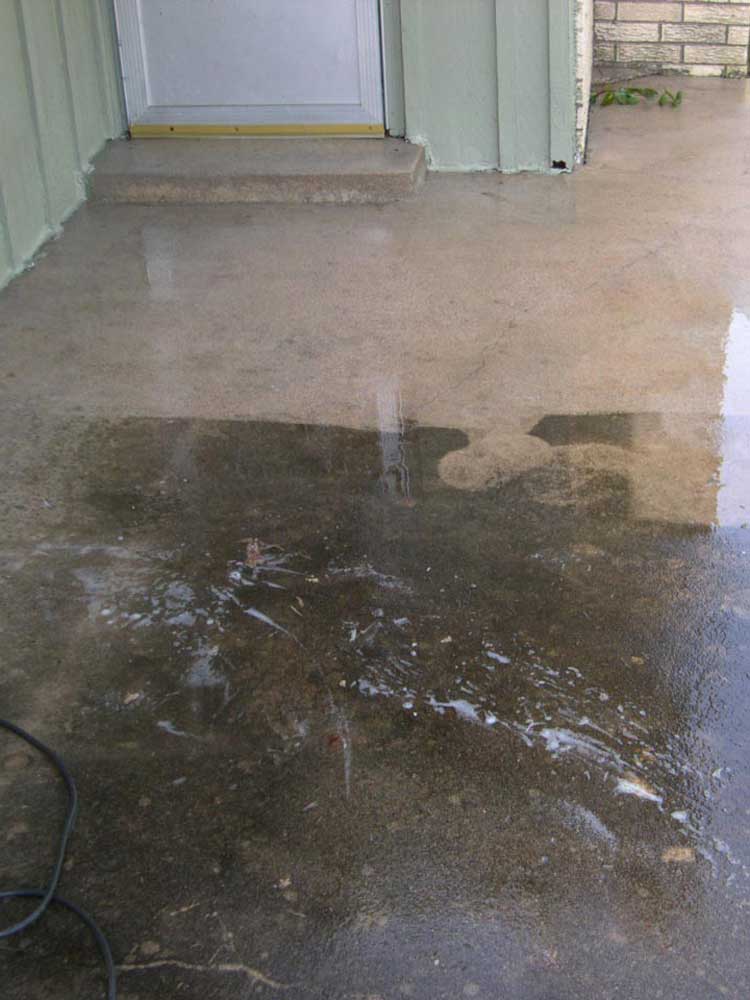
- Dispose of dirty water and absorbents properly—don’t wash them down the street or storm drain.
- Wear gloves and eye protection.
- Keep pets and children away from the cleaning area.
- Ventilate the garage to avoid breathing fumes.
For more on safe chemical use, visit the EPA Safer Choice Program.
Credit: prosoco.com
Step-by-step Example: Cleaning A Real-life Garage Stain
Let’s walk through a practical example to show how these steps work in real life.
Imagine you find a large, black grease stain under your car. It’s been there for several weeks.
- Scrape away any thick grease with a plastic putty knife.
- Cover the stain with cat litter and press it down. Wait overnight.
- Sweep up the litter and throw it away.
- Mix a degreaser: 1 cup baking soda + 1 tablespoon dish soap + warm water to make a paste.
- Spread the paste over the stain and let it sit for 20 minutes.
- Scrub with a stiff brush in circles.
- Rinse with warm water and use old towels to blot dry.
- Check the stain. If it’s still visible, repeat or try a poultice.
- Allow the floor to dry completely, then apply a concrete sealer.
This method removes most of the stain and protects against future spills.
Comparing Diy And Professional Cleaning
It’s helpful to know when it’s better to do it yourself and when to hire help.
| Cleaning Method | Cost | Time | Effectiveness | Best For |
|---|---|---|---|---|
| DIY (Home Chemicals) | Low | 1–2 hours | Good for fresh stains | Small stains, regular cleaning |
| DIY (Pressure Washer) | Medium | 2–3 hours | Very good for large areas | Large or dirty floors |
| Professional Service | High | 30–60 minutes | Best for old, deep stains | Very tough stains, large jobs |
DIY is cost-effective and works for most stains, but don’t hesitate to call in a pro for very old or widespread grease.
Frequently Asked Questions
What Is The Best Way To Clean Grease Off A Concrete Garage Floor?
The best way is to use a concrete-safe degreaser, let it sit, then scrub with a stiff-bristled brush and rinse with warm water. For fresh spills, absorb the grease first with cat litter or baking soda. For old stains, repeat the process or use a poultice.
Can I Use Bleach Or Acid To Clean Grease Stains?
Bleach is not effective on grease and can discolor concrete. Strong acids can damage the floor and should only be used by professionals. Stick with degreasers, soap, or pressure washing for safety.
How Long Does It Take To Remove A Grease Stain?
Fresh stains can sometimes be removed in 1–2 hours. Old stains may take several cleaning sessions over a few days. Deep stains might never disappear completely but can be lightened with repeated cleaning.
Will Pressure Washing Remove All Grease Stains?
Pressure washing works well for surface grease and large dirty areas. However, deep stains may still need chemical treatment or a poultice. Always use the right pressure setting to avoid damaging the concrete.
How Can I Prevent New Grease Stains?
Seal your garage floor after cleaning, use mats under vehicles, and clean up spills as soon as they happen. Regular sweeping and mopping also help prevent stains from setting in.
Cleaning grease off a concrete garage floor takes patience and the right approach. With these methods, you can restore your floor’s clean look and keep your garage safer and more pleasant to use. Remember to protect your floor with a sealer and act quickly when spills occur—your future self will thank you.