
Brass faucets add a touch of elegance and classic beauty to kitchens and bathrooms. But over time, fingerprints, water spots, tarnish, and even greenish patina can make these fixtures look old and dirty. Many people don’t realize that regular cleaning and a few easy techniques can keep brass faucets shiny and fresh for years.
If you want your faucet to sparkle like new—without causing damage—it’s important to understand the right cleaning methods, what products are safe, and what mistakes to avoid.
You don’t need expensive cleaners or complicated tools to restore the golden glow of brass. In fact, some common household items work better than harsh chemicals, which can scratch or dull the surface. Whether your brass faucet is lacquered (protected by a clear coating) or unlacquered (bare metal), this guide will show you step by step how to clean, polish, and protect it.
You’ll also learn how to recognize which type you have, how to remove stubborn tarnish, and how to avoid the most common cleaning errors.
Let’s walk through everything you need to know to maintain your brass faucet—so it becomes a true centerpiece, not an eyesore.
Understanding Brass Faucets
Before you start cleaning, it’s helpful to know a bit about brass. Brass is an alloy made mostly from copper and zinc, giving it a warm, yellowish color. Many faucets marketed as “brass” are solid brass, while others have a thinner brass plating over another metal.
There are two main types of brass faucet finishes:
- Lacquered brass: Protected by a clear coating that keeps the shine and prevents tarnishing.
- Unlacquered brass: No protective layer, so it will naturally develop a patina or tarnish over time.
Knowing which type you have is important. Cleaning methods and products for lacquered brass can actually damage unlacquered brass, and vice versa.
How To Identify Your Brass Faucet Finish
Here are some simple ways to check your faucet’s finish:
- Lacquered brass feels smooth and glassy. Water spots tend to bead up rather than soak in.
- Unlacquered brass feels more metallic and may have areas of uneven color or greenish patina.
- Try rubbing a small spot with a cotton swab dipped in nail polish remover (acetone) in a hidden area. If the finish comes off, it’s lacquered.
Pro Tip: If your faucet is antique, it’s likely unlacquered. Modern faucets are often lacquered for easier maintenance.
Why Brass Faucets Tarnish And Get Dirty
Brass is beautiful, but it’s also reactive. That means it changes when exposed to air, water, and cleaning chemicals. Here’s why brass faucets lose their shine:
- Oxidation: When brass reacts with oxygen, it forms a dull layer called tarnish. This is natural but makes the surface look brown or green.
- Water spots: Hard water leaves mineral deposits that look like white spots or streaks.
- Soap scum and dirt: Everyday use leads to a buildup of soap and grime.
- Touch and oil: Skin oils, lotions, and cleaning products can stain or darken brass.
Not all tarnish is bad—some people like the aged look. But if you want bright, shiny brass, regular cleaning is essential.
Essential Supplies For Cleaning Brass Faucets
You don’t need fancy products to clean a brass faucet. Most supplies are already in your kitchen or bathroom. Here’s what you’ll need:
- Soft microfiber cloths or old cotton t-shirts
- Mild dish soap
- Warm water
- White vinegar
- Baking soda
- Lemon juice
- Table salt
- Small soft-bristled brush (like a toothbrush)
- Rubber gloves (optional)
- Non-abrasive sponge
- Old toothbrush
- Q-tips or cotton swabs
- Painter’s tape (for protecting nearby surfaces)
- Commercial brass polish (optional, for unlacquered brass)
Important: Avoid steel wool, scouring pads, or abrasive cleaners—they scratch brass and ruin the finish.
Preparing The Faucet For Cleaning
Start by clearing the area around your faucet. Move soap dishes, toothbrush holders, and anything else out of the way. Lay down a towel to catch drips.
If your faucet is lacquered, you want to avoid damaging the protective coating. If unlacquered, you can be a bit more aggressive with your cleaning.
Protecting Surrounding Surfaces
Use painter’s tape to cover marble, granite, or delicate surfaces near the faucet. Some cleaning solutions (like vinegar) can etch or discolor stone.

Credit: brasspure.com
Cleaning Lacquered Brass Faucets
Lacquered brass is easier to maintain but also easier to damage with the wrong products. The goal is to clean gently, without scratching or removing the coating.
- Dust and Wipe: Use a dry, soft microfiber cloth to gently remove dust and loose dirt.
- Wash with Soapy Water: Mix a few drops of mild dish soap in a bowl of warm water. Dip a cloth in the solution, wring it out, and gently wipe the faucet.
- Tackle Spots: For sticky spots or fingerprints, use a soft-bristled toothbrush dipped in soapy water. Gently scrub, especially around the base and handles.
- Rinse and Dry: Wipe with a clean, damp cloth to remove soap residue. Dry immediately with a soft towel to prevent water spots.
Never use vinegar, lemon, or abrasive cleaners on lacquered brass. They will strip the coating and leave the metal exposed.
Common Mistake: Over-cleaning
Many people think more scrubbing is better. But with lacquered brass, too much pressure or the wrong cleaner can cause permanent damage. Always stick to gentle cleaning.
Cleaning Unlacquered Brass Faucets
Unlacquered brass needs a deeper clean because it’s more prone to tarnish. You can use natural cleaners—like vinegar, lemon, and baking soda—for great results.
Step 1: Basic Cleaning
- Wipe Down: Use a dry cloth to remove dust and debris.
- Soap and Water: Wash with warm, soapy water using a soft cloth or sponge. Focus on dirty spots.
- Rinse Well: Wipe with a damp cloth and dry thoroughly.
Step 2: Removing Tarnish
For dull or greenish areas, you’ll need a gentle tarnish remover. Here are three effective methods:
Lemon And Salt
- Cut a lemon in half and sprinkle salt on the cut side.
- Rub the lemon directly onto the tarnished brass.
- Watch as the acid and salt lift away the tarnish.
- Wipe with a damp cloth and dry thoroughly.
Vinegar And Baking Soda Paste
- Mix equal parts white vinegar and baking soda to form a thick paste.
- Apply the paste to the faucet with a cloth or soft brush.
- Let it sit for 5–10 minutes.
- Gently scrub, then rinse and dry.
Commercial Brass Polish
If natural methods don’t work, use a small amount of brass polish on a soft cloth. Rub gently in circular motions, then buff with a clean cloth.
Pro Tip: Always test any cleaning solution on a hidden spot first.
Step 3: Polishing For Shine
- Use a clean, dry microfiber cloth to buff the faucet.
- For extra shine, use a drop of olive oil or mineral oil. Rub it in, then buff away any excess.
Step 4: Protecting Unlacquered Brass
- After cleaning, you can apply a thin coat of carnauba wax or beeswax. This creates a barrier against moisture and slows down tarnishing.
Step-by-step: Deep Cleaning Brass Faucets
Here’s a full process for when your brass faucet is very dirty or heavily tarnished.
- Mix a gentle cleaning solution (soapy water for lacquered, vinegar/baking soda for unlacquered).
- Remove faucet handles if possible, for a more complete clean. (Check manufacturer’s instructions.)
- Apply the cleaner with a soft cloth or brush, working into crevices.
- Let the cleaner sit for 5–10 minutes.
- Scrub gently with a toothbrush for stubborn spots.
- Rinse with clean water.
- Dry immediately with a soft towel.
- Buff with a dry cloth for shine.
Example: Restoring A Neglected Faucet
A homeowner found a brass faucet in their 30-year-old home, covered with green spots. They tried vinegar and baking soda paste, left it for 10 minutes, scrubbed with a toothbrush, and repeated the process. After rinsing and drying, the faucet looked almost new, with only a few deep spots remaining.
What To Avoid When Cleaning Brass Faucets
Some common mistakes can ruin your faucet’s finish. Here’s what not to do:
- Don’t use steel wool, abrasive pads, or harsh powders.
- Avoid bleach, ammonia, or harsh chemical cleaners.
- Don’t let vinegar or lemon juice sit for too long—rinse off after 5–10 minutes.
- Never use metal polish on lacquered brass.
- Don’t leave water to air dry—always wipe dry to prevent spots.
Non-obvious tip: Even paper towels can scratch brass if used aggressively. Stick to microfiber or cotton cloths.
Frequency: How Often To Clean Brass Faucets
- Light cleaning: Once a week (wipe with a damp cloth, dry)
- Deep cleaning: Every 2–4 weeks (soap and water, polish as needed)
- Tarnish removal: Every 2–3 months, or as tarnish appears
In areas with hard water, you may need to clean more often to prevent mineral buildup.
Comparing Cleaning Methods For Brass Faucets
The best cleaning method depends on your faucet’s finish and the level of tarnish. Here’s a quick comparison of common approaches:
| Method | Best For | Pros | Cons |
|---|---|---|---|
| Soapy Water | Lacquered brass, regular cleaning | Gentle, safe, easy | May not remove heavy tarnish |
| Lemon & Salt | Unlacquered brass, light tarnish | Natural, effective, fresh smell | Can irritate skin, rinse well |
| Vinegar & Baking Soda | Unlacquered brass, heavy tarnish | Powerful, non-toxic | Not for lacquered brass |
| Commercial Polish | Unlacquered brass, stubborn spots | Fast, strong results | Chemicals, may cause fumes |
Natural Vs. Commercial Brass Cleaners
Many people ask whether natural cleaners are as effective as store-bought products. The answer depends on your priorities and how dirty your faucet is.
| Cleaner Type | Effectiveness | Safety | Cost |
|---|---|---|---|
| Natural (Lemon, Vinegar, Baking Soda) | Good for light to medium tarnish | Safe for people and environment | Very low (often already at home) |
| Commercial Polishes | Excellent for heavy tarnish | Use gloves, ventilate area | Moderate ($5–$15 per bottle) |
Non-obvious insight: Some commercial polishes contain ammonia or acids that can speed up tarnish in the long run. Always check the label and rinse thoroughly.
Extra Tips For A Lasting Shine
- Buff Regularly: Even if you don’t clean, a quick buff with a dry cloth keeps brass shining.
- Apply Wax: After deep cleaning, a thin layer of wax protects against moisture and fingerprints.
- Fix Drips Quickly: Water left on brass causes spots and can lead to corrosion.
- Use a Water Softener: In hard water areas, a small water filter can reduce mineral spots.
- Test New Products: Always test any new cleaner on an out-of-sight spot to avoid surprises.
When To Call A Professional
Sometimes, a brass faucet is too far gone for home cleaning—if it’s heavily corroded, pitted, or the finish is peeling. Professional restoration can re-plate or re-coat the faucet, but this is expensive and time-consuming. For most cases, regular cleaning and gentle products keep brass looking great.
Example: Antique faucets with deep green corrosion or black spots may need a pro’s help to avoid further damage.
Environmental Impact And Safety
Using natural cleaners like lemon and vinegar is not only safe for your faucet but also better for the environment. These products don’t create fumes or pollute water. If you use commercial polish, wear gloves and keep the area ventilated.
Interesting fact: Brass itself has some antibacterial properties, so a clean brass faucet can help reduce germs in your kitchen or bathroom.

Credit: www.reddit.com
How To Maintain Brass Faucets Daily
Daily care prevents dirt and tarnish from building up. Here’s how to keep your faucet looking its best:
- Wipe dry after each use to prevent water spots.
- Clean fingerprints as soon as you notice them.
- Avoid touching the faucet with greasy or dirty hands.
- Quickly clean up toothpaste, soap, or makeup spills.
These simple habits make deep cleaning much easier and keep your faucet shiny.
Signs Your Brass Faucet Needs Special Attention
- Green or blue spots: This is usually from copper reacting with water or acid. Clean these areas quickly.
- Peeling or cloudy finish: The lacquer may be damaged. Avoid harsh cleaners and consider professional refinishing.
- Black streaks or pits: May indicate corrosion. Clean gently and watch for leaks.
Non-obvious insight: If you see a white powdery buildup, it’s likely mineral deposits. Soak a cloth in vinegar (for unlacquered brass) and lay it over the spot for 10–15 minutes, then wipe clean.
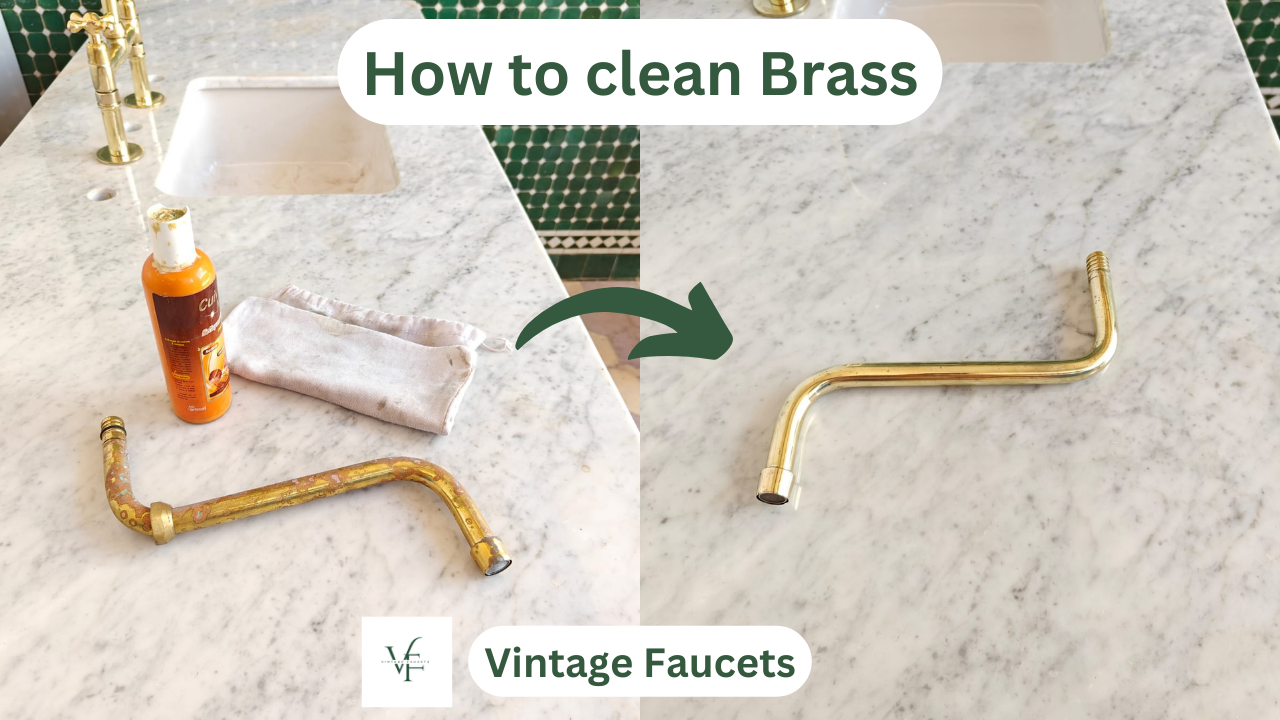
Credit: vintage-faucets.com
Frequently Asked Questions
What Is The Safest Way To Clean A Brass Faucet?
The safest way is to use a soft cloth and warm, soapy water. Avoid harsh chemicals and always dry the faucet after cleaning. For unlacquered brass, natural cleaners like lemon and baking soda are safe.
How Do I Know If My Faucet Is Real Brass Or Just Plated?
Test with a magnet—real brass is not magnetic, but steel underneath brass plating will attract a magnet. Also, real brass is heavier and more expensive. For more details, see this Wikipedia article on brass.
Can I Use Vinegar To Clean All Brass Faucets?
No, only use vinegar on unlacquered brass. Vinegar can strip the protective coating on lacquered brass and cause damage. Always check your faucet’s finish first.
What Should I Do If My Faucet Turns Green?
Green spots are usually from oxidation. For unlacquered brass, clean with lemon and salt or vinegar and baking soda. For lacquered brass, stick to gentle soap and water, and avoid acidic cleaners.
Is It Safe To Use Commercial Brass Polish?
Yes, but only on unlacquered brass. Follow the instructions, wear gloves, and ventilate the area. Always test on a small spot first to avoid unwanted reactions.
Brass faucets reward a little extra care with long-lasting beauty. By understanding the right cleaning methods and avoiding common mistakes, you can keep your faucet bright and elegant—making your kitchen or bathroom a place you’re proud to show. Regular cleaning, gentle products, and a few simple habits will help your brass faucet shine for many years.