
Keeping your blow dryer clean is not just about appearance—it’s about safety, performance, and the health of your hair. Many people use their blow dryer daily, but only a few stop to think about the dust, lint, and product buildup that collect inside and outside the device. Over time, this buildup can lead to overheating, bad smells, and even shorten the lifespan of your blow dryer. A well-maintained dryer works better, dries faster, and gives you smoother results. Plus, it’s safer for you and your family.
Cleaning a blow dryer might seem simple, but there are hidden areas most people miss. If you’ve ever noticed your dryer getting too hot, making strange noises, or smelling burnt, dirt and debris are likely the cause. With the right steps and a little care, you can keep your blow dryer running like new for years.
This guide will give you everything you need to know, from the tools required to step-by-step instructions, expert tips, and answers to common questions. Let’s get started on making your blow dryer both clean and safe.
Why Cleaning Your Blow Dryer Matters
You may think a blow dryer is a simple tool, but it has sensitive parts that need care. When dust and hair block the air vents, the motor works harder and can overheat. This can cut the life of your dryer in half or even cause a fire hazard. In fact, the National Fire Protection Association reports that small appliances like blow dryers are involved in thousands of home fires each year.
A dirty blow dryer also blows dust and bacteria onto your hair and scalp. That’s not just bad for your hair—it can also cause scalp irritation and even acne on your face and neck. By keeping your blow dryer clean, you ensure:
- Better airflow for faster drying
- Longer appliance life
- Healthier hair and scalp
- Lower risk of overheating or fire
Most people are surprised that a simple cleaning routine can make such a big difference.
Tools And Supplies Needed
Before you begin, gather the right supplies. Some of these items may be at home already:
- Small screwdriver (usually Phillips head)
- Soft brush (an old toothbrush works well)
- Vacuum with brush attachment
- Cotton swabs
- Microfiber cloth
- Mild dish soap
- Rubbing alcohol (isopropyl alcohol)
- Compressed air (optional but helpful)
- Tweezers (for stubborn lint)
- Bowl of warm water
Having these tools ready will help you clean every part of your blow dryer without causing damage.

Credit: www.wikihow.com
Preparing To Clean Your Blow Dryer
Safety comes first. Always unplug the blow dryer before cleaning. Never try to clean the dryer while it’s plugged in, even if it’s turned off. Water and electricity are a dangerous mix.
Make sure your blow dryer is completely cool before starting. If you’ve used it recently, wait at least 30 minutes. Work in a well-lit area, so you can see all the dust and dirt.
Lay a towel or old cloth on your work surface. This will catch any loose debris and protect the dryer from scratches.
Step-by-step Cleaning Guide
Cleaning a blow dryer is not just about wiping the outside. Let’s break down each part and how to clean it properly.
1. Remove And Clean The Air Filter
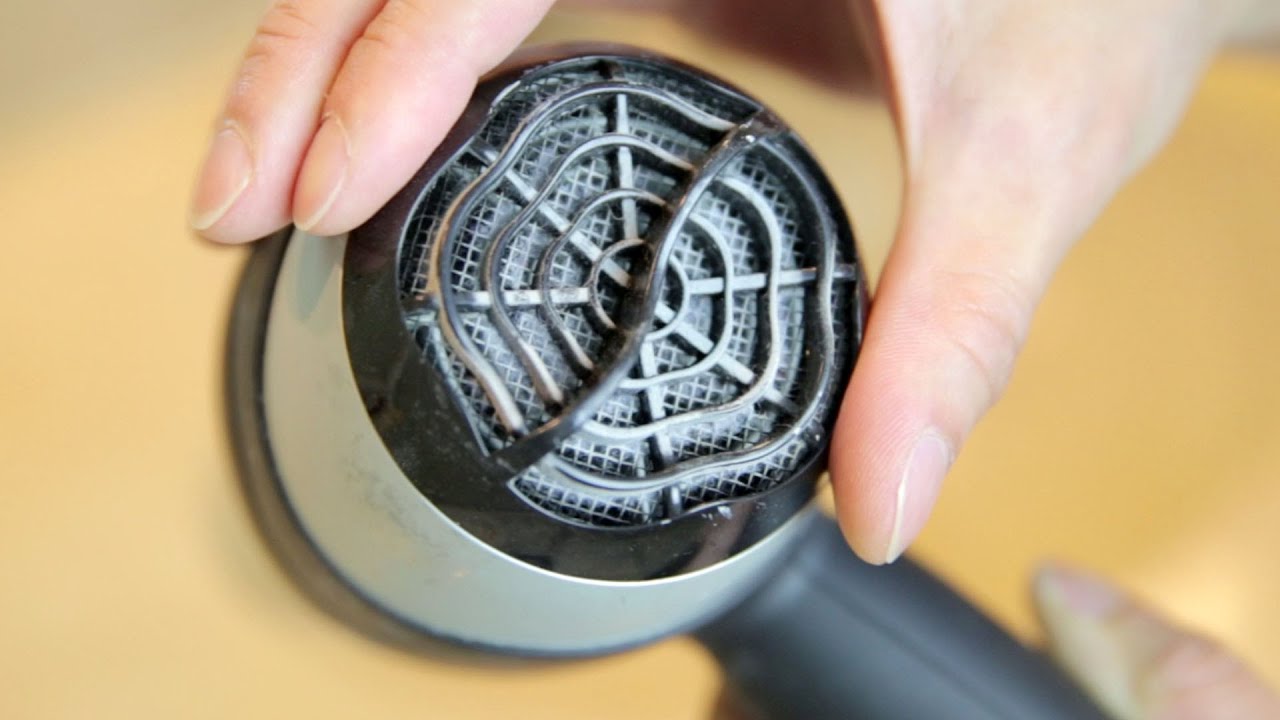
Most blow dryers have a removable air filter or vent at the back. This is the most important part to clean.
- Locate the air filter at the back or bottom of the dryer.
- Twist or slide it off (check your manual if unsure).
- Use a soft brush or vacuum to remove dust and lint. Be gentle, as the mesh can tear.
- If the filter is very dirty, wash it with mild soap and warm water. Rinse well.
- Let the filter dry completely before putting it back.
Insight: Many people forget to let the filter dry 100%. Even slight moisture can cause mold or damage the motor.
2. Clean The Air Intake And Grille
After removing the filter, look inside the air intake. You may see more lint or hair stuck inside.
- Use compressed air to blow out debris. Short bursts work best.
- If you don’t have compressed air, use a brush or vacuum nozzle.
- For stubborn lint, use tweezers carefully.
Tip: Never poke sharp objects into the intake. This can damage the fan or motor.
3. Wipe Down The Exterior
The outside of your blow dryer collects product residue from sprays and oils.
- Dampen a microfiber cloth with a mix of water and mild soap.
- Wipe the entire body, focusing on the handle and buttons.
- For sticky spots, use a cotton swab dipped in rubbing alcohol.
- Avoid getting water inside the device.
Real-world example: Salon workers often use alcohol wipes to keep their tools hygienic and free from sticky hair products.
4. Clean The Nozzle And Attachments
Detachable nozzles and diffusers collect dust and styling product.
- Remove all attachments.
- Wash them in warm, soapy water.
- Rinse and dry thoroughly before reattaching.
Tip: Don’t forget to clean inside the attachment ports, where dust can hide.
5. Check The Power Cord
A damaged power cord is a common safety risk.
- Wipe the cord with a damp cloth.
- Check for cracks, cuts, or fraying.
- If you see damage, stop using the dryer and replace the cord or the whole unit.
6. Clean The Heating Element (if Accessible)
Some models let you gently clean the visible heating coil with a brush. Do this only if you can see the coil and it’s easy to reach.
- Use a dry brush to remove dust. Never use water near electrical parts.
- Do not force tools into tight spaces.
7. Final Reassembly And Test
When all parts are dry, put everything back in place:
- Attach the clean air filter.
- Reattach all nozzles.
- Plug in the dryer and run it for a minute. Listen for smooth airflow.
If you notice strange noises or smells, repeat the cleaning or consult a professional.
How Often Should You Clean Your Blow Dryer?
How often you clean your blow dryer depends on how often you use it and your environment. For most people:
- Every 2 weeks: Clean the filter and vents if you use it daily.
- Once a month: For occasional use.
- More often: If you have pets, thick hair, or use lots of hair products.
Non-obvious insight: City apartments with more dust in the air, or homes with pets, often need more frequent cleaning.
Common Mistakes To Avoid
Many people make small mistakes that can damage their blow dryer or leave it less clean than they think.
- Not unplugging first: This can cause electric shock.
- Using too much water: Water inside the motor is dangerous.
- Forgetting to dry parts: Moisture can cause rust or mold.
- Forcing sharp tools inside: This can break the fan or heating coil.
- Ignoring the cord: Damaged cords are a fire risk.
- Skipping attachments: Nozzles and diffusers get dirty too.
Remember, gentle cleaning is better than aggressive scrubbing.
Deep Cleaning Vs. Quick Cleaning
Not every cleaning session needs to be deep. Here’s a comparison to help you decide which is right for you:
| Aspect | Quick Cleaning | Deep Cleaning |
|---|---|---|
| Time Needed | 5 minutes | 20-30 minutes |
| How Often | Weekly | Monthly or as needed |
| What’s Included | Wipe exterior, clean filter | Disassemble, clean all parts, inspect cord |
| Benefits | Prevents buildup, quick refresh | Removes deep dirt, extends dryer life |
Tip: A mix of both keeps your dryer in top shape.
How To Clean Blow Dryer For Specific Hair Types
People with different hair types use different products, which can affect how dirty the dryer gets.
For Curly Or Textured Hair
Curly hair often needs more products like creams and oils, which can build up on the dryer and diffuser.
- Clean the diffuser every week.
- Use alcohol wipes for sticky residue.
For Fine Or Straight Hair
Less product may mean less buildup, but fine hair can clog the filter.
- Check the filter for hair every week.
- Use a vacuum for loose strands.
For Colored Or Treated Hair
Sprays and treatments may leave residue.
- Clean exterior and attachments often.
- Look for white or chalky spots that signal product buildup.

Credit: www.hairromance.com
Professional Tips For Long-term Care
Hair stylists and salon owners have valuable tricks for keeping blow dryers in great condition:
- Rotate two dryers if you use them often. This lets one cool while the other works.
- Store your dryer in a dry place—never in the bathroom, where moisture leads to mold.
- Use a heat-resistant mat to protect both the dryer and your countertop.
- Schedule a “deep clean day” once a month to check all your tools.
Insider insight: Some high-end salons keep a cleaning log for each tool to track maintenance. This helps spot problems early.
Signs Your Blow Dryer Needs Cleaning Or Replacement
Some warning signs suggest it’s time for a cleaning—or even a new dryer.
- The dryer is overheating or shutting off suddenly.
- You notice a burning smell.
- The airflow is weak, even on high settings.
- The dryer makes strange noises.
- You see dust or lint blowing from the vents.
- The cord is damaged.
If cleaning doesn’t fix these issues, it may be time to replace your dryer.
Choosing A Blow Dryer That’s Easy To Clean
Not all blow dryers are designed with cleaning in mind. When buying a new one, look for features that make maintenance simple.
| Feature | Why It Matters |
|---|---|
| Removable filter | Easier to clean out dust and lint |
| Simple attachments | Quick to wash and dry |
| Ceramic or tourmaline parts | Less product sticks to them |
| Sturdy cord | Safer and lasts longer |
Tip: Read user reviews to see if people mention easy cleaning.
Environmental Impact Of Cleaning And Maintenance
Many people don’t realize that regular cleaning helps the environment. A blow dryer that works efficiently uses less energy, so your electricity bill goes down. Plus, a well-maintained dryer lasts longer—meaning fewer end up in landfills.
If you need to replace your blow dryer, look for recycling programs. Some brands accept old hair tools for proper disposal.
When To Call A Professional
Sometimes, a blow dryer is too dirty or damaged to clean at home. If you see melted plastic, smell burning, or find the motor is not working, contact a repair shop or the manufacturer. Never try to open the main body of the dryer if you’re not sure what you’re doing—this can void the warranty or cause injury.
Cleaning Blow Dryers In Salons And Shared Spaces
In salons, dorms, or shared bathrooms, blow dryers see heavy use. Cleaning them is even more important.
- Assign one person to check and clean dryers each week.
- Use disposable wipes for quick cleaning between users.
- Mark the last cleaning date with a sticker or tag.
Insight: Shared dryers can spread germs and lice if not cleaned often.
Diy Cleaning Solutions
If you prefer natural cleaning products, you can use:
- White vinegar and water (1: 1 mix) for sticky spots
- Baking soda paste (for stubborn stains on attachments)
Always wipe off any residue and make sure parts are dry before reassembling.
Troubleshooting: Common Cleaning Problems
Sometimes cleaning doesn’t go as planned. Here’s what to do if you run into trouble:
- Filter stuck: Use a little warm water around the edge, then twist gently.
- Lint won’t come out: Try compressed air or a vacuum on “reverse” to blow dust out.
- Attachments smell: Soak them in a vinegar and water mix for 15 minutes, then rinse well.
If the dryer still smells burnt, it may have internal damage.
Credit: www.youtube.com
Safety Reminders
- Never submerge the blow dryer in water.
- Don’t use harsh chemicals like bleach—they can damage plastic and metal.
- Always let all parts dry fully before using the dryer again.
- Store your dryer in a cool, dry place.
Fact: According to the U.S. Consumer Product Safety Commission, electrical appliances should be checked for damage every few months for safety.
How A Clean Blow Dryer Helps Your Hair
A clean blow dryer dries faster and more evenly. This prevents hot spots that can burn your hair or scalp. Less buildup means your styling products work better, and your hair stays shinier and smoother.
In the long run, keeping your blow dryer clean is one of the easiest ways to protect both your hair and your investment.
Frequently Asked Questions
How Do I Clean A Blow Dryer Without Taking It Apart?
You can clean the filter and exterior without full disassembly. Remove the filter, brush away dust, and use a vacuum or compressed air to clear the intake. Wipe the outside with a damp cloth. For deeper cleaning, some models require partial disassembly, but regular surface cleaning is usually enough for most users.
Can I Wash The Air Filter With Water?
Yes, most removable air filters can be washed with mild soap and warm water. Make sure to let the filter dry completely before putting it back. If your filter is made of paper or a delicate material, check the manual or use only dry brushing.
What Should I Do If My Blow Dryer Smells Burnt?
First, unplug and let it cool. Clean the filter and intake, as lint can cause overheating and smells. If the smell continues after cleaning, the motor or heating coil may be damaged. In that case, stop using the dryer and consult a professional or consider replacing it.
How Often Should I Replace My Blow Dryer?
Most blow dryers last 3–5 years with regular cleaning. If yours overheats, smells burnt, or loses power, it’s time to replace it—even if it’s less than 5 years old. Modern dryers are safer and more efficient, so upgrading can be a good investment.
Where Can I Find More Information About Hair Dryer Safety?
For more details, you can visit the National Fire Protection Association, which offers tips on preventing electrical fires at home.
Keeping your blow dryer clean is a simple way to protect your hair, your wallet, and your home. With a few minutes of care each month, your blow dryer will work better and last longer—giving you smooth, healthy hair with every use.