
Rag rugs are colorful, practical, and full of character. They bring warmth and history to any room. Whether you have a family heirloom, a thrift store find, or a new handcrafted piece, a rag rug deserves special care. Cleaning a rag rug may seem tricky, especially if you worry about colors bleeding or threads unraveling.
But with the right approach, you can keep your rug looking bright and beautiful for years.
Many people think rag rugs are hard to clean. In reality, you can clean them at home, often without fancy tools or harsh chemicals. This guide will walk you through every step, from basic dusting to deep washing. You will learn how to choose the best cleaning method, avoid common mistakes, and keep your rug in top condition.
If you want your rag rug to last, it’s important to know what works and what doesn’t.
Let’s look at how to clean a rag rug—properly, safely, and with confidence.
Understanding Your Rag Rug
Before you start cleaning, it’s helpful to know what makes your rag rug unique. Rag rugs come in many forms, and not all are the same.
Types Of Rag Rugs
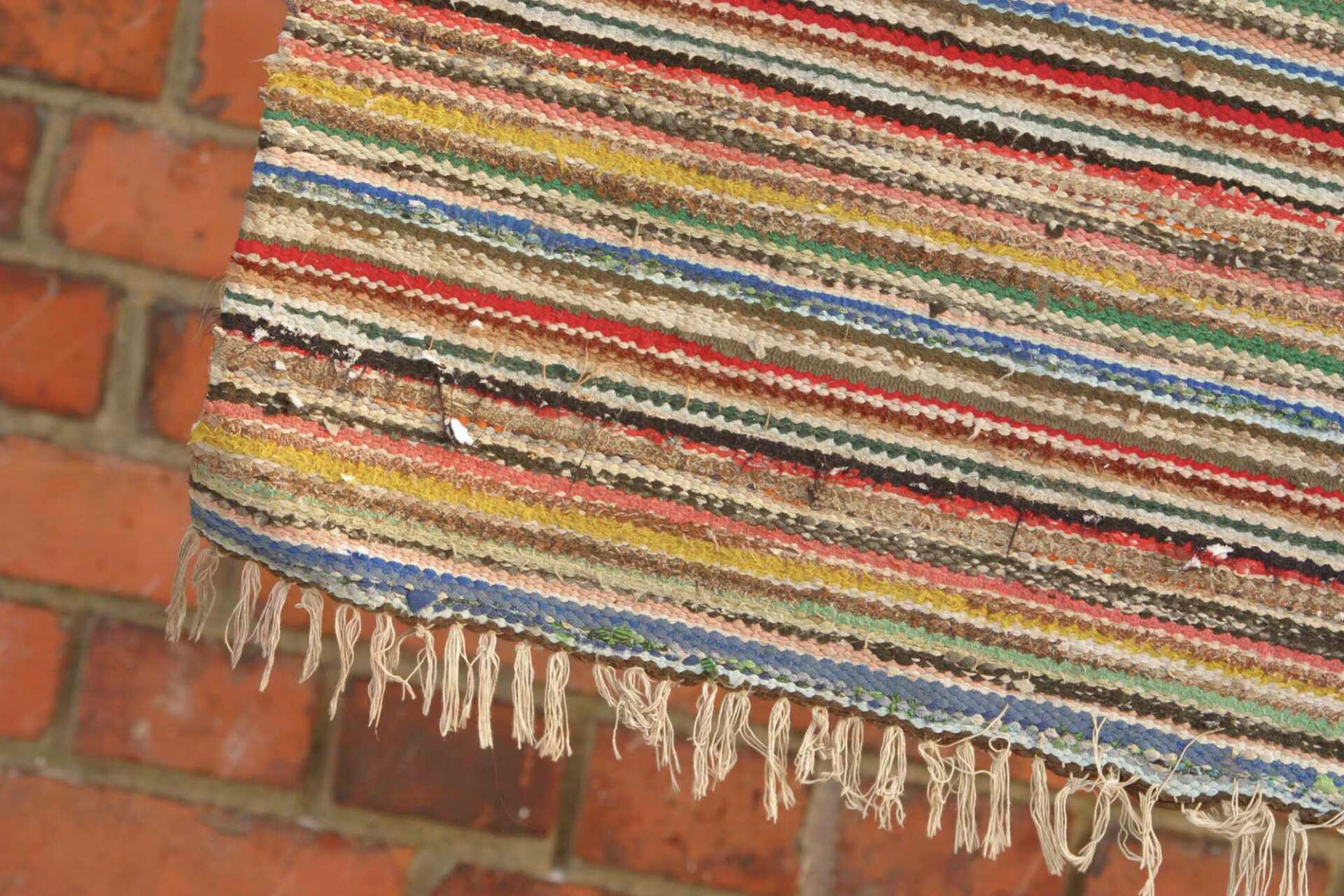
- Woven rag rugs – Made on a loom, these have tight, flat surfaces. They’re sturdy and often reversible.
- Braided rag rugs – Made by braiding long strips and sewing or weaving them together. They’re thick and can be oval or round.
- Knotted or crocheted rag rugs – Made by hand-knotting or crocheting fabric strips. They’re softer and may have more texture.
Each type reacts differently to water, soap, and movement. For example, woven rugs are usually tougher, while crocheted ones may stretch or lose shape if handled roughly.
Materials Used
Most rag rugs are made from cotton, wool, or blended fabrics. Cotton is the most common. Wool rag rugs are warmer and heavier, while synthetics may resist stains but could melt under high heat.
Tip for beginners: Always test a small corner before washing the whole rug. Some dyes may bleed, especially on older or handmade rugs.
Checking For Labels
Many modern rag rugs have a care label. Look for:
- Washing instructions
- Water temperature
- Warnings about machine washing or drying
If your rug has no label, treat it gently and use the safest methods.
Preparing Your Rag Rug For Cleaning
Getting ready is half the battle. Some simple steps before cleaning can save you time and trouble.
Remove Loose Dirt And Debris
Start by shaking your rug outside. Hold it by the edges and give it a good flap. You’ll see dust, crumbs, and dirt fall away.
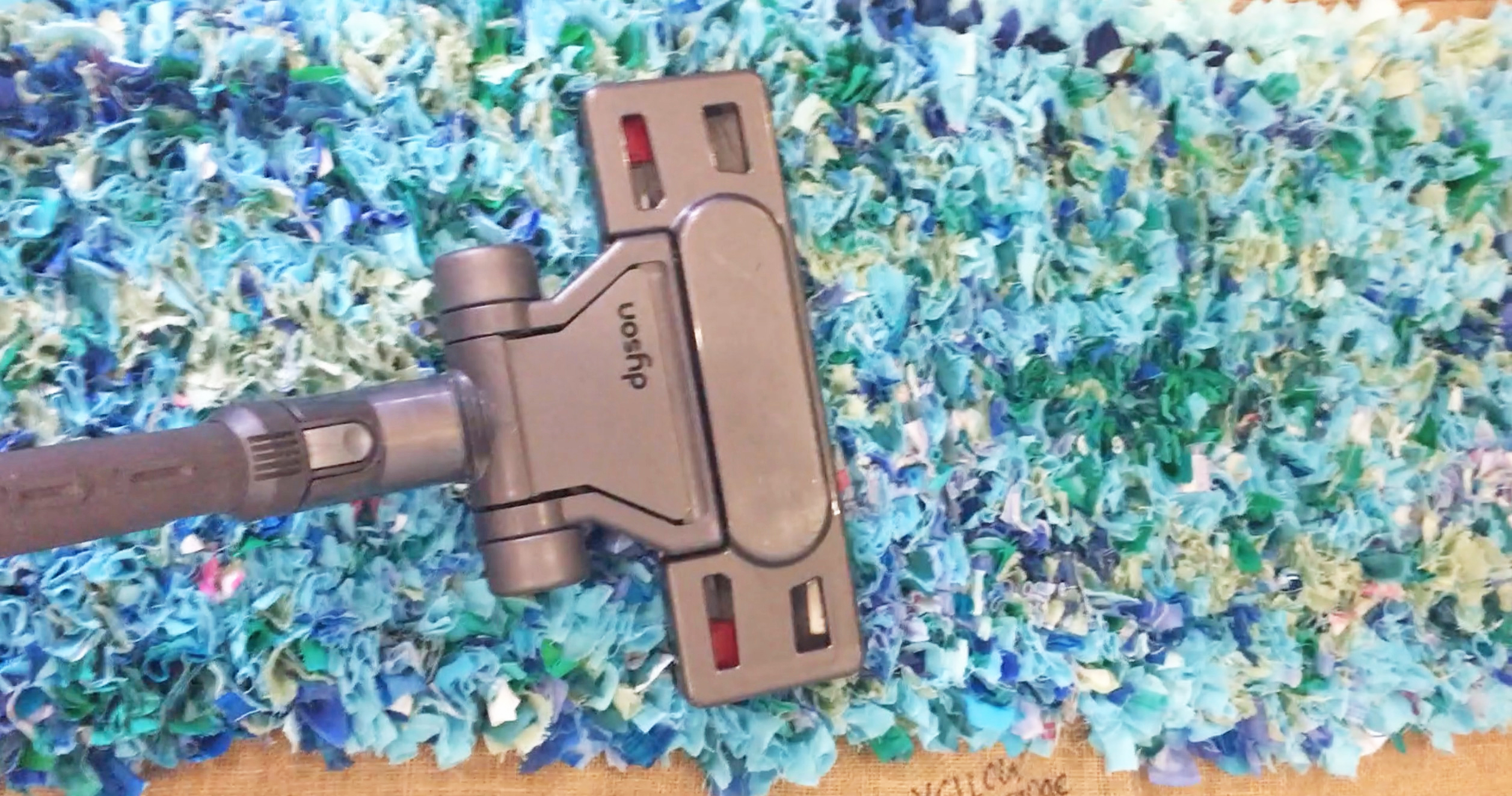
Next, vacuum both sides. Use a vacuum with a gentle suction setting. Avoid using a rotating brush if your rug is delicate or old, as it can catch and pull threads.
Check For Stains And Damage
Look for:
- Spills and stains (wine, coffee, mud)
- Loose threads or frayed edges
- Weak spots, tears, or holes
Fixing small problems now helps prevent bigger issues after washing. Sew any loose seams with a needle and thread. For stains, treat them before you wash the whole rug.
Test For Colorfastness
Wet a white cloth with water and press it on a small, hidden part of the rug. If the color comes off, your rug may bleed in the wash. In that case, stick to dry cleaning or spot cleaning.
Beginner’s insight: Don’t skip this test. Many rag rugs use recycled fabrics with unknown dyes.
Choosing The Right Cleaning Method
Not all cleaning methods work for every rag rug. Your choice depends on the rug’s material, size, age, and how dirty it is.
Here’s a comparison of the main cleaning methods:
| Method | Best For | Risks | Effort Level |
|---|---|---|---|
| Vacuuming | Regular maintenance, all types | Pulling threads (if brush is too strong) | Low |
| Spot cleaning | Small stains, delicate rugs | Stain spreading, color bleed | Medium |
| Hand washing | Most cotton/wool rugs | Shape distortion, slow drying | Medium |
| Machine washing | Small, sturdy rugs with label approval | Rug damage, color loss | Low |
| Dry cleaning | Vintage or valuable rugs | Chemical exposure, cost | Low (done by pros) |
If you’re unsure, start with the gentlest method.
Regular Cleaning: Dust And Dirt Removal
Keeping your rag rug clean starts with regular care. This simple routine prevents dirt buildup and extends your rug’s life.
Shaking The Rug
Take your rug outside and shake it well. Do this every week if possible. For large rugs, hang them over a railing or clothesline and beat gently with a broom.
Vacuuming
Vacuum both sides. Use low suction and avoid high-powered brushes. Move slowly and let the vacuum do the work.
Pro tip: Flip the rug and vacuum the floor underneath. Dust can build up between the rug and floor.
Sweeping
For smaller rag rugs, use a soft broom to sweep off dust and crumbs. This is useful if your vacuum is too strong.
Sunlight Freshening
Hang your rug in the sun for 1–2 hours. Sunlight kills bacteria and removes odors. Don’t leave it out all day, as sunlight can fade colors.
Spot Cleaning Stains
Spills happen. The faster you act, the better your chance of removing the stain.
How To Spot Clean
- Blot up the spill with a clean, dry cloth. Don’t rub, as this can push the stain deeper.
- Mix a small amount of mild detergent with cool water.
- Dip a clean cloth into the soapy water and dab the stain gently.
- Rinse with a cloth dampened in plain water.
- Blot dry with a towel.
Never soak the rug when spot cleaning. Too much water can cause colors to bleed or the rug to lose shape.
Tough Stains
For sticky stains (like gum or wax), harden with ice, then gently scrape off with a spoon.
For greasy stains, sprinkle baking soda on the spot, wait 10 minutes, and vacuum. Then, spot clean as above.
Stain Removal Products
Avoid strong stain removers, bleach, or ammonia. These can weaken fibers or remove color.
Beginner’s mistake: Using hot water on a stain often sets it, making it permanent.
Deep Cleaning By Hand
Hand washing is safest for most rag rugs, especially if they’re old, handmade, or have no care label.
Supplies Needed
- Large basin, bathtub, or clean floor space
- Mild liquid detergent (no bleach, no strong scents)
- Soft-bristle brush or sponge
- Towels
Step-by-step Hand Washing
- Fill the basin or tub with cool or lukewarm water.
- Add a small amount of mild detergent. Mix until suds form.
- Place the rug in water. Press down gently so it gets wet.
- Use your hands or a soft brush to scrub dirty areas. Don’t twist or wring the rug.
- Let the rug soak for 10–15 minutes if it’s very dirty.
- Drain the soapy water.
- Rinse the rug with clean, cool water until all soap is gone. You may need to refill the tub several times.
- Press out excess water by rolling the rug in towels. Don’t twist.
- Lay the rug flat to dry. Turn it over after several hours to dry both sides.
Drying Tips
- Always dry rag rugs flat to keep their shape.
- Avoid hanging heavy wet rugs, as this can stretch them.
- Use fans to speed up drying indoors.
Common Mistakes
- Using hot water: This can shrink or fade the rug.
- Scrubbing too hard: This can loosen threads.
- Skipping rinsing: Leftover soap attracts dirt.
Credit: www.weekand.com
Machine Washing Rag Rugs
Some small rag rugs can go in the washing machine. This is fast and easy, but not all rugs can handle it.
Is Machine Washing Safe?
Check:
- The care label (look for “machine washable”)
- Rug size (must fit loosely in the drum)
- Condition (no loose threads or holes)
If you’re unsure, hand wash instead.
Machine Washing Steps
- Shake out dirt and vacuum both sides.
- Put the rug in a mesh laundry bag if possible.
- Wash with cold water on a gentle cycle.
- Use a small amount of mild detergent.
- Do not use bleach or fabric softener.
- After washing, remove promptly and reshape.
Drying: Never put a rag rug in the dryer. Heat can shrink or melt fibers. Lay flat to air dry.
Comparing Hand Vs. Machine Washing
Here’s a quick look at both methods:
| Feature | Hand Washing | Machine Washing |
|---|---|---|
| Best for | Delicate, vintage, handmade rugs | Sturdy, small, labeled rugs |
| Risk of damage | Low | Medium–high |
| Effort | Medium | Low |
| Drying time | Slow | Fast (with spinner only) |
Insider tip: Even if your rug is machine washable, use the gentlest setting and cold water.
Dry Cleaning Rag Rugs
Some rag rugs are too delicate or valuable to wash at home. For these, professional dry cleaning is safest.
When To Use Dry Cleaning
- Antique or heirloom rugs
- Rugs with unstable dyes
- Large rugs you can’t handle at home
What To Expect
Dry cleaners use special chemicals and machines to clean without water. Always choose a cleaner experienced with rugs.
Note: Dry cleaning is more expensive and involves chemicals. It’s not needed for most modern or sturdy rag rugs.

Credit: ruralurbanite.com
Drying And Aftercare
Drying is as important as washing. The wrong method can ruin your rug.
How To Dry A Rag Rug
- Lay the rug flat on a clean, dry surface (indoors or outdoors in shade).
- Flip the rug after a few hours to speed up drying.
- If drying indoors, open windows or use fans.
- Never hang a wet rug by the ends; it will stretch and lose shape.
Storing Rag Rugs
If you need to store your rug:
- Roll, don’t fold. Folding causes creases and weak spots.
- Wrap in a cotton sheet (not plastic) to let it breathe.
- Store in a cool, dry place, away from sunlight and pests.
Regular Maintenance
- Vacuum weekly.
- Rotate the rug every few months to even out wear.
- Check for loose threads and fix them right away.
Special Cases: Old, Delicate, Or Valuable Rag Rugs
Older rag rugs need extra care. They may be made from rare fabrics or with fragile stitching.
Cleaning Vintage Rag Rugs
- Avoid water if you’re unsure about colorfastness.
- Use gentle vacuuming and spot cleaning only.
- Consult a textile conservator for valuable pieces.
Dealing With Odors
If an old rug smells musty, sprinkle baking soda over it. Let it sit for a few hours, then vacuum.
Preventing Damage
- Don’t expose to direct sunlight for long periods.
- Keep away from pets that may chew or scratch.
Hidden risk: Moths can eat cotton and wool rugs. Inspect regularly and use natural repellents like cedar.
How To Handle Color Bleeding
Color bleeding is a common worry with rag rugs, especially handmade or bright ones.
Why Does Color Bleed Happen?
- Unstable dyes used in older fabrics
- Washing with hot water
- Using strong detergents
Prevention
- Test colorfastness before washing.
- Wash in cold water.
- Add a cup of white vinegar to the rinse cycle to help set colors.
Fixing Color Bleeds
If you notice color bleeding:
- Rinse the rug in cold water right away.
- Do not let the rug dry before fixing the bleed.
- Use a color-catcher sheet if re-washing in a machine.
If the problem is severe, professional help may be needed.
Eco-friendly Cleaning Tips
You don’t need harsh chemicals to clean a rag rug well.
Natural Cleaning Solutions
- White vinegar: Mix with water for deodorizing and color setting.
- Baking soda: Removes odors and mild stains.
- Mild soap: Gentle on fabrics and skin.
Saving Water And Energy
- Only wash when needed. Over-washing wears out the rug.
- Air dry instead of using a dryer.
- Use leftover bathwater for soaking (if not too dirty).
Beginner’s insight: Over-cleaning does not make a rug last longer. Gentle care is best.
When To Replace A Rag Rug
Even with perfect care, all rugs wear out. Look for signs like:
- Large holes or tears
- Threads coming loose all over
- Faded, brittle fabric
If your rug is beyond repair, consider repurposing it as a mat, wall hanging, or even a pet bed.
Troubleshooting Common Problems
Even careful cleaning can sometimes go wrong. Here’s how to fix common issues.
Shrinking
- Happens with hot water or drying in heat.
- Solution: Stretch the rug gently while damp and lay flat to dry.
Fading
- Caused by sunlight or strong detergent.
- Solution: Keep out of direct sun, use mild soap only.
Warping Or Misshaping
- Results from improper drying (hanging wet rug).
- Solution: Wet the rug lightly and reshape on a flat surface.
Persistent Odors
- Try sprinkling with baking soda and leaving overnight.
- For deep odors, soak in vinegar-water mix before rinsing.
Loose Threads
- Clip loose threads with scissors. Don’t pull.
- For larger issues, sew with matching thread.
Tips For Keeping Rag Rugs Clean Longer
- Place doormats at entrances to reduce tracked-in dirt.
- Take off shoes before walking on the rug.
- Rotate rugs every few months to prevent uneven wear.
- Spot clean spills immediately.
- Use rug pads underneath to reduce friction and slipping.
- Keep pets’ nails trimmed to avoid snags.
Insider tip: Choose darker-colored rag rugs for high-traffic areas. They show less dirt and stains.
Frequently Asked Questions
How Often Should I Clean My Rag Rug?
Vacuum or shake your rag rug weekly. Deep clean with water every 6–12 months, or sooner if it’s in a busy area or has spills.
Can I Put My Rag Rug In The Dryer?
No. Dryers can shrink, melt, or damage rag rugs. Always air dry your rug flat on a clean surface.
What Detergent Is Safe For Rag Rugs?
Use a mild, fragrance-free liquid detergent. Avoid bleach, strong stain removers, or fabric softeners. These can damage fibers and fade colors.
How Do I Remove Pet Hair From A Rag Rug?
Vacuum with a brush attachment, or use a rubber broom. For stubborn hair, dampen a sponge and wipe in one direction to lift hair.
Where Can I Find More Information About Caring For Different Types Of Rugs?
You can read more on the Wikipedia page on rug cleaning for in-depth details and history.
Caring for a rag rug is not complicated, but it does require attention to detail. With regular maintenance, gentle cleaning, and quick action on spills, your rag rug will remain a beautiful and functional part of your home for years.
Pay attention to the specific needs of your rug, and don’t rush the process. A little care goes a long way—your rag rug will thank you.
Credit: raggedlifeblog.com