
Finding the right mattress protector might seem simple, but it can be confusing with so many choices. A mattress protector does much more than just cover your bed. It helps keep your mattress clean, protects it from spills, dust mites, and allergens, and can even improve your sleep experience.
If you’re buying a mattress protector for the first time, you might wonder what features matter, which materials are best, and how to make sure your investment is worthwhile.
Many people choose the cheapest option without thinking about their needs. Others buy expensive protectors with features they may never use. The right mattress protector depends on your lifestyle, health needs, and mattress type. This guide will help you understand all the factors, compare options, and avoid common mistakes.
By the end, you’ll know exactly how to choose a mattress protector that fits your bed, your habits, and your budget—without wasting money or sacrificing comfort.
Why Mattress Protectors Matter
Mattress protectors are not just accessories. They play an important role in keeping your bed healthy and lasting longer. A good protector stops stains from drinks or accidents, blocks dust mites that can cause allergies, and keeps away sweat and body oils that can ruin your mattress. Some studies show that a clean mattress can last up to twice as long as an unprotected one.
Besides hygiene, protectors can add extra comfort or cooling, help with temperature control, and even give peace of mind if you have kids or pets. Insurance for your mattress is a smart move, especially since mattresses are expensive and warranties often require a protector.
Types Of Mattress Protectors
There are several types of mattress protectors, each designed for different needs. Understanding the main styles helps you decide what works best for your situation.
Fitted Sheet Style
This style fits over the mattress like a standard bedsheet, with elastic edges that hold it in place. It’s easy to remove and wash, making it popular for most households. It usually covers the top and sides but not the bottom.
Encasement Style
Encasement protectors cover the entire mattress, zipping up all around. They are the top choice for bed bug protection or for people with severe allergies. They can be harder to remove and put back on but offer full 360-degree coverage.
Strap Or Anchor Style
These have straps that go over the corners of your mattress. They are quick to install and remove but do not protect the sides or bottom. They are suitable if you only need basic protection for the sleeping surface.
Pad Style
A mattress pad offers some protection but also adds cushioning. Some pads are quilted and can make your bed softer or warmer. However, not all pads are waterproof or allergen-proof.
Specialized Protectors
Some protectors are made for specific needs, like waterproof protectors for kids, cooling protectors for hot sleepers, or hypoallergenic protectors for people with asthma.

Credit: scooms.com
Key Factors When Choosing A Mattress Protector
Choosing a mattress protector is not just about picking a size. You need to think about several features that will affect your comfort and the life of your mattress.
1. Material
The material affects comfort, breathability, noise, and protection level. Here are the most common materials:
- Cotton: Breathable, natural, and soft. Often used for comfort-focused protectors.
- Polyester: Durable, affordable, and often used in blends for waterproof layers.
- Terry Cloth: Absorbent and soft, often combined with waterproof backing.
- Vinyl/PVC: Waterproof but can be noisy and less breathable. Not ideal for comfort.
- Bamboo: Naturally hypoallergenic and cooling. Good for sensitive skin.
Some protectors combine materials for the best of both worlds, like a cotton surface with a polyurethane backing for quiet waterproofing.
2. Waterproofing
Not all protectors are waterproof. Decide if you need this feature based on your lifestyle:
- Essential for kids, pets, or people who sweat a lot.
- Good to have for expensive mattresses, rental properties, or guest beds.
- Optional for adults who do not have many spills or concerns.
Waterproofing is usually provided by a thin membrane. Look for terms like “polyurethane backing” instead of PVC, as it is quieter and more breathable.
3. Comfort And Breathability
Some protectors can make your bed feel hot or noisy. Cotton and bamboo are more breathable. Avoid vinyl if you are a hot sleeper. Check for “quiet protection” if you move a lot at night.
4. Hypoallergenic Features
If you have allergies or asthma, choose a protector labeled hypoallergenic. Encasement styles are best, as they block dust mites and pet dander from all sides. Bamboo and tightly woven cotton are also good for allergies.
5. Fit And Size
A mattress protector must match your mattress size (Twin, Full, Queen, King, etc.) and depth (thickness). Always check the packaging for the maximum pocket depth. Too small and it will pop off; too big and it will bunch up.
Here’s a quick comparison of standard US mattress sizes and recommended protector sizes:
| Mattress Size | Dimensions (inches) | Protector Size to Buy |
|---|---|---|
| Twin | 39 x 75 | Twin |
| Twin XL | 39 x 80 | Twin XL |
| Full | 54 x 75 | Full |
| Queen | 60 x 80 | Queen |
| King | 76 x 80 | King |
| California King | 72 x 84 | California King |
6. Ease Of Cleaning
Most protectors are machine washable. Check the care label for washing temperature and drying instructions. Some waterproof layers can be damaged by high heat.
7. Noise
Cheaper waterproof protectors can make a crinkling noise when you move. Choose products labeled “silent” or “quiet” for better sleep.
8. Durability
Look for reinforced seams, high-quality zippers (for encasements), and brands with good reviews. A protector should last several years with regular washing.
9. Warranty And Return Policy
A good warranty shows the brand stands behind its product. Some offer 5- to 10-year warranties. Make sure you can return the protector if it does not fit or feel right.
10. Price
Prices range from $15 to $100+. More expensive does not always mean better. Focus on features you need, not just the brand name.
Comparing Popular Mattress Protector Materials
To choose the best material, consider your main goal: comfort, allergy protection, or waterproofing. Here’s how the most common materials compare:
| Material | Breathability | Waterproofing | Noise Level | Hypoallergenic |
|---|---|---|---|---|
| Cotton | High | Low (unless backed) | Silent | Good |
| Polyester | Medium | Medium | Low | Average |
| Terry Cloth | Medium-High | High (if backed) | Low | Good |
| Vinyl/PVC | Low | Very High | High | Poor |
| Bamboo | Very High | Medium (if backed) | Silent | Very Good |
Common Mistakes When Choosing A Mattress Protector
Many buyers make small mistakes that can lead to discomfort or wasted money. Avoid these common errors:
- Choosing the wrong size: Always measure your mattress, including the depth. Mattress pads and toppers add height.
- Ignoring breathability: Waterproof does not mean hot. Polyurethane-backed protectors are more breathable than vinyl.
- Not reading care instructions: Some protectors shrink or lose waterproofing if washed incorrectly.
- Focusing only on price: Cheap protectors might tear or leak quickly, costing more in the long run.
- Not considering allergies: If you have asthma or pet allergies, pick a hypoallergenic encasement.
- Overlooking noise: If you move a lot, noisy protectors will disturb your sleep.
- Assuming all protectors are waterproof: Many mattress pads and basic covers only protect against dust, not spills.
- Not checking return policy: If the protector does not fit, you want an easy return.
- Ignoring warranty: A good warranty shows the company trusts its product.
- Buying based on brand alone: Focus on your needs and real reviews, not just the most famous brand.
Special Features To Consider
Some mattress protectors come with extra features. Decide which ones are helpful for you:
- Cooling technology: Gel-infused fibers or special fabrics help hot sleepers stay cool.
- Deep pocket design: Fits thicker mattresses or those with toppers.
- Anti-microbial treatment: Prevents bacteria and odors.
- Stain-release fabric: Easier to clean, especially for kids and pets.
- Eco-friendly materials: Organic cotton or bamboo for those with sensitive skin or environmental concerns.
Who Needs A Mattress Protector Most?
Some people benefit more from using a mattress protector:
- Parents with young children: Accidents and spills are common.
- Pet owners: Protects against fur, dander, and accidents.
- Allergy sufferers: Keeps dust mites, pollen, and dander out.
- People with expensive mattresses: Protect your investment.
- Those with night sweats: Helps keep the mattress dry and fresh.
How To Check If A Protector Is Right For You
Before buying, ask these questions:
- Is it waterproof? If so, is the waterproofing quiet and breathable?
- Does it fit my mattress size and depth?
- Is it machine washable?
- Does it have good reviews for durability and comfort?
- Is it easy to return if it does not fit?
If you answer “yes” to all these, you are likely choosing a good product.
How To Test A Mattress Protector At Home
Once you buy a protector, test it before the return window closes:
- Place the protector on your mattress. Lie down and move around. Listen for noise.
- Pour a small amount of water (like a tablespoon) on the surface. It should not leak through.
- Wash and dry according to instructions. Check for shrinkage or damage.
- Sleep on it for a few nights. Notice if you feel hotter or if the protector shifts.
If it fails any test, return or exchange it.
Practical Tips For Getting The Most From Your Mattress Protector
- Wash your protector every 1-2 months, or more often for kids/pets.
- Use a gentle, non-bleach detergent. Bleach can damage waterproof backing.
- Dry on low heat or air-dry to keep the waterproof layer intact.
- Replace the protector if it tears, loses waterproofing, or becomes uncomfortable.
- Buy an extra protector to use while one is in the wash.
Real-world Examples And Insights
Many people do not realize that some mattress warranties are only valid if you use a protector. If your mattress is stained, most companies will refuse a warranty claim—even if the problem is not related to the stain. Also, dust mites can double every 10 days in an unprotected mattress, making allergies worse over time.
Some hotel chains change protectors every 6 months, even with daily washing, to keep beds fresh. If you have pets or kids, you might need to replace protectors more often. For hot sleepers, choosing a cooling protector can improve sleep quality—not just comfort, but actual rest.
One non-obvious insight: If you have a memory foam mattress, always pick a protector that is thin and breathable. Thick or plastic-feeling protectors can trap heat and make memory foam feel firmer and hotter.
Another tip: If you have a split king or adjustable bed, buy protectors designed for moving mattresses. Regular protectors can slip or tear as the bed moves.
How To Care For Your Mattress Protector
Proper care will extend the life of your protector and keep your mattress safe. Follow these steps:
- Wash before first use: This removes factory residues and softens the material.
- Wash regularly: Every 1-2 months is enough for most people.
- Check for damage: Small tears or loose seams can let moisture or dust in.
- Follow care labels: High heat or bleach can ruin waterproofing.
- Store properly: If you change protectors, keep extras in a dry, clean place.
How Mattress Protectors Compare To Mattress Pads And Toppers
Many people confuse these products. They have different purposes:
- Mattress protectors: Focus on protecting against liquids, dust, and allergens. Usually thin.
- Mattress pads: Add a little softness and some protection, but not always waterproof.
- Mattress toppers: Make the bed much softer or firmer. Usually not waterproof or allergen-proof.
Here’s a quick comparison:
| Product | Main Purpose | Protection Level | Comfort Change |
|---|---|---|---|
| Mattress Protector | Protection | High | Low |
| Mattress Pad | Softness + Some Protection | Medium | Medium |
| Mattress Topper | Change Feel | Low | High |
If you need both protection and comfort, you can use a protector over a pad or topper.
Where To Buy Mattress Protectors
Mattress protectors are sold in many places:
- Online retailers: Amazon, Walmart, Target, and specialty bedding stores. Offers the largest selection and reviews.
- Department stores: Macy’s, Kohl’s, JCPenney. You can feel materials before buying.
- Mattress stores: Sells protectors made for their mattresses, but sometimes pricier.
- Direct from brands: Some brands, like SafeRest or Luna, sell directly online with warranties.
Check for return policies and real customer reviews, not just ratings.
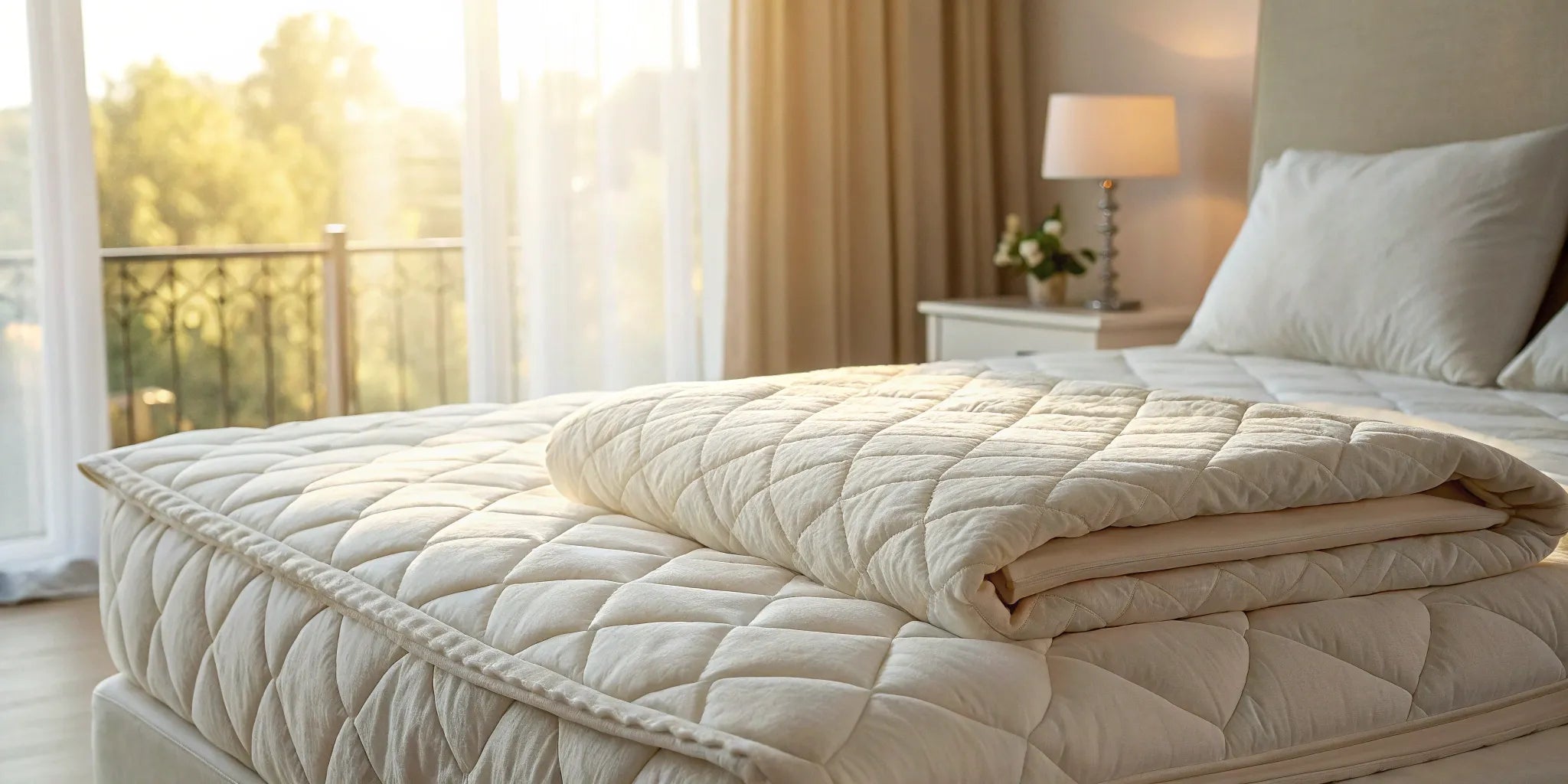
Credit: shopmattressondemand.com
Mattress Protector Warranties: What To Know
Not all warranties cover the same problems. Read the fine print. Some cover only defects, not normal wear. Others require proof you followed washing instructions. Keep your receipt and warranty card.
Some mattress warranties (for the mattress itself) are void if your mattress is stained, so keep the protector clean and in good shape.
Is A More Expensive Protector Always Better?
A higher price does not always mean better quality. Some expensive protectors pay for branding, not better materials. Focus on:
- Real waterproofing (polyurethane backing is better than vinyl)
- Good fit for your mattress
- Quiet and breathable materials
- Hypoallergenic features if needed
Budget protectors can work well if they have these features. Always read reviews for issues like shrinking, leaks, or noise.
Understanding Certifications And Safety
Some mattress protectors have certifications like:
- OEKO-TEX: Tested for harmful chemicals.
- GREENGUARD Gold: Low chemical emissions.
- CertiPUR-US: For foam layers (less common).
These are helpful if you have sensitive skin, allergies, or want to avoid chemicals. Not all protectors have or need these labels.
How Long Does A Mattress Protector Last?
Most protectors last 2 to 5 years with regular use and care. Signs you need a new one:
- It no longer blocks water
- Tears or holes
- Strong odors after washing
- Feels rough or uncomfortable
Buying a protector is much cheaper than replacing a mattress.
When To Replace Your Mattress Protector
Replace your protector if:
- You see leaks, even small ones
- Fabric feels thin or worn
- It does not fit your mattress after washing
- You change mattresses (new size or depth)
For kids or pets, you might need to replace protectors every year.
Mattress Protectors And Sleep Quality
A good protector should not change how your bed feels. The best protectors are thin, silent, and breathable. If you wake up hot, look for cooling features. If you feel the protector, it might be too thick or made from low-quality materials.
Credit: www.nanospace.store
Trusted Brands For Mattress Protectors
Some brands are known for quality and durability. Examples include:
- SafeRest
- Luna
- Protect-A-Bed
- Purple
- Linenspa
Check for reviews, warranty, and customer service.
For more research on mattress protector materials and features, see this resource: Wikipedia: Mattress protector.
Frequently Asked Questions
What Is The Difference Between A Mattress Protector And A Mattress Pad?
A mattress protector keeps your mattress safe from spills, dust, and allergens. It is usually thin and does not change the feel of your bed. A mattress pad adds softness and a little protection, but is not always waterproof.
How Often Should I Wash My Mattress Protector?
For most people, washing every 1-2 months is enough. If you have allergies, kids, or pets, wash more often. Always follow the care instructions to avoid damage.
Are All Mattress Protectors Waterproof?
No, not all protectors are waterproof. Some only protect against dust or allergens. If you want to guard against spills, choose one that says waterproof and check the material (polyurethane backing is best).
Can A Mattress Protector Help With Allergies?
Yes. A hypoallergenic or encasement protector blocks dust mites, pollen, and pet dander. This can reduce allergy symptoms, especially if washed often.
Will A Mattress Protector Make My Bed Feel Hot?
Some protectors, like those with vinyl, can trap heat. Choose cotton, bamboo, or protectors labeled as cooling for better breathability. Thin, high-quality protectors usually do not change the feel of your bed.
Choosing the right mattress protector makes a big difference in sleep quality, mattress life, and peace of mind. With the right features and care, your bed stays fresh, comfortable, and safe for years.