
Creating a balanced bedroom can be tricky when you only have one nightstand. You might feel your space looks unfinished or off-center. But with the right ideas and solutions, you can make your bedroom feel harmonious, stylish, and practical—even with just one nightstand.
Many people live in small apartments or share rooms, so it’s common to have uneven furniture. This article will help you solve that problem with real solutions, design tricks, and practical tips you can use right away.
You’ll learn how to style your bed, use alternative furniture, play with symmetry and color, and create a space that feels complete. Whether you have a tight budget, a small room, or just want a new look, these ideas will help you feel proud of your bedroom.
And you’ll pick up some design secrets that most beginners miss.
Why Only One Nightstand? Understanding The Situation
Sometimes, you only have one nightstand because of space limits, budget, or sharing a room. In small bedrooms, placing two large nightstands can make the space feel crowded. Maybe you live in a studio, or your bed is pushed against a wall.
Sometimes couples have different needs—one wants storage, the other wants more floor space.
Not every design problem needs a perfect pair. Single nightstands can actually be a smart choice. Many designers use them to create a unique look, especially in modern or minimalist rooms. So, instead of seeing it as a flaw, look at it as a chance to get creative.
The Importance Of Balance In Bedroom Design
Balance in bedroom design means your room feels even and comfortable. With furniture, balance is not only about symmetry but also about how your eyes move around the space. If one side of your bed has a nightstand and the other does not, your room can feel “tilted” or incomplete.
Visual weight is what your eyes notice first. A chunky nightstand on one side and nothing on the other draws attention and feels awkward. But with the right adjustments, you can create a room that feels harmonious—even if the pieces don’t match.
Smart Bed Placement For Balance
Before you add or style anything, think about your bed’s position. The bed is the largest piece in the room, and its placement affects everything else.
- Centered beds: If your bed is in the middle of the wall, balance is easier to achieve. The nightstand goes on one side; use décor or furniture for the other side.
- Against the wall: Sometimes, space is so tight the bed has to go in a corner. In this case, the nightstand is usually on the open side. Use wall art or hanging shelves to give the illusion of balance.
- Under windows: If your bed sits under a window, try to make the window and headboard work together as the “center” of the room.
Tip: Before you buy or move furniture, take a photo of your room from the doorway. It’s easier to spot balance problems in pictures than in real life.
Alternatives To A Traditional Nightstand
If you only have one nightstand, you can use other items to balance the room. These don’t need to match the nightstand exactly, but they should “feel” similar in size or purpose.
- Small accent table: A tiny table can hold a book or lamp, even if it’s not as large as the nightstand.
- Floating shelf: Wall-mounted shelves take up less space and provide a spot for your phone, glasses, or a small plant.
- Chair or stool: Place a sturdy chair or stool by the bed. It adds visual weight and gives you a place to stack books or set down a bag.
- Stacked books or boxes: A pile of hardcover books or decorative boxes can serve as a mini table. This is a trendy look in urban apartments.
- Basket: A woven basket for magazines or blankets adds texture and helps balance the look.
Non-obvious insight: You don’t need two identical pieces. Mixing materials—like a wood nightstand and a metal stool—can look more interesting than a matched set.

Credit: hirosarts.com
Using Lighting To Create Balance
Lighting is powerful in bedroom design. A bedside lamp on one side and nothing on the other feels unbalanced. Here’s how to fix it:
- Wall sconces: Install a sconce above the side without a nightstand. It gives light and adds height, making both sides look even.
- Pendant lights: Hang a pendant light from the ceiling on the empty side. This draws the eye up and adds style.
- Floor lamp: Place a slim floor lamp next to the bed’s “empty” side. It acts as a counterweight to the nightstand.
Example: If your nightstand has a table lamp, use a wall sconce on the other side. This keeps both sides lit but doesn’t use extra floor space.
Playing With Symmetry And Asymmetry
Many people think balance means everything must be perfectly symmetrical. That’s not true. Asymmetry can look modern and intentional if you do it right.
- Use a nightstand on one side, and a tall plant or artwork on the other.
- Place a basket and a floor lamp on the “empty” side to balance the nightstand.
- Use mismatched lamps, but keep them the same height for visual balance.
Practical tip: The key is to match “visual weight,” not just shape or color. If one side has a dark nightstand, a tall dark vase or bold artwork can balance the other side.
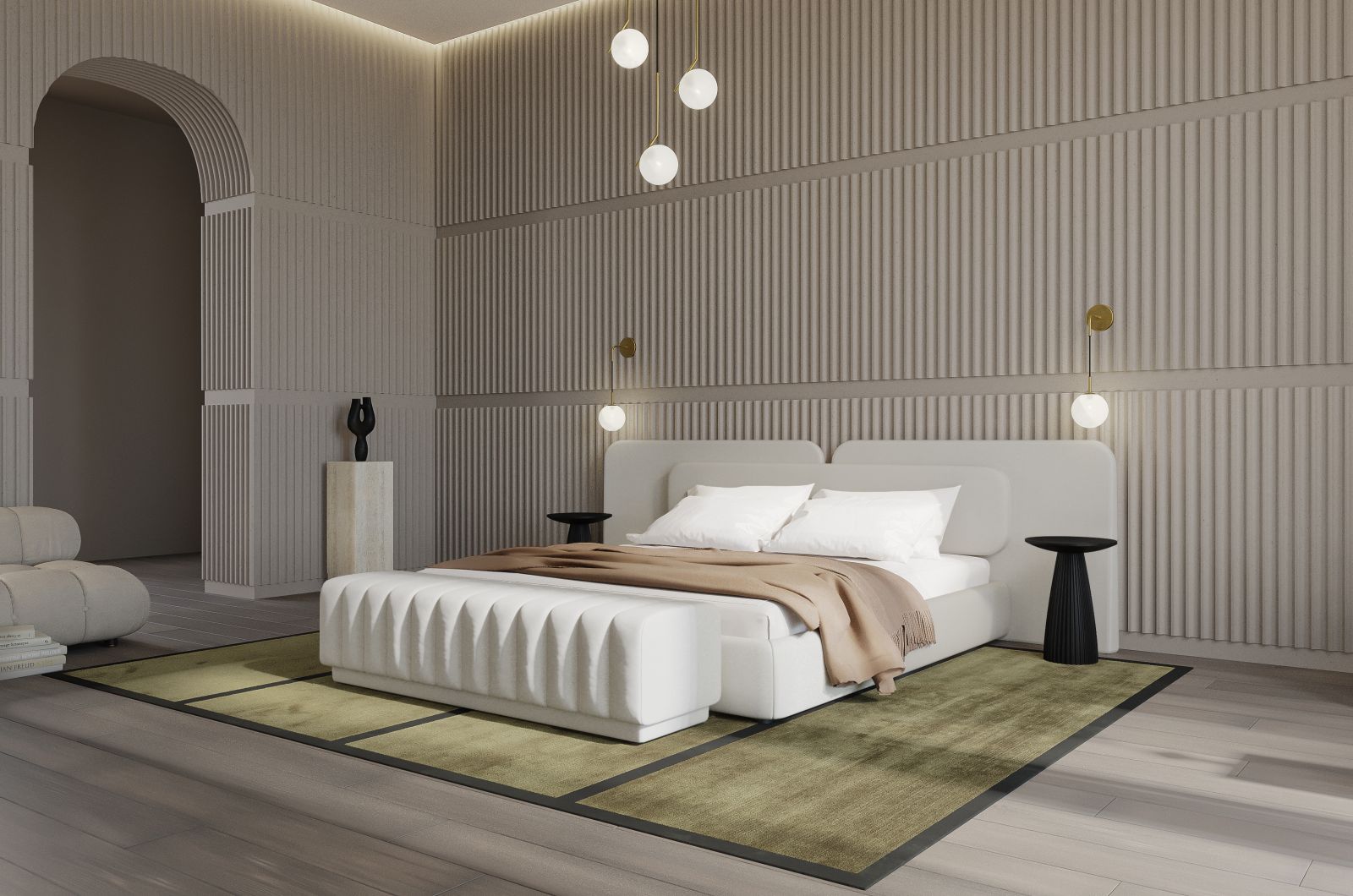
Credit: www.roveconcepts.com
Styling The Nightstand For Maximum Impact
With only one nightstand, you want it to look its best.
- Keep it clutter-free: Too many items make the room feel messy and highlight the imbalance.
- Use a tray: Corral small items in a tray to keep things tidy.
- Layer heights: Place a lamp, a stack of books, and a small plant or photo frame. This draws the eye and looks styled.
- Add color or texture: Use a bold lamp or vase to make the nightstand a focal point.
Non-obvious insight: Use a mirror behind the nightstand. Mirrors reflect light and make the corner feel larger and more balanced.
Creating Visual Interest On The “empty” Side
If you only have one nightstand, the other side of your bed needs something interesting to look at. Here are some ideas:
- Tall plant: A fiddle-leaf fig or snake plant gives height and life to the space.
- Art or photos: Hang a large piece of artwork or a gallery of small frames.
- Decorative ladder: Lean a wooden ladder against the wall to hang blankets or magazines.
- Sculpture or vase: Place a tall vase with branches for a modern touch.
Tip: Make sure your additions are not too bulky—leave space to get in and out of bed easily.
Using Color And Patterns For Balance
Color can change how a room feels even if the furniture isn’t symmetrical.
- Matching pillows: Use throw pillows in the same color on both sides of the bed.
- Accent wall: Paint the wall behind your bed a bold color to draw attention away from the nightstand.
- Rug placement: Center your rug under the bed, not the nightstand, to anchor the whole space.
Example: If your nightstand is dark wood, add a dark frame or artwork to the opposite wall. This tricks the eye into seeing balance.
Storage Solutions Without A Second Nightstand
Sometimes, you need the extra storage that a nightstand provides. Here are alternatives:
- Under-bed storage: Use rolling bins or baskets under your bed for extra blankets or books.
- Hanging pockets: Attach fabric pockets to the side of your bed for phones, glasses, or remotes.
- Headboard with storage: Some headboards have shelves or cubbies built in.
Insight: Most people forget about vertical space. Use wall-mounted organizers or hooks above the “empty” side for easy storage.
Bedrooms With Only One Nightstand: Real-life Examples
Looking at real rooms can inspire you. Here are three bedroom setups with only one nightstand, and how they solved the balance challenge.
| Room Type | Nightstand Side | Balancing Feature | Result |
|---|---|---|---|
| Small Studio | Left | Floating shelf on right, matching lamp | Clean, modern look |
| Shared Bedroom | Right | Tall plant on left, floor lamp | Cozy, lived-in feel |
| Guest Room | Left | Chair on right, art above chair | Artistic, creative vibe |
Mistakes To Avoid When Styling With One Nightstand
- Ignoring the empty side: Leaving one side totally blank makes the imbalance obvious.
- Overloading the nightstand: Too much stuff on one side makes the room feel crowded.
- Using mismatched heights: A tall nightstand with a low stool or nothing on the other side looks awkward.
- Choosing bulky alternatives: Oversized chairs or plants can block movement and make the room feel smaller.
- Forgetting lighting: One dark side and one bright side are visually uncomfortable.
Tip: Always step back and look at your room from the doorway. Does it feel even and welcoming? If not, adjust as needed.
How To Choose Accessories For A Balanced Look
Accessories are the finishing touch. Here’s how to pick the right ones:
- Go for pairs: Use matching or similar lamps, frames, or pillows to create a sense of connection.
- Layer textures: Mix soft (pillows, throws) with hard (lamps, trays) for interest.
- Keep colors simple: Stick to two or three main colors to avoid chaos.
Example: If your nightstand has a gold lamp, add a gold tray or vase on the other side.
Creating A Reading Nook As A Balancing Feature
One clever way to balance a single nightstand is to turn the other side of the bed into a mini reading nook.
- Add a comfortable chair: A small armchair or slipper chair fits most bedrooms.
- Use a side table or stack of books: This provides a spot for tea or reading glasses.
- Include a floor lamp or wall sconce: Good lighting is key for reading.
- Throw in a pillow or blanket: This makes the nook cozy and inviting.
Insight: A reading nook draws attention away from the missing nightstand and gives your bedroom a high-end, thoughtful feel.
Using Rugs And Flooring For Balance
Floor coverings can help balance a room visually.
- Center the rug: Place your rug so it’s evenly under the bed, not the nightstand.
- Add a runner: A runner rug on the “empty” side adds softness and balances the look.
- Mix shapes: Try a round rug on one side if the nightstand is square.
Tip: If you have wood or tile floors, use a soft rug on the empty side to add comfort.
Using Art And Wall Decor For Balance
Wall decor is a powerful tool for creating balance.
- Hang art at the same height as your nightstand lamp: This draws the eyes evenly across both sides.
- Use a gallery wall: Arrange several small frames above the empty side.
- Try a tapestry or textile: A hanging textile adds color, texture, and height.
Non-obvious insight: Wall decor doesn’t need to be directly above furniture. Sometimes, a slightly “off” placement feels modern and intentional.
Mixing And Matching Styles For Interest
You don’t need to match everything perfectly. In fact, mixing styles can make your room look more personal.
- Modern with vintage: Pair a sleek nightstand with an old wooden stool.
- Industrial with boho: Use a metal lamp on the nightstand and a woven basket on the other side.
- Minimal with bold: Keep the nightstand simple and add a statement art piece on the opposite side.
Example: A black metal nightstand with a white ceramic stool on the other side creates a crisp, modern look.
Using Mirrors To “double” The Nightstand
Mirrors create the illusion of more space and balance.
- Lean a tall mirror behind the nightstand: This reflects light and makes the area look bigger.
- Hang a small mirror on the empty side: It adds shine and helps bounce light around the room.
- Use mirrored decor: A mirrored tray or vase on the empty side reflects the nightstand’s shape.
Tip: Don’t overdo mirrors—they should enhance, not overwhelm the space.
Quick Fixes For Renters And Small Spaces
If you rent, you might not be able to install shelves or lights. Here are renter-friendly solutions:
- Command hooks: Use removable hooks for hanging baskets or small shelves.
- Stick-on wall lights: Battery-powered lights give you extra glow without wiring.
- Portable carts: Rolling carts can work as temporary nightstands.
- Clip-on lamps: Attach a lamp to the headboard or shelf for reading light.
Insight: Temporary fixes can look stylish if you pick items in your color scheme and keep them neat.
Balancing For Couples With Different Needs
Sometimes, one person wants a nightstand for storage, while the other wants space to get in and out of bed. Here’s how to compromise:
- Use under-bed storage for one person: This keeps their side clutter-free.
- Wall pocket or shelf for the other: A slim shelf or organizer can hold small items.
- Agree on shared lighting: Use a ceiling light or pendant that covers both sides.
Tip: Communication matters. Make sure both people’s needs are met, even with limited space.
Table: Comparison Of Nightstand Alternatives
Below is a quick look at common nightstand alternatives and their pros and cons.
| Alternative | Pros | Cons | Best For |
|---|---|---|---|
| Floating Shelf | Saves floor space, modern look | Requires wall installation, limited storage | Tiny rooms, modern style |
| Chair/Stool | Easy to move, can sit or use as table | No drawers, can look informal | Casual rooms, flexible spaces |
| Basket | Adds texture, holds blankets/magazines | Not for breakable items, open storage | Boho style, extra storage |
| Stacked Books | Trendy, cheap, easy to change | Can look messy, not sturdy | Book lovers, temporary fix |
| Floor Lamp | Adds light and height, balances visually | No storage, takes floor space | Rooms needing extra light |
Budget-friendly Tips For Balancing With One Nightstand
You don’t need to spend a lot to get a balanced look.
- Thrift stores: Find stools, baskets, and small tables second-hand.
- DIY solutions: Make your own shelf or stack books for a creative touch.
- Repurpose items: Use a plant stand, old suitcase, or tray as a bedside table.
- Paint or contact paper: Change the color of existing pieces to make them match better.
Tip: Sometimes, painting both sides of the bed the same color (like matching nightstand and chair) can create a unified look, even if the items are different shapes.
When To Add A Second Nightstand (and When Not To)
While this article focuses on working with one nightstand, sometimes adding a second is the right choice.
- Add if: Your room feels empty, you need more storage, or you want a classic, symmetrical look.
- Skip if: The room is small, you prefer a modern style, or you like the creative, lived-in look of mismatched pieces.
Non-obvious insight: Some designers now skip nightstands entirely and use wall shelves, carts, or nothing at all for a fresh approach.
Maximizing Small Spaces With Only One Nightstand
Small bedrooms are common in cities and apartments. Here’s how to make the most of them:
- Choose slim or open furniture: Thin-legged tables and see-through pieces keep the room airy.
- Use multi-purpose items: A stool can be a table by day and seating at night.
- Keep the floor clear: Wall-mount as much as possible to make cleaning easier.
Tip: Use vertical storage—tall plants, wall hooks, and shelves—to draw the eye up and make the space feel larger.
Table: How Different Styles Handle One Nightstand
Each design style has its own approach to balancing one nightstand.
| Style | Common Solutions | Key Features |
|---|---|---|
| Minimalist | Single table, wall light | Clean lines, little clutter |
| Boho | Basket, textile art | Mixed textures, plants |
| Industrial | Metal stool, exposed bulb | Raw materials, cool tones |
| Traditional | Chair, framed art | Classic shapes, warm colors |
| Scandinavian | Floating shelf, simple lamp | Light wood, cozy textiles |
Final Thoughts: Making Your Space Work For You
Balancing a bedroom with only one nightstand isn’t just possible—it can be a fun and creative process. The key is to focus on visual weight, use color and texture, and remember that matching isn’t always necessary. Think about your needs, your space, and your style. Try different options, step back, and see what feels right to you. Your bedroom should feel comfortable, practical, and uniquely yours—even with just one nightstand.
If you want even more inspiration, look for ideas from interior designers and home experts on sites like Apartment Therapy, which shares many real-life solutions for small and stylish bedrooms.

Credit: hirosarts.com
Frequently Asked Questions
Can I Use A Different Piece Of Furniture Instead Of A Nightstand?
Yes! You can use a chair, stool, small table, or even a basket as a nightstand. Just make sure it’s the right height for your bed and can hold your essentials.
How Do I Make The Bedroom Look Balanced With Mismatched Furniture?
Focus on visual weight and height. Use similar-sized items or matching colors to create harmony. Add art, lighting, or plants to fill empty spaces.
What Can I Do If I Can’t Install Anything On The Wall?
Use freestanding items like a floor lamp, chair, or basket. Try clip-on lamps or portable carts for extra function without drilling holes.
Is It Okay To Have Only One Nightstand If I Share My Bed?
Yes, as long as both people have what they need nearby. Use under-bed storage or a wall pocket for the side without a nightstand. Communication is key.
Are There Any Design Styles That Work Best With Only One Nightstand?
Modern, boho, Scandinavian, and minimalist styles often use only one nightstand or mix different pieces. These styles celebrate creativity and comfort over strict symmetry.
With these tips and ideas, you can transform your bedroom into a balanced, beautiful space—even with only one nightstand.