
Adding a footrest to a high chair might seem like a small upgrade, but it can make a big difference for your child’s comfort and posture during mealtimes. Many parents notice their baby’s feet dangling in the air, which can lead to squirming, fussiness, and even poor eating habits.
A proper footrest gives support, stability, and lets your child focus more on eating and less on trying to balance themselves. In this guide, you’ll discover why footrests matter, how to choose the right solution, and how to add one safely to your high chair.
You’ll also learn about common mistakes, real-world examples, and practical advice that goes beyond the basics. Whether you’re a DIY enthusiast or just want a quick fix, this article will walk you through everything you need to know.
Why A Footrest Matters On High Chairs
Many high chairs don’t come with a built-in footrest, or the footrest is not adjustable. This can seem unimportant, but research and real-world experience show that having foot support at the right height helps your child in several ways.
When a child sits with their feet dangling, their whole body is less stable. This makes it harder for them to sit upright, reach their food, and chew safely. Studies from occupational therapists highlight that children with footrests are calmer, eat better, and are less likely to slump or slide in their seat.
It’s similar to adults—imagine sitting on a tall barstool with nowhere to put your feet for 20 minutes. You’d get uncomfortable, and so does your child.
A solid footrest helps children:
- Keep good posture during meals
- Stay focused on eating
- Feel secure and less fidgety
- Build core strength, as their body gets proper support
One thing many parents miss is that foot support also helps prevent choking. When a child is stable and upright, their swallowing muscles work better, and food goes down safely. This is especially important as your baby learns to eat new textures and solids.
Understanding Your High Chair
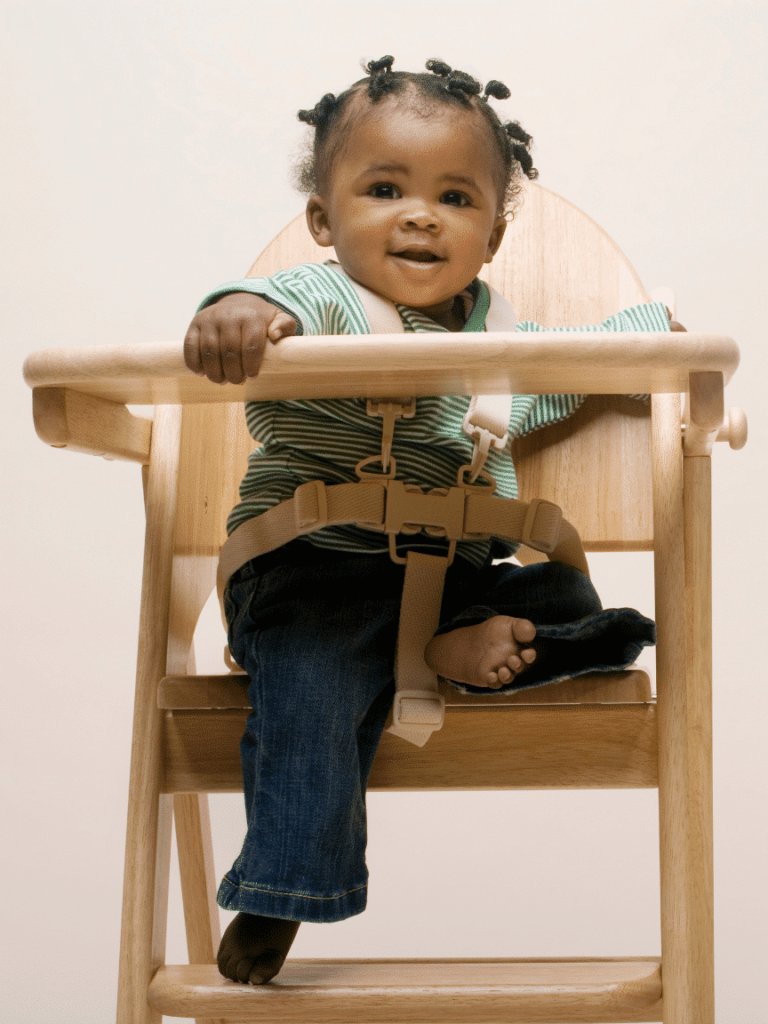
Before you start adding a footrest, you need to look closely at your high chair. High chairs come in many shapes and materials, and not every solution fits every chair.
Some common high chair types:
- Plastic molded chairs: Popular for easy cleaning, but often lack any kind of footrest.
- Wooden high chairs: Sometimes have a fixed or adjustable rest, but often it’s too low for babies.
- Metal-framed chairs: Strong and slim, but rarely have foot support.
- Convertible high chairs: Change from baby to toddler mode, footrest may be missing or not adjustable.
Check the following before you pick a footrest option:
- Are there any slots, holes, or rails underneath the seat?
- Is there room to attach something without blocking how the chair folds or moves?
- Will the footrest block cleaning, tray removal, or harness use?
- How wide and deep is the chair at the spot where your child’s feet hang?
Take measurements of the area under the seat. Note the width, the distance from the seat to the desired footrest height, and any parts that might get in the way.
Credit: kidseatincolor.com
Different Ways To Add A Footrest
There are several ways to add a footrest, from simple and cheap to more advanced. Each method has pros and cons, and your choice depends on your budget, DIY skills, and the type of high chair you own.
1. Diy Footrest Using Pvc Pipe
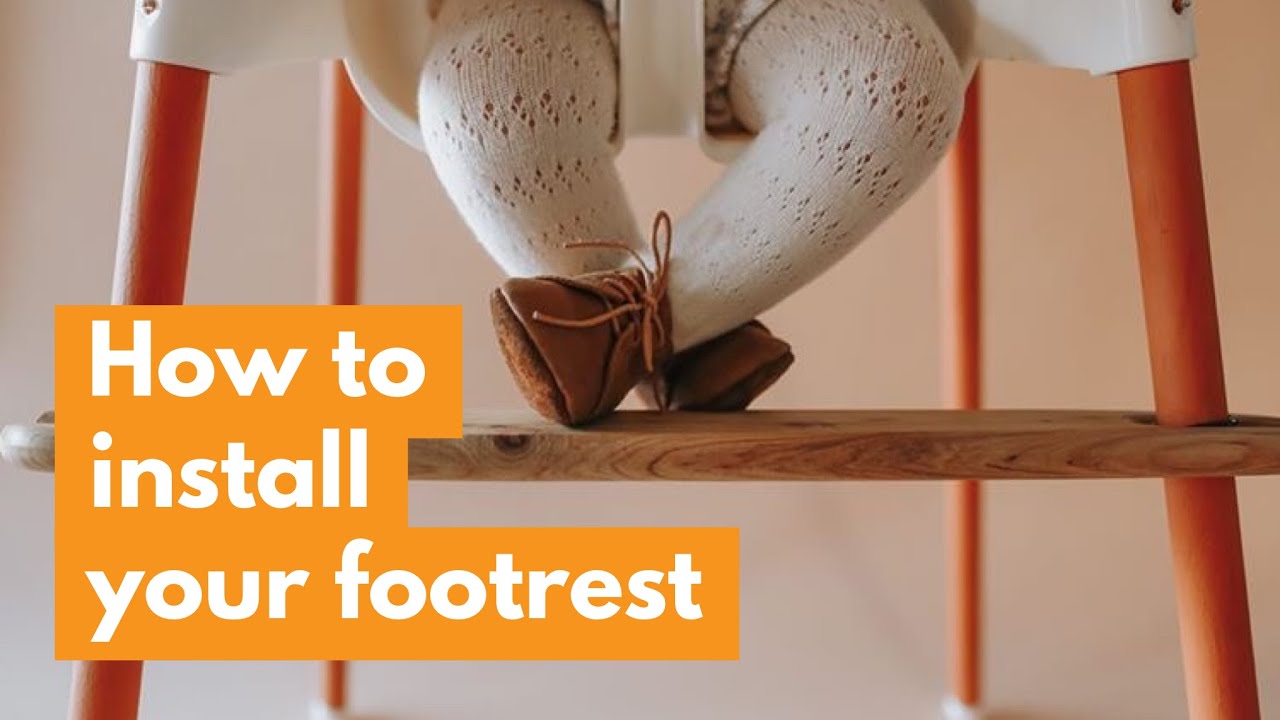
One of the most popular solutions for high chairs like the IKEA Antilop is a PVC pipe footrest. It’s affordable, easy to adjust, and safe if installed well.
How to make it:
- Buy one length of 3/4-inch or 1-inch diameter PVC pipe (around 18-20 inches for most chairs).
- Buy two matching PVC end caps.
- Buy two O-rings (large enough to fit tightly around the chair legs).
- Use a saw to cut the pipe to match the width between the high chair legs.
- Slip an O-ring on each leg, slide the pipe between the legs, and use the O-rings to hold the pipe at the right height.
Why it works: The pipe can be moved up or down as your child grows. It’s strong enough to support small feet, and the materials are easy to clean.
Non-obvious tip: Use furniture felt pads on the ends of the pipe if you have wooden floors. This prevents scratches if the pipe touches the ground.
2. Wooden Dowel Footrest
A wooden dowel is a sturdy, natural-looking option. It’s great for those who want something that matches wooden high chairs or home decor.
How to make it:
- Buy a hardwood dowel (1-inch diameter, length to match your chair’s width).
- Sand the ends smooth to prevent splinters.
- Use rubber O-rings or strong Velcro straps to hold the dowel in place between the chair legs.
- Adjust the height as needed.
Non-obvious insight: Use a clear wood sealer on the dowel to protect it from food stains and spills. This also makes it easier to wipe clean.
3. Adjustable Strap-on Footrest
This method uses a flat board or padded bar with adjustable straps (like those on a backpack). You wrap the straps around each leg and secure the footrest at the desired height.
How to make it:
- Cut a smooth board (about 4 inches wide, 18 inches long).
- Drill two holes near each end for the straps.
- Thread sturdy nylon straps through the holes.
- Use buckles to adjust tightness and height.
Benefit: You can move this footrest up and down easily as your child grows. It’s also simple to remove for cleaning.
4. Commercial Clip-on Footrests
Some companies sell ready-made footrests that clip on or snap onto popular high chair models. These are made of plastic or wood, and are often adjustable.
How to use:
- Measure your high chair to confirm compatibility.
- Buy a footrest designed for your model.
- Snap or slide it into place, following the product instructions.
Warning: Always check weight limits and reviews. Some cheap options can crack or slip.
5. Diy Fixed Footrest With Brackets
For high chairs with solid sides or rails, you can install a permanent footrest using L-brackets.
Steps:
- Buy a flat board (1-inch thick, 4 inches wide, cut to width of the chair).
- Buy 2-4 small L-shaped metal brackets and matching screws.
- Attach the brackets to the chair’s sides, then screw the board onto the brackets at the right height.
Extra tip: Paint or seal the board before installing for durability.
6. Elastic Band Footrest
A simple, fast method is using a wide elastic exercise band as a bouncy footrest.
How to do it:
- Choose a strong resistance band (at least 3 inches wide).
- Tie or wrap the band around the front and back legs of the chair, creating a firm “hammock” for your child’s feet.
Why try this: It’s soft, adjustable, and very cheap. Great for travel or rental high chairs.
7. High Chair Footrest Upgrade Kits
Some brands sell upgrade kits for their own chairs. These often include an adjustable bar and hardware.
How to use:
- Order the kit from the chair’s manufacturer.
- Follow the instructions to install using included parts.
Advantage: Designed to fit perfectly and usually matches the chair’s style.
8. Stackable Foam Blocks
If you want a temporary solution, or your child’s feet are close to reaching the floor, try stackable foam blocks.
How to use:
- Place non-slip foam blocks or yoga blocks under the high chair where your child’s feet can rest.
- Stack to the right height.
Tip: Make sure the blocks can’t slip out during use.
9. 3d-printed Footrest
For those with access to a 3D printer, you can find open-source plans for custom footrests.
How it works:
- Download a design for your high chair model.
- Print with strong, food-safe plastic.
- Attach according to instructions (usually with clips or screws).
Bonus: You can customize color and size.
Comparing Footrest Solutions
Here’s a quick look at some popular footrest solutions and how they compare:
| Method | Cost | Difficulty | Adjustable | Best For |
|---|---|---|---|---|
| PVC Pipe | Low | Easy | Yes | Plastic/Metal Chairs |
| Wooden Dowel | Low | Easy | Yes | Wooden Chairs |
| Commercial Clip-On | Medium | Very Easy | Yes | Popular Models |
| Strap-On Board | Low-Medium | Moderate | Yes | All Chairs |
| Elastic Band | Very Low | Very Easy | Yes | Temporary Use |
Step-by-step Guide: Adding A Footrest
Let’s walk through a simple, flexible method: the PVC pipe footrest. This works well for the IKEA Antilop and similar high chairs, and gives you a model for other methods.
Materials Needed
- 1 PVC pipe (3/4-inch or 1-inch diameter, cut to width of chair legs)
- 2 PVC end caps
- 2 large O-rings (or heavy-duty rubber bands)
- Measuring tape
- Saw (for cutting pipe)
- Sandpaper (to smooth edges)
Steps
- Measure the distance between the chair legs where you want the footrest to go. Sit your child in the chair to find the right height—usually, knees should be bent at 90 degrees with feet flat.
- Cut the PVC pipe to the measured length. Sand the ends smooth to prevent any sharp edges.
- Slip an O-ring over each chair leg, below the seat.
- Place the PVC pipe between the legs, resting on the O-rings. The pipe should be level and not slide easily.
- Adjust the height as needed by moving the O-rings up or down.
- Test with your child. Make sure the footrest is solid, doesn’t roll, and supports your child’s feet comfortably.
Pro tip: If the O-rings slip, use a small piece of grip tape or a rubber band below each ring for extra hold.
Adjusting For Growth
Children grow fast, and their leg length changes quickly. One advantage of this method is that you can move the footrest higher or lower without tools. Check every few weeks if your child’s knees are still at a right angle, and adjust as needed.
Safety Checks
- Weight test: Press down on the footrest before use. It should not flex or pop off.
- No sharp edges: Sand any rough spots.
- Clean regularly: Wipe the footrest with soap and water to remove food or germs.
Bonus insight: Many parents forget to check the footrest after cleaning or moving the chair. Always check position before each use—especially if siblings play with the chair.
Mistakes To Avoid
Adding a footrest is simple, but there are common mistakes that can make it less safe or less effective.
1. Setting The Footrest Too Low
If the footrest is much lower than your child’s knees, it won’t give the right support. Your child might still dangle their feet or sit in a strange position.
2. Loose Or Unstable Footrest
If the footrest moves or rolls, your child could slip or get scared. Always secure it tightly, and check for movement every day.
3. Blocking Safety Features
Don’t block the chair’s harness or tray. Always test that you can buckle your child in and remove the tray easily.
4. Using Unsafe Materials
Avoid footrests made from breakable or sharp materials. Do not use glass, brittle plastic, or metal with sharp edges.
5. Not Cleaning The Footrest
Food and spills can collect on the footrest. Clean it as often as you clean the tray or seat.
6. Ignoring Growth
As your child grows, their knees will bend at a different height. Adjust or replace the footrest to keep their posture correct.
7. Not Checking Chair Stability
Adding a heavy footrest can sometimes tip the chair, especially on lightweight models. Test by gently rocking the chair after installing the footrest.
When To Add A Footrest
Many parents wonder when their child actually needs foot support. The best time is when your baby starts sitting in the high chair for meals—usually around 6 months. At this stage, even if their feet don’t reach, gentle support makes a difference.
If your baby is wobbly or still learning to sit, use a footrest that’s soft and not too high. For older babies and toddlers, adjust the footrest so their knees are bent at 90 degrees.
Fun fact: Some children refuse to eat in their high chair until they feel supported. A footrest can turn mealtime struggles into calm, focused eating.
Choosing The Right Height
Getting the height right is more important than the material or method. The ideal position:
- Feet flat on the footrest
- Knees bent at about a right angle
- Hips slightly higher than knees
For most babies, this means the footrest is 6–10 inches below the seat. For toddlers, it might be lower. Test with your child in the chair, and move the footrest up or down as needed.
Advanced tip: If your child starts sitting on the edge of the seat or putting feet on the tray, it’s a sign the footrest needs adjusting.
Materials To Use (and Avoid)
Safe Materials
- PVC pipe: Strong, smooth, food-safe if cleaned regularly
- Hardwood dowels: Natural, strong, easy to clean and adjust
- Sealed wood: Easy to match chair style, sand smooth
- High-quality plastic: Used in commercial footrests, easy to wipe
- Foam/yoga blocks: Soft, good for temporary use
Materials To Avoid
- Metal with sharp edges: Can cut or pinch small toes
- Glass: Breaks easily, dangerous for children
- Low-quality plastic: May snap or flex under weight
- Untreated wood: Splinters and absorbs spills
Eco tip: Reuse materials you already have at home, as long as they are safe and sturdy.

Credit: www.yeahbabygoods.com
Cleaning And Maintenance
Keeping your footrest clean is important for hygiene, especially as babies often drop food everywhere.
- Wipe daily: Use a damp cloth with mild soap.
- Deep clean weekly: Remove the footrest and wash thoroughly.
- Check for cracks: Every week, look for signs of wear or damage.
- Inspect attachments: Make sure O-rings, straps, or brackets are still tight.
If your footrest gets stained, try a mix of baking soda and water to scrub off tough spots.
Real-world Examples
Ikea Antilop High Chair
This popular chair is cheap, sturdy, and easy to clean—but comes with no footrest. The PVC pipe or elastic band method works perfectly here. Many parents in online forums recommend this upgrade, and some even 3D print custom footrests for a perfect fit.
Stokke Tripp Trapp
This high-end wooden chair comes with adjustable foot support, but many parents don’t know how to set it properly. Adjust the footrest every few months to match your child’s leg length. You can also buy extension kits for older kids.
Space-saving Foldable High Chairs
These often lack footrests, but you can add a strap-on board or elastic band that can be removed before folding. Just make sure nothing blocks the folding mechanism.
Non-obvious insight: Some daycare centers use DIY footrests for all their high chairs, because it helps children eat better and reduces mealtime mess.
Comparing Diy Vs Commercial Solutions
Some parents want to save money or enjoy making things themselves, while others prefer a professional look or easy setup. Here’s a quick comparison:
| Type | Cost Range | Customization | Appearance | Durability |
|---|---|---|---|---|
| DIY Footrest | $5–$20 | High | Varies | Depends on materials |
| Commercial Footrest | $20–$60 | Low | Professional | Usually high |
Tip: Even commercial footrests may need adjustment to fit your child perfectly.
Safety And Child Development
Adding a footrest isn’t just about comfort. Experts in child development say that proper seating helps children learn to eat, focus, and even talk better. When your child’s body is steady, their hands are free to explore food, and their mouth muscles work better for chewing and speaking.
For more on why posture matters in feeding and speech, check out this article from the American Speech-Language-Hearing Association.
Important note: Always use the high chair’s safety harness, even after installing a footrest. Never leave your child unattended.
Credit: www.youtube.com
Frequently Asked Questions
What Is The Best Height For A High Chair Footrest?
The best height is where your child’s feet rest flat, and their knees bend at a right angle (about 90 degrees). For most babies, this is 6–10 inches below the seat. Adjust as your child grows to keep their knees and hips supported.
Can I Use Any Material For A Diy Footrest?
Use only safe, strong materials like PVC, sealed wood, or quality plastic. Avoid metal with sharp edges, glass, or weak plastics that could break. Always sand rough edges and clean regularly.
How Do I Know If My Child Needs A Footrest?
If your child’s feet dangle, or they seem uncomfortable or fidgety during meals, a footrest will help. Signs include slouching, sliding, or putting feet on the tray. Babies as young as 6 months benefit from foot support.
Will Adding A Footrest Make The High Chair Unsafe?
Not if you install it correctly. Make sure the footrest is secure, does not block harness or tray use, and does not make the chair unstable. Always supervise your child during meals and check the footrest before each use.
Are Commercial Footrests Better Than Diy Solutions?
Both can work well. Commercial footrests often look nicer and fit certain chairs perfectly. DIY options are cheaper, customizable, and just as safe if built and installed properly. Choose what fits your chair, budget, and style best.
Adding a footrest to your child’s high chair is a small project with big results. It supports healthy posture, better eating, and a calmer mealtime. Whether you go for a DIY fix or a store-bought solution, the key is safety, adjustability, and regular checks as your child grows.
With a little effort, you can make mealtimes more comfortable and enjoyable for everyone.