
Keeping polished concrete floors looking beautiful and strong is not just about cleaning them once in a while. These floors are popular in homes, offices, stores, and warehouses because they are tough, stylish, and easy to care for. But to keep the shine and avoid costly repairs, you need to follow the right steps.
Many people think polished concrete is “maintenance free,” but that’s a mistake. Dust, spills, scratches, and even cleaning mistakes can slowly damage the surface, making it dull and less attractive.
If you want your polished concrete floors to last for decades and keep their glossy finish, you need a simple but effective maintenance plan. This guide covers everything: from daily care and deep cleaning to stain prevention and fixing small problems. Whether you’re a homeowner, building manager, or cleaning professional, you’ll find practical steps, expert tips, and real-life examples here. You’ll also learn about common mistakes and how to avoid them, so your concrete floor always looks its best.
What Makes Polished Concrete Floors Special?
Polished concrete is not just any concrete. It goes through a process where grinding machines and diamond pads smooth the surface, followed by polishing with finer grits. This creates a reflective, mirror-like finish that looks modern and clean. Sometimes, densifiers and sealers are added to make the surface harder and more stain resistant.
Compared to tile, wood, or carpet, polished concrete has several advantages:
- Low maintenance: Needs less work than many other floor types.
- Durability: Handles heavy foot traffic and does not easily chip or crack.
- Allergy-friendly: No fibers to trap dust or allergens.
- Cost-effective: Lower long-term costs due to less frequent replacement.
But these benefits only last with the right care. Even a tough surface like polished concrete can become scratched, etched, or stained if neglected.
Daily Cleaning Routines
The most important step in maintaining polished concrete floors is a simple daily routine. Dust, grit, and small debris are the biggest threats to the surface. They act like sandpaper under shoes and cleaning tools, slowly scratching the finish.
How to clean polished concrete daily:
- Dry dust mop: Use a microfiber dust mop every day. This picks up fine dust and grit that can dull the shine.
- Spot clean spills: Wipe up any spills right away with a damp cloth. Acidic or oily spills can stain or etch the surface.
- Entry mats: Place mats at all entrances. This traps dirt and grit before it reaches the floor.
Why Microfiber Matters
A common mistake is using old brooms or string mops. These can push dirt around or even scratch the floor. Microfiber mops trap dust better and are gentle on the surface.
Should You Vacuum?
Vacuuming is fine, but only if your vacuum has a hard floor setting. Avoid vacuums with beater bars or stiff brushes, as these can scratch.
Credit: www.titusrestoration.com
Weekly And Periodic Cleaning
Besides daily dusting, you need a deeper clean once a week or as needed. This removes any dirt or sticky residue that builds up.
Steps for periodic cleaning:
- Wet mop: Use a damp microfiber mop and a pH-neutral cleaner made for polished concrete. Avoid harsh or acidic cleaners.
- Don’t soak: Too much water can seep into cracks or joints, causing damage over time. Wring out your mop well.
- Rinse mop heads: Change or rinse mop heads often to avoid spreading dirt.
Choosing The Right Cleaner
Never use vinegar, ammonia, bleach, or citrus-based cleaners. These are too acidic or alkaline and can dull the shine. Look for products labeled as “pH-neutral” or “suitable for polished concrete. ”
Pro tip: Test any new cleaner on a small, hidden area first to make sure it doesn’t affect the finish.
Dealing With Stains And Spills
Even with great daily cleaning, accidents happen. Quick action is key to preventing permanent stains or damage.
Common Types Of Stains
- Oil/grease: Found in garages or kitchens.
- Food/drink: Coffee, wine, soda, juice, etc.
- Rust: From metal furniture or tools.
- Paint/ink: Art projects, printers, or markers.
How To Remove Stains
- Act fast: Blot the spill with a clean, dry cloth. Don’t rub, as this spreads the stain.
- Use the right cleaner: For most stains, a pH-neutral cleaner and water will work. For tough stains, use a poultice made with baking soda and water. Spread it on the stain, cover with plastic wrap, and let sit for a few hours before wiping clean.
- Oil stains: Try a degreaser designed for concrete, but avoid harsh chemicals.
- Rust stains: Use a special rust remover for concrete. Always read the label.
Important: Avoid strong acids, like muriatic acid, which can etch or discolor the floor.
What If The Stain Won’t Come Out?
Some stains, especially if left for a long time, might not come out with regular cleaning. In this case, you may need professional help or light re-polishing in that area.
Credit: premierpolishedconcrete.com.au
Polishing And Rejuvenating The Shine
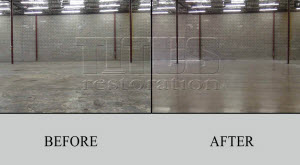
Over time, even with good cleaning habits, polished concrete can lose some of its gloss. This happens naturally from foot traffic, furniture movement, and cleaning.
How To Restore Shine
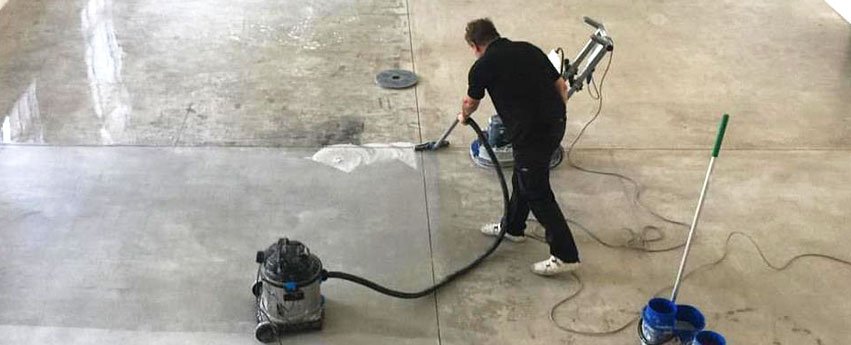
- High-speed burnishing: Use a high-speed floor burnisher with a diamond-impregnated pad. This brings back the gloss without re-polishing the entire floor.
- Polishing compound: Some products are made to restore shine. Apply with a mop, let dry, then buff.
- Re-polishing: Every few years, a professional may need to lightly re-polish the surface. This is less invasive than a full grind and polish.
How Often?
Most homes need only basic cleaning and an occasional buffing. Commercial spaces with heavy foot traffic might need burnishing every 1–3 months.
Non-obvious insight: Over-burnishing can wear down the surface. Don’t burnish more than needed.
Protecting The Floor From Scratches And Wear
Even though polished concrete is tough, it is not scratch-proof. Small scratches add up and make the floor look dull.
Tips to prevent scratches:
- Furniture pads: Put felt pads on chair and table legs.
- No dragging: Always lift furniture instead of dragging.
- Rugs in high-traffic areas: Use rugs or runners in busy spots, but make sure they have a non-staining backing.
- Trim pet nails: Pets can scratch the surface, especially large dogs.
Watch For Grit And Sand
Grit brought in from outside is a main cause of scratches. Entry mats and regular dust mopping help a lot.
Sealing And Densifying: When And Why
While polished concrete is dense, it isn’t completely stain-proof. Densifiers and sealers add an extra layer of protection.
What’s The Difference?
- Densifiers: Penetrate the surface and react with the concrete to make it harder.
- Sealers: Create a thin, protective layer on top to resist stains.
How often should you seal or densify?
- Most floors are densified during installation and do not need frequent re-application.
- Sealers may need re-application every 1–3 years, depending on use.
Non-obvious insight: Not all polished concrete floors should be sealed. Ask the installer or a flooring pro what your specific floor needs.
| Maintenance Task | Home (Low Traffic) | Retail/Office (Medium Traffic) | Warehouse (Heavy Traffic) |
|---|---|---|---|
| Dust Mopping | Daily | Daily | 2x Daily |
| Wet Mopping | Weekly | 2x Weekly | 3x Weekly |
| Burnishing | Every 6 months | Monthly | Bi-weekly |
| Sealer Re-application | Every 2 years | Yearly | Yearly |
Handling Cracks, Chips, And Repairs
No floor is immune to damage. Over time, cracks, chips, or pits can appear in polished concrete, especially in high-traffic or heavy load areas.
Common Causes
- Settling: The ground under the slab shifts.
- Heavy impact: Dropping heavy items can chip the surface.
- Thermal movement: Expanding and contracting from temperature changes.
How To Repair
- Clean the area: Remove dust and debris from the crack or chip.
- Epoxy or polymer patch: Use a patching compound made for polished concrete. Follow the instructions closely.
- Level the patch: Smooth with a putty knife. For deep cracks, fill in thin layers.
- Polish the repair: Once cured, lightly polish to match the surrounding floor.
Tip: For large or visible areas, hire a professional. DIY repairs can sometimes stand out if not done well.
Dealing With Dullness And Haze
Sometimes, the floor looks dull or hazy even after cleaning. This can be frustrating, but it’s usually caused by residue or cleaning mistakes.
Common Causes
- Soap residue: Using too much cleaner or not rinsing properly.
- Hard water: Mineral deposits can leave a white film.
- Waxy products: Some “shine” products build up and attract dirt.
How to fix:
- Mop with clean water to remove residue.
- Use a cleaner made to strip residue if needed.
- Avoid using products not made for polished concrete.
Pro tip: Test water quality. If your water is hard, use distilled water for mopping.
Choosing The Right Tools And Products
Selecting the right mops, pads, and cleaners makes a big difference in floor care.
Tools
- Microfiber dust mop: For daily dusting.
- Microfiber wet mop: For damp mopping.
- Auto-scrubber: For large commercial spaces.
- Burnishing machine: For restoring shine.
Products
- PH-neutral cleaner: Safe for polished concrete.
- Concrete stain remover: For tough spots.
- Sealer or densifier: As recommended by your installer.
Avoid: Ammonia, bleach, vinegar, citrus, and abrasive pads.
| Product Type | Safe for Polished Concrete? | Notes |
|---|---|---|
| pH-Neutral Floor Cleaner | Yes | Best for routine cleaning |
| Vinegar | No | Too acidic, dulls shine |
| Ammonia | No | Too harsh, can damage surface |
| Microfiber Pad | Yes | Gentle, does not scratch |
| Burnishing Pad | Yes | Use only as needed |
| Wax | No | Leaves buildup, attracts dirt |
Credit: concreteguymn.com
Preventing Common Mistakes
Many people make simple mistakes that cause big problems later.
Mistakes to avoid:
- Too much water: Soaking the floor can weaken the concrete or cause stains.
- Wrong cleaners: Using cheap or harsh chemicals to save money often leads to damage.
- Skipping mats: Not using entry mats means more grit and scratches.
- Dragging heavy furniture: Always lift rather than drag.
- Waiting too long on spills: Quick cleanup prevents stains and etching.
Non-obvious insight: Some “all-purpose” cleaners advertise being safe for all floors, but they often contain ingredients that dull polished concrete. Always check labels and, when in doubt, ask the manufacturer.
Green And Eco-friendly Maintenance
If you want to keep your floor—and the planet—healthy, choose eco-friendly cleaning methods.
Eco-tips:
- Use pH-neutral cleaners with plant-based ingredients.
- Reusable microfiber pads reduce waste.
- Avoid chemical-heavy products.
- Water-based sealers are less toxic.
Example: Many schools and hospitals use green cleaning for polished concrete to protect indoor air quality.
How Polished Concrete Compares To Other Floors
Polished concrete is easier to maintain than many other floor types. Here’s how it stacks up:
| Floor Type | Maintenance Effort | Stain Resistance | Longevity |
|---|---|---|---|
| Polished Concrete | Low | High (with sealer) | 20+ years |
| Vinyl | Medium | Medium | 10–15 years |
| Wood | High | Low | 10–20 years |
| Tile | Medium | Medium | 15–20 years |
| Carpet | High | Low | 5–10 years |
Non-obvious insight: While other floors need waxing or stripping, polished concrete does not. This saves time, money, and reduces chemical use.
Professional Maintenance: When To Call In Experts
Most day-to-day care can be done by anyone, but some jobs need a pro.
Call a professional for:
- Large cracks, deep stains, or major chips.
- Full re-polishing or re-sealing.
- High-speed burnishing for large commercial areas.
- If you’re unsure about the right product or repair method.
Professional care may cost more upfront, but it prevents bigger repair bills later.
Example: Shopping malls often schedule professional polishing every 6–12 months to keep floors looking new.
Long-term Floor Care Planning
To keep your polished concrete floor in top shape for decades, make a plan:
- Daily: Dust mop, spot clean spills, check entry mats.
- Weekly: Damp mop with pH-neutral cleaner.
- Monthly: Inspect for scratches, chips, or dull spots.
- Yearly: Consider burnishing, re-sealing, or a professional inspection.
Keep a simple floor care log. This helps you track what’s working and spot problems early.
Extra tip: If you move furniture or equipment, check the floor for damage afterward.
Frequently Asked Questions
What Is The Best Cleaner For Polished Concrete Floors?
The best cleaner is a pH-neutral floor cleaner made specifically for polished concrete. Avoid acidic or alkaline products, which can damage the surface. Always check with your installer or manufacturer for recommended brands. For more information, see the Concrete Network.
How Often Should I Re-polish My Concrete Floor?
Most homes only need professional re-polishing every 2–3 years. Busy commercial spaces may need it every 6–12 months. Regular burnishing can help delay full re-polishing.
Can I Use A Steam Mop On Polished Concrete?
No, steam mops are not recommended. The high heat and moisture can break down sealers and lead to damage. Stick with damp microfiber mops and pH-neutral cleaners.
What Should I Do If My Floor Gets A Deep Scratch Or Chip?
For small scratches, a light buffing may help. For deep chips or cracks, use a concrete repair kit or call a professional. Matching the polish and color can be tricky, so expert help is often best for big repairs.
Are Polished Concrete Floors Slippery?
Polished concrete is less slippery than many people think, especially when dry. However, water or oil can make any floor slippery. Use entry mats, clean up spills quickly, and consider adding anti-slip treatments in wet areas.
Maintaining polished concrete floors is not difficult, but it does take consistent effort. With the right steps, tools, and products, your floor can stay beautiful, safe, and bright for many years. By avoiding common mistakes and following this guide, you will enjoy all the benefits of this modern, durable flooring choice.