
Styling a desk is more than making a workspace look nice. It’s about creating an environment that helps you feel productive, inspired, and comfortable. Whether you work from home, study for exams, or simply want a tidy place to manage bills, your desk can either support your goals—or slow you down.
Many people underestimate how much a well-styled desk affects their focus, mood, and even health. This guide will show you, step by step, how to style a desk for both function and style, using practical advice, real examples, and tips that go beyond the basics.
Understanding The Purpose Of Your Desk
Before you buy organizers or cute decor, think about how you use your desk. Is it for remote work, creative projects, studying, or something else? Each purpose needs a different setup. For example, a graphic designer may need more desk space for a drawing tablet, while a writer may want less clutter and a comfortable chair.
Many people skip this step and end up with a desk that looks good, but doesn’t work for them. Take five minutes to write down the main activities you do at your desk. List any specific needs, like extra lighting for reading or space for a second monitor.
This will help you choose the right items and avoid common mistakes later.
Choosing The Right Desk
Your desk is the foundation. The style, size, and shape all matter.
Desk Size And Shape
A large desk can hold more, but it also takes up more room. Measure your space and think about how much surface area you need. A small writing desk works well in tight spaces, while an L-shaped desk is perfect for multitasking or sharing with someone.
| Desk Type | Best For | Common Size (inches) |
|---|---|---|
| Writing Desk | Simple tasks, minimal items | 40-48 W x 20-24 D |
| Computer Desk | PC setup, monitor space | 48-60 W x 24-30 D |
| L-Shaped Desk | Dual use, corner spaces | 60-72 W x 48-60 D |
| Standing Desk | Health-focused, adjustable height | 48-60 W x 24-30 D |
Material And Style
Wood desks bring warmth, while metal or glass look modern. Choose a style that fits your room and feels comfortable. If you like a cozy look, pick wood with a matte finish. For a clean, minimalist vibe, try white or black with metal legs.
Non-obvious tip: Check the desk height. Most desks are about 29–30 inches high, but a few inches can make a big difference in comfort.
Creating A Functional Desk Layout
A stylish desk is also a functional desk. Think about how you move and work. Keep the most-used items within arm’s reach and reduce anything you don’t need.
- Primary Zone: Place your computer, notepad, or main tools here.
- Secondary Zone: Store pens, sticky notes, or your phone just outside the main area.
- Storage Zone: Keep extra supplies, files, and seldom-used items in drawers or shelves.
Try to leave at least 20–30% of your desk surface empty. This gives you space to write, read, or switch tasks without feeling crowded.
Desk Organization Essentials
A messy desk can slow you down and cause stress. Organizing your desk doesn’t have to be boring or expensive. Start with a few basic tools:
- Desk organizer tray: Sort pens, pencils, paper clips.
- File holder: Stand up important papers.
- Drawer dividers: Keep small items from getting lost.
- Cable management clips: Stop cords from tangling.
- Monitor riser: Raise your screen and make space underneath.
Put similar items together. For example, keep all writing tools in one spot, and all tech accessories in another. This not only looks better, but it also saves time.
Beginner mistake: Over-organizing. If you have too many organizers, you’ll waste time searching through boxes. Simplicity wins.
Choosing The Right Chair
A beautiful desk is useless if your chair is uncomfortable. Look for an ergonomic chair with good back support. Adjust the height so your feet are flat on the floor and your knees are at a 90-degree angle.
If you prefer a stylish chair, add a lumbar pillow for support. For long hours, choose a chair with adjustable arms and breathable fabric.
Expert tip: Test the chair before buying, if possible. Sit for at least 10 minutes to check comfort.
Adding Lighting For Mood And Productivity
Lighting is often overlooked when people style a desk. Bad lighting can cause eye strain, headaches, and low energy. Good lighting boosts focus and makes your space feel inviting.
Types Of Desk Lighting
- Task lamp: Focused light for reading or detailed work.
- Ambient light: Softens shadows, makes the area feel warm.
- Natural light: Place your desk near a window if you can.
Non-obvious insight: Choose a lamp with adjustable brightness. Brighter for work, softer for relaxing.
| Lighting Type | Best For | Color Temperature (Kelvin) |
|---|---|---|
| Task Lamp | Reading, writing, detail work | 4000–5000K (cool white) |
| Ambient Light | Relaxed atmosphere | 2700–3000K (warm white) |
| Natural Light | General well-being | Varies |
Personalizing Your Desk Space
A desk should reflect your personality. When you enjoy being at your desk, you’re more likely to stay focused. Add a few items that make you happy, but don’t overdo it.
- Photos: Family, friends, pets, or travel memories.
- Artwork: Small prints, postcards, or quotes.
- Plants: A small succulent or air plant adds life.
- Decorative objects: A unique mug, clock, or paperweight.
Non-obvious insight: Rotate personal items every few months. This keeps your desk feeling fresh and avoids clutter.
Using Color To Boost Mood And Focus
Color affects how you feel at your desk. Choose colors based on your goals.
- Blue: Calming, improves focus.
- Green: Refreshing, reduces eye strain.
- Yellow: Uplifting, sparks creativity.
- White: Clean, minimalist look.
You can add color with desk mats, pen holders, or even sticky notes. If your desk area is small, use light colors to make it feel bigger.
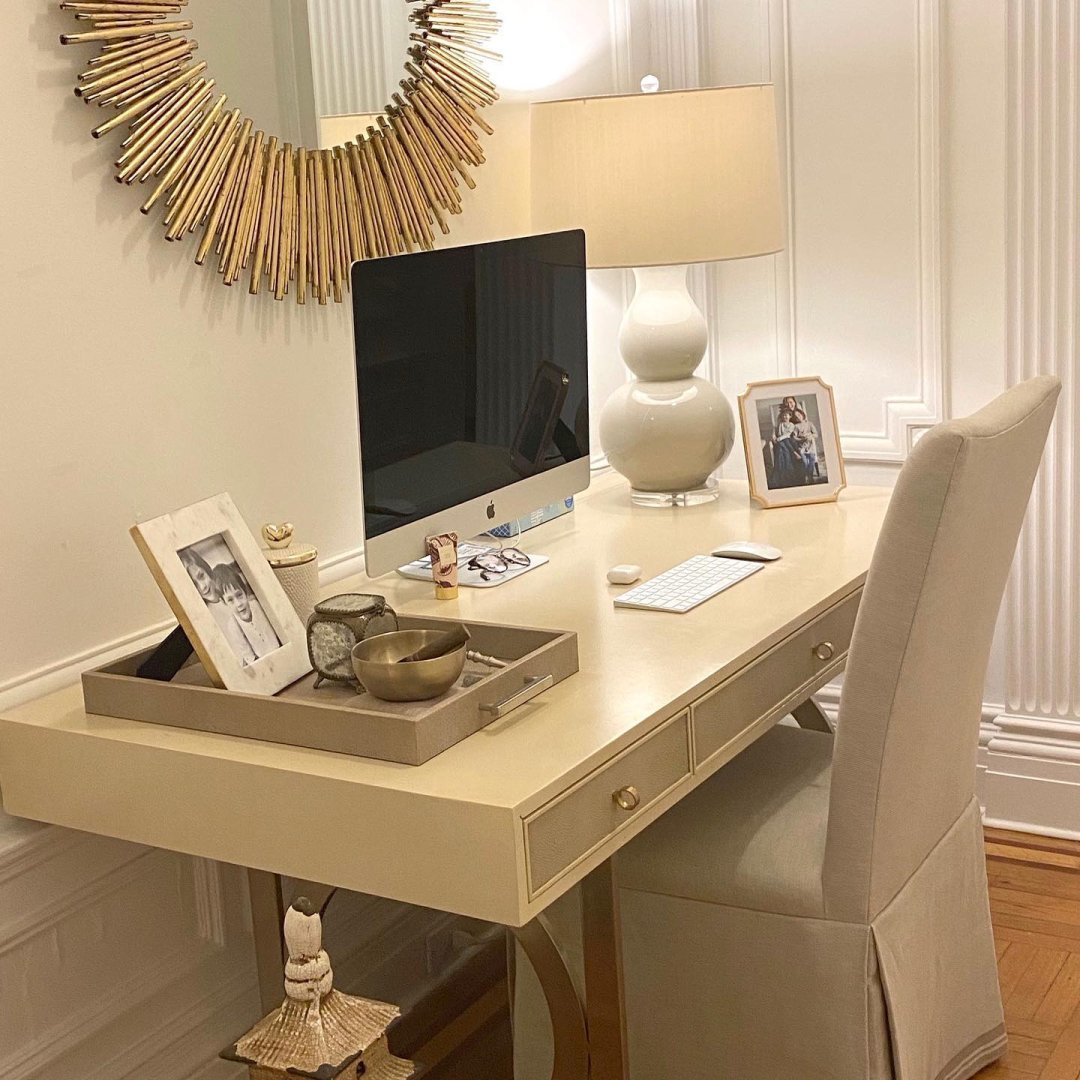
Credit: www.kathykuohome.com
Managing Cables And Tech Accessories
Cables can make even the best desk look messy. Hide them for a cleaner style.
- Cable clips or sleeves: Bundle cords together.
- Under-desk trays: Hold power strips and adapters.
- Wireless devices: Use wireless keyboards or mice to cut cords.
Label your chargers and cables so you don’t waste time searching. Use a zip tie to shorten extra-long cords.
Practical tip: Leave one extra charger in your drawer for emergencies.
Incorporating Storage Solutions
Not everything needs to be on top of your desk. Smart storage keeps your workspace tidy and efficient.
Desk Drawers
Use shallow drawers for pens, chargers, and sticky notes. Deeper drawers are for files, notebooks, or bulkier items.
Floating Shelves
Install shelves above your desk for books, decor, or supplies. Keep items you use less often on higher shelves.
Rolling Carts
A small rolling cart can hold craft supplies, printer paper, or office tools. Roll it away when you need more space.
Beginner mistake: Storing everything on top. Use vertical space to keep your desk clear.
Styling A Desk For Small Spaces
A small desk can still look stylish and work well. Here’s how:
- Choose a wall-mounted desk or foldable design.
- Use organizers that stack or hang.
- Pick multi-use items, like a lamp with USB ports.
- Hang a pegboard for tools or notes.
Keep only what you need on the surface. Store the rest in nearby drawers or shelves.
Making Your Desk Work For Multiple Purposes
Many people use their desks for more than one thing—work, study, crafts, or gaming. You can style your desk to handle multiple tasks by dividing the space.
- Use trays or bins to switch supplies quickly.
- Keep a rolling cart for craft or gaming gear.
- Mark sections of your desk for different activities.
Non-obvious tip: Use a foldable screen behind your desk for privacy or to change the mood.
Adding Greenery And Natural Elements
Plants do more than look good. Studies show that desk plants can boost productivity by up to 15%. They clean the air and make you feel calmer.
Easy plants for desks:
- Succulents (need little water)
- Snake plant (tough and hardy)
- Pothos (grows in low light)
- Air plants (no soil needed)
If you have allergies, choose artificial plants or a small vase of fresh flowers.
Keeping Your Desk Clean And Clutter-free
A styled desk can quickly become messy if you don’t have a routine. Spend five minutes at the end of each day tidying up.
- Put away unused items.
- Wipe the surface with a clean cloth.
- Toss old papers or trash.
- Check your supplies and refill if needed.
Set a reminder on your phone, so it becomes a habit.
Expert tip: Use a “one in, one out” rule—add something new only if you remove something old.
Upgrading Your Desk With Tech Tools
Tech can make your desk smarter and more efficient.
- Wireless charger: Charge your phone without cords.
- USB hub: Connect multiple devices easily.
- Smart speaker: Play music, set reminders, or ask questions.
- Blue light filter: Protect your eyes from screens.
Beginner mistake: Overloading your desk with gadgets. Choose only what helps your workflow.
Styling A Desk For Kids Or Teens
Children and teens need desks for homework, art, and hobbies. Make it fun but practical.
- Use bright colors and playful organizers.
- Add a corkboard for notes or artwork.
- Choose a chair that fits their size.
- Keep supplies within easy reach.
Let them help style their desk. They’re more likely to keep it tidy if they feel it’s their own.
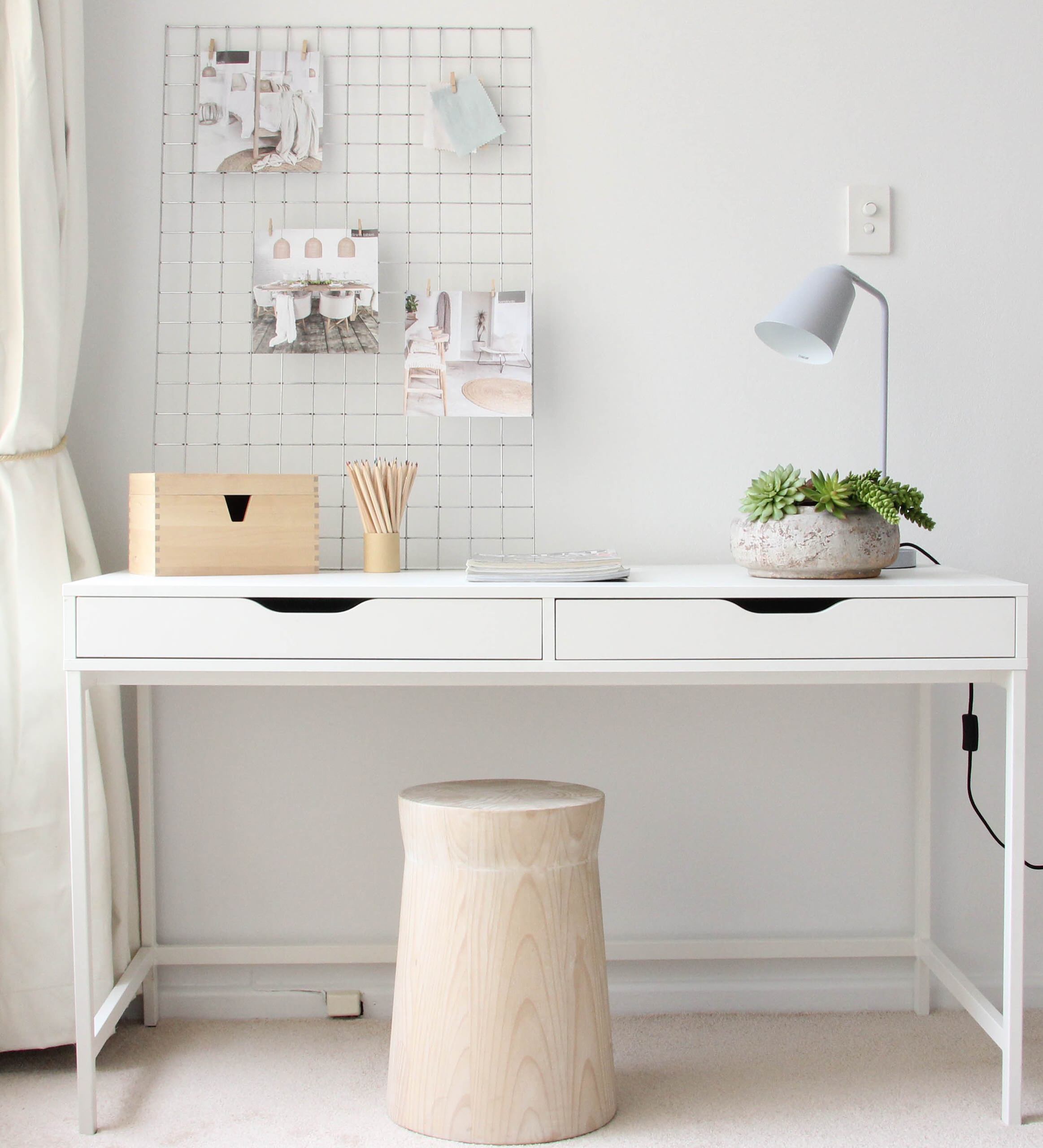
Credit: www.houzz.ie
Creating A Minimalist Desk Style
Minimalism is about having less, but better. A minimalist desk looks clean, calm, and modern.
- Keep only essentials on the desk.
- Use simple shapes and neutral colors.
- Hide extra items in drawers.
- Avoid busy patterns or too many decorations.
Minimalist doesn’t mean boring. Choose one or two beautiful, high-quality items to show your style.
Adding Inspiration And Motivation
Sometimes you need a little push to stay focused. Add motivational quotes or images that inspire you.
- Frame a favorite quote.
- Pin up a vision board.
- Keep a goal list visible.
Change your inspiration as your goals evolve. This keeps you motivated and makes your desk feel personal.
Styling A Desk For Shared Or Open Spaces
If you share a desk or work in an open area, keep the style simple and neutral.
- Use matching organizers for a unified look.
- Set clear zones for each person.
- Use noise-canceling headphones for focus.
- Store personal items in a drawer or box.
Practical tip: Agree on cleaning routines to avoid clutter and conflict.
Seasonal And Trendy Desk Styling
Desks don’t have to look the same all year. Small changes can make a big difference.
- Switch out desk accessories for different seasons.
- Add a holiday mug, small pumpkin, or fresh flowers.
- Try trendy colors or patterns with inexpensive items.
Follow trends, but keep your main setup timeless. This saves money and effort.
Maintaining Your Desk Style Over Time
Even the best-styled desk needs regular updates. Review your desk every few months.
- Remove items you no longer use.
- Clean organizers and surfaces.
- Update decor and inspiration.
Listen to your own needs. If something isn’t working, change it. Your desk should grow with you.
Real Examples: Before And After Desk Styling
Seeing real changes can help you imagine your own desk’s potential.
Example 1: Messy to Minimalist
- Before: Piles of paper, tangled cords, random decor.
- After: Only a laptop, lamp, and one plant on the desk. Cords hidden, papers filed away.
Example 2: Boring to Inspired
- Before: Plain desk, no color, no decor.
- After: Added a blue desk mat, a framed quote, and a small succulent. Now the desk feels inviting.
Example 3: Small Space Makeover
- Before: Desk crowded with books, supplies, and gadgets.
- After: Floating shelf added above desk, organizers used, surface mostly clear for working.

Credit: stylebyemilyhenderson.com
Comparing Popular Desk Styling Accessories
Some accessories are more helpful than others. Here’s a side-by-side comparison of popular items:
| Accessory | Main Benefit | Best For | Possible Downside |
|---|---|---|---|
| Monitor Riser | Raises screen, adds storage | Computer users | Takes surface space |
| Desk Organizer Tray | Sorts small items | Stationery | Can get messy if overfilled |
| Desk Mat | Protects surface, adds color | All users | Needs cleaning |
| Task Lamp | Improves lighting | Reading, detail work | May need outlet |
| Plant | Boosts mood, cleans air | All users | Needs care |
Proven Benefits Of A Well-styled Desk
A well-styled desk does more than look good. Research shows that:
- People with organized desks are up to 20% more productive.
- Desk plants can increase happiness and lower stress.
- Good lighting reduces eye strain and improves focus.
- Personal touches boost motivation and creativity.
These small changes add up, making work and study more enjoyable and effective.
Common Mistakes To Avoid
Even with good intentions, it’s easy to make mistakes. Here are some to watch for:
- Too much decor: Looks cluttered, not stylish.
- Ignoring comfort: Pretty chairs can hurt your back.
- Bad lighting: Causes headaches and low energy.
- No cable management: Makes the desk look messy.
- Wrong desk size: Too big or too small for your needs.
- Over-organizing: Hard to find things quickly.
- Not updating: Desk gets stale and uninspiring.
Pause and rethink your setup if you notice any of these.
How To Keep Improving Your Desk Style
Desk styling isn’t a one-time project. Make small changes as your needs or tastes shift.
- Ask yourself what isn’t working.
- Try new layouts every few months.
- Get feedback from friends or coworkers.
- Look for inspiration online or in magazines.
Non-obvious advice: Take a photo of your desk every month. It’s easier to spot problems in a picture than in real life.
Trusted Resources For Desk Styling Inspiration
If you want more ideas, check out Apartment Therapy’s Desk Organization Ideas. Their guides and real-life examples can help you find new solutions for your space.
Frequently Asked Questions
How Can I Style A Desk If I Have A Small Budget?
You don’t need to spend much to style a desk. Use items you already have, like mugs for pens or shoeboxes for storage. Shop secondhand or DIY your own organizers. Focus on keeping the desk clean and adding one or two personal touches, like a photo or plant cutting.
What Is The Best Way To Organize Cables On My Desk?
Use simple tools like cable clips, zip ties, or a small box to hold extra cord length. Label each cable so you know which is which. Try to use wireless devices when possible, and keep only the cables you use daily on top of the desk.
How Do I Keep My Desk From Getting Cluttered Again?
Make a habit of tidying your desk at the end of each day. Store items you don’t use often in drawers or shelves. Use the “one in, one out” rule for new items. Review your desk setup every few months and remove anything you no longer need.
What Plants Are Best For Styling A Desk?
Choose plants that are easy to care for, like succulents, snake plants, pothos, or air plants. If your desk doesn’t get much sunlight, look for low-light plants. Artificial plants are also an option if you have allergies or travel often.
How Can I Style A Desk For Both Work And Study?
Divide your desk into zones for different tasks. Use trays or bins to quickly switch supplies. Keep the main area clear so you can switch from work to study without moving everything. Use shelves or a rolling cart for extra storage.
Styling your desk is a journey, not just a task. With a little effort and creativity, you can build a space that truly supports your work, study, and well-being.