
Keeping your Sutera Bath Stone clean is more than just about looks—it’s about hygiene, safety, and long-term performance. Many people buy this innovative bath mat for its natural diatomaceous earth, fast-drying surface, and modern design. But even the most advanced material needs proper care. If you’ve ever wondered how to clean your Sutera Bath Stone without damaging it, you’re not alone. Some users make mistakes that cause discoloration, loss of absorbency, or even cracks. This guide will walk you through every detail of cleaning, drying, and maintaining your Sutera Bath Stone. You’ll learn the common pitfalls, expert tips, and even some insider tricks that most owners miss. Whether you’re a new user or you’ve had your stone for years, this article will help you keep it looking and performing like new.
What Is A Sutera Bath Stone?
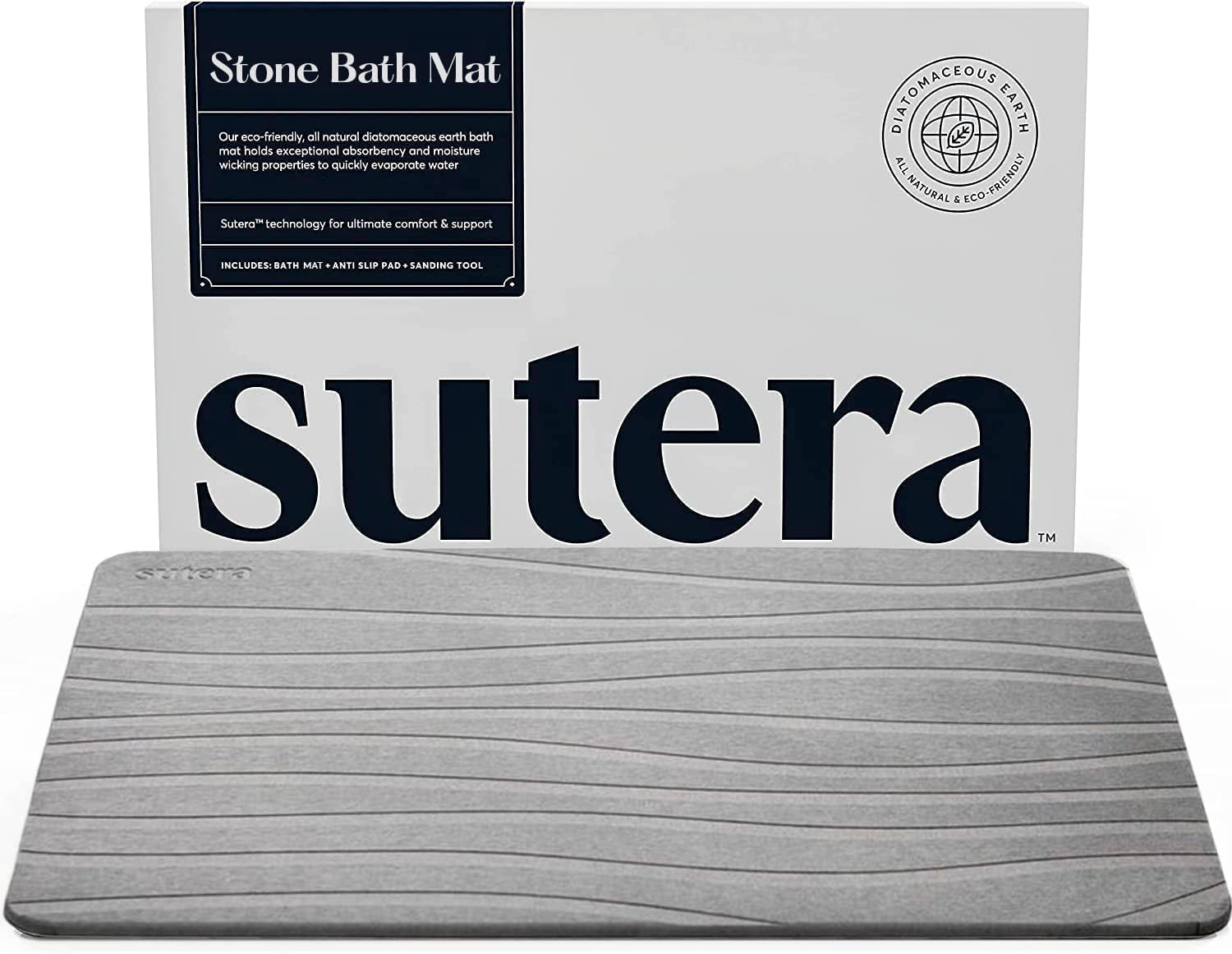
The Sutera Bath Stone is a bath mat made from diatomaceous earth—a natural, highly porous material that absorbs water quickly and dries fast. Unlike fabric mats, Sutera Bath Stones don’t trap moisture or develop odors. Instead, water evaporates within minutes, leaving the surface dry and safe to step on. The stone is also resistant to mold and bacteria, making it a favorite for people who want a cleaner bathroom environment.
But this unique material comes with its own care requirements. Diatomaceous earth is strong, but it can scratch or stain if treated incorrectly. Understanding the material is the first step to effective cleaning.
Why Regular Cleaning Matters
Some owners think their Sutera Bath Stone doesn’t need much attention because it seems self-cleaning. But that’s a common misunderstanding. Over time, minerals from water, soap scum, body oils, and dust can build up on the surface. Here’s why regular cleaning is essential:
- Maintains absorbency – Dirt clogs the pores, reducing the stone’s ability to soak up water.
- Prevents stains – Dark spots and discoloration can set in if not removed early.
- Stops odors – Bacteria and mildew can grow in the presence of organic buildup.
- Increases lifespan – Proper care prevents cracks and structural damage.
Skipping regular maintenance can lead to problems that are hard or even impossible to reverse.
Supplies You Need For Cleaning
Before you start, gather the right supplies. Using the wrong tools can scratch or damage your bath stone. Here’s what you’ll need:
- Soft brush (like an old toothbrush or soft scrubbing brush)
- Fine-grit sandpaper (400-600 grit)
- Clean, dry cloths
- Mild detergent (unscented, no harsh chemicals)
- Spray bottle with water
- Baking soda (for tough stains)
- Vacuum cleaner (optional, for dust)
- White vinegar (for mineral deposits)
- Rubber gloves (optional)
Avoid steel wool, rough sponges, or any abrasive cleaners.
Basic Cleaning: Step-by-step
Routine cleaning keeps your Sutera Bath Stone working at its best. Here’s how to do it safely and effectively.
1. Remove Loose Debris
Start by picking up the stone and shaking off any hair, dust, or debris. If you see dust or grit stuck to the surface, use a soft brush or a vacuum with a brush attachment to gently remove it. Don’t use water yet—dry brushing helps keep the pores open.
2. Wipe With Damp Cloth
Dampen a clean cloth with water (not soaking wet) and wipe the surface of the stone. This removes light dirt and residue. For best results, wipe in one direction to push dirt off, not back into the stone.
3. Use Mild Detergent For Stubborn Spots
If you see spots or oily marks, mix a drop of mild detergent with water in a spray bottle. Spray onto the stain and let it sit for a few minutes. Then gently scrub with a soft brush. Do not use strong chemicals or bleach, as these can weaken the stone.
4. Rinse And Dry
Wipe off any soap with a clean, damp cloth. Then use a dry cloth to absorb excess water. Place the stone upright in a dry, well-ventilated area to air dry fully. Never leave it soaking in water or laying flat on a wet surface.
Deep Cleaning For Stains And Odors
Sometimes, normal cleaning isn’t enough. Stains from colored soaps, hard water, or mildew can set in. Here’s how to deep clean without damaging your bath stone.
1. Baking Soda Paste
For tough stains, mix baking soda with a little water to make a paste. Spread the paste on the stained area and let it sit for 10-15 minutes. Then gently scrub with a soft brush. Rinse with a damp cloth and dry as usual.
2. White Vinegar For Mineral Deposits
If you see white, chalky marks (from hard water), spray a mix of equal parts white vinegar and water onto the area. Let it fizz for 5 minutes. Gently scrub, then rinse and dry. Vinegar dissolves mineral buildup but won’t harm diatomaceous earth if used sparingly.
3. Sandpaper For Deep Stains
If stains or scratches won’t come out, use fine-grit sandpaper (400-600 grit). Rub lightly in a circular motion just over the stained area. This removes a thin surface layer, exposing fresh material. Don’t sand aggressively—gentle pressure is enough.
Drying Your Sutera Bath Stone Properly
Drying is just as important as cleaning. If moisture stays trapped, mold or mildew can develop—even on diatomaceous earth. Here’s the right way to dry:
- Stand the stone upright against a wall or on its side
- Place it in a dry, well-ventilated space
- Avoid direct sunlight for long periods, which can cause cracks
- Never use a hair dryer or heater—this may warp the stone
A Sutera Bath Stone usually dries fully within 30-60 minutes if cared for properly. If it’s still damp after an hour, check for clogged pores or trapped water underneath.

Credit: www.amazon.com
How Often To Clean Your Sutera Bath Stone
How often should you clean your bath stone? It depends on usage:
- Light use (1-2 times per day): Clean every 2 weeks
- Heavy use (multiple showers per day): Clean once a week
- If you see stains or odors: Clean immediately
Regular maintenance prevents buildup and keeps your stone performing well. Mark your calendar or set a phone reminder so you don’t forget.
What To Avoid: Common Mistakes
Many users unintentionally damage their Sutera Bath Stone by making these mistakes:
- Using bleach or harsh chemicals – These can erode the stone and cause discoloration.
- Scrubbing with steel wool or rough pads – This scratches the surface, making it less absorbent.
- Soaking in water or leaving in a puddle – Water can seep inside, leading to cracks.
- Putting in the dishwasher – High heat and detergents will destroy the stone.
- Applying sealants or oils – These clog the pores and stop water absorption.
If you avoid these errors, your bath stone will stay clean and functional for years.
Comparing Sutera Bath Stone To Other Bath Mats
To understand why cleaning a Sutera Bath Stone is different, compare it with other common bath mats.
| Type | Cleaning Method | Drying Time | Mold/Bacteria Risk |
|---|---|---|---|
| Diatomaceous Earth (Sutera) | Brush, wipe, occasional sanding | 30-60 minutes | Low |
| Fabric (Cotton, Microfiber) | Machine wash, air dry | 4-8 hours | High |
| Rubber/Plastic | Wipe with soap, rinse | 1-2 hours | Medium |
The Sutera Bath Stone stands out for its fast drying and low risk of bacteria—but only if cleaned correctly.
How To Remove Specific Stains
Some stains need special treatment. Here’s a quick guide:
Soap Scum
Mix a small amount of mild dish soap with water. Scrub gently with a soft brush, rinse, and dry. Avoid strong degreasers.
Body Oil Marks
Sprinkle baking soda on the spot. Add a few drops of water to make a paste and scrub gently. Rinse well.
Hard Water Spots
Spray with diluted white vinegar. Let sit, scrub, rinse, and dry.
Mold Or Mildew
Mold is rare, but if it appears, mix vinegar and water, spray, scrub, and dry fully. If stains remain, try sanding lightly.
Colored Product Stains (e.g., Hair Dye)
These can be stubborn. Try the baking soda paste method first, then sand very lightly if needed.
How To Deal With Odors
Even though Sutera Bath Stones resist odors, a musty smell can develop if organic material builds up. If you notice an odor:
- Clean with mild detergent and water.
- Sprinkle baking soda over the entire surface. Leave for 1-2 hours.
- Brush off the baking soda and wipe with a damp cloth.
- Dry thoroughly in a ventilated area.
If the smell persists, repeat the process or try a vinegar spray. Never use perfumed sprays, as they can clog the pores.
Long-term Maintenance Tips
To keep your bath stone looking and working like new:
- Rotate the stone every few months to wear it evenly
- Store upright when not in use
- Sand lightly once every 6 months to refresh the surface
- Check for cracks and stop using if you see deep damage
- Clean up spills from colored products immediately
With these habits, your Sutera Bath Stone can last for years without losing performance.
When To Replace Your Sutera Bath Stone
Sutera Bath Stones are durable, but not indestructible. Replace your stone if:
- It develops deep cracks or chips
- It no longer absorbs water, even after sanding and cleaning
- The surface becomes rough or flaky
- There is persistent mold or odor that won’t go away
On average, a well-maintained stone lasts 2-3 years. Heavy use or poor care can shorten this time.
Environmental Benefits Of Sutera Bath Stone
Another reason people choose Sutera Bath Stone is its eco-friendliness. Diatomaceous earth is a natural, non-toxic material. Unlike fabric mats, it doesn’t need frequent machine washing (which uses energy and water) or replacement every few months.
A single stone can replace dozens of disposable mats over its lifetime. When it’s time to throw it away, diatomaceous earth is safe for landfill and doesn’t release microplastics.

Credit: www.amazon.com
What Makes Cleaning Diatomaceous Earth Unique?
Most people are used to cleaning fabric or rubber mats, which can be tossed in a washing machine or scrubbed with soap. Diatomaceous earth is different because of its microscopic pores. These pores soak up water, but also trap dirt if you don’t clean them gently.
If you use the wrong cleaning method, you can seal these pores, ruining the stone’s main benefit—fast drying. That’s why the cleaning process is more about gentle brushing, wiping, and sometimes sanding, not soaking or scrubbing aggressively.
Real-world Example: Cleaning Timeline
Here’s how a typical owner might clean their Sutera Bath Stone over a month:
- Week 1: Light brushing with a soft brush, wipe with a damp cloth.
- Week 2: Spot clean with baking soda paste for a faint stain.
- Week 3: Wipe with a damp cloth, sand lightly in one corner where there’s a scuff.
- Week 4: Deep clean with vinegar spray for hard water spots, air dry upright.
This routine keeps the stone in top condition, with no stains or odors.
Do’s And Don’ts At A Glance
To make things simple, here’s a quick reference table:
| Do | Don’t |
|---|---|
| Use soft brushes and gentle cleaning | Scrub with steel wool or rough pads |
| Sand lightly to refresh the surface | Use bleach or harsh chemicals |
| Dry upright in a ventilated area | Soak or submerge in water |
| Clean up spills quickly | Leave stains untreated for weeks |
Following these tips prevents most issues.
Unexpected Insights Most Owners Miss
Many people don’t realize that tiny scratches from rough cleaning tools can ruin the non-slip surface, making the stone slippery and unsafe. Always use gentle tools to preserve the textured finish.
Another overlooked point: never use scented oils or cleaning sprays. These create a film that can block water absorption and cause permanent discoloration. Even natural oils (like tea tree or lavender) are not safe for diatomaceous earth.
How To Store Your Sutera Bath Stone
If you need to store your bath stone (for example, when moving or during renovations):
- Clean and dry the stone completely first
- Wrap in a soft cloth or towel to prevent scratches
- Store upright in a cool, dry place
- Avoid stacking heavy objects on top
Proper storage prevents cracks and keeps the stone ready for use.
Where To Find More Information
For more detailed information on diatomaceous earth and its uses, visit the Wikipedia page on diatomaceous earth.
Credit: www.walmart.com
Frequently Asked Questions
How Often Should I Sand My Sutera Bath Stone?
You should sand your Sutera Bath Stone lightly every 4-6 months, or whenever you notice stains or reduced absorbency that do not respond to normal cleaning. Use fine-grit sandpaper and gentle pressure to avoid damage.
Can I Use Regular Bathroom Cleaners On My Bath Stone?
No, most regular bathroom cleaners contain harsh chemicals or acids that can erode diatomaceous earth. Always use mild, unscented detergent, baking soda, or diluted white vinegar.
What Should I Do If My Sutera Bath Stone Cracks?
Small surface cracks can be sanded down, but deep or spreading cracks mean the stone should be replaced. Using a cracked stone can be unsafe as it may break underfoot.
Is It Safe To Use The Stone If It Develops Mold?
If you spot mold, clean the stone with diluted white vinegar, sand the area lightly, and dry fully. Persistent mold that won’t go away is a sign you may need a new bath stone.
Can I Use The Sutera Bath Stone Outside The Bathroom?
Yes, you can use it in kitchens, entryways, or laundry rooms as a quick-drying mat. However, avoid areas with heavy, sharp objects or constant soaking, which can cause damage.
Keeping your Sutera Bath Stone clean doesn’t have to be a chore. With the right habits and gentle care, you can enjoy a fresh, safe, and stylish bathroom for years to come. Remember, a little effort now saves you time and money later—and keeps your home looking its best.