
Many people love cooking with gas stoves because of the quick heat control and even cooking they offer. But when you install a gas stove in your home, you might wonder about its electrical needs. Does a gas stove need a dedicated circuit?
This question is more important than it sounds. Getting the answer wrong can lead to safety issues, code violations, and even costly mistakes.
Let’s break down what really matters when it comes to powering a gas stove. We’ll look at how gas stoves work, what electrical codes say, and why some setups need a dedicated circuit while others might not. You’ll learn about different gas stove features, common wiring mistakes, and practical advice for safer kitchens.
By the end, you’ll be able to make a smart decision—whether you’re renovating, buying a new stove, or just curious about your current setup.
Understanding Gas Stoves: What Needs Power?
Most people think of gas stoves as devices that use only natural gas or propane for cooking. While it’s true that the burners and oven use gas for heat, almost all modern gas stoves also require electricity. Let’s look at why.
Why Do Gas Stoves Need Electricity?
A typical gas stove uses electricity for:
- Ignition: Most new gas stoves use electric spark igniters instead of pilot lights.
- Oven Light: So you can see your food while it cooks.
- Clock and Timer: For setting cooking times.
- Electronic Controls: More advanced models use electronic panels.
- Convection Fans: Some gas ovens have fans that need power.
- Safety Features: Such as automatic shutoff.
So, even though the main heat comes from gas, the stove will not function fully without electricity. In a power outage, you might be able to light the burners with a match, but the oven and most features won’t work.
How Much Power Does A Gas Stove Use?
Gas stoves use much less electricity than electric stoves. Most models plug into a standard 120-volt outlet and use about 0.5 to 1.5 amps during normal operation. In comparison, an electric stove might use 30 to 50 amps. This means the wiring requirements are usually much less demanding for gas stoves.
What Is A Dedicated Circuit?
A dedicated circuit is a circuit in your home’s electrical system that supplies power to only one appliance. This means the wire runs straight from your breaker box to the appliance, with nothing else on the same line. Dedicated circuits are common for big appliances like refrigerators, microwaves, dishwashers, and electric stoves.
A non-dedicated circuit, by contrast, can have several outlets or lights on the same line.
Do Gas Stoves Need A Dedicated Circuit? The Short Answer
For most homes in the US, a gas stove does not strictly require a dedicated circuit. Most can share a standard kitchen outlet with other small appliances. However, there are important exceptions and good reasons to consider a dedicated circuit in some situations.
What Do Electrical Codes Say?
The National Electrical Code (NEC), which sets the rules for safe wiring, says that every kitchen must have at least two 20-amp small appliance circuits. These circuits are meant for outlets where you plug in things like toasters, coffee makers, and yes—gas stoves.
But the NEC does not specifically require a dedicated circuit for gas stoves. It does require dedicated circuits for:
- Electric ranges
- Built-in ovens (electric)
- Microwaves (sometimes)
- Dishwashers
Some local codes or building departments may have stricter rules, so always check with your city or county before starting any wiring project.
Manufacturer Requirements
Some gas stove manufacturers recommend or require a dedicated circuit in their installation instructions. This is more common with high-end models with lots of electronic features, such as Wi-Fi connectivity, advanced safety systems, or built-in microwaves.
Ignoring the manufacturer’s instructions can void your warranty or cause problems down the line.
Practical Advice
Even if your local code doesn’t require a dedicated circuit, there are good reasons to use one:
- Fewer Tripped Breakers: If you plug your gas stove into a shared circuit and run other appliances (like a toaster), you might overload the circuit and trip the breaker.
- Cleaner Installations: Dedicated circuits reduce the risk of interference or electrical noise from other devices.
- Future-Proofing: If you ever upgrade to an electric stove, you’ll need a dedicated circuit anyway.
Comparing Gas And Electric Stove Wiring
To make things clearer, here’s a quick comparison of the wiring needs for gas vs electric stoves:
| Feature | Gas Stove | Electric Stove |
|---|---|---|
| Voltage | 120V | 240V |
| Typical Amps | 0.5-1.5A | 30-50A |
| Dedicated Circuit Required | Usually No | Yes (always) |
| Plug Type | Standard 3-prong | Heavy-duty 3 or 4-prong |
| Breaker Size | 15-20A | 30-50A |
As you can see, gas stoves are much less demanding on your home’s wiring.
Common Kitchen Wiring Setups
In most kitchens, you’ll find several circuits:
- Two or more 20-amp countertop outlet circuits (shared by small appliances)
- Separate circuits for the refrigerator, dishwasher, and garbage disposal
- A heavy-duty circuit for an electric stove, if present
A gas stove is usually plugged into a nearby outlet that is also used for other kitchen appliances. If the outlet is part of a dedicated circuit, it’s often because the stove is built-in and the installer wanted a cleaner look.
Example: Typical Gas Stove Wiring
Suppose you have a gas stove with electronic ignition and a clock. It plugs into a standard outlet behind the stove. This outlet is likely on a 20-amp small appliance circuit that also powers a few countertop outlets.
Now, if you use a toaster and a coffee maker at the same time, you could reach the 20-amp limit and trip the breaker. If your gas stove is on a dedicated circuit, this won’t happen.

Credit: prolinerangehoods.com
When Does A Gas Stove Need A Dedicated Circuit?
While most gas stoves can share a circuit, there are situations where a dedicated circuit makes sense or may even be required.
1. High-end Or Smart Gas Ranges
Some gas stoves have advanced features like:
- Built-in convection fans
- Electronic touch screens
- Wi-Fi connectivity
- Self-cleaning ovens
These features can draw more current—sometimes up to 5 amps. If your stove’s manual says it needs a dedicated circuit, follow that advice.
2. Built-in Or Slide-in Models
A built-in gas range or cooktop often has a more permanent installation. Some contractors prefer running a dedicated line for these to avoid future problems and keep the wiring clean.
3. Local Code Requirements
A few cities and counties have stricter electrical codes for kitchen appliances. They may require a dedicated circuit for any permanently installed appliance, including gas stoves. Always check with your local code office.
4. Multi-family Or Commercial Kitchens
In apartments, condos, or commercial buildings, wiring may need to meet higher standards. Dedicated circuits are often required to avoid nuisance breaker trips that affect multiple tenants or units.
5. Upgrading Kitchen Wiring
If you’re remodeling your kitchen, it’s smart to add a dedicated line for your gas stove while the walls are open. It’s a small cost for extra safety and flexibility.
How To Check If Your Gas Stove Is On A Dedicated Circuit
If you want to see whether your gas stove has its own circuit, follow these steps:
- Turn Off the Breakers: Flip breakers one at a time and see if the outlet behind your stove loses power.
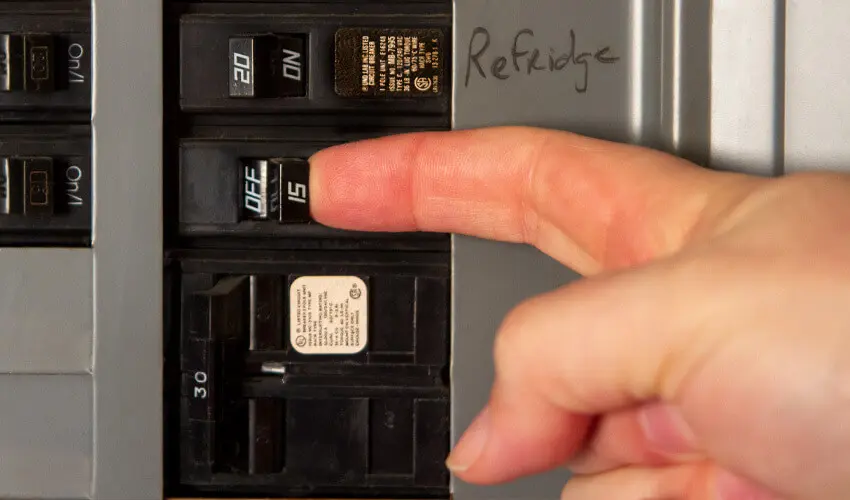
- Check the Label: Look at your home’s electrical panel for labels like “Range,” “Stove,” or “Kitchen.”
- Inspect the Outlet: A single outlet (not shared with others) is often on a dedicated circuit.
- Consult a Pro: An electrician can quickly trace and confirm your wiring setup.
If your stove shares a circuit with other outlets, you can decide if you want to upgrade.

Credit: www.searshomeservices.com
Safety, Code, And Insurance Issues
Can Sharing A Circuit Be Dangerous?
For most gas stoves, sharing a circuit is safe if:
- The total load does not exceed the breaker’s rating (usually 20 amps)
- The wiring is in good condition
- The outlet is grounded and GFCI protected if near water
Problems arise if:
- Multiple high-wattage appliances run at the same time
- Old wiring is damaged or undersized
- Outlets are not properly grounded
Overloaded circuits can cause nuisance breaker trips, or in rare cases, wiring to overheat.
Insurance And Code Compliance
If you ever have a kitchen fire, your insurance company may inspect your wiring. Non-compliant wiring can make insurance claims more difficult. Always follow the NEC and local codes, and keep proof of professional installation if possible.
Permits And Inspections
In many areas, any new circuit installation requires a permit and inspection. This protects you and helps ensure the wiring is safe and up to code.
Pros And Cons Of Using A Dedicated Circuit For Your Gas Stove
To help you decide, here’s a quick summary:
| Pros | Cons |
|---|---|
| Reduces breaker trips | Extra installation cost |
| Safer if you run many appliances | Takes up breaker panel space |
| Cleaner and more reliable wiring | May be overkill for basic stoves |
| Future-proofs for upgrades | Requires permit in some areas |
| Meets manufacturer’s requirements | More wiring work |
How To Add A Dedicated Circuit For A Gas Stove
If you decide a dedicated circuit is right for you, here’s what’s involved:
1. Plan Your Circuit
- Use 12-gauge wire for a 20-amp circuit, or 14-gauge for a 15-amp circuit.
- Run the wire from your breaker box to a single outlet behind the stove.
- The outlet should be grounded and GFCI protected if within 6 feet of a sink.
2. Get Permits
Check with your local building department. Most require a permit for new circuits.
3. Hire A Licensed Electrician
While some DIYers can handle simple wiring, it’s safer to use a pro. They’ll ensure everything is up to code.
4. Inspection
Have the work inspected before you close up the wall. This protects your safety and your home’s value.
5. Label Your Panel
Clearly label the new breaker as “Stove” or “Range” to avoid confusion.
Common Mistakes To Avoid
Many homeowners and even some contractors make errors when wiring gas stoves. Here are a few to watch out for:
- Using Extension Cords: Never plug a gas stove into an extension cord. It’s a fire hazard.
- Overloading Circuits: Don’t plug high-wattage appliances (toaster, microwave) into the same circuit as your stove.
- Ignoring Manufacturer’s Instructions: Always follow the installation guide.
- Skipping GFCI Outlets: In kitchens, outlets near water should be GFCI protected.
- DIY Without Permits: Uninspected wiring can cause trouble with insurance and home sales.
- Under-sizing Wires: Always use the correct wire gauge for the breaker size.
- Not Checking Local Codes: National rules are minimums; your city may require more.
Real-world Examples
Example 1: Basic Gas Stove In A Small Apartment
Maria lives in a small apartment. Her gas stove plugs into a standard outlet that also powers a microwave and toaster. Whenever she makes coffee and toast at the same time, the breaker trips. A dedicated circuit for the stove would solve this problem.
Example 2: High-tech Gas Range In A Modern Home
Tom installs a new smart gas range with Wi-Fi and convection. The manufacturer requires a dedicated 20-amp circuit. Tom’s electrician runs a new line during his kitchen remodel, keeping his warranty valid and his kitchen safer.
Example 3: Old Home With Outdated Wiring
Linda’s 1950s kitchen has old wiring, and the outlet behind her stove is not grounded. An electrician upgrades the wiring, adds a dedicated GFCI circuit, and brings the kitchen up to code, improving safety and value.
When A Dedicated Circuit Is Overkill
If your gas stove is a simple model with only electronic ignition and a light, and you rarely use other high-power appliances at the same time, a dedicated circuit is probably not necessary. But as kitchens get more complex, dedicated circuits are becoming more common.
Cost To Add A Dedicated Circuit
Adding a dedicated circuit for a gas stove usually costs between $200 and $600 in the US. The price depends on:
- Distance from the breaker box
- Complexity of the wiring
- Local permit fees
- Labor rates in your area
If you’re remodeling, adding a circuit is easier and cheaper than after the walls are finished.
Gas Stoves And Power Outages
Many people ask if their gas stove will work during a power outage. Here’s the truth:
- Burners: Can often be lit with a match.
- Oven: Most modern gas ovens will not work at all (safety features require electricity).
- Electronic Features: Will not work.
If you want to cook during blackouts, consider a model with a manual ignition option, or keep matches handy.
Key Takeaways
- Most gas stoves do not require a dedicated circuit by code, but some high-end models do.
- Sharing a circuit is usually safe for basic stoves, but can lead to nuisance breaker trips if overloaded.
- Local codes and manufacturer instructions always come first.
- Adding a dedicated circuit is a good idea during kitchen remodels or if you plan to upgrade appliances.
- Always hire a licensed electrician for new wiring, and get the work inspected.
For more on kitchen wiring safety, the National Fire Protection Association offers trustworthy guidelines.
Frequently Asked Questions
Do All Gas Stoves Need To Be Plugged Into An Outlet?
Yes, almost all modern gas stoves need to be plugged into a standard 120V outlet. This powers the ignition, clock, and other features. In rare cases, older stoves may have a standing pilot and not need power, but this is uncommon in new homes.
Can I Use An Extension Cord For My Gas Stove?
No. Extension cords are not safe for permanent appliances like stoves. They can overheat and increase fire risk. Always use a properly installed outlet.
What Happens If I Don’t Use A Dedicated Circuit For My Gas Stove?
If you share a circuit, you may trip breakers if too many appliances run at once. For most basic stoves, this is more of a nuisance than a safety issue. However, for advanced or built-in models, not using a dedicated circuit can cause performance or warranty problems.
How Do I Know If My Gas Stove Needs A Dedicated Circuit?
Check your owner’s manual or installation guide. If it says a dedicated circuit is required, follow that instruction. If not, consider your kitchen layout and how many appliances share the same circuit.
Will My Gas Stove Work During A Power Outage?
You can usually light the burners with a match during a power outage, but the oven and electronic features will not work. Some newer stoves have safety systems that prevent use without electricity.
Choosing the right wiring for your gas stove isn’t just about following rules—it’s about safety, convenience, and peace of mind. With the right setup, your kitchen will be ready for whatever you cook up next.
Credit: www.mrappliance.com