
The world of gardening and pottery is full of beautiful materials, but few are as popular as terracotta pots and clay pots. Walk into any nursery, home garden, or balcony, and you will see these earthy containers bringing life to plants. Many people use both terms—terracotta and clay—like they mean the same thing. Yet, there are important differences between them. Understanding these differences helps you choose the right pot for your plants, your style, and your climate.
If you have ever wondered why some pots are reddish-brown and others are gray or white, or why certain pots last longer outside, this article is for you. We will explore what makes terracotta and clay pots unique, how they are made, their pros and cons, and which one fits your needs best.
You will learn about their history, their use in art and architecture, and get practical advice from a gardener’s point of view. By the end, you will be able to walk into a store and choose the perfect pot with confidence.
What Are Clay Pots?
Clay pots are some of the oldest human inventions. At their core, a clay pot is any container made by shaping natural clay and then drying or firing it to make it hard. Clay is a fine-grained soil material that comes from weathered rocks. It is soft and moldable when wet, making it perfect for forming into pots, cups, tiles, and many other things.
There are different types of natural clay, including earthenware, stoneware, and porcelain. Each type has its own color, texture, and strength. Clay pots are usually made from earthenware clay, which is abundant, easy to shape, and fires at lower temperatures. The color of a clay pot depends on the minerals in the clay. It can be white, gray, buff, brown, or red.
The most basic clay pots are air-dried and not fired. These are fragile and dissolve in water, so they are used mainly for decoration or for temporary plantings. Most garden clay pots are fired in a kiln at temperatures ranging from 1,000 to 1,150°C (1,832–2,102°F).
This hardens the clay, makes it more durable, and gives it some resistance to water and weather.
What Is Terracotta?
Terracotta means “baked earth” in Italian. It is a special type of clay product that is fired at lower temperatures and is known for its rich, reddish-brown color. Terracotta is made from a specific iron-rich clay. When this clay is fired, the iron reacts with oxygen, giving terracotta its distinct color.
Terracotta pots are always unglazed (not covered with a glassy coating) and have a porous, rustic surface. This makes them excellent for plant health because they “breathe.” Water and air can pass through the walls, which helps prevent root rot and keeps soil from staying too wet. Terracotta has been used for thousands of years for sculptures, tiles, pipes, and, of course, pots.
Not all clay pots are terracotta, but all terracotta pots are a kind of clay pot. Think of terracotta as a “family member” within the larger clay family—one with its own look and special qualities.

Credit: shreeramkaolin.com
How Are Clay Pots And Terracotta Pots Made?
The process of making both kinds of pots starts with raw clay. However, the type of clay and the firing process make a big difference.
Making Clay Pots
- Extracting the Clay: Natural clay is dug out from the earth and cleaned to remove stones, roots, and other debris.
- Shaping: Potters use their hands, wheels, or molds to shape the wet clay into pots.
- Drying: The shaped pots are dried slowly to prevent cracking.
- Firing: Once dry, pots are fired in a kiln. The temperature and length of firing depend on the type of clay used.
- Finishing: Some clay pots are glazed for a smooth, waterproof finish, while others are left unglazed.
Making Terracotta Pots
- Choosing Iron-rich Clay: Only certain clays with a lot of iron are used for terracotta.
- Forming: The clay is shaped, often by hand or with a wheel.
- Slow Drying: Terracotta pots must dry slowly to avoid cracks.
- Low-temperature Firing: The pots are fired at lower temperatures (900–1,100°C), which keeps them porous and gives them their color.
- No Glaze: Terracotta is almost always unglazed, which keeps its surface open to air and water.
Key Differences Between Terracotta And Clay Pots
Although both come from the earth, there are several differences that set terracotta pots and clay pots apart. Here’s a clear side-by-side comparison:
| Feature | Clay Pots (General) | Terracotta Pots |
|---|---|---|
| Material | Various natural clays | Iron-rich red clay |
| Color | White, gray, buff, red, brown | Reddish-brown to orange |
| Firing Temperature | 1,000–1,150°C (higher for stoneware/porcelain) | 900–1,100°C (lower range) |
| Surface | Can be glazed or unglazed | Unglazed, matte, rustic |
| Porosity | Varies (less in glazed pots) | Highly porous |
| Strength | Varies (stronger when glazed) | More fragile, chips easily |
| Breathability | Depends on glaze/thickness | Excellent breathability |
| Cost | Wide range | Usually affordable |
| Use | Decorative, functional, indoors/outdoors | Mostly for plants, rustic decor |
Terracotta Pots: Benefits And Drawbacks
Terracotta pots are popular for a reason, but they also have a few downsides. Here’s a closer look:
Benefits
- Excellent for Roots: Terracotta “breathes,” which means roots get more oxygen and excess moisture evaporates. This is ideal for succulents, cacti, and Mediterranean plants that dislike soggy soil.
- Classic Look: Their warm color and natural finish fit almost any garden style, from modern balconies to traditional patios.
- Affordable and Available: Terracotta pots are easy to find and usually inexpensive.
- Regulates Temperature: Because they are porous, terracotta pots help protect roots from temperature swings, cooling down faster in hot weather.
Drawbacks
- Fragile: Terracotta pots chip or break more easily than other clay pots, especially if dropped.
- Dry Out Quickly: Plants in terracotta need frequent watering, especially in warm, dry climates. This can be a problem for moisture-loving plants.
- Not Frost-proof: In cold climates, water in the walls can freeze and crack the pot.
- Can Stain: Over time, salts and minerals in water may leave white marks on the outside.
General Clay Pots: Benefits And Drawbacks
Clay pots come in many forms. Some are glazed, some are thicker, and some are made from special types of clay. Here are their key advantages and weaknesses:
Benefits
- Variety of Styles: You can find clay pots in many colors, shapes, and sizes. Glazed pots can be shiny, colorful, and waterproof.
- Stronger Options: Glazed or higher-fired clay pots can be much tougher than terracotta.
- Versatility: Clay pots can be used for cooking, decoration, and growing all kinds of plants.
- Better for Wet Plants: Glazed clay pots hold moisture longer, which is great for ferns, orchids, and tropical plants.
Drawbacks
- Less Breathability: Glazed pots do not “breathe” as well as terracotta, which can lead to soggy soil if you are not careful.
- More Expensive: Some clay pots, especially hand-painted or designer ones, can be costly.
- Heavier: Large clay pots can be hard to move, especially when filled with soil.
How Terracotta And Clay Pots Affect Plant Health
Choosing the right pot is more than just about looks. The material of your pot can change how your plant grows. Here’s how:
Watering Needs
Terracotta pots dry out fast. This is helpful if you often “overwater” your plants, or if you are growing drought-loving plants like succulents and herbs. However, thirsty plants may struggle unless you water them more often.
Clay pots that are glazed or made from less porous clay will keep soil moist longer. They are better for plants that need steady moisture, such as African violets or peace lilies.
Root Health
Plants need oxygen at their roots. Terracotta’s porous walls allow extra air to reach the roots, reducing the chance of root rot. Clay pots with a glaze, however, limit air flow and can trap water, so good drainage is extra important.
Temperature Control
Terracotta pots heat up and cool down quickly. This can protect roots from overheating in summer but also exposes them to cold in winter. Thicker, less porous clay pots can shield roots better in harsh climates.
Disease And Pests
Because terracotta pots dry out, they are less likely to grow mold or attract fungus gnats. Clay pots that hold moisture can sometimes become a home for pests or mildew if not watched carefully.
Common Uses For Terracotta And Clay Pots
Both types of pots are used around the world, but each has its own favorite uses.
Where Terracotta Pots Shine
- Cacti and Succulents: Their fast drainage is ideal for desert plants.
- Mediterranean Herbs: Rosemary, thyme, and oregano thrive in terracotta.
- Classic Gardens: Terracotta’s color and shape suit Italian, Spanish, and cottage gardens.
- Indoor Decor: Small terracotta pots are perfect for windowsills and tabletops.
Where Clay Pots Lead
- Orchids and Tropicals: Glazed clay pots hold moisture for thirsty plants.
- Ornate Displays: Painted or shaped clay pots add color and style.
- Outdoor Features: Thicker, high-fired clay pots can survive outdoors year-round.
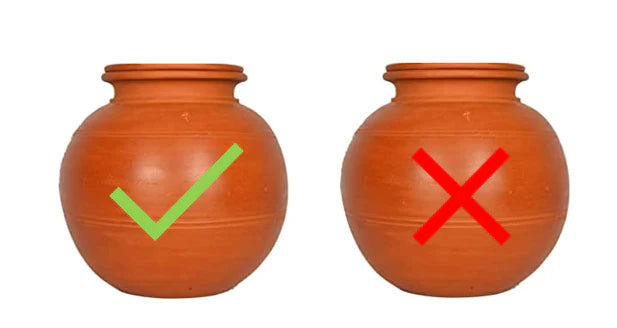
- Cookware: Some clay pots are made for cooking, such as Indian handi pots or Moroccan tagines.
Credit: villagedecor.in
Durability And Weather Resistance
One important difference is how well each type of pot handles weather.
Terracotta Pots
Terracotta is not frost-proof. Water soaks into the walls, and when it freezes, it expands, causing cracks or breaks. If you live where winters are cold, you should bring terracotta pots inside or empty them before the first frost.
Terracotta also chips if dropped and can break from sudden temperature changes. However, with care, terracotta pots can last for many years.
Clay Pots
Glazed clay pots, or those made from stoneware, are often more durable. The glaze seals the surface, keeping water out, and stoneware can handle freezing temperatures better. Some clay pots are designed to be frost-resistant—always check before buying if winter is a concern.
Appearance And Decorative Value
The look of your pots can change the whole feel of a room or garden.
- Terracotta offers a warm, natural, rustic charm. It fits well with Mediterranean, Southwestern, and country styles. The color blends beautifully with green plants and bright flowers.
- Clay pots come in more shapes, colors, and finishes. Glazed pots can be glossy, matte, plain, or patterned. You can find clay pots that match modern, classic, or playful themes.
Some people even “age” their terracotta pots to create a weathered look, adding character and charm to their gardens.
Cost Comparison
Price can be a deciding factor for many gardeners.
- Terracotta pots are usually affordable and widely available. Small pots can cost just a few dollars, while large or hand-made ones cost more.
- Clay pots vary in price. Plain, unglazed clay pots are similar in cost to terracotta, but glazed or designer pots can be expensive, especially if hand-painted or imported.
If you are starting a large garden or need many pots, terracotta is often the more budget-friendly choice.
Environmental Impact
Both terracotta and clay pots are natural products, but their environmental impact depends on how they are made and used.
- Renewable Material: Both use natural clay, which is abundant but requires energy to dig and fire.
- Long-lasting: With care, these pots can last for years. Broken pots can be recycled into drainage material for gardens.
- No Plastic Waste: Both are more eco-friendly than plastic pots, which end up in landfills.
One non-obvious insight: Some mass-produced, glazed clay pots may use harmful chemicals in their glazes. If you are growing food, look for pots labeled “food safe.”
Cleaning And Maintenance
Keeping your pots clean helps your plants stay healthy.
Terracotta Pot Care
- Soak Before Planting: Terracotta pots absorb water, so soak them before filling with soil to prevent them from stealing moisture from your plant.
- Scrub Off Stains: Use a stiff brush and water to remove white mineral stains.
- Winter Storage: If you live in a freezing climate, empty and store terracotta pots inside.
Clay Pot Care
- Check for Glaze Damage: If the glaze cracks, water can get in and cause damage.
- Clean with Mild Soap: Glazed surfaces can be wiped clean easily.
- Handle With Care: All clay pots are breakable, so move them gently.
A practical tip: Never put terracotta or unglazed clay pots in the dishwasher. The high heat and water can weaken them.
Cultural And Historical Importance
Both kinds of pots have deep roots in history.
- Terracotta has been used for thousands of years, from ancient Greek statues to the famous Terracotta Army in China. It is a symbol of earth, home, and tradition in many cultures.
- Clay pots have been found in nearly every ancient society, used for storing food, carrying water, and cooking.
In many places, making pots is an art form passed down through generations. Collectors value old terracotta and clay pots for their history and craftsmanship.
Which Should You Choose? Practical Advice
Choosing between terracotta and clay pots is not just about looks—it’s about matching the right pot to your plant, climate, and lifestyle.
Choose Terracotta If…
- You are growing succulents, cacti, or Mediterranean herbs.
- You tend to overwater your plants and need fast drainage.
- You want a warm, rustic look.
- You live in a climate with mild winters.
Choose Clay Pots If…
- You need more color and style options.
- Your plants need more moisture (tropicals, ferns, etc. ).
- You want a pot that lasts through cold winters.
- You do not want to water as often.
Common Mistakes To Avoid
- Using Terracotta for Thirsty Plants: Moisture-loving plants may dry out too fast in terracotta.
- Leaving Terracotta Pots Outside in Frost: Always bring them in or they may crack.
- Choosing Glazed Clay Pots Without Drainage Holes: Some decorative pots look nice but drown plant roots.
- Using Food in Non-food Safe Clay Pots: Some glazes contain lead or other toxins.
- Not Matching Pot Size to Plant Size: Both types can harm roots if too big or too small.
Real-life Examples And Expert Tips
Gardeners often share stories about their success or trouble with different pots. Here are a few practical insights:
- A cactus collector in Arizona found that terracotta pots kept her plants healthy, even in 110°F heat, because extra water evaporated quickly.
- A houseplant lover in New York prefers glazed clay pots for her tropical plants, as they hold water longer in dry indoor air.
- A mistake beginners make: They use the same soil and pot for all plants. Succulents in glazed clay pots often rot, while ferns in terracotta dry up. Always match your plant’s needs to your pot.
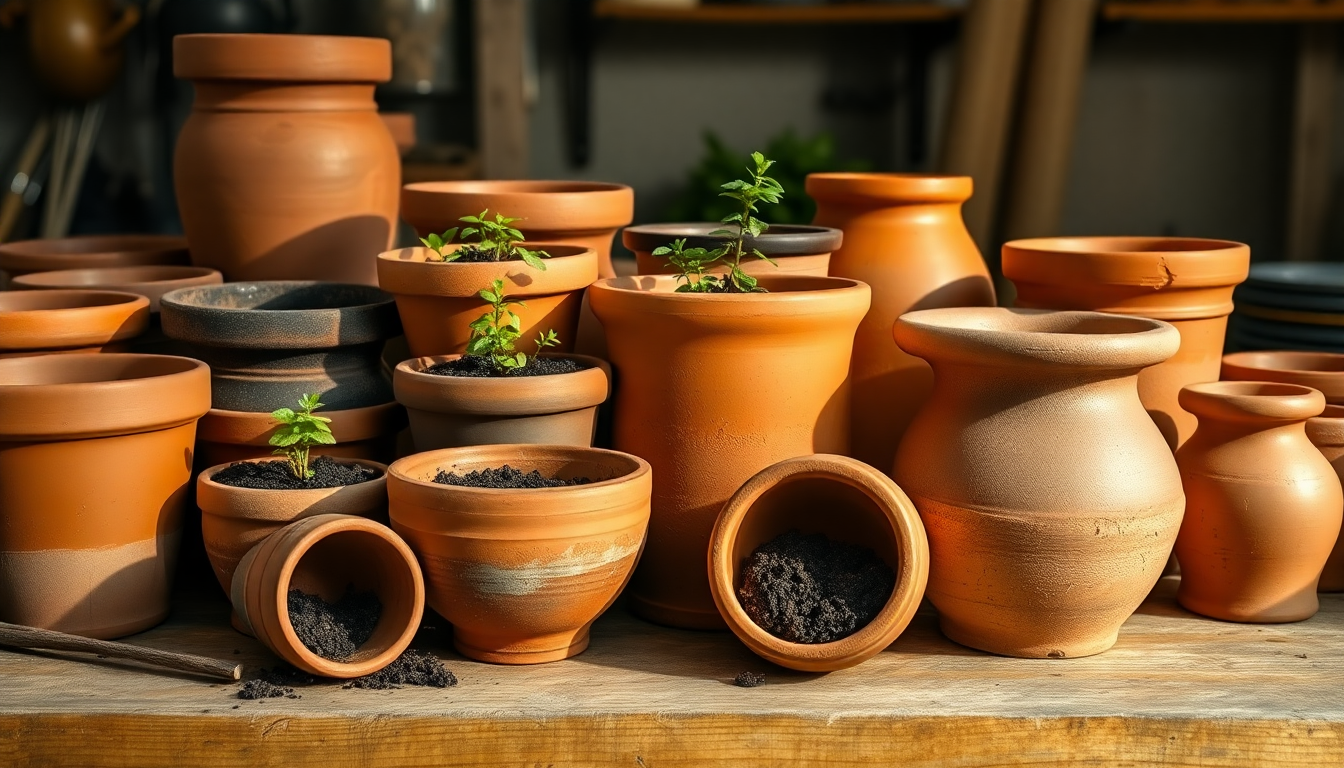
Another non-obvious insight: Terracotta pots can “age” and develop a patina that some collectors love, but others may dislike. If you want spotless pots, choose glazed clay.
Credit: www.idyl.co.in
Comparison Table: Which Pot For Which Plant?
To help you quickly decide, here’s a summary:
| Plant Type | Best Pot Type | Reason |
|---|---|---|
| Succulents/Cacti | Terracotta | Fast drainage, breathability |
| Tropical Plants | Glazed Clay | Moisture retention |
| Mediterranean Herbs | Terracotta | Dry-loving roots |
| Ferns | Glazed Clay | Needs wet soil |
| Outdoor Winter Use | High-fired Clay | Frost resistance |
A Quick Guide To Buying The Right Pot
When shopping, keep these points in mind:
- Check for Drainage: Always choose pots with drainage holes unless you will use them as decorative covers.
- Feel the Weight: Heavier pots may be harder to move but are less likely to tip over.
- Inspect for Cracks: Both terracotta and clay pots can have hairline cracks that will get worse with time.
- Ask About Food Safety: If growing herbs or vegetables, especially in glazed pots, make sure they are food safe.
For more on pottery and its history, you can visit Wikipedia’s terracotta page.
Frequently Asked Questions
What Is The Main Difference Between Terracotta And Clay Pots?
The main difference is that terracotta pots are made from a special iron-rich red clay and are always unglazed, giving them a porous, reddish finish. Clay pots can be made from different types of clay, may be glazed or unglazed, and come in many colors and finishes.
Are Terracotta Pots Better For All Plants?
No. Terracotta pots are best for plants that like dry conditions, such as succulents and Mediterranean herbs. Moisture-loving plants may dry out too quickly in terracotta and do better in glazed clay pots.
Can Terracotta Pots Be Used Outside In Winter?
Terracotta pots are not frost-proof. Water in the walls can freeze and cause them to crack. If you live in a cold climate, bring terracotta pots indoors during winter or empty them before the first frost.
Are Glazed Clay Pots Safe For Food Plants?
Some glazed clay pots may contain harmful chemicals like lead. If you plan to grow food, look for pots labeled food safe or check with the seller about the glaze used.
How Do You Clean Mineral Stains From Terracotta Pots?
Soak the pot in a mix of vinegar and water, then scrub with a stiff brush. Avoid using harsh chemicals, as terracotta is porous and can absorb residues.
As you can see, understanding the difference between terracotta and clay pots helps you make the best choice for your garden, your plants, and your style. Whether you prefer the classic look of terracotta or the variety and strength of clay pots, the right container can make your plants healthier and your space more beautiful.