
If you live in a home with French doors, you know how beautiful and practical they can be. These double doors, often with glass panes, let in natural light and create a feeling of openness. But many homeowners worry about one thing: security. Interior French doors, in particular, are often seen as easy to open or not very private. Maybe you want to keep kids out of a home office, protect a bedroom, or just make sure pets stay where they belong. Whatever the reason, learning how to lock French doors interior is an important skill.
This guide will walk you through all the details. We will cover the types of locks, how to choose the right one, how to install them, and even cover some clever solutions most people miss. Along the way, you’ll get tips that save time, prevent damage, and help you avoid common mistakes.
By the end, you’ll know exactly how to make your interior French doors both stylish and secure.
Understanding Interior French Doors
Before you start thinking about locks, it’s helpful to understand what makes French doors different from other doors. French doors are usually two doors that swing open from the middle. Most have glass panels, but some are all wood. They are popular for rooms where you want style and light, like offices, dining rooms, and master bedrooms.
Interior French doors usually have:
- Light wooden frames
- Glass panels (sometimes called “lites”)
- A gap where the two doors meet (the “meeting stile”)
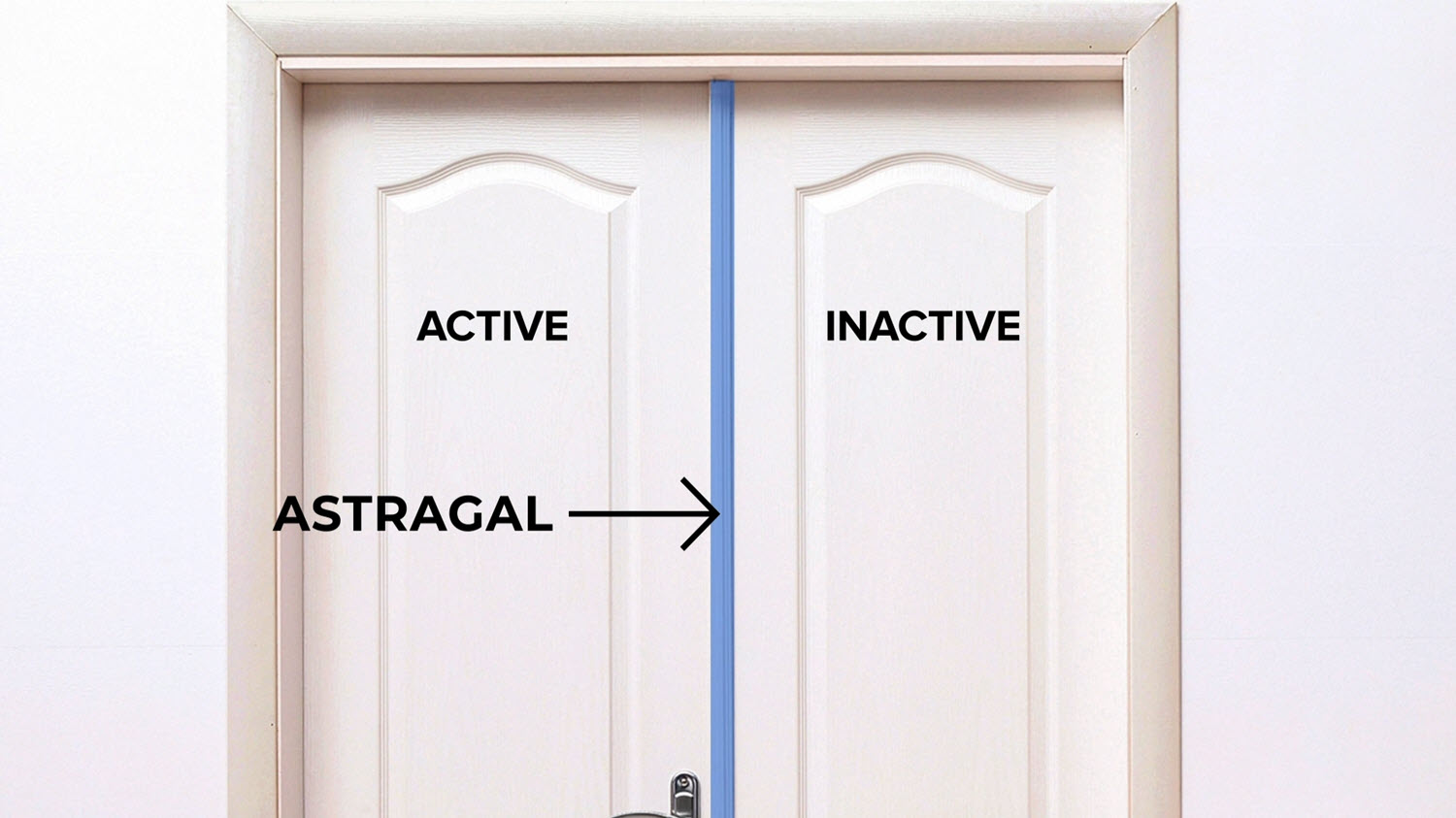
- A passive (fixed) door and an active (opening) door
Because of their design, French doors do not always have a strong locking system. Regular door locks or deadbolts don’t always work well on them. That’s why you need special solutions.
Why Locking Interior French Doors Matters
Many people think interior doors don’t need much security. But there are several good reasons to lock French doors inside your home:
- Privacy: Bedrooms, offices, or dens need privacy. Glass doors let in light, but without a lock, anyone can walk in.
- Safety: Keeping kids or pets out of certain rooms can prevent accidents.
- Protection: Valuable items in a home office or display room are safer behind a locked door.
- Control: If you rent out part of your house, locks on interior doors can separate living spaces.
In some homes, especially older ones, French doors are the only thing between your bedroom and a busy hallway. Locking them makes sense.
Types Of Locks For Interior French Doors
Choosing the right lock is the most important step. French doors are different from regular doors because of their double-leaf design and often thin frames. Here are the main types of locks you can use, with pros and cons for each.
1. Surface-mounted Slide Bolts
Surface bolts are simple metal bars you attach to the top or bottom of the door. Slide them into a metal catch to lock one door in place.
Pros:
- Easy to install
- Inexpensive
- No need to cut into the door
Cons:
- Not the most secure
- Usually only work on the passive door
2. Mortise Locks
Mortise locks fit inside a pocket you cut into the door. They are more secure and can be locked with a key.
Pros:
- Strong and durable
- Keyed entry is possible
- Looks neat and professional
Cons:
- Harder to install
- Can be expensive
- Requires special tools
3. Flush Bolts
Flush bolts are similar to surface bolts, but they sit inside the edge of the door and are hidden when the door is closed.
Pros:
- Invisible when closed
- Good for tall French doors
- More secure than surface bolts
Cons:
- Need to cut into the door
- Not easy for beginners
4. Keyed Knob Or Lever Locks
If your French doors have a hole for a knob, you can use a standard interior knob with a lock.
Pros:
- Simple to use
- Matches other door hardware
Cons:
- Only works if the door is thick enough
- Not suitable for all French doors
5. Double Cylinder Deadbolts
These locks use a key on both sides. They are often used for exterior French doors, but some people use them inside for high security.
Pros:
- Very secure
- Can only be opened with a key
Cons:
- Can be a fire hazard (harder to exit in an emergency)
- Not recommended for bedrooms
6. Hook And Eye Latches
A basic hook and eye latch is a small hook that fits into a loop or eye. It’s simple but can be effective for light security.
Pros:
- Very easy to install
- Low cost
Cons:
- Not very strong
- Easy to bypass
7. Electronic Locks
Smart locks or electronic push-button locks are becoming popular, even indoors.
Pros:
- Keyless entry
- Can be programmed with codes
Cons:
- Expensive
- Requires batteries or wiring
8. Barrel Bolts
Barrel bolts are similar to surface bolts but usually thicker and stronger.
Pros:
- More secure than a hook and eye
- Simple to use
Cons:
- Visible on the door
- Can look less stylish
9. Magnetic Locks
These use magnets to hold the doors closed. Some are simple, others are part of a smart home system.
Pros:
- No visible hardware
- Silent operation
Cons:
- Not very strong
- Needs power or batteries
10. Patio Door Locks
Some French doors use the same locks as sliding patio doors. These can be adapted for double-swing French doors in some cases.
Pros:
- Designed for glass doors
- Some models are child-proof
Cons:
- Not all fit swinging doors
- May require extra parts
Below is a quick comparison of the most popular lock types for interior French doors:
| Lock Type | Security | Installation Difficulty | Cost Range | Visibility |
|---|---|---|---|---|
| Surface Slide Bolt | Low-Medium | Easy | $5-$20 | Visible |
| Mortise Lock | High | Hard | $30-$80 | Hidden |
| Flush Bolt | Medium-High | Medium | $10-$25 | Hidden |
| Keyed Knob | Medium | Easy-Medium | $15-$40 | Visible |
| Hook & Eye | Low | Very Easy | $3-$10 | Visible |
| Electronic Lock | High | Medium-Hard | $80-$250 | Visible |
How To Choose The Right Lock For Your French Doors
Not all locks fit every French door. Here’s how to decide which one is best for your needs:
- Door Material and Thickness: Make sure the lock you pick fits your door. Thin wooden frames may not handle a heavy deadbolt.
- Purpose: Do you want privacy, security, or just to keep a child out? For bedrooms, a simple knob lock might work. For offices, consider a mortise lock.
- Style: Some locks look better with classic French doors. Others are more modern. Choose what matches your home.
- Ease of Use: If the lock is for kids or seniors, pick something simple.
- Installation: Are you comfortable using tools? Some locks are DIY-friendly; others need a pro.
- Budget: Prices range from a few dollars to hundreds. Basic locks are fine for privacy, but spend more if you need security.
Non-obvious tip: Many people forget to check if their French doors are “pre-drilled” for locks. If not, you may have to drill holes or cut out a space for the lock. This can be hard on glass-paneled doors.
Tools And Materials Needed
You don’t need a lot of tools to install most French door locks. Still, being prepared makes the job easier. Here’s a list of what you might need:
- Drill (with bits for wood)
- Screwdriver (Phillips and flathead)
- Measuring tape
- Pencil
- Chisel (for mortise or flush bolts)
- Level
- Safety glasses
- Lockset or bolt kit
Some kits include all screws and templates. For electronic locks, you may need extra batteries or a small wrench.
Insight: If you have glass near where you’ll drill, use masking tape on the glass to catch chips and protect the area.
Step-by-step: How To Lock French Doors Interior
Now let’s get hands-on. The steps below cover the most common way to lock French doors from the inside—using a surface bolt or flush bolt on one door, and a privacy lock or knob on the other. If you choose a more advanced lock, the basic ideas are the same, but check the manual for your lock.
Step 1: Decide Which Door Is Active
French doors usually have one door that stays closed most of the time (passive) and one that you open (active). The lock usually goes on the active door, and a bolt on the passive one.
Step 2: Install Surface Or Flush Bolts On The Passive Door
- Mark the location: At the top and bottom edge of the passive door, mark where the bolt will go.
- Drill pilot holes: For flush bolts, you may need to chisel out a slot so the bolt sits flush.
- Attach the bolt: Use screws to attach the bolt to the door.
- Install the strike plate: Close the door, extend the bolt, and mark where it hits the door frame or floor. Screw the strike plate in place.
Pro tip: Some people skip the bottom bolt, but for strong security, use both top and bottom bolts.
Step 3: Install The Lock On The Active Door
- Check door thickness: Make sure your lock fits your door.
- Mark the lock height: Usually 36 inches from the floor.
- Drill holes: Follow the template included with your lock.
- Install the lock: Insert the lock body and screw it in place.
- Attach the strike plate: Close the door, mark the spot on the frame, and install the plate.
Step 4: Test And Adjust
Open and close the doors several times. Make sure the bolts and locks line up. Adjust as needed. If the doors don’t stay closed, check if the frame is warped—older homes often have this problem.
Step 5: Secure The Meeting Stile
The meeting stile is where the two French doors come together. If there’s a gap, you can add a strip of wood (called an “astragal”) to cover it and make it harder to pry open.
Non-obvious insight: Many people don’t add an astragal, but it helps both security and privacy, especially with glass doors.
Step 6: Add Secondary Locks (if Needed)
If you want more security, add a barrel bolt, hook and eye latch, or even a small electronic lock for extra peace of mind.
Step 7: Hide Or Match Hardware
If you care about style, paint the lock to match your door or choose hardware that matches your existing knobs and hinges.
Here’s a quick table showing the best lock types for different French door uses:
| Room Type | Best Lock Type | Why It’s Best |
|---|---|---|
| Home Office | Mortise Lock + Flush Bolts | High security, professional look |
| Bedroom | Keyed Knob or Lever | Privacy, easy for daily use |
| Playroom | Surface Slide Bolt | Simple child safety |
| Rental Suite | Electronic Lock | No keys needed, track entry |
| Sunroom | Magnetic Lock | Holds doors closed, keeps pets in |
Credit: www.youtube.com
Common Mistakes To Avoid
Even experienced DIYers make mistakes when locking French doors. Here are the most common ones:
- Using the wrong lock type: Not all locks fit French doors. For example, deadbolts need thick wood.
- Not securing the passive door: If you only lock one door, the other can be pushed open.
- Poor alignment: If the bolts or locks don’t line up, the doors won’t lock.
- Ignoring the meeting stile: A gap makes it easy to “jimmy” the doors open.
- Choosing style over function: Some people pick the most stylish lock, but it may not provide enough security.
Practical advice: Always measure twice before drilling. It’s much easier to adjust your plan than fix a hole in a glass-paneled door.
Advanced Security: Upgrades And Smart Solutions
If you want to go further, here are some advanced ideas that most homeowners don’t consider:
Smart Locks And Keypads
Modern smart locks can be installed on interior French doors, especially for home offices or rental suites. These locks use codes, fingerprints, or even phone apps to open.
- Set different codes for family or guests
- Check entry logs
- Set auto-lock timers
Security Film For Glass
Because French doors often have glass panels, consider applying a security film. This is a clear plastic sheet that holds glass together if it breaks. It adds privacy and safety without changing the look of your doors.
Door Alarms
Small stick-on alarms can alert you if someone opens the French doors. Useful for home offices or rooms with valuables.
Reinforcing Hardware
Upgrade the hinges and use longer screws for more strength. Weak hinges are a hidden risk on French doors.
Soundproofing And Privacy
If privacy is your main concern, add soundproofing strips or curtains. This won’t stop a determined intruder, but it keeps out noise and prying eyes.
Unique tip: If you have classic antique French doors, check with a carpenter before making changes. Some old doors are valuable and can be damaged by modern locks.
Maintenance And Care
Once you’ve installed your locks, a little maintenance keeps them working smoothly:
- Oil moving parts every six months
- Check screws for tightness
- Clean glass carefully around locks
- Replace batteries in electronic locks before they run out
If you notice the doors sticking or the lock is hard to turn, fix it right away. Small problems can become big ones if ignored.
When To Call A Professional
Most surface bolts and basic locks are DIY-friendly. But if you have expensive doors, glass panels, or need a mortise lock, it might be smart to call a locksmith or carpenter. They can:
- Cut perfect mortises without damaging the door
- Advise on the best lock for your door type
- Install smart locks and test them
Non-obvious insight: Some home insurance policies require proof that interior doors are locked if you rent out rooms. A pro can help you get the right paperwork.
Credit: learn.reeb.com
Real-world Examples
Let’s look at a few situations:
- Home office: You work from home and need privacy during meetings. A mortise lock with a key keeps the room private, while flush bolts keep the second door closed.
- Bedroom with kids: You want to keep toddlers out. A surface bolt at the top (out of reach) plus a knob lock is a smart solution.
- Rental suite: You rent out a guest room. An electronic keypad lock gives guests access without keys and lets you change codes easily.
- Classic home: You own a historic house. A hidden flush bolt preserves the look of old French doors without adding visible hardware.
These examples show there’s no one-size-fits-all answer. The best lock depends on your needs, door style, and how much work you want to do.
Diy Vs Professional Installation: What Really Matters
Many homeowners want to save money with DIY installation. Here’s a quick comparison to help you decide:
| Factor | DIY | Professional |
|---|---|---|
| Cost | Low | Medium-High |
| Skill Needed | Basic tools, careful measuring | Expertise, special tools |
| Time | 1–2 hours | 30–60 mins |
| Quality | Can be high, but risk of mistakes | Consistent, professional fit |
| Warranty | Usually none | Often included |
If you’re not confident with tools, or the doors are expensive, it’s worth hiring a pro. For simple locks, most people can do the job themselves.
Credit: www.schlage.ca
Additional Tips For Extra Security And Privacy
- Use curtains or frosted film on glass panels for privacy.
- Install bumpers or door stops to prevent the doors from swinging too far and damaging locks.
- Choose locks with child safety features if you have young kids.
- Check local fire codes: Some areas have rules about which locks you can use on interior doors, especially for bedrooms.
Frequently Asked Questions
How Do I Lock French Doors Without Drilling?
You can use surface-mounted slide bolts or hook and eye latches that screw into the door without drilling large holes. For a no-damage option, try removable childproof locks or magnetic locks that use adhesive pads. These won’t provide high security but are enough for basic privacy.
Are There Smart Locks For Interior French Doors?
Yes, some smart locks work on interior French doors, especially those designed for double doors. Look for keypad locks or retrofit smart locks that can fit your door’s thickness. Always check that the lock supports double-door operation and works with your door’s style.
Can I Add A Lock To Glass-paneled French Doors?
You can, but you must be careful not to crack the glass. Flush bolts or surface bolts are safest, as they attach to the door edge or face. For heavy locks, consider hiring a professional. Avoid putting too much pressure near the glass when installing.
What Is The Best Way To Secure Double Interior Doors?
The best method is to use flush bolts on the passive door and a keyed knob or lever lock on the active door. Add an astragal to cover the gap between doors for extra security. This combination provides both privacy and strength.
Where Can I Find More Information About Door Security?
For more details on lock types, installation, and security standards, visit the Family Handyman website. They offer tutorials and tips for homeowners at all skill levels.
Securing your interior French doors is easier than many people think. With the right lock, a few tools, and careful planning, you can add privacy, safety, and style to any room in your home. Whether you choose a simple bolt, a smart lock, or a traditional mortise system, you now have the knowledge to do the job right.
The peace of mind is well worth the effort.