
Cooking Spray Without Residue
For many home cooks, cooking spray is a kitchen essential. It promises easy food release, less oil, and simple cleanup. But if you’ve ever noticed a sticky film on your pans or baking sheets, you’re not alone. That sticky layer is residue left behind by some cooking sprays. It can ruin nonstick pans, affect food flavor, and even cause smoke. More people are now searching for cooking spray without residue—but what does that really mean? How do you choose the right one, and are there better alternatives? Let’s look at everything you need to know for a residue-free cooking experience.
What Is Cooking Spray Residue?
Cooking spray residue is the sticky or brown film left on pans, bakeware, or appliances after cooking. This film is often tough to scrub away and can build up over time, especially if you use your pans regularly. Many people mistake this for burnt food or old oil, but it’s often from the spray itself.
The main culprits are the propellants and emulsifiers in regular cooking sprays. These ingredients help spray the oil evenly but can leave behind substances that don’t evaporate or burn away during cooking. Over time, this leads to a noticeable film, especially on nonstick surfaces.
Not all sprays are the same—some leave more residue than others. Understanding why residue forms is the first step in finding a better option.
Why Does Residue Matter?
Residue isn’t just annoying. It can affect your food, your cookware, and even your health.
- Damages nonstick pans: The film can bond with nonstick coatings, making them less effective and sometimes leading to early pan failure.
- Alters flavor: Old residue can give a burnt or chemical taste to new dishes.
- Tough cleanup: It takes extra scrubbing to remove, which may scratch pans or wear down coatings.
- Possible health concerns: Overheated residue can produce smoke or odors, which may be unpleasant or even harmful over time.
If you want your pans to last and your food to taste its best, choosing a residue-free cooking spray makes a big difference.
What Causes Cooking Spray Residue?
Several factors contribute to residue on your cookware:
- Lecithin: This is an emulsifier added to help oil and propellant mix. It’s sticky and heat-stable, so it often doesn’t burn off during cooking.
- Propellants: Chemicals like butane or propane push the oil out of the can. These can react with heat and leave behind a film.
- Additives: Some sprays include anti-foaming agents, flavorings, or preservatives that don’t fully burn off.
- Overuse: Spraying too much can cause buildup, as only a thin layer is needed.
- Low oven temperatures: Residue forms more easily if oil doesn’t get hot enough to break down.
Some residue is almost impossible to avoid with regular sprays. That’s why more brands now offer “no residue” or “clean release” sprays.
What Is Cooking Spray Without Residue?
When people say “cooking spray without residue,” they mean a spray that doesn’t leave a sticky or tough-to-clean film after use. These sprays usually skip problematic additives or use pure oils that burn off cleanly.
Key features of residue-free sprays:
- Made with pure oil (like avocado, coconut, or olive oil)
- Free from lecithin, silicone, or extra additives
- Sometimes use air pressure instead of chemical propellants
- Marketed as “no residue” or “clean release”
But not all “natural” or “healthy” sprays are truly residue-free. Reading labels and understanding ingredients helps you make the right choice.
Common Types Of Cooking Spray
Not all cooking sprays are created equal. Here’s a look at the main types you’ll find in stores and how they compare for residue:
| Spray Type | Main Ingredients | Residue Risk | Common Uses |
|---|---|---|---|
| Traditional (Canola, Vegetable) | Oil, lecithin, propellant | High | General cooking, baking |
| Pure Oil Spray | 100% oil, air pressure | Low | All-purpose, high-heat cooking |
| Flavored Spray (Butter, Olive) | Oil, flavors, emulsifiers | Medium | Pancakes, popcorn, baking |
| Residue-Free Spray | Pure oil, no additives | Very Low | Nonstick pans, baking |
Most residue comes from lecithin and propellants, not the oil itself. That’s why “100% oil” or “residue-free” sprays are best for clean pans.
Top Residue-free Cooking Spray Brands
If you want to avoid sticky pans, here are some top-rated no residue cooking spray brands. These are popular among home cooks and professionals:
- Chosen Foods 100% Avocado Oil Spray
- Made with only avocado oil and air pressure
- No lecithin or propellants
- High smoke point (500°F+), so great for grilling or baking
- La Tourangelle Pure Grapeseed Oil Spray
- Just grapeseed oil, no additives
- Neutral flavor, good for all dishes
- Non-aerosol, no chemical aftertaste
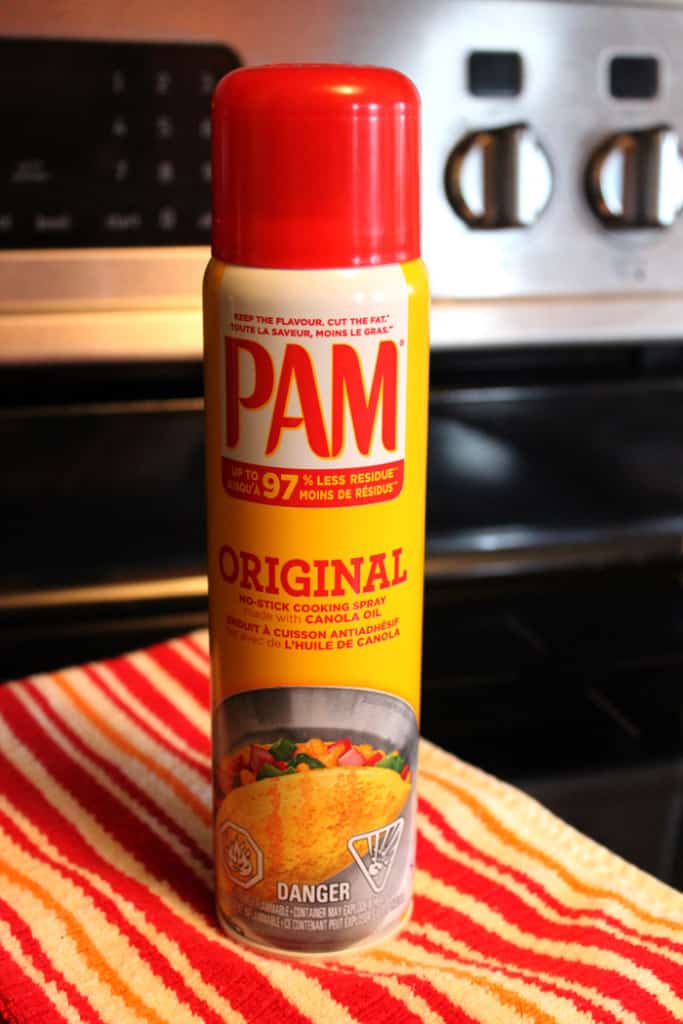
- PAM Organic Canola Oil Spray (No Propellant)
- Uses organic canola oil
- No propellant, fewer additives
- Labeled as “no stick, no residue” by the brand
- Bertolli 100% Extra Virgin Olive Oil Spray
- Pure olive oil, no chemicals
- Ideal for Mediterranean dishes, salads, or roasting
- Simple ingredient list
- Mantova Pure Olive Oil Spray
- Uses bag-in-can technology for pure spray
- No propellant, no preservatives
- Works well for high-heat and cold uses
- Spectrum Naturals High Heat Canola Spray
- No additives, just canola oil
- Designed for frying, sautéing, or grilling
- Leaves pans clean
- Trader Joe’s Coconut Oil Spray
- Pure coconut oil, no artificial ingredients
- Slight coconut aroma, excellent for baking
- Non-GMO and residue-free
- 365 by Whole Foods Market Avocado Oil Spray
- Only avocado oil inside
- Non-aerosol, eco-friendly can
- Tested for clean release
- BetterBody Foods Avocado Oil Spray
- High smoke point, good for searing
- Pure oil, no propellants or emulsifiers
- Leaves no sticky film
- Misto Refillable Oil Sprayer (DIY Option)
- Fill with your favorite oil
- No additives at all
- Reusable, reduces waste and cost
Many of these sprays clearly state “no residue” or “no additives” on the packaging. Always check the ingredient list—even “healthy” sprays can hide unwanted additives.
How To Spot A True Residue-free Spray
Don’t trust marketing alone. Look for these signs when choosing your next cooking spray:
- Ingredient list: Should say only one oil (like “avocado oil”) and nothing else.
- No lecithin or silicone: These are common residue-formers.
- No propellants: Air pressure is safer and cleaner than butane or propane.
- Non-aerosol: Bag-in-valve or pump sprays are less likely to leave residue.
- No artificial flavors or colors: These can add to the sticky buildup.
If you see “soy lecithin,” “dimethyl silicone,” or “propane” in the list, it’s likely not truly residue-free.
How To Use Cooking Spray Without Residue
Even the best spray can leave a film if used the wrong way. Here’s how to get the cleanest results:
- Use only a light mist. One or two seconds of spray is enough for most pans.
- Hold the can 6–12 inches away. This ensures even coverage without pooling.
- Don’t overspray. More isn’t better—too much oil leads to buildup.
- Wipe off excess. For nonstick pans, you can wipe with a paper towel after spraying.
- Avoid cold pans. Let the pan heat a little before spraying, so oil spreads and burns off cleanly.
- Clean pans after each use. Don’t let oil sit overnight or between uses.
These small steps make a big difference and help keep even old pans clean.
How To Clean Residue From Pans
If you already have sticky buildup, you can still save your pans. Here’s what works best:
- Hot water soak: Fill the pan with very hot water and a drop of dish soap. Let it soak for 30–60 minutes.
- Baking soda paste: Mix baking soda and water, spread on the sticky area, and let it sit for 15 minutes. Scrub gently with a soft sponge.
- White vinegar rinse: For tough spots, add vinegar to the baking soda paste. The fizz helps lift residue.
- Bar Keeper’s Friend: This gentle abrasive cleaner is safe for most cookware and removes stubborn films.
- Repeat as needed: Several rounds may be needed for heavy buildup.
Never use steel wool or sharp scrapers on nonstick pans, as they can damage the coating. For stainless steel or cast iron, a bit more scrubbing is safe.
How Do Residue-free Sprays Compare To Other Oils?
Wondering if you even need cooking spray? Here’s how residue-free spray stacks up against other oil options:
| Option | Residue Risk | Ease of Use | Flavor Impact | Best For |
|---|---|---|---|---|
| Residue-Free Spray | Very Low | Very Easy | Neutral or mild | Nonstick pans, quick greasing |
| Brushed Liquid Oil | Low | Medium | Can enhance flavor | Baking, roasting, grilling |
| Butter or Margarine | Low–Medium | Medium | Strong flavor | Baking, pancakes |
| Traditional Spray | High | Very Easy | Neutral | Quick release, but sticky pans |
| DIY Oil Mister | Very Low | Easy | Varies by oil | All uses |
Residue-free spray wins for speed and clean-up, but brushing oil also works well—especially for high-heat or specialty recipes.

Credit: www.tomthumb.com
Non-obvious Insights For Beginners
Some tips you might not hear elsewhere:
- Preheating matters: Spraying oil onto a warm pan helps the oil spread evenly and burn off cleanly. Cold pans can cause oil to pool and stick.
- Nonstick pans need the thinnest spray: Too much oil on nonstick surfaces actually increases residue and can reduce pan life.
- High smoke point oils leave less residue: Sprays made from avocado, grapeseed, or refined coconut oil resist burning, so there’s less sticky buildup.
- DIY misters are cost-effective: You can use any oil you like, and there’s no risk of hidden additives.
- Check your oven and pan temperature: If you cook below 350°F, even pure oils can leave some residue, as they don’t vaporize fully.
Who Should Use Cooking Spray Without Residue?
Residue-free spray isn’t just for gourmet chefs. It’s a smart choice for anyone who:
- Uses nonstick or ceramic pans often
- Bakes frequently (muffins, cakes, cookies)
- Wants fast, easy cleanup
- Cares about healthy, additive-free cooking
- Has had trouble with sticky pans or burnt-on films
If you cook daily, investing in a clean spray saves time, money, and frustration.

Credit: www.amazon.com
Common Myths About Cooking Sprays
There are a few myths that can confuse buyers. Let’s clear them up:
- All sprays leave residue: Not true. Pure oil, non-propellant sprays are almost residue-free if used correctly.
- More spray means better nonstick: Actually, too much can cause sticking and burnt flavors.
- Residue is normal wear and tear: With the right spray, pans can stay almost new for years.
- Residue-free sprays are expensive: Many options cost only a few cents more per use than traditional sprays, especially when bought in bulk or made at home.
Diy Residue-free Cooking Spray
Want complete control? You can make your own spray at home. Here’s how:
- Buy a refillable oil mister or spray bottle (like the Misto brand).
- Pour in your favorite oil (avocado, canola, olive).
- Pump the top or pressurize as directed.
- Spray a thin layer onto your pan or bakeware.
Benefits:
- No additives, so no residue
- Choose any oil for flavor or health needs
- Cheaper in the long run
- Environmentally friendly (no single-use cans)
For best results, clean the mister regularly to avoid clogs.
How To Store And Use Cooking Spray For Best Results
Proper storage and use keep your spray fresh and effective:
- Store upright in a cool, dry place. Avoid direct sunlight or near the stove.
- Shake before use if the label suggests—it helps mix oil and air for even spray.
- Check expiration dates—old oil can go rancid and cause off-flavors or poor performance.
- Clean spray nozzle if it gets clogged—run under hot water or wipe with a damp towel.
A little care keeps your sprays working like new.
What To Avoid When Choosing Cooking Spray
Avoid these mistakes to ensure you get a true residue-free experience:
- Picking sprays with a long list of ingredients
- Believing all “olive oil” sprays are pure (some add canola or propellants)
- Overusing spray—especially on pans you value
- Ignoring smoke point—never use low-smoke oils for high-heat tasks
If in doubt, choose the simplest product with the fewest ingredients.
Health And Safety Of Cooking Sprays
Residue-free sprays are generally safe and healthy, but there are a few things to remember:
- Pure oil sprays contain no added chemicals—good for health-conscious cooks.
- Avoid inhaling spray mist—even natural oils can be irritating to lungs if sprayed in large amounts.
- Look for non-GMO and organic labels if you prefer fewer pesticides or additives.
- Check for allergens. Some sprays may contain soy or other allergens, even if labeled “pure.”
If you’re cooking for people with allergies or sensitivities, always read the label.
Environmental Impact Of Cooking Sprays
Most residue-free sprays use bag-on-valve technology or refillable bottles, which are more eco-friendly than traditional aerosol cans. Here’s why it matters:
- Less waste: Refillable misters last for years.
- No chemical propellants: Air pressure is cleaner and safer.
- Easier recycling: Many cans are now fully recyclable—check your local guidelines.
If sustainability is important to you, consider a DIY mister or sprays with eco labels.
Real-world Examples
- Professional bakers often use residue-free sprays to keep cake pans perfectly clean for dozens of uses.
- Families with nonstick cookware find their pans last years longer when switching to pure oil sprays.
- People with allergies appreciate sprays with no soy, gluten, or artificial flavors.
One baker reported that after switching from regular spray to a pure avocado oil spray, her pans were easier to clean and her cakes no longer had a “rubbery” bottom layer.
Where To Buy Residue-free Cooking Sprays
You can find these sprays at:
- Major grocery stores (Whole Foods, Trader Joe’s, Safeway)
- Online retailers (Amazon, Thrive Market, Walmart)
- Health food stores
- Kitchen specialty shops
Check both the baking and natural foods aisles, as some sprays are stocked with specialty oils.
Credit: momvstheboys.com
Cooking Spray Alternatives
If you don’t want to use spray, try these options:
- Brushing oil: Use a silicone brush to add a thin layer of oil.
- Parchment paper: Great for baking, keeps pans totally clean.
- Butter wrappers: After unwrapping butter, use the wrapper to grease pans.
- Reusable silicone baking mats: Ideal for cookies or roasting veggies.
Each method has its pros and cons, but all avoid the issue of spray residue.
How To Test If A Spray Leaves Residue
Here’s a simple home test:
- Spray a clean, cold nonstick pan with your chosen spray.
- Bake in the oven at 350°F for 10 minutes (empty).
- Let cool and wipe with a paper towel.
If you see a sticky or brown film, your spray leaves residue. If the towel comes away clean, you’ve found a winner.
Recent Trends And Research
Newer sprays use compressed air instead of chemical propellants. Research shows these sprays perform as well as aerosols for nonstick release, with far less residue.
A 2022 consumer survey found that 67% of home cooks would pay extra for a spray that doesn’t damage pans or leave sticky films. As demand grows, more brands are switching to cleaner formulas.
For more on the science of nonstick sprays, see this Wikipedia overview.
Frequently Asked Questions
What Is The Main Cause Of Sticky Residue From Cooking Spray?
The main cause is lecithin and chemical propellants found in many traditional sprays. These ingredients help oil spray evenly but often do not burn off, leading to a sticky film on pans.
Can I Use Cooking Spray On All Types Of Cookware?
Yes, but nonstick pans and bakeware benefit most from residue-free sprays. Avoid using any spray on cast iron unless it’s pure oil, as additives can damage seasoning.
Is It Safe To Use Cooking Spray Near An Open Flame?
Always follow label directions. Most residue-free sprays use air pressure and are less flammable than aerosol sprays, but all oils can catch fire if sprayed directly onto flames.
How Do I Clean A Pan With Heavy Cooking Spray Buildup?
Soak in hot water and dish soap, scrub with a baking soda paste, or use a gentle cleanser like Bar Keeper’s Friend. Avoid steel wool on nonstick surfaces.
Are Residue-free Sprays Healthier Than Regular Sprays?
Generally, yes. Residue-free sprays have fewer additives and no chemical propellants, making them a cleaner choice for you and your family.
Your cookware deserves the best care, and your food deserves the best flavor. Choosing the right cooking spray—one that truly leaves no residue—makes a real difference in your kitchen. With the right product and a few simple habits, you’ll enjoy clean pans, great-tasting food, and stress-free cleanup every time you cook.