
If you love spending time in the kitchen, you’ve probably reached for a can of spray more than once. Maybe you wondered: is there a real difference between baking spray and cooking spray? Should you use one for cakes and another for frying eggs? Understanding the differences can change your results, help avoid kitchen mistakes, and even make cleanup easier. Let’s dive deep into what sets these sprays apart, how to use them, and which is right for your next recipe.
What Are Baking Spray And Cooking Spray?
Both baking spray and cooking spray are aerosol products that help prevent sticking. They usually come in metal cans and are sprayed directly onto pans, baking dishes, or even food. But they’re not the same thing.
Cooking spray is a general term for sprays made mostly from oils like canola, vegetable, olive, or soybean oil. It’s designed for frying, roasting, sautéing, and grilling. The main purpose: prevent food from sticking to pans.
Baking spray is made for baked goods. It usually contains oil, flour, and sometimes lecithin (an emulsifier). Its special formula helps baked items like cakes and muffins release perfectly from pans, especially intricate ones.
Ingredients And Formulation Differences
The biggest difference between baking and cooking spray is in their ingredients.
Cooking spray typically contains:
- Pure oil (canola, vegetable, olive, etc.)
- Propellant (like nitrous oxide or propane)
- Emulsifiers (sometimes)
- Anti-foaming agents
Baking spray contains:
- Oil (canola, vegetable, sometimes butter flavor)
- Flour (wheat or rice flour)
- Emulsifiers (often lecithin)
- Propellant
The addition of flour in baking spray is what makes it unique. This extra ingredient helps baked goods release better, especially from pans with detailed patterns.
Why Flour Matters
When you bake cakes, flour sticks to the oil and fills tiny gaps in the pan’s surface. This creates a barrier that prevents batter from sticking. It’s like the classic method of greasing and flouring a pan, but in one spray.
Uses And Applications
Choosing the right spray for your cooking or baking needs is important. Here’s how each is used.
Cooking spray is ideal for:
- Frying eggs, pancakes, or bacon
- Roasting vegetables
- Grilling meat or fish
- Preventing food from sticking to baking sheets
Baking spray is best for:
- Cakes, brownies, muffins, cupcakes
- Bundt pans and intricate molds
- Quick breads and loaf pans
Some home bakers use cooking spray for baking, but it doesn’t always work well. Cakes can stick, especially in pans with deep ridges or shapes. Baking spray’s flour solves this problem.
Performance: Which Works Best?
If you compare the two sprays, the results can be surprising. To illustrate, here’s a simple data table showing how cakes perform in different pans:
| Pan Type | Cooking Spray | Baking Spray |
|---|---|---|
| Nonstick Round Cake Pan | Some sticking | No sticking |
| Bundt Pan (intricate) | High sticking | No sticking |
| Muffin Tin | Minor sticking | No sticking |
| Baking Sheet (cookies) | No sticking | No sticking |
As shown, baking spray performs better in complex pans, while cooking spray is fine for simple baking sheets.
Health And Nutrition: Are Sprays Safe?
Both sprays are generally safe for most people. They contain very small amounts of oil compared to pouring oil from a bottle. One second of spray equals about 7 calories. That’s much less than a tablespoon of oil, which has about 120 calories.
- Cooking spray: Most brands use oils with low saturated fat. Some use olive oil for added health benefits.
- Baking spray: Some brands use vegetable or canola oil, but the added flour is not significant in calories.
However, the propellants (used to push the oil out of the can) are food-grade and approved by the FDA. Still, some people prefer to avoid artificial ingredients.
Non-obvious Insight: The Flour In Baking Spray Is So Fine That It Doesn’t Add Noticeable Calories Or Carbs To Your Baked Goods.
Allergy Considerations
If you have a gluten allergy, check the baking spray label carefully. Many use wheat flour, but some brands offer gluten-free alternatives (using rice flour). Cooking spray usually has no flour and is gluten-free.
Price And Availability
Both sprays are easy to find in supermarkets. Cooking spray is usually cheaper because it contains only oil. Baking spray, with its special formula, costs a bit more.
Average prices in the US:
- Cooking spray: $3–$4 per can (8 oz)
- Baking spray: $4–$6 per can (8 oz)
Some specialty stores carry baking spray with butter flavor or gluten-free options.

Credit: www.amazon.com
Environmental Impact
Aerosol cans are recyclable, but not everywhere. The propellants used in sprays are less harmful than older types (like CFCs), but still can add to air pollution. Some brands now offer pump sprays with no propellants, which are better for the environment.
Non-obvious Insight: Pump Sprays Tend To Deliver More Oil Per Pump, So They May Increase Calories If You’re Not Careful.
Homemade Alternatives
If you want to avoid commercial sprays, you can make your own. For cooking spray, simply fill a spray bottle with your favorite oil.
For baking spray, mix equal parts oil, flour, and shortening. Blend until smooth, and store in a jar. Brush onto pans as needed.
Homemade sprays avoid propellants and can be tailored to dietary needs.
Comparing Baking Spray And Cooking Spray
To make the differences clearer, here’s a side-by-side comparison:
| Feature | Baking Spray | Cooking Spray |
|---|---|---|
| Main Ingredients | Oil, Flour, Emulsifier | Oil, Emulsifier |
| Best For | Cakes, Muffins, Breads | Frying, Roasting, Grilling |
| Pan Release | Excellent | Good |
| Gluten Content | Usually contains gluten | Gluten-free |
| Calories per Spray | About 7 | About 7 |
| Cost | Higher | Lower |
| Environmental Impact | Moderate | Moderate |
Brands And Popular Products
Some well-known brands for cooking spray include:
- Pam
- Crisco
- Spectrum
For baking spray, popular brands are:
- Pam Baking
- Baker’s Joy
- Crisco Baking
Each brand has its own recipe. Some cooking sprays are flavored (butter, olive, garlic), and some baking sprays add vanilla or butter flavor.
When Not To Use Spray
While both sprays are versatile, there are times when you should avoid them.
- Nonstick pans: Some experts say aerosol sprays can damage the coating over time. It’s better to use oil or butter for nonstick cookware.
- High-heat grilling: Aerosol sprays can ignite if sprayed near open flames.
- Sensitive recipes: Some delicate pastries may absorb the spray and change texture.
Baking Spray In Professional Kitchens
Professional bakers rely on baking spray for consistent results, especially in commercial bakeries. They use it for:
- Quick pan prep
- Complex molds
- Large batches
Some pros use a custom blend (oil and flour brushed on) to save costs. For home bakers, baking spray saves time and prevents cakes from tearing.

Credit: www.amazon.com
Cooking Spray In Everyday Cooking
Cooking spray is a staple for anyone who wants to use less oil. It’s perfect for:
- Eggs: Spray the pan lightly for easy release
- Roasted vegetables: Coat evenly without excess fat
- Air fryers: Helps crisp food without sticking
It’s also handy for grilling. Spray grill grates before heating to prevent sticking.
Common Mistakes And How To Avoid Them
Many people use these sprays incorrectly. Here are a few mistakes and how to fix them:
- Spraying too close: Hold the can about 8–10 inches from the pan. Too close, and the spray pools unevenly.
- Spraying after heating: Always spray before heating the pan. Spraying hot pans can cause burns or smoke.
- Using cooking spray for intricate baking pans: Cakes may stick. Always use baking spray or the classic grease-and-flour method.
- Ignoring allergies: Gluten in baking spray can surprise those with intolerance. Always read labels.
- Overusing spray: More isn’t always better. A light coating is enough.
Tips For Best Results
To get perfect results, follow these expert tips:
- For bundt pans, spray baking spray thoroughly, making sure to cover all crevices.
- Wipe excess spray with a paper towel for even coating.
- For roasting, toss vegetables in a bowl with cooking spray to cover evenly.
- Store spray cans in a cool place; heat can cause them to burst.
- Clean pans quickly after use; leftover spray can turn sticky.
Baking Spray Vs Cooking Spray In Dietary Needs
If you’re watching calories, both sprays help reduce fat. But if you follow keto or gluten-free diets, check baking spray ingredients. Cooking spray is almost always keto-friendly and gluten-free.
If you avoid soy, check labels for soy lecithin, a common emulsifier.
Are There Spray Alternatives For Baking?
Yes. You can use parchment paper, silicone baking mats, or brush pans with melted butter/oil and dust with flour. These methods work well but take more time.
Some professional bakers prefer the classic method for certain cakes—especially when using expensive or delicate pans.
Baking Spray Vs Cooking Spray: The Science
Let’s look at the science behind why these sprays work.
- Oil prevents sticking by creating a barrier between food and pan.
- Flour in baking spray fills micro-pores in the pan, stopping batter from bonding.
- Emulsifiers help oil spread evenly, creating a thin, uniform layer.
Cooking spray’s oil works well for foods that don’t bond tightly (like vegetables or meat). But for sticky batters, flour is needed.
Baking Spray Vs Cooking Spray For Non-food Uses
Both sprays have clever uses beyond the kitchen.
- Cooking spray: Lubricates squeaky hinges, makes snow shovels non-stick, helps remove sticker residue.
- Baking spray: Rarely used outside baking, but can help release sticky crafts from molds.
Safety Precautions
Aerosol sprays are flammable. Keep them away from open flames, and never spray directly into a hot oven. Always read the instructions on the can.
If you have respiratory issues, avoid inhaling the mist. Use in a well-ventilated area.
Baking Spray Vs Cooking Spray: Real-world Test
Home bakers often run their own tests. Here’s an example:
Jane, a hobby baker, baked two chocolate cakes in identical bundt pans. She used cooking spray on one, baking spray on the other. The cake with cooking spray stuck to the pan and tore. The cake with baking spray released perfectly, showing the importance of flour in baking spray.
Baking Spray Vs Cooking Spray: Consumer Ratings
A 2023 survey by Kitchen Consumer magazine found:
- 80% of home bakers prefer baking spray for cakes
- 90% of cooks use cooking spray for frying and roasting
- 75% of users said baking spray made cleanup easier
Baking Spray Vs Cooking Spray: Storage
Both sprays are shelf-stable. Store them in a cool, dry place. Avoid temperatures above 120°F. Do not refrigerate; cold can affect spray consistency.
Baking Spray Vs Cooking Spray: Shelf Life
Most sprays last 2–3 years unopened. After opening, use within 6–12 months for best results. Check the expiration date.
Baking Spray Vs Cooking Spray In Special Diets
For vegan diets, most sprays are fine. But check baking spray for animal-based emulsifiers. For paleo diets, avoid sprays with soy or artificial additives.
Baking Spray Vs Cooking Spray: Cleaning Tips
After baking or cooking, wash pans with warm, soapy water. Avoid harsh scrubbers on nonstick surfaces. If spray residue builds up, soak pans for 15 minutes before cleaning.
Credit: latourangelle.com
Baking Spray Vs Cooking Spray: Packaging
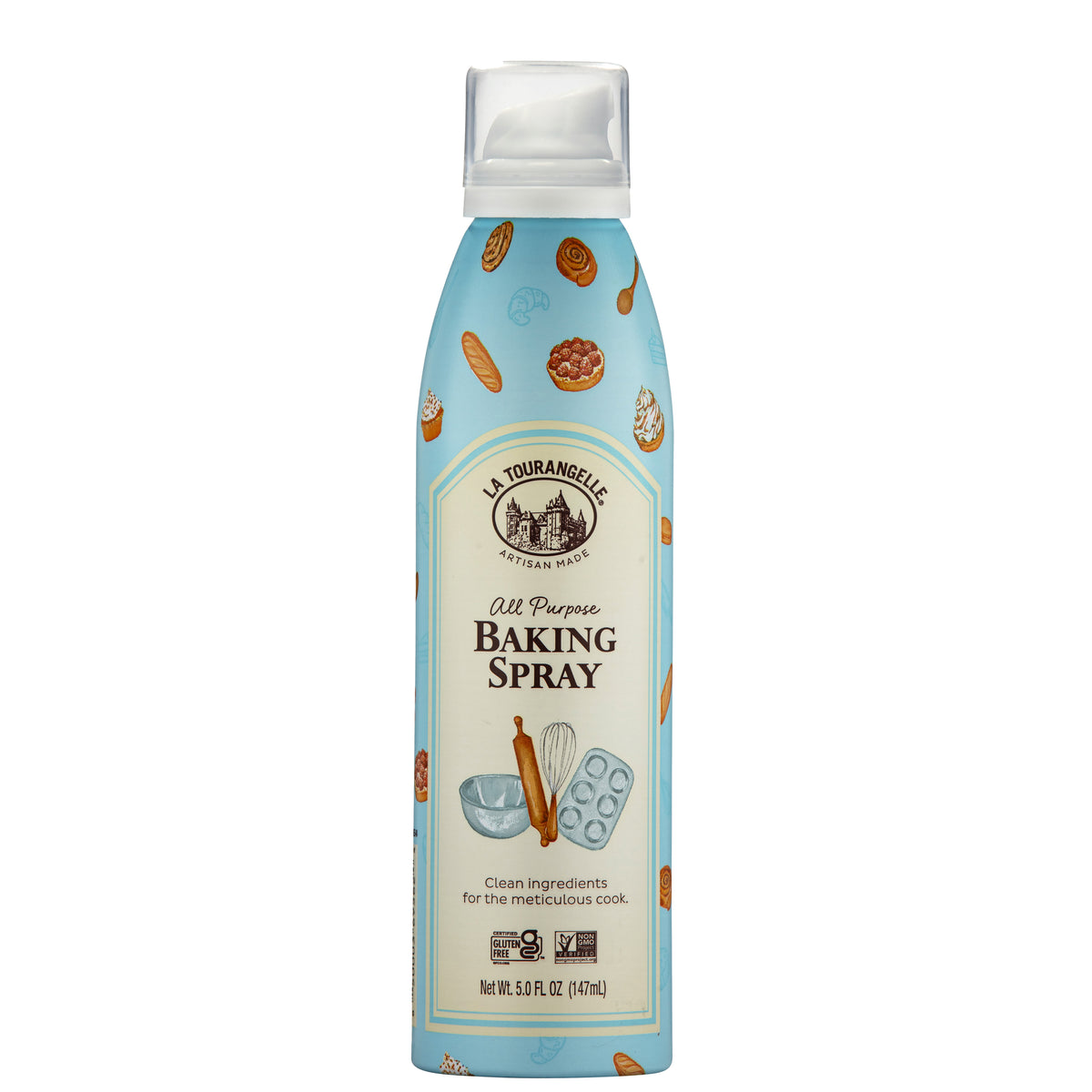
Most sprays come in metal cans with plastic lids. Some brands now offer recyclable or biodegradable packaging. Pump sprays avoid propellants and are easier to recycle.
Baking Spray Vs Cooking Spray: The Verdict
Choosing between baking spray and cooking spray comes down to your needs. If you bake cakes or muffins, baking spray is worth the extra cost. For frying, roasting, or grilling, cooking spray is the clear choice.
Baking Spray Vs Cooking Spray: Quick Comparison
Here’s a summary table for easy reference:
| Purpose | Best Spray |
|---|---|
| Baking cakes, muffins | Baking Spray |
| Frying eggs, pancakes | Cooking Spray |
| Roasting vegetables | Cooking Spray |
| Bundt pans, intricate molds | Baking Spray |
| Grilling meat | Cooking Spray |
| Loaf pans, quick breads | Baking Spray |
How To Choose: Practical Advice
If you bake often, keep both sprays in your kitchen. Use baking spray for cakes and cooking spray for everyday meals. For gluten-free diets, check baking spray labels carefully. If you want to avoid propellants, try pump sprays or homemade blends.
If you’re concerned about chemicals, look for sprays with simple ingredients or make your own.
Expert Opinion
Most chefs and bakers agree: Baking spray is essential for perfect cakes. Cooking spray is a must for quick, healthy meals. Don’t substitute one for the other in critical recipes.
You can read more about food-grade propellants and safety at Wikipedia.
Frequently Asked Questions
What Is The Main Difference Between Baking Spray And Cooking Spray?
The main difference is flour. Baking spray contains flour, which helps baked goods release from pans easily. Cooking spray is pure oil and works best for frying, roasting, and grilling.
Can I Use Cooking Spray For Baking Cakes?
You can, but results may vary. Cakes may stick, especially in intricate pans. Baking spray is designed to prevent sticking and gives better results.
Is Baking Spray Gluten-free?
Most baking sprays use wheat flour, which contains gluten. Some brands offer gluten-free options using rice flour. Always check the label if you have gluten sensitivity.
Are There Healthier Alternatives To Aerosol Spray?
Yes. You can use pump sprays (with no propellants), brush pans with oil, or use parchment paper. Homemade baking spray (oil, flour, shortening) is another option.
Can I Use Baking Spray For Frying Or Roasting?
Baking spray will work, but the flour may burn or create residue. It’s best to use cooking spray for frying, roasting, or grilling.
Choosing the right spray makes cooking and baking easier, healthier, and more reliable. With this knowledge, you’ll never wonder which can to reach for again.