
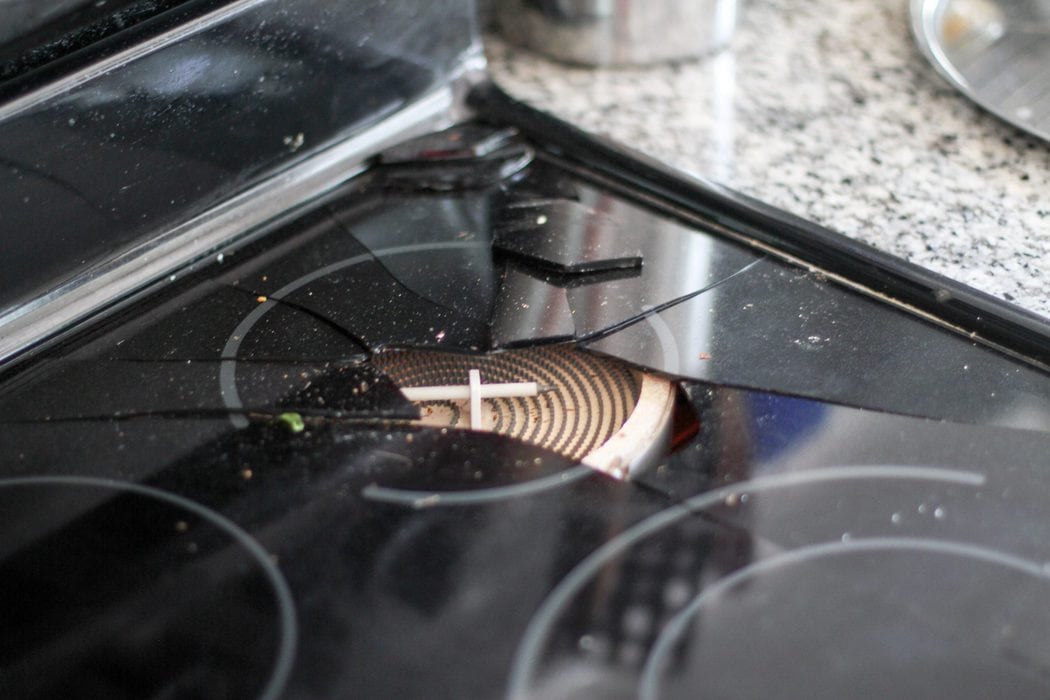
If you’re reading this, you probably noticed a crack on your glass stove top. It’s frustrating. Maybe it happened suddenly, or maybe it appeared slowly over time. No matter the cause, a cracked glass stove top can leave you worried about safety, repair costs, and whether you can keep using your stove.
Glass stove tops are popular because they look modern and are easy to clean. However, they also require careful handling. Understanding why your glass stove top cracked is the first step to preventing it from happening again.
This article will help you understand every possible reason your glass stove top cracked. You’ll learn about the science behind glass tops, how daily habits can damage them, and what to do next. We’ll also cover repair options, safety tips, and common myths.
By the end, you’ll know how to protect your cooktop and avoid costly mistakes.
How Glass Stove Tops Are Made
Before discussing why cracks happen, it’s important to know what makes up a glass stove top. Most glass stove tops are made from ceramic glass. This material is not the same as window glass. Ceramic glass is made by mixing glass with certain chemicals and heating it at high temperatures. This process makes it heat-resistant and able to handle rapid changes in temperature.
However, even with these special qualities, ceramic glass has limits. It can withstand high heat from cooking, but it’s not completely unbreakable. A strong impact or extreme temperature change can still cause cracks.
Key properties of ceramic glass:
- Withstands temperatures over 1,000°F (538°C)
- Expands less than regular glass when heated
- Resists scratching, but not immune to damage
- Thinner than you might expect (usually 4-6 mm)
Non-obvious insight: Even though ceramic glass is strong, its thinness makes it more vulnerable to sudden shocks or uneven pressure.
The Main Causes Of Glass Stove Top Cracks
There are several reasons why your glass stove top might crack. Some are obvious, but others are easy to miss.
1. Impact From Heavy Or Hard Objects
The most common reason for a crack is dropping something heavy on the stove top. Pots, pans, or even a glass jar can cause a fracture if they hit the surface with enough force.
- Example: Accidentally dropping a cast iron skillet from just a few inches can crack the glass, even if it doesn’t seem like a big fall.
Why Does This Cause Cracks?
Ceramic glass is strong, but it is also rigid. When a heavy object hits the surface, it cannot flex to absorb the force, so the energy goes straight into the glass, causing a break.
2. Sudden Temperature Changes (thermal Shock)
Another common cause is thermal shock. This happens when a cold object touches a hot stove top, or when a hot pan is placed on a cold surface. The glass expands with heat and contracts with cold. If the change happens too fast, the glass can’t adjust and cracks.
- Practical example: Pouring cold water onto a hot stove top after boiling something, or putting a frozen pan straight from the freezer onto the heated surface.
Non-obvious insight: Even using a wet cloth to clean a hot glass top can lead to thermal shock and cracking.
3. Manufacturing Defects
Sometimes, the cause is a defect in the glass from the factory. Tiny bubbles, weaknesses, or uneven thickness can make some spots weaker than others. These defects can stay hidden for months, only appearing after regular use.
Important note: If your glass stove top cracked soon after you bought it, check your warranty—manufacturing defects are usually covered.
4. Improper Installation
If the stove top was not installed correctly, it could be under uneven pressure. For example, if one corner is higher than the others, or the support underneath is not even, this can create stress points. Over time, the glass may crack, even with normal use.
- Warning sign: Cracks that start near the edge are often linked to installation issues.
5. Using The Wrong Cookware
Not all pots and pans are safe for glass stove tops. Cookware with rough bottoms or warped surfaces can create pressure points or tiny scratches. Over time, these weaken the glass and can lead to cracks.
Cookware Types To Avoid:
- Cast iron (unless used very carefully)
- Stoneware or ceramic pots with rough bases
- Pans with warped or uneven bottoms
6. Overheating The Surface
Although ceramic glass is heat resistant, it has limits. Leaving a burner on high for a long time, especially with no pot on it, can cause the glass to overheat. This can weaken the material or even cause it to crack, especially if it’s an older stove.
- Data point: Most manufacturers recommend not heating an empty burner for more than 10 minutes.
7. User Mistakes And Accidents
Small habits can add up. Sliding heavy pots, using the stove as extra counter space, or standing on it to reach high cabinets can all stress the glass. These actions may not cause cracks right away, but repeated pressure can eventually break the surface.
Insider tip: Even gentle tapping from metal utensils can cause micro-cracks that grow over time.
8. Poor Maintenance Or Cleaning
Using abrasive cleaners or scrubbing pads can scratch the glass. Over time, these scratches create weak areas where cracks can form. Also, spills that are not cleaned up can bake onto the surface and become harder to remove, leading to even more aggressive cleaning and more risk.
- Example: Scrubbing with steel wool or a sharp knife is not safe for glass stove tops.
9. Heat Spreading Unevenly
If you regularly use pots that are much smaller than the heating area, the heat spreads unevenly. The center gets very hot, while the edges stay cool. This uneven heating can cause stress and eventually lead to cracks.
10. Age And Wear
Like any material, ceramic glass gets weaker with age. After many years of heating and cooling, small micro-cracks may form and grow. Eventually, a small bump or temperature change can turn a tiny flaw into a visible crack.
How To Identify The Cause Of Your Crack
Spotting the exact reason for a crack is not always easy, but there are clues. Understanding the pattern and location of the crack can help you figure out what happened.
Crack Patterns And What They Mean
| Crack Pattern | Likely Cause | Typical Location |
|---|---|---|
| Star-shaped or “spider web” | Impact (object dropped) | Anywhere, often center |
| Straight line from edge | Thermal shock or installation stress | Starts at the edge |
| Multiple short cracks | Repeated pressure or uneven heating | Near frequent use areas |
| Small chips or pits | Rough cookware or cleaning | Throughout surface |
Steps To Investigate
- Check for recent accidents: Did you drop something or put a hot pan on a cold surface?
- Look at the crack’s origin: Did it start from the center or edge?
- Review your cleaning habits: Do you use harsh chemicals or scrub pads?
- Consider stove age: Is your unit over 10 years old?
- Remember recent repairs or moves: Was the stove recently installed or moved?
Pro tip: Take clear photos of the crack before attempting any repair. This can help with warranty claims or professional assessment.
Can You Use A Cracked Glass Stove Top?
This is a common question, but the answer is not simple. Using a cracked glass stove top is not recommended for several reasons:
- Safety risk: Cracks can grow quickly with heat. The glass can shatter, causing burns or injury.
- Electrical hazard: On electric stoves, moisture can get into the crack, reaching live wires.
- Further damage: Continued use usually makes the crack worse, leading to more expensive repairs.
Non-obvious insight: Even a small crack can affect how heat spreads, causing uneven cooking and possible pan damage.
What To Do If Your Glass Stove Top Cracks
If you notice a crack, act quickly to avoid bigger problems.
- Turn off and unplug the stove. This prevents electrical hazards.
- Do not use the cracked area. Avoid turning on the burner under the crack.
- Take photos. Document the damage for insurance or warranty.
- Check your warranty. Many brands cover glass tops for the first year or two.
- Contact a professional. Do not try to glue or tape the crack. Glass stove tops require expert repair or replacement.
Caution: Some websites recommend temporary fixes like using epoxy or special tape. These are NOT safe for food or high heat and can make the problem worse.
Repair Vs. Replacement: What Are Your Options?
Once your glass stove top is cracked, you have two main options: repair or replace.
Repair
- Feasible only for very small chips or surface scratches.
- Professional repair kits can fill small chips but not cracks that go through the glass.
- Cost: Usually between $100–$200 for minor fixes.
Replacement
- Required for most cracks, especially if they reach the edge or go deep.
- Replacement involves removing the old glass and installing a new one.
- Cost: $200–$600 for most models, depending on brand and part cost.
- Labor: Professional installation is highly recommended.
When Insurance May Help
Some home insurance policies may cover glass stove top replacement if the damage was accidental. Check with your provider and keep all receipts and photos.
Comparison: Repair Vs. Replacement
| Option | When Possible | Average Cost | Longevity | Safety |
|---|---|---|---|---|
| Repair | Minor chips only | $100–$200 | Short-term | Medium |
| Replacement | Cracks, deep damage | $200–$600+ | Long-term | High |
Expert tip: If your stove is more than 10 years old, replacement is usually smarter. Newer models are more energy efficient and may come with better safety features.
How To Prevent Glass Stove Top Cracks In The Future
Most cracks are preventable with good habits. Here’s how you can protect your investment.
1. Use Proper Cookware
- Use flat-bottomed, smooth pots and pans.
- Avoid dragging cookware—lift instead.
- Don’t use oversized or undersized pots.
2. Avoid Sudden Temperature Changes
- Never put a cold pan on a hot surface.
- Let pans cool before cleaning or putting them in cold water.
- Don’t clean a hot stove top with a wet or cold cloth.
3. Clean Gently
- Use a soft cloth or sponge.
- Use cleaners made for glass stove tops.
- Remove spills quickly before they harden.
4. Watch For Impacts
- Store heavy items away from the stove.
- Never stand or sit on the stove top.
- Be careful when reaching above the stove.
5. Install Correctly
- Always have a professional install or move your stove.
- Make sure the surface is level and well-supported.
- Check for loose screws or uneven support.
6. Don’t Use As A Counter
- Avoid placing groceries, bags, or other items on the stove.
- Don’t use the surface as a cutting board.
7. Regular Maintenance
- Check for small chips or scratches.
- Replace worn burner elements.
- Watch for warning signs like discoloration or uneven heating.
Pro insight: Investing in a good-quality stove top protector (a thin mat designed for glass surfaces) can prevent scratches and minor impacts.
Common Myths About Glass Stove Tops
Many people believe things about glass stove tops that are simply not true. Clearing up these myths can help you use your stove safely.
- Myth: “Glass stove tops are too fragile for daily cooking.”
- Reality: They are designed for everyday use, but need proper care.
- Myth: “Any pot or pan is fine.”
- Reality: Heavy, rough, or warped cookware can cause damage.
- Myth: “A small crack is okay to ignore.”
- Reality: Even small cracks can grow and become dangerous.
- Myth: “You can fix a crack with glue or tape.”
- Reality: No glue or tape is safe for high heat and food contact.
- Myth: “All cracks are covered by warranty.”
- Reality: Most warranties do not cover user accidents or improper use.

Credit: www.reddit.com
Other Problems That Look Like Cracks (but Aren’t)
Sometimes, marks on your stove top are not actually cracks. Knowing the difference can save you worry and money.
Scratches
Shallow lines that you can feel with your fingernail are usually scratches, not cracks. These can look bad but are not as dangerous. Special cleaners can help remove or hide them.
Stains Or Discoloration
Burn marks, water spots, or mineral deposits can look like cracks. Try cleaning with a vinegar solution or a glass stove top cleaner before assuming the worst.
Surface Chips
Small chips on the edge or surface are less serious than cracks, but they can still grow if not treated.
Pro tip: If you’re not sure, shine a flashlight across the surface. Cracks will usually cast a shadow or split light, while stains and scratches won’t.
When To Call A Professional
Not all cracks require emergency help, but you should call a professional if:
- The crack is more than 2 inches long.
- The crack reaches the edge of the stove.
- You see discoloration, exposed wires, or smell burning.
- You are unsure if it’s safe to use.
Professional repair services can assess the damage, help with insurance or warranty claims, and install new glass safely.
Credit: www.thefrugalgirl.com
Cost Of Replacing A Glass Stove Top
The price to replace a glass stove top depends on the brand, model, and whether you hire a professional.
| Brand | Average Cost (Part Only) | Installation Cost | Total Estimated Cost |
|---|---|---|---|
| Whirlpool | $220–$350 | $100–$200 | $320–$550 |
| GE | $200–$400 | $120–$200 | $320–$600 |
| Samsung | $250–$400 | $100–$180 | $350–$580 |
| LG | $250–$350 | $100–$180 | $350–$530 |
Insider tip: Always get a quote before agreeing to repairs. Some older models may cost more to fix than to replace with a new stove.
Glass Stove Top Safety: Final Tips
Keeping your glass stove top safe means more than just avoiding cracks. Here are final tips to keep your kitchen safe and your appliance lasting longer.
- Read your stove’s manual: Every model is a little different.
- Teach family members: Make sure everyone knows not to stand on or drop things on the stove.
- Don’t ignore warning signs: If you see a crack, discoloration, or hear a “pop,” stop using the stove.
- Register your appliance: This makes warranty claims easier.
For more details on how ceramic glass is manufactured and tested, you can visit the Wikipedia page on glass-ceramic.

Credit: www.reddit.com
Frequently Asked Questions
What Should I Do First If My Glass Stove Top Cracks?
Turn off the stove and unplug it if possible. Do not use the cracked area. Take clear photos for warranty or insurance, and contact a professional for advice. Avoid using DIY fixes like glue or tape.
Is It Dangerous To Cook On A Cracked Glass Stove Top?
Yes, it can be dangerous. Cracks can grow or shatter with heat, causing burns or electric shock. Moisture can reach electrical parts, increasing risk. Always stop using a cracked stove top until it’s repaired or replaced.
Can I Repair A Glass Stove Top Myself?
Most cracks require professional replacement. DIY repair kits only work for very small chips and are not safe for cracks exposed to high heat. Using the wrong repair method can make things worse or void your warranty.
Why Do Cracks Often Start At The Edge?
The edges are the weakest part of the glass stove top. Installation stress, uneven support, or bumps can easily start a crack here. Once a crack starts at the edge, it often spreads quickly.
How Can I Prevent My Glass Stove Top From Cracking Again?
Use proper cookware with flat, smooth bottoms. Avoid sudden temperature changes. Clean gently, do not use the stove as a counter, and have your stove installed professionally. Regularly check for small chips or scratches and repair them early.
A cracked glass stove top is annoying, but understanding the causes and solutions helps you make the right choice. By following the tips and advice in this article, you can keep your kitchen safer and your stove working for years to come.