
Saltillo tile floors are well-known for their rustic charm and warm, earthy colors. These handmade clay tiles from Mexico can make any space feel special and inviting. But Saltillo tiles are also unique—they’re softer and more porous than many other floor tiles, which means they need special care.
If you have Saltillo tile floors, you might wonder how to clean them without causing stains, damage, or dullness. Cleaning Saltillo tile is not like cleaning standard ceramic or porcelain tile. The wrong products or techniques can ruin the finish or allow dirt to seep into the tile.
This guide will show you exactly how to clean Saltillo tile floors the right way, keeping them beautiful for years.
You’ll learn about the best cleaning methods, safe products to use, how to handle tough stains, and what to avoid. You’ll also discover tips that even many professionals miss, so you can protect your investment and enjoy your floors with confidence.
Understanding Saltillo Tile Floors
Saltillo tile is made from natural clay, shaped and dried in the sun, then fired in a kiln. The result is a tile with a warm color, usually terracotta, and a surface that can be textured, pitted, or slightly uneven.
The charm of Saltillo comes from these natural imperfections.
However, Saltillo is highly porous—it can absorb water, dirt, and stains if not properly sealed. This makes cleaning and maintenance more challenging than with glazed tiles.
Common Problems With Saltillo Tile
- Staining from spills, especially liquids like wine, coffee, or oil
- Water absorption leading to discoloration
- Efflorescence (white chalky residue) from salts in the tile or grout
- Surface scratches from grit or sand
- Dullness if not sealed or cleaned correctly
Knowing these risks helps you understand why the cleaning process is so important.
Preparing To Clean Saltillo Tile Floors
Before you start cleaning, good preparation is key. Saltillo tiles can react to harsh chemicals or too much water. The right setup will protect your floors and make cleaning easier.
Gather The Right Supplies
You’ll need:
- Soft broom or dust mop
- Vacuum (with a soft brush attachment)
- Mop (preferably microfiber or sponge, not string mops)
- Buckets (one for clean water, one for dirty)
- PH-neutral tile cleaner (avoid acidic or alkaline products)
- Soft towels or microfiber cloths
- Spray bottle (for spot cleaning)
- Knee pads (if you’re cleaning by hand)
Check The Sealer
Saltillo tiles should always be sealed. The sealer keeps water, dirt, and stains out of the porous surface. If your tiles look dry or absorb water drops, you may need to reseal before deep cleaning. To test, drop a small amount of water on the tile—if it beads up, the sealer is working.
If it soaks in, your sealer is wearing off.
Remove Loose Dirt And Debris
Saltillo tiles can scratch if grit is left on the surface. Always start by sweeping with a soft broom or using a dust mop. A vacuum with a soft brush attachment is also safe, but avoid any beater bars that could mark the tile.
Daily And Weekly Cleaning Routines
Regular cleaning prevents scratches and stains from building up. Here’s how to keep Saltillo tile floors looking great day to day.
Daily Cleaning
- Sweep or Dust Mop: Remove dust, sand, and dirt. This stops grit from scratching the soft surface.
- Quick Spot Cleaning: If you spill something, blot it up right away with a cloth. Don’t let spills sit.
Weekly Cleaning
- Vacuum (Optional): Use a soft brush vacuum to get debris from grout lines and corners.
- Mop with pH-neutral Cleaner: Fill one bucket with clean, warm water and a small amount of pH-neutral tile cleaner. Fill another bucket with plain water for rinsing.
- Dip the mop into the cleaner solution, wring it out well (never soak the floor), and mop a small area.
- Rinse the mop in the plain water, wring, and repeat.
- Change both waters as they get dirty.
- Dry the Floor: Use a clean towel or microfiber cloth to dry the tiles. Don’t let water puddle or air-dry on the floor.
Common Mistake: Over-wetting The Floor
Many people make the mistake of using too much water. Because Saltillo is so porous, extra water can seep into the tile and cause stains or efflorescence. Always use a damp, not wet, mop.
Deep Cleaning Saltillo Tile Floors
Even with regular care, Saltillo floors sometimes need a deeper clean. Maybe there’s a sticky spill, a dull finish, or a build-up of grime. Here’s how to tackle deeper cleaning safely.
Step-by-step Deep Cleaning
- Remove Furniture and Rugs: Give yourself room to work and prevent damage.
- Sweep or Vacuum Thoroughly: Get all loose grit and debris off the floor.
- Spot Clean Stains: Use a spray bottle with diluted pH-neutral cleaner. Spray the stain and wipe gently with a microfiber cloth.
- Prepare Cleaning Solution: Mix pH-neutral tile cleaner with warm water as directed. Never use vinegar, ammonia, bleach, or abrasive cleaners.
- Mop in Sections: Work in 3’x3’ sections. Mop with the cleaner solution, then rinse with clean water. Change water often.
- Scrub Problem Areas: For tough spots, use a soft nylon brush—not steel wool or anything abrasive—to gently scrub.
- Dry Immediately: Wipe each cleaned section dry with a towel.
Cleaning Grout Lines
Saltillo tile grout can be sanded or unsanded, and is often even more porous than the tile. To clean grout:
- Use a soft brush (old toothbrush works well) with the same pH-neutral cleaner.
- Avoid scrubbing too hard, which can wear down grout.
- Rinse with clean water and blot dry.
Pro Tip: Work In Small Areas
Saltillo tile can absorb water quickly, so always clean and dry small sections at a time. This prevents water from soaking in and stops streaks from forming.
Dealing With Efflorescence
Efflorescence is a white, powdery film that sometimes appears on Saltillo tiles. It’s caused by salts moving up through the tile. To remove:
- Dry brush the powder away.
- Mop with a pH-neutral cleaner and dry thoroughly.
- If it keeps coming back, check for leaks or too much moisture under the tiles.
Avoid acid-based cleaners—they can damage your tile.

Credit: www.youtube.com
Handling Common Stains And Problems
Saltillo tiles are sensitive to stains, especially from oil, wine, coffee, or pet accidents. Quick action makes a big difference.
How To Remove Common Stains
- Oil/Grease: Blot up as much as possible. Sprinkle baking soda or cornstarch on the spot, let sit for 30 minutes, then sweep up. Clean the area with a mild tile cleaner and rinse.
- Wine/Coffee: Blot immediately. Clean with pH-neutral tile cleaner using a soft cloth. Avoid scrubbing, which can spread the stain.
- Pet Stains: Blot up urine or waste immediately. Clean with a pH-neutral, enzyme-based cleaner safe for sealed tile.
- Rust: Use a product made for rust removal on tile, but test in a hidden spot first. Never use harsh chemicals.
What To Avoid
- No vinegar, ammonia, bleach, or lemon juice—these acids and alkalis can etch and dull the tile.
- No abrasive powders or steel wool.
- No steam cleaners—heat and moisture can damage the sealer.
When To Call A Professional
Some stains—like deep oil or paint—may need professional attention. Likewise, if your tiles are unsealed, or you see water damage, call a tile restoration expert.
Resealing Saltillo Tile Floors
The sealer is your tile’s best protection. Sealing keeps stains, water, and dirt from getting into the tile. But sealers wear out over time, especially in high-traffic areas.
How To Test The Sealer
Drop a small amount of water on a clean tile. If it beads up and stays on the surface, your sealer is working. If it soaks in, it’s time to reseal.
How Often To Reseal
- High-traffic areas: Every 1-2 years
- Low-traffic areas: Every 2-3 years
Resealing Steps
- Clean the floor thoroughly. Let it dry completely (24-48 hours).
- Choose a sealer made for Saltillo tile (penetrating or topical).
- Apply with a soft cloth, sponge, or mop, following product instructions.
- Allow proper drying time before walking on the floor.
Choosing The Right Sealer
There are two main types:
| Sealer Type | Look | Protection Level | Maintenance |
|---|---|---|---|
| Penetrating Sealer | Natural, matte | Good (protects from inside) | Reapply every 1-2 years |
| Topical Sealer | Glossy or satin finish | Better (surface barrier) | May need stripping before reapplying |
Penetrating sealers go into the tile and protect from within, while topical sealers sit on the surface and add shine.
Non-obvious Tip: More Is Not Better
Adding extra coats of sealer won’t always protect your floor more—it can actually make the surface sticky and attract dirt. Always follow the product instructions.
Special Care For Saltillo Tile Floors
Saltillo tile is durable but sensitive. Here’s how to keep it looking its best over the years.
Protect From Furniture And Heavy Objects
- Use felt pads under chair and table legs.
- Avoid dragging heavy furniture—lift and carry instead.
- Use rugs in high-traffic areas.
Use Doormats
Place doormats at entrances to catch dirt, sand, and moisture before it reaches your tile.
Watch Humidity And Moisture
Too much moisture can damage Saltillo tile and its grout. Use mats in kitchens and bathrooms, and wipe up spills quickly.
Avoid Wax And Oil-based Cleaners
These can make the tile slippery and are hard to remove later. Stick to pH-neutral cleaners made for clay or stone tile.
Sunlight And Fading
Saltillo tiles can fade or darken with sun exposure. If your floor gets a lot of direct sunlight, move rugs and furniture occasionally to keep color even.
Comparing Saltillo Tile To Other Floor Types
Understanding how Saltillo compares to other flooring helps you see why its cleaning needs are unique.
| Floor Type | Porosity | Cleaning Needs | Special Care |
|---|---|---|---|
| Saltillo Tile | Very high | pH-neutral, low water | Regular sealing |
| Ceramic/Porcelain | Low | General cleaners, more forgiving | Minimal |
| Natural Stone | Medium to high | pH-neutral, avoid acid | Sealing as needed |
| Vinyl/Laminate | Low | Standard cleaners | Avoid water pooling |
Saltillo needs the most gentle care due to its unique makeup.
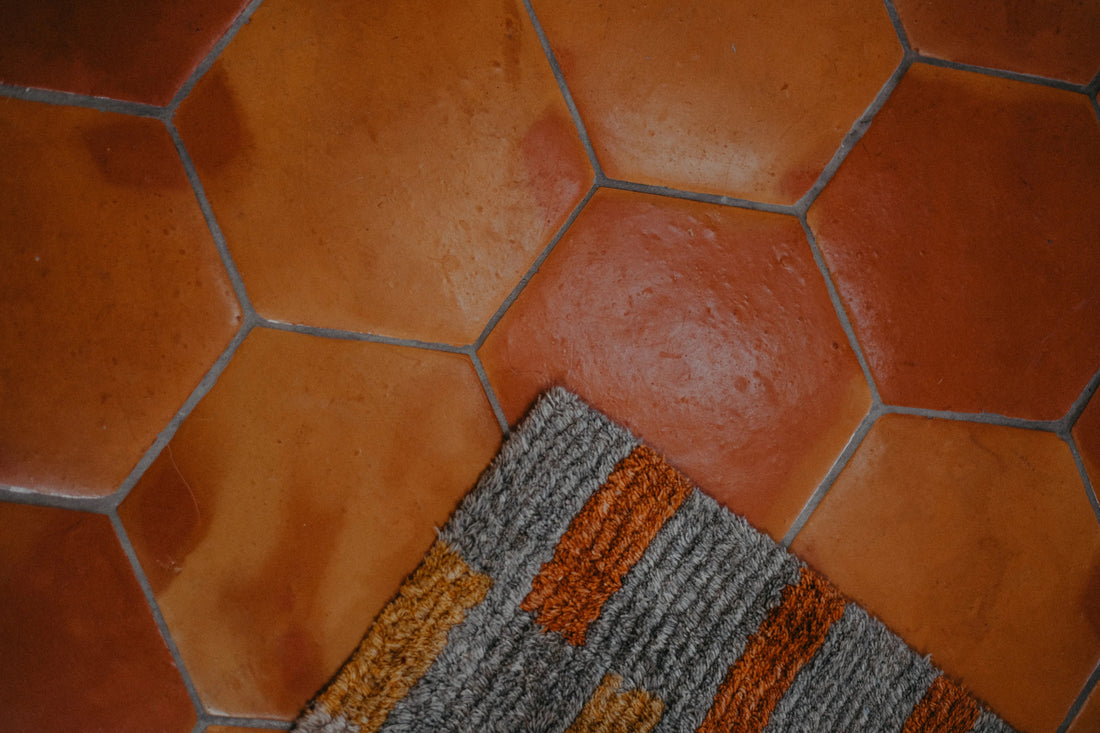
Credit: clayimports.com
Choosing Cleaning Products For Saltillo Tile
Not all cleaning products are safe for Saltillo tile. Here’s what to look for:
What To Use
- PH-neutral cleaners labeled for clay, stone, or Saltillo tile
- Distilled water (if you have very hard tap water, to avoid mineral deposits)
What To Avoid
- Acidic or alkaline cleaners (vinegar, bleach, ammonia)
- Oily soaps or waxes
- Products with “brighteners” or “whiteners” (they can etch the tile)
Safe Cleaner Comparison
| Product Type | Safe for Saltillo? | Notes |
|---|---|---|
| pH-Neutral Tile Cleaner | Yes | Best choice for routine cleaning |
| Vinegar Solution | No | Too acidic, damages tile |
| Oxygenated Cleaner | Sometimes | Test in a hidden area first |
| Soap-Based Cleaner | No | Leaves residue and can attract dirt |
Always test any new product in an inconspicuous spot before using it on the whole floor.
Cleaning Saltillo Tile In Special Situations
Outdoor Saltillo Tile
Outdoor Saltillo tiles face more dirt, rain, and sun. Sweep more often and reseal yearly. Use only outdoor-rated sealers. Never power wash—pressure can break the tiles or force water into them.
Old Or Historic Saltillo Tile
If you have very old or historic Saltillo floors, be extra gentle. Avoid any strong cleaners. If the tiles are flaking or powdery, consult a restoration expert.
After Construction Or Renovation
Post-construction dust or grout haze can be tough. Use a dry sweep first. For haze, try a pH-neutral cleaner and soft cloths—never acidic haze removers.
Saltillo Tile Cleaning: Non-obvious Insights
- Rinse Water Quality Matters: Using dirty rinse water can leave streaks and dull the finish. Change your rinse water often, especially with larger floors.
- Humidity Affects Drying: In humid areas, Saltillo tiles may take longer to dry. Speed up drying with fans or open windows, but avoid direct heat.
Saltillo Tile Maintenance Mistakes To Avoid
- Mopping with too much water—can lead to stains and efflorescence
- Using harsh or abrasive cleaners—can strip sealer and scratch the tile
- Ignoring the grout—dirty grout can spread stains into tiles
- Skipping regular resealing—leaves your tile unprotected
Long-term Care Tips
- Clean spills immediately—don’t wait
- Sweep often, especially in kitchens or entryways
- Reseal regularly based on traffic and wear
- Use gentle, pH-neutral cleaners only
- Protect high-traffic spots with rugs or mats
When To Seek Professional Help
Some problems—like deep oil stains, water damage, or worn-out sealer—need a professional’s touch. A tile restoration expert can strip old sealers, remove stains, and reseal your floor to make it look new again.
For more in-depth advice and examples of Saltillo tile care, you might find the resources at The Spruce useful.
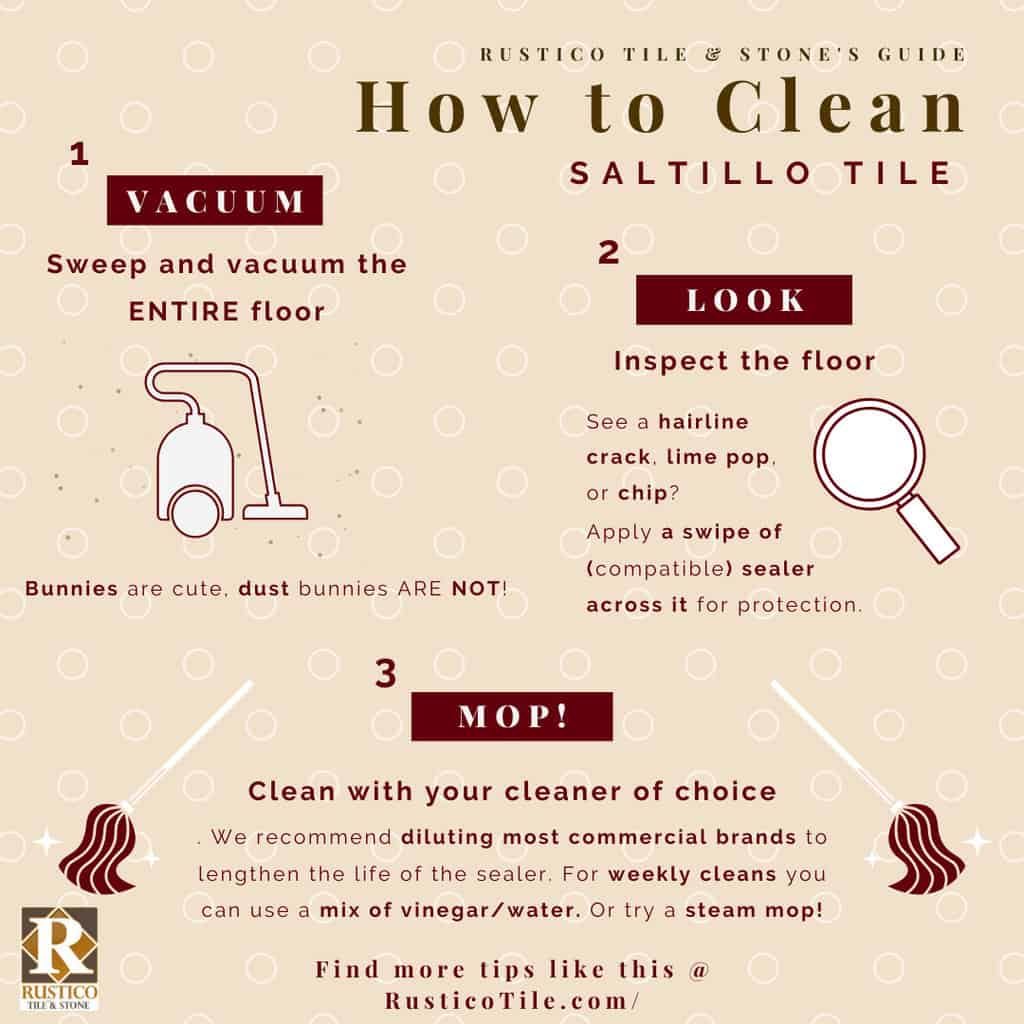
Credit: rusticotile.com
Frequently Asked Questions
How Often Should I Clean Saltillo Tile Floors?
Sweep or dust mop daily, and mop with a pH-neutral cleaner weekly. In high-traffic areas, you may want to mop more often. Reseal every 1-2 years.
Can I Use Vinegar Or Bleach On Saltillo Tile?
No. Vinegar and bleach are too harsh for Saltillo tile and can damage the surface and the sealer. Always use a pH-neutral cleaner.
What If My Saltillo Tile Looks Dull?
Dullness usually means the sealer is wearing off or there’s a build-up of cleaner residue. Try deep cleaning with a pH-neutral product, then reseal if needed.
How Can I Remove Tough Stains From Saltillo Tile?
For tough stains, blot immediately, use baking soda for grease, and a pH-neutral cleaner for most others. Avoid harsh chemicals. For deep or old stains, call a professional.
Is It Safe To Use A Steam Mop On Saltillo Tile?
No. Steam mops can force moisture into the tile, damaging the sealer and causing stains or efflorescence. Stick to a damp (not wet) mop.
Saltillo tile floors are a beautiful investment, but they need gentle, regular care to stay at their best. With the right cleaning routine, products, and a little extra attention, you’ll keep your Saltillo tile looking warm, bright, and inviting for decades to come.