
Non-aerosol cooking is getting more attention in kitchens around the world. Many people want safer, healthier, and more eco-friendly ways to prepare food. But what does “non-aerosol cooking” really mean? Is it just about using different spray bottles, or is there more behind this movement?
If you are curious about what non-aerosol cooking is, why it matters, and how it might change your time in the kitchen, you’re in the right place. This article will help you understand non-aerosol cooking, its benefits, challenges, and practical tips for switching from traditional aerosol sprays.
Whether you love cooking or simply want to make better choices for your health and the planet, you will discover everything you need here.
What Does Non-aerosol Cooking Mean?
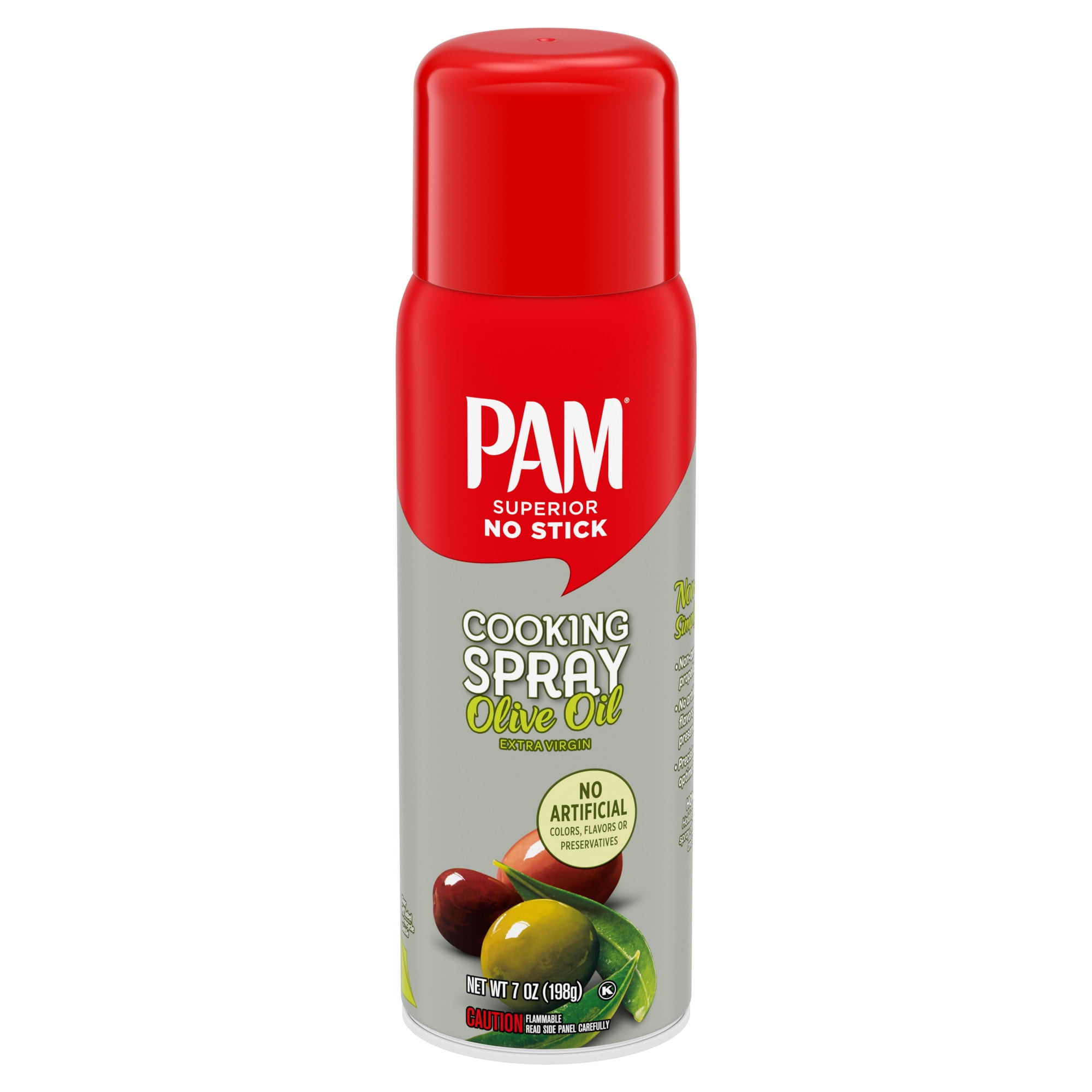
Non-aerosol cooking is a way of preparing food without using aerosol spray cans. Instead, it uses other methods or tools to spread oil, cooking sprays, or flavorings. Aerosol sprays use pressurized cans that turn liquid into a fine mist. Non-aerosol options avoid the use of these cans and their chemical propellants.
In most kitchens, aerosol cans are used for convenience. People spray oil onto pans, baking sheets, or food for even coverage. Non-aerosol cooking, however, relies on simple tools like pump spray bottles, brushes, or even using your hands.
There are two main reasons why non-aerosol cooking is becoming more popular:
- Health and safety: Aerosol sprays often contain additives, chemicals, and propellants.
- Environmental impact: Aerosol cans add to waste and sometimes release gases that are harmful to the environment.
Non-aerosol cooking focuses on pure, direct application of oils and flavors, using tools that don’t require pressure or gas.
Why Are People Moving Away From Aerosol Sprays?
The shift away from aerosol sprays isn’t just a trend. There are several strong reasons for the move toward non-aerosol cooking:
Health Concerns
Many aerosol sprays contain ingredients that go beyond simple oil. Common additives include:
- Lecithin (an emulsifier)
- Dimethyl silicone (an anti-foaming agent)
- Propellants (like butane, propane, or nitrous oxide)
These chemicals help create a fine mist and prevent sticking, but they also raise health questions. For example, inhaling propellants can irritate the lungs, and some additives may not be suitable for people with allergies.
Environmental Impact
Aerosol cans are made from metal and often have a plastic cap. They are difficult to recycle because they can explode if not completely empty. The propellants used in many sprays are greenhouse gases or can contribute to smog.
Non-aerosol options use less packaging and fewer chemicals, so they are better for the environment.
Cost And Control
Aerosol sprays can be more expensive over time. You pay for the oil, the can, and the propellants. Non-aerosol methods are often reusable (like pump bottles) and allow you to control the amount and type of oil you use.
Taste And Purity
Many cooks notice that pure oils taste better and have fewer off-flavors than oils from aerosol cans. With non-aerosol cooking, you can use high-quality oils—such as extra virgin olive oil or avocado oil—without extra chemicals.
Credit: www.walmart.com
Types Of Non-aerosol Cooking Methods
There are several ways to cook without using aerosol sprays. Each method has its strengths and weaknesses, so you can choose what fits your kitchen and style.
1. Pump Spray Bottles
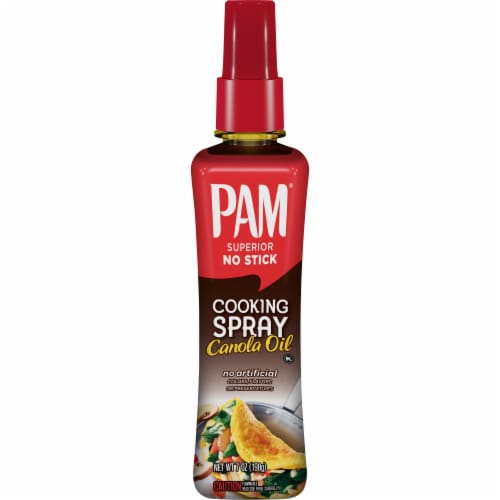
These bottles use a simple pump action to spray oil. You fill them with your choice of oil, pump to build pressure, and then spray. They create a fine mist without any chemicals or propellants.
Benefits:
- Reusable and refillable
- Control over oil type and amount
- No chemical propellants
Drawbacks:
- May clog if not cleaned
- Can’t produce as fine a mist as industrial aerosol cans
2. Oil Misters
Similar to pump sprays, oil misters are small bottles that allow you to spray oil. Some use a trigger, while others use a pump. They are popular for salads and grilling.
Benefits:
- Easy to use
- Less mess than pouring oil
- Good for portion control
Drawbacks:
- Can get sticky with thick oils
- Need regular cleaning
3. Pastry Brushes
A pastry brush lets you spread oil, butter, or sauces directly onto food or cookware. Brushes come in natural or silicone bristles.
Benefits:
- Direct application
- Great for basting or glazing
- Easy to clean
Drawbacks:
- Not as fast as spraying
- May not cover large areas evenly
4. Refillable Spray Bottles
Many people use small, refillable spray bottles for oils, vinegars, or flavorings. These bottles do not use pressure or propellants and are widely available.
Benefits:
- Inexpensive and simple
- Easy to refill with different oils
- Portable for picnics or grilling
Drawbacks:
- Spray is sometimes uneven
- Can leak if not closed tightly
5. Drizzling And Rubbing
Sometimes, the simplest way is best. Pour a small amount of oil and use your hands or a paper towel to spread it. This is great for roasting vegetables or preparing baking pans.
Benefits:
- No special equipment needed
- Full control over quantity
- No waste
Drawbacks:
- Can be messy
- Harder to get a thin, even layer
6. Silicone Baking Mats And Non-stick Cookware
These tools reduce the need for any oil or spray. Silicone mats are reusable and prevent sticking when baking.
Benefits:
- No oil needed
- Easy to clean
- Reduces calories
Drawbacks:
- Initial cost higher than sprays
- Some foods still stick without oil
Comparing Aerosol And Non-aerosol Cooking
To see the differences clearly, here is a comparison between aerosol sprays and non-aerosol methods:
| Feature | Aerosol Sprays | Non-Aerosol Methods |
|---|---|---|
| Propellants | Yes (butane, propane, etc.) | No |
| Refillable | No | Yes |
| Chemicals/Additives | Often included | None or very few |
| Environmental Impact | High (waste, gases) | Low |
| Cost Over Time | Higher | Lower |
| Spray Quality | Very fine mist | Varies (usually coarser) |
Benefits Of Non-aerosol Cooking
Choosing non-aerosol cooking methods has several important benefits, both for the cook and the wider world.
Healthier Cooking
Non-aerosol cooking usually means fewer chemicals in your food. You can choose pure oils without additives, which can be safer, especially for those with allergies or sensitivities.
Lower Environmental Impact
Using refillable bottles or brushes means fewer cans in landfills and less air pollution from propellants. A 2022 study showed that switching from aerosol cans to reusable misters can reduce kitchen packaging waste by up to 30%.
Cost Savings
Although a good spray bottle or brush may cost more upfront, you save money because you buy oil in bulk and avoid paying for single-use cans. The average family spends about $50–$70 per year on aerosol sprays, but only about $10–$20 per year on bulk oil for refilling non-aerosol bottles.
Control And Customization
Non-aerosol cooking lets you choose your oil and control how much you use. You can use extra virgin olive oil for salads, avocado oil for high-heat cooking, or flavored oils for baking.
Better Taste
Many cooks say that food tastes better when made with pure oils instead of oils from aerosol cans, which sometimes have a chemical aftertaste.
Common Non-aerosol Oils And Their Uses
Not all oils work well in every non-aerosol tool. Here’s a quick look at popular oils and how they perform in different methods.
| Oil Type | Best For | Non-Aerosol Compatibility |
|---|---|---|
| Extra Virgin Olive Oil | Salads, low-medium heat cooking | Pump sprays, brushes |
| Avocado Oil | High-heat cooking, grilling | Pump sprays, misters |
| Canola Oil | Baking, frying | All methods |
| Grapeseed Oil | Light sautéing, dressings | Misters, brushes |
| Coconut Oil (liquid) | Baking, desserts | Brushes, drizzle |
| Peanut Oil | Stir-frying, Asian dishes | Pump sprays, brushes |
Step-by-step Guide: Switching To Non-aerosol Cooking
Ready to make the switch? Here’s a practical path to non-aerosol cooking, even if you’ve always used spray cans.
1. Assess Your Current Cooking Habits
Write down how you use oil sprays. Do you spray pans, baking sheets, or food? Knowing your habits helps you pick the right tools.
2. Choose Your Main Non-aerosol Tool
Pick a tool that matches your needs. If you roast vegetables often, a pump spray or mister is best. For baking, a pastry brush or silicone baking mat may be more useful.
3. Buy The Right Oil
Choose oils that match your cooking. For high-heat, try avocado or canola oil. For flavor, use olive or grapeseed oil.
4. Practice Using The New Tools
Try your new spray bottle or brush on a simple recipe. Notice how much oil you use and how it affects the food.
5. Clean And Maintain Tools
Clean oil misters or brushes regularly to prevent clogging or mold. Most tools can be washed with warm, soapy water.
6. Teach Family And Friends
Show others in your house how and why to use non-aerosol tools. The switch is easier when everyone understands the benefits.
Non-obvious Insights For Beginners
Some details about non-aerosol cooking are not always clear at first.
- Oil Viscosity Matters: Thicker oils (like coconut) do not spray well in pump bottles and may clog the nozzle. Use lighter oils for misters and save thick oils for brushing or drizzling.
- Spray Bottles Need Air: If your mister stops working, it may need air or a new seal. Pump the bottle a few times to build pressure, or check for blockages.
- Not All “Non-Aerosol” Labeled Products Are Pure: Some non-aerosol sprays in stores still contain additives. Always read labels to make sure you’re getting pure oil.
- Temperature Affects Spraying: Cold oil is thicker and harder to spray. Store your oil at room temperature for best results.
- Reuse and Save: After cleaning, refill your bottles with different oils for various recipes. One spray bottle can do many jobs.
Credit: www.marianos.com
Common Mistakes When Switching
People often make these errors when moving to non-aerosol cooking:
- Using the wrong oil in a spray bottle: Coconut oil solidifies below 76°F and can clog most sprayers.
- Not cleaning tools often enough: Oil residue can go rancid or moldy if left in bottles or brushes.
- Overusing oil: Without the fine mist of aerosol cans, it’s easy to use too much oil at first. Practice to find the right amount.
- Expecting an identical spray: Non-aerosol sprays are usually a bit coarser and may not coat as evenly as commercial aerosols. Adjust your technique as needed.
Non-aerosol Cooking For Different Diets And Lifestyles
Non-aerosol cooking fits many diets and lifestyles. Here are some ways it supports popular eating habits:
Vegan And Vegetarian Diets
Non-aerosol oils are usually plant-based and free from animal products. You can use pure olive, canola, or avocado oil for all your needs.
Gluten-free Cooking
Most non-aerosol oils are naturally gluten-free, so you avoid cross-contamination from additives in aerosol sprays.
Low-calorie Diets
Spray bottles and brushes give better control. You can use less oil and cut calories without losing flavor or texture.
Allergy-friendly Cooking
With non-aerosol methods, you skip potential allergens like soy lecithin or chemical propellants found in some sprays.

Credit: richglenoliveoil.com
Non-aerosol Cooking In Restaurants And Food Industry
Non-aerosol cooking is not just for home kitchens. Many restaurants and food manufacturers are making the switch. Here’s why:
- Regulations: Some places ban aerosol propellants because of fire risks or air quality rules.
- Cost: Bulk oil and reusable tools save money on supplies and waste disposal.
- Customer Demand: More people ask for clean, green cooking, so restaurants adapt to keep customers happy.
A 2021 survey found that over 40% of US restaurants now use non-aerosol oil application tools in their kitchens.
Safety Tips For Non-aerosol Cooking
Even though non-aerosol methods are safer, there are still important safety rules to follow:
- Keep bottles clean: Wash regularly to prevent bacteria and old oil buildup.
- Store oil properly: Keep oils away from direct sunlight and heat to avoid spoilage.
- Use food-safe materials: Only use bottles and brushes labeled as food-safe. Avoid plastic bottles not designed for food.
- Avoid over-pumping: Pump spray bottles only as much as needed. Too much pressure can break the bottle.
How To Pick The Best Non-aerosol Tools
With so many choices, how do you pick the right one? Here’s a quick comparison of popular non-aerosol oil tools:
| Tool | Best For | Pros | Cons |
|---|---|---|---|
| Pump Spray Bottle | General cooking, roasting | Reusable, good control, eco-friendly | Can clog, needs cleaning |
| Oil Mister | Salads, grilling | Fine spray, easy to refill | Works best with light oils |
| Pastry Brush | Baking, basting | Direct application, easy to wash | Slower, may shed bristles |
| Silicone Baking Mat | Baking cookies, bread | No oil needed, reusable | Does not add flavor, higher upfront cost |
| Drizzle/Rub Method | Roasting, grilling | No tools required, full control | Less even coverage, messier |
Cleaning And Maintaining Non-aerosol Tools
Proper maintenance extends the life of your tools and keeps your food safe.
- Spray bottles/misters: Rinse with warm, soapy water weekly. Run clean water through the spray nozzle to clear out oil residue.
- Pastry brushes: Remove oil with hot, soapy water immediately after use. Silicone brushes are dishwasher safe.
- Silicone mats: Wash with soap and water, or place in the dishwasher.
- Storage: Dry all tools thoroughly before refilling or putting away.
Non-aerosol Cooking For Baking, Frying, And Grilling
Different cooking styles benefit from non-aerosol techniques in unique ways.
Baking
Non-aerosol tools are great for greasing pans, adding shine to pastries, or brushing butter on bread. For cookies or cakes, use a brush or drizzle oil, then spread evenly with a paper towel.
Frying
You can control the amount of oil more easily by pouring or spraying just what you need. Use a brush to coat food before air frying or oven baking for a crisp finish.
Grilling
Oil misters and brushes are perfect for adding flavor to vegetables or meats on the grill. Spray or brush oil directly onto the food or grill grates to prevent sticking.
Non-aerosol Cooking In Special Diets And Recipes
Many special diets can benefit from non-aerosol cooking:
- Keto/Low-Carb: Use healthy fats like olive oil or avocado oil, applied with control to stay within your fat goals.
- Paleo: Pure oils without additives fit perfectly.
- Whole30: Non-aerosol oils help avoid hidden sugars or additives.
Non-aerosol Cooking And Food Safety
Food safety is always important. When using non-aerosol methods:
- Use clean, dry tools.
- Never leave oil-filled spray bottles near heat or direct sunlight.
- Discard oil if it smells off or changes color.
- Do not dip brushes into oil after touching raw meat to avoid cross-contamination.
The Future Of Non-aerosol Cooking
As more people seek cleaner, greener kitchens, non-aerosol cooking will likely become the norm. Manufacturers are developing better bottles and brushes, and new plant-based oils are entering the market. Even some large food brands are exploring non-aerosol packaging.
For those who care about health, taste, and the planet, non-aerosol cooking is more than a trend—it’s a smart, sustainable choice.
Frequently Asked Questions
What Is The Main Difference Between Aerosol And Non-aerosol Cooking Sprays?
Aerosol sprays use pressurized gas to spray oil and often contain chemicals and additives. Non-aerosol sprays use mechanical pumps or misters and contain pure oil with no propellants.
Can I Use Any Oil In A Non-aerosol Spray Bottle?
Most light oils work well, such as olive, canola, or avocado oil. Avoid thick or solid oils like coconut, which can clog the nozzle.
Are Non-aerosol Spray Bottles Safe For Food?
Yes, as long as you use bottles labeled as food-safe and keep them clean. Always wash and dry bottles regularly.
Do Non-aerosol Sprays Work As Well As Aerosol Cans?
They cover food and pans well, but the mist is usually a bit coarser. With practice, you can achieve even coverage without waste.
Where Can I Learn More About Non-aerosol Cooking And Healthy Oils?
Check reliable sources like the Academy of Nutrition and Dietetics for more tips on cooking oils and kitchen safety.
Switching to non-aerosol cooking is a practical way to improve your meals and help the planet. With the right tools and a little practice, you’ll enjoy healthier, tastier results every day.