
Air fryers have taken modern kitchens by storm. People love them for making crispy food with little or no oil. But many still wonder: How do air fryers work without oil? Is it magic? Is the food really healthier? Can you get the same taste as deep frying? These are common questions, especially for anyone thinking about buying an air fryer.
If you have seen air fryers in stores or online, you probably noticed their compact size and bold claims: “Fry with 90% less fat!” or “Enjoy crispy fries without oil!” It sounds almost too good to be true. The reality is, air fryers use a mix of science and smart design to give you that fried taste and texture, but with much less oil. Understanding how they work helps you use them better—and make healthier choices.
This article will break down, in clear and simple language, exactly how air fryers work without oil. You’ll learn how the technology functions, why it’s different from traditional deep frying, and what you can expect with different foods. We’ll also explore the health impacts, common myths, and practical tips for getting the best results.
By the end, you’ll have a complete, confident understanding of air fryers and their oil-free approach.
The Science Behind Air Fryers
Let’s start with the basics. At first glance, an air fryer looks like a small oven or a futuristic kitchen gadget. But inside, it uses a special technology called rapid air circulation.
Instead of submerging food in hot oil, air fryers use powerful fans to move hot air quickly around the food. This hot air cooks the food from all sides, making the outside crispy while keeping the inside moist. The result is a crunchy texture similar to deep frying, but using little or no oil.
How Rapid Air Circulation Works
Here’s what happens step by step:
- Heating Element: At the top of the air fryer, there’s a strong heating coil—like the ones in a toaster oven.
- Fan: Just above or beside the heating element is a high-speed fan.
- Basket: You place the food in a basket with holes or mesh, allowing air to flow freely.
- Hot Air Flow: When you turn on the air fryer, the coil heats up, and the fan blows hot air down and around the food.
- Even Cooking: The air moves so fast that it surrounds every part of the food, creating a “Maillard reaction”—the chemical process that makes food brown and crispy.
This system is often called convection cooking, but it’s much more intense and focused than a regular convection oven.
Why So Little Oil Is Needed
In deep frying, oil covers the food and cooks it quickly at high temperatures. The oil also helps create that crispy layer. Air fryers use air instead of oil for heat transfer. They rely on the moisture and natural fats inside the food, plus any small amount of oil you add (usually just a spray or a teaspoon).
Here’s a simple comparison:
| Cooking Method | Oil Used | Heat Transfer | Crispiness |
|---|---|---|---|
| Deep Frying | 2-6 cups | Oil bath | Very high |
| Air Frying | 0-2 tsp | Hot air | High |
| Oven Baking | 1-2 tbsp | Hot air (slower) | Medium |
As you can see, air fryers use almost no oil. Sometimes, you don’t need any oil at all—especially for foods that already have fat, like chicken wings or breaded snacks.
What Makes Air Fryers Different From Ovens And Deep Fryers
Many people ask if air fryers are just small ovens or if they’re really so different from deep fryers. The answer is: they’re a unique combination of both, with special advantages.
Air Fryer Vs. Deep Fryer
- Oil Amount: Deep fryers need a lot of oil. Air fryers use very little.
- Health Impact: Less oil means fewer calories and less fat.
- Taste and Texture: Air fryers give similar crispiness but sometimes a lighter color or crunch.
- Safety: No big pot of hot oil means fewer burns and less mess.
Air Fryer Vs. Convection Oven
- Speed: Air fryers cook food faster because the fan is more powerful and the space is smaller.
- Crispiness: Air fryers do a better job at making food crispy, thanks to focused airflow.
- Preheat Time: Air fryers heat up almost instantly; ovens take longer.
- Size: Air fryers are compact, great for small kitchens or quick meals.
The Role Of Basket Design
Air fryer baskets are designed to let air flow all around the food. The holes or mesh mean that hot air can reach every surface. In an oven, food sits on a tray, so the bottom doesn’t always get as crispy.
This smart design is a key reason air fryers work so well without oil.
The Maillard Reaction: Why Food Gets Crispy
One secret behind the air fryer’s success is something called the Maillard reaction. This is a chemical process that happens when food is exposed to high heat. It makes food brown and gives it a tasty flavor.
Here’s how it works in an air fryer:
- The hot air quickly dries the surface of the food.
- The heat causes proteins and sugars to react, creating new flavors and a crispy crust.
- Even a tiny amount of oil can help this process, but it’s not always necessary.
For foods with natural sugars and proteins—like potatoes, bread, or meat—this reaction is strong. That’s why air fryers can make French fries, chicken nuggets, and even baked goods so crispy without deep frying.
Can You Really Cook Without Any Oil?
A big question is whether air fryers can truly cook food with zero oil. The answer: Yes, but with some limits.
When Oil Is Not Needed
Some foods have enough natural fat or moisture to crisp up without added oil. For example:
- Chicken wings: The skin has enough fat.
- Frozen breaded snacks: Already coated with oil from the factory.
- Bacon: Contains a lot of fat.
With these foods, you don’t need to add oil. The air fryer will render the fat and crisp the outside.
When A Little Oil Helps
For lean or starchy foods, a small amount of oil gives a better result:
- French fries or potato wedges: A teaspoon of oil helps them brown and prevents dryness.
- Vegetables: A light spray of oil keeps them from shriveling or sticking.
- Homemade breaded foods: Oil helps the crumbs brown evenly.
Even with this, the amount is tiny compared to deep frying.
How To Add Oil The Smart Way
If you want to add oil, use a spray bottle or brush. This spreads a thin, even layer and uses much less oil. Avoid pouring oil directly, as it can make food soggy.

Credit: www.youtube.com
Are Air Fryers Really Healthier?
Many people buy air fryers for health reasons. But is air-fried food always healthier? Let’s look at the facts.
Fat And Calorie Reduction
Since air fryers use little or no oil, foods have much less fat and fewer calories. For example:
- Deep-fried French fries: About 17 grams of fat per serving
- Air-fried French fries: About 4 grams of fat per serving
That’s a huge drop—over 70% less fat. If you eat fried foods often, switching to an air fryer can make a big difference in your diet.
Lower Acrylamide Risk
Acrylamide is a chemical that forms when starchy foods are fried at high temperatures. It’s linked to higher cancer risk. Studies show that air frying makes less acrylamide than deep frying—sometimes up to 90% less.
What About Nutrients?
Air fryers cook food quickly, which helps keep more nutrients (like vitamins) in vegetables. Deep frying can destroy some nutrients or cause them to leak into the oil.
Not All Food Is Automatically Healthy
Air fryers make it easy to cook healthier versions of your favorite snacks. But eating lots of fried foods—even air-fried—can still be high in calories, salt, or processed ingredients. The healthiest choice is to use your air fryer for vegetables, lean proteins, and whole foods.
Common Misconceptions About Air Fryers
Because air fryers are so popular, many myths have popped up. Let’s clear up the most common ones.
Air Fryers Are Just Small Ovens
This is not true. While both use hot air, air fryers use faster, more focused airflow and a smaller space. This makes them much better at making food crispy with less oil.
You Can’t Use Any Oil
You can add a little oil if you want better browning or moisture. The key is using much less than with other methods.
Air Fryers Can Cook Everything
Air fryers are great for many foods, but not all. Wet batters (like for tempura or some doughnuts) won’t set in an air fryer—they’ll just drip through the basket. Foods that need slow, moist cooking (like stews) are better in other appliances.
Food Always Tastes Exactly Like Deep Fried
Air-fried food is very close to deep fried in texture, but sometimes lighter in flavor. Some foods, like hand-cut fries, may be a bit drier. You can adjust by adding a bit of oil or seasoning.
You Don’t Need To Flip Or Shake Food
Air fryers cook evenly, but flipping or shaking food halfway through gives the best results. This ensures all sides get crispy.
What Foods Work Best In An Air Fryer?
You might be surprised at how many foods work well in an air fryer. Here are some popular options:
- French fries and potato wedges
- Chicken wings, drumsticks, and nuggets
- Fish fillets and shrimp
- Vegetables: Broccoli, Brussels sprouts, carrots, cauliflower
- Frozen snacks: Mozzarella sticks, spring rolls, tater tots
- Homemade chips
- Bacon and sausage
- Tofu and tempeh
- Baked goods: Cookies, small cakes, muffins
- Reheated leftovers: Pizza, fried chicken, fries
Most foods that need crispiness or quick cooking do well. Foods with natural fat or a thin coating work best.
Step-by-step: How To Use An Air Fryer Without Oil
If you’re new to air fryers, here’s a simple guide to get started:
- Preheat the air fryer (2-5 minutes). Some models don’t require this, but preheating gives better results.
- Prepare the food: Cut evenly, pat dry, and season as you like.
- Add oil if needed: For best crispiness, lightly spray or brush oil on starchy or lean foods.
- Arrange in the basket: Place food in a single layer, not crowded.
- Set temperature and time: Follow the recipe or use the guide in your air fryer’s manual.
- Shake or flip halfway: This helps all sides crisp up.
- Check for doneness: Food should be golden brown and cooked through.
- Serve hot: Air-fried foods are best right out of the fryer.
Pro Tip: Don’t overload the basket. Air needs space to move. If you have a lot of food, cook in batches.
Non-obvious Insights And Tips
When using an air fryer without oil, a few advanced tricks can make a big difference:
- Use parchment paper with holes: This prevents sticking for delicate foods, but still lets air flow. Regular parchment paper blocks air and ruins crispiness.
- Dry the food before cooking: Moisture on the surface turns to steam and can prevent browning. Pat foods dry with a paper towel before air frying.
- Toss with dry spices: For extra flavor, toss vegetables or meats with spices before cooking. The hot air helps spices stick even with little oil.
These tips are often missed by beginners and can turn good results into great ones.
Cleaning And Maintenance
Air fryers are easy to clean compared to deep fryers, but a few habits help keep them in top shape:
- Clean after every use: Remove the basket and pan; wash with warm soapy water.
- Soak stubborn bits: If food sticks, soak the basket for 10-15 minutes.
- Wipe the inside: Use a damp cloth to wipe grease from the heating element and inside walls.
- Don’t use metal utensils: These can scratch the nonstick surface.
A clean air fryer cooks better and lasts longer.
Comparing Air Fryers To Other Cooking Methods
Sometimes it helps to see how air fryers stack up against other common kitchen tools.
| Method | Oil Needed | Cooking Time | Texture | Calories |
|---|---|---|---|---|
| Air Fryer | 0-2 tsp | 10-20 min | Crispy | Low |
| Deep Fryer | 2-6 cups | 5-10 min | Very crispy | High |
| Baking | 1-2 tbsp | 20-40 min | Moderate | Medium |
| Pan Frying | 2-4 tbsp | 10-20 min | Varies | Medium-High |
This comparison shows why air fryers are so popular: they give you the crispiness of frying, but with much less oil and time.
Practical Examples: Cooking Without Oil
Let’s look at a couple of real-life examples:
Example 1: French Fries
- Traditional deep fry: Needs 3-4 cups of oil, fries cook in 5 minutes, but absorb lots of oil (about 200 extra calories per serving).
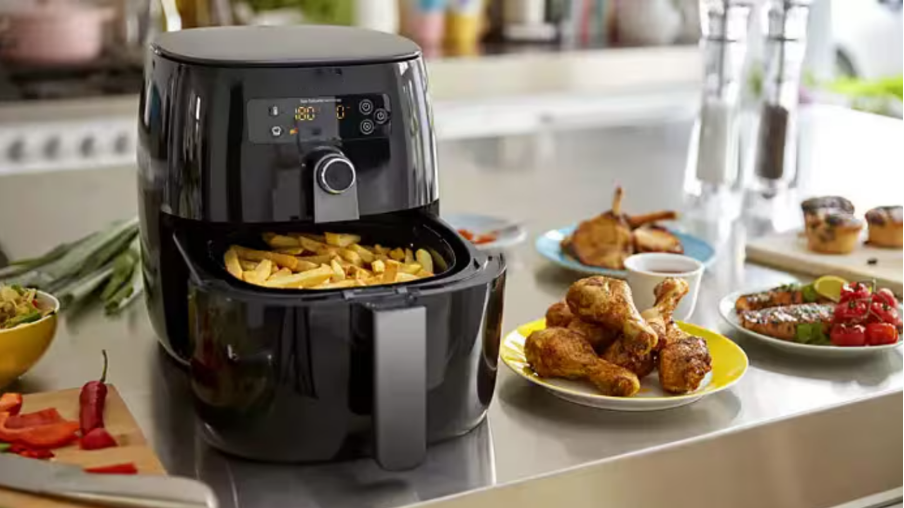
- Air fryer: Cut potatoes, soak in water, dry well, toss with 1 teaspoon of oil (optional), air fry at 400°F for 15-20 minutes. Result: crispy outside, soft inside, much less fat.
Example 2: Chicken Wings
- Oven-baked: Takes 40-50 minutes, sometimes dries out.
- Air fryer: Place wings in basket, no oil needed (chicken skin has enough fat), air fry at 380°F for 20-25 minutes. Result: crispy skin, juicy meat.
Example 3: Roasted Vegetables
- Oven: Needs 1-2 tablespoons of oil, cooks in 25-30 minutes.
- Air fryer: Toss veggies with seasonings, spray lightly with oil (or skip), air fry at 390°F for 10-12 minutes. Vegetables stay crisp-tender with little oil.
Credit: aeno.com
Safety And Convenience Advantages
Air fryers are not just about less oil—they’re also safer and easier to use.
- No hot oil splatter: Deep fryers can cause burns and kitchen messes.
- Automatic shutoff: Most air fryers stop when the timer is done.
- Easy to clean: Removable baskets and nonstick coating make cleanup fast.
- Less odor: Air fryers don’t fill your home with the smell of hot oil.
These benefits make air fryers a great fit for busy households, small apartments, or anyone who wants quick, healthy meals.
Limitations Of Air Fryers
While air fryers are versatile, they do have some limits:
- Batch size: Small baskets mean you can only cook a little at a time. For big families, this means cooking in batches.
- Food type: Wet batters or doughs don’t work well. Stick to breaded, coated, or naturally fatty foods.
- Texture differences: Some foods may not be as greasy or heavy as deep fried versions. This is a plus for health, but not everyone prefers it.
Recognizing these limits helps set realistic expectations and gets the best out of your air fryer.
Air Fryer Shopping Tips
If you’re thinking about buying an air fryer, here’s what matters most:
- Capacity: Pick a size that fits your household. For 1-2 people, a 2-3 quart model is fine. For families, 5-6 quart or larger is better.
- Power: Higher wattage means faster cooking. Most range from 1200 to 1800 watts.
- Basket shape: Round baskets are great for snacks; square baskets hold more food.
- Ease of cleaning: Removable, dishwasher-safe baskets save time.
- Extra features: Some air fryers have rotisserie, baking, or dehydrating functions.
Don’t get distracted by fancy displays or lots of presets. Focus on basket size, power, and ease of cleaning.
Environmental Impact: Oil Use And Waste
Air fryers not only save oil, but also reduce waste. Used oil from deep frying is hard to dispose of safely and can harm the environment. Air fryers use so little oil that there’s almost nothing to throw away. This makes them a greener choice for your kitchen.
Popularity And Market Trends
Air fryers have quickly become one of the top-selling kitchen appliances. According to market research, sales in the US grew by over 80% from 2017 to 2022. This trend is driven by:
- Health awareness: People want to cut fat and calories.
- Convenience: Fast cooking times fit busy lives.
- Versatility: Air fryers can cook a wide range of foods.
Major brands like Philips, Ninja, and Cosori now offer dozens of models, from basic to advanced.
For more detailed technical information, you can check the Wikipedia page on air fryers.
Frequently Asked Questions
How Does An Air Fryer Make Food Crispy Without Oil?
Air fryers use rapid air circulation to cook food. The hot air moves quickly around the food, drying the surface and causing the Maillard reaction, which creates a crispy crust. A small amount of natural moisture or fat in the food helps this process.
Can I Cook Frozen Foods In An Air Fryer Without Oil?
Yes, most frozen foods are pre-cooked or pre-breaded with oil. You can air fry them straight from the freezer. No extra oil is needed for items like frozen fries, chicken nuggets, or spring rolls.
Is Air-fried Food As Healthy As Steamed Or Boiled Food?
Air-fried food is lower in fat than deep fried, but steaming or boiling uses no oil at all. Steamed food keeps the most nutrients and has the least calories. Air frying is a healthier way to enjoy crispy food, but it’s not always as light as steaming.
What Foods Should I Avoid In An Air Fryer?
Avoid foods with wet batter (like tempura or some doughnuts), as the batter will drip off and not set properly. Very soft or liquid foods (like soups or stews) are also not suitable for air fryers.
Do I Need To Use Special Oil In An Air Fryer?
No, you can use any regular cooking oil. If you add oil, use high smoke point oils like canola, sunflower, or avocado oil. But remember, you need only a tiny amount—usually just a spray or teaspoon.
Air fryers have changed the way we cook at home. They use clever technology to make crispy, tasty food with little or no oil. By understanding how they work, you can get the most out of your appliance—enjoying healthier meals without giving up flavor or crunch.
Whether you’re reheating leftovers or making a full meal, air fryers offer a smart, simple, and healthier way to cook.
Credit: www.alsothecrumbsplease.com