
Storing clothes in a storage unit might seem simple, but doing it wrong can destroy your favorite outfits. Humidity, pests, and poor packing often turn a storage unit into a disaster for fabrics. Whether you’re moving, decluttering, or keeping seasonal clothes safe, knowing how to store clothes the right way protects your wardrobe and saves money.
Clothes are more than just fabric. Some pieces hold memories, while others are investments. That’s why taking a little extra care before putting them in a storage unit pays off in the long run. This guide will walk you through every step of the process, from preparation to packing to choosing the right unit.
You’ll learn practical tips, see real-life examples, and avoid mistakes that cost beginners dearly. By the end, you’ll feel confident your clothes will come out of storage looking just as good as when they went in.
Why Proper Clothes Storage Matters
Many people underestimate the risks of improper storage. Clothes in storage can develop mold, mildew, and musty odors if not packed well. Bugs, such as moths and silverfish, can chew through natural fibers in months. Even climate factors—like temperature swings and humidity—can ruin delicate garments.
A study by the Institute of Inspection Cleaning and Restoration Certification (IICRC) found that over 50% of fabrics stored in non-climate-controlled units showed signs of mold or pest damage within 12 months. Recovering damaged clothes can be costly or even impossible, especially with vintage or sentimental items.
Taking the right steps before and during storage is the key to keeping clothes in good condition, no matter how long they stay packed away.
Sorting And Preparing Clothes For Storage
Decide What To Store
Not every piece of clothing belongs in a storage unit. Sort your wardrobe into three categories:
- Keep at home: Everyday essentials and out-of-season items you’ll want soon.
- Store: Seasonal, sentimental, or rarely used clothes you want to keep long-term.
- Donate or discard: Clothes you haven’t worn in a year, or items that are damaged beyond repair.
Be honest during this process. Storing clothes you’ll never wear again wastes space and money.
Wash And Dry Everything
Always wash all clothes before packing. Even small stains can become permanent or attract pests over time. Dirty clothes also develop odors faster.
- Use fragrance-free detergent to avoid attracting insects.
- Dry clothes completely. Even a little moisture leads to mildew.
For delicate items, consider dry cleaning. Make sure to remove any plastic dry-cleaning bags before storage, as they can trap moisture.
Repair And Prepare
Check each item for missing buttons, loose threads, or small tears. Repairing these issues now prevents bigger problems later. Unrepaired clothes often get tossed aside when unpacked, or worse, the damage spreads.
Take out items from pockets—crayons, gum, pens, and coins can melt or stain clothes during long storage.
Choosing The Right Storage Unit
Not all storage units are equal when it comes to clothing. Your choice impacts how well your clothes survive months or years in storage.
Climate-controlled Vs. Regular Units
The biggest decision is whether to choose a climate-controlled or regular unit. Here’s how they compare:
| Feature | Climate-Controlled Unit | Regular Unit |
|---|---|---|
| Temperature | 55-80°F (constant) | Varies with weather |
| Humidity | Kept low (ideal for clothes) | Can get damp or very dry |
| Cost | 10-25% more expensive | Lower monthly cost |
| Best for | Delicates, heirlooms, long-term storage | Short-term, sturdy items |
Climate-controlled units are better for anything you care about. If you live in a humid or very hot/cold climate, they are worth the extra cost.
Location And Security
Pick a facility with good security—cameras, gates, and on-site staff. Thieves target unattended units. Also, consider how close the unit is to your home. If you’ll need to swap out clothes seasonally, easy access matters.
Size
Estimate how much space you need. Clothes compress, but you don’t want to overpack and crush them. A 5×5 or 5×10-foot unit is enough for most wardrobes, but if you’re storing coats, formal wear, or bedding, size up.
Best Packing Materials For Clothes
The right packing materials protect your clothes from the environment, bugs, and damage. Here’s what you should—and shouldn’t—use.
Use These Materials
- Plastic storage bins: Airtight, stackable, and waterproof. Best for most clothes.
- Wardrobe boxes: Tall boxes with a hanging bar. Perfect for suits, dresses, and coats.
- Cotton garment bags: Allow air flow and protect from dust.
- Acid-free tissue paper: Wrap delicates and prevent yellowing.
- Vacuum-seal bags: Save space for bulky items, but avoid for long-term storage of delicate fabrics.
Avoid These Materials
- Cardboard boxes: Attract pests and absorb moisture.
- Plastic dry-cleaning bags: Trap humidity, leading to mildew.
- Trash bags: Tear easily and don’t breathe, causing odors and mold.
Comparison: Plastic Bins Vs. Cardboard Boxes
| Feature | Plastic Storage Bin | Cardboard Box |
|---|---|---|
| Moisture Protection | Excellent | Poor |
| Pest Resistance | High | Low |
| Durability | Years | Months |
| Cost | Higher | Lower |
Investing in plastic bins pays off if you want to keep clothes in top shape.
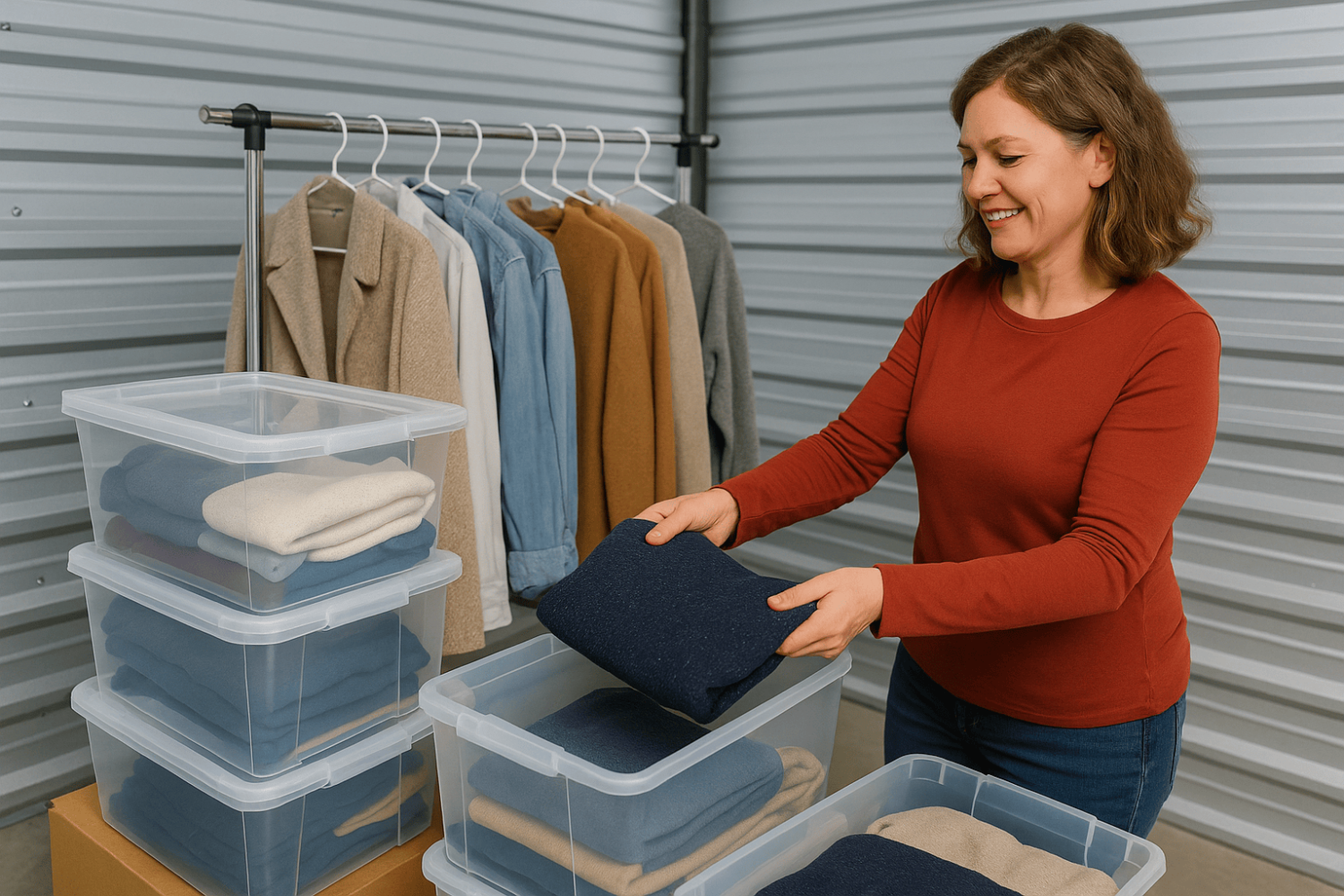
Credit: storageofamerica.com
How To Pack Clothes For Storage
Packing clothes properly is more than just folding and stacking. The way you pack affects how well your clothes survive time in storage.
Fold Or Hang?
- Fold: Most items—T-shirts, jeans, sweaters—should be folded to save space.
- Hang: Coats, suits, dresses, and anything easily wrinkled should be hung in wardrobe boxes or on sturdy hangers inside a garment rack.
Never overstuff bins or boxes. Clothes need to breathe. Overpacking leads to wrinkles, fabric stress, and even mold if moisture is trapped.
How To Fold Clothes
- Flat fold: Lay clothes flat to reduce creasing.
- Roll: For softer fabrics, rolling prevents deep creases and saves space.
- Stack by weight: Place heavier items at the bottom of bins, lighter at the top.
Wrap delicate items in acid-free tissue paper before stacking.
Use Protective Layers
Line the bottom of bins with a cotton sheet or extra tissue paper. This absorbs any stray moisture. Place a silica gel packet (the kind found in new shoes) in each bin to help control humidity.
Packing For Hanging Storage
- Use padded hangers for delicate fabrics to prevent shoulder bumps.
- Cover hanging clothes with a cotton garment bag or even a clean sheet—not plastic.
- Leave space between garments so air can circulate.
Packing Shoes And Accessories
- Clean and dry shoes before storing.
- Stuff shoes with acid-free tissue to maintain shape.
- Pack shoes in their own plastic bins or fabric shoe bags.
Belts and ties should be rolled and placed in small bins or hung.
Labeling And Organizing Storage
A little organization now saves hours later. Well-labeled bins make it easy to find what you need and prevent unnecessary unpacking.
Label Every Bin And Box
Use a permanent marker or printed labels. List:
- The type of clothes (e.g., “Winter Sweaters”)
- The season (“Summer” or “Winter”)
- The owner’s name, if sharing storage space
Stick labels on the side of bins for easy reading when stacked.
Create An Inventory List
Take a photo of each bin’s contents or write a simple list. Keep this on your phone or in a notebook. This helps you remember what’s stored and where, especially if you have multiple units or lots of bins.
Arrange Bins For Easy Access
Place seasonal clothes you’ll need soon at the front of the unit. Put rarely used or sentimental items at the back. Stack bins with the heaviest at the bottom, lightest at the top.
Protecting Clothes From Pests
Clothes moths, silverfish, and even mice are common in storage units. Preventing pests is much easier than dealing with an infestation.
Cleanliness Is Key
Never store dirty clothes or used cardboard boxes. Food crumbs, sweat, and body oils attract insects. Sweep or vacuum your storage unit before putting anything inside.
Use Natural Repellents
- Cedar blocks: Repel moths naturally and leave a pleasant scent.
- Lavender sachets: Deter bugs and add a fresh smell.
- Diatomaceous earth: Sprinkle around the floor (not on clothes) to keep crawling insects away.
Avoid mothballs. They are toxic and the smell is hard to remove from clothes.
Check For Signs Of Infestation
When you visit the unit, look for:
- Small holes in fabric
- Webbing or cocoons in corners
- Droppings or chewed labels
If you see any signs, remove all clothes immediately and clean both the items and the unit thoroughly.
Moisture And Odor Control
Moisture is a silent killer in storage units. It leads to mold, mildew, and musty smells that are hard to remove.
Use Desiccants
Place silica gel packets or moisture absorbers (like DampRid) in each bin and around the unit. These pull excess moisture from the air and help keep fabrics dry.
Allow Air Flow
Stack bins so air can move between them. Leave a small gap between the bins and the walls of the unit. If possible, visit the unit every few months to open bins and let clothes “breathe” for an hour.
Avoid Strong Scents
Don’t use scented dryer sheets or sprays. They can stain fabrics and sometimes attract pests. Stick to natural repellents like cedar or lavender.

Credit: www.storage-solutions.org
Long-term Vs. Short-term Storage Tips
Not all storage is equal. The length of time makes a difference in how you should pack and check your clothes.
Short-term Storage (less Than 6 Months)
- Folding is fine for most items.
- A regular storage unit may be okay in mild climates.
- Fewer desiccants and pest repellents are needed.
- Check clothes once at the halfway point.
Long-term Storage (6 Months Or More)
- Always choose a climate-controlled unit.
- Use extra desiccants and pest deterrents.
- Avoid vacuum-sealing delicate fabrics.
- Visit the unit every 3-4 months to inspect and air out clothes.
- Double-check labels and inventory before packing.
Table: Short-term Vs. Long-term Storage Needs
| Feature | Short-Term (0-6 months) | Long-Term (6+ months) |
|---|---|---|
| Type of Unit | Regular OK in mild climate | Climate-controlled strongly recommended |
| Packing Materials | Plastic bins or wardrobe boxes | Plastic bins, garment bags, desiccants |
| Inspection Frequency | Once, halfway through | Every 3-4 months |
| Pest Precautions | Basic (clean, closed bins) | Enhanced (cedar, lavender, diatomaceous earth) |
Special Considerations For Delicate And Valuable Clothes
Some clothes need extra care, especially wedding dresses, vintage items, leather, or furs.
Wedding Dresses And Vintage
- Use acid-free tissue and a cotton garment bag.
- Lay flat in a large bin or hang carefully in a wardrobe box.
- Avoid folding in sharp creases.
Leather And Suede
- Clean and condition before storage.
- Store in breathable fabric bags, never plastic.
- Keep away from direct sunlight in the unit.
Fur
- Fur needs professional cold storage, not a regular unit.
- If home storage is necessary, use a cotton bag and check regularly for pests.
Wool And Cashmere
- Wash or dry clean before storage.
- Fold with acid-free tissue between layers.
- Use cedar to deter moths.
Designer And Sentimental Items
- Insure valuable pieces if possible.
- Store off the ground in sealed bins.
- Consider photographing each item for records.
Common Mistakes To Avoid
Even experienced storage users make mistakes that ruin clothes. Watch for these traps:
- Using cardboard boxes: They break down, attract pests, and hold moisture.
- Ignoring climate control: This is crucial in humid or extreme climates.
- Storing damp clothes: Even a little moisture causes mildew.
- Overpacking bins: No airflow means mold and permanent wrinkles.
- Relying on mothballs: They’re toxic and leave hard-to-remove odors.
- Skipping inventory: You’ll forget what’s stored where, leading to lost or damaged items.
- Not checking the unit regularly: Problems grow if unnoticed for months.
- Using plastic dry-cleaning bags: They trap moisture and cause yellowing.
- Leaving clothes directly on the floor: Moisture seeps in from the ground.
- Storing dirty items: Dirt and stains attract bugs and become permanent.
Practical Tips And Non-obvious Insights
Here are a few expert tips that most beginners miss:
- Rotate stored clothes: If you store clothes long-term, rotate them every 6-12 months. This prevents permanent creasing and lets you check for pests or moisture.
- Use unscented soap bars: Place an unwrapped bar of unscented soap in each bin. It absorbs odors without leaving a strong scent or attracting pests.
- Elevate bins: Put pallets or blocks under bins to keep them off the floor. This stops moisture transfer and makes pests less likely.
- Take photos of valuable outfits: If you need to file an insurance claim, having a photo is proof of condition and ownership.
- Leave space in wardrobe boxes: Clothes need to hang freely. Overstuffing causes wrinkles that are hard to remove.
What To Do When Removing Clothes From Storage
Taking clothes out of storage is just as important as putting them in. You want to avoid bringing pests or odors into your home.
- Inspect each item: Look for mold, pests, or damage.
- Air out clothes: Hang outside or in a well-ventilated room for a few hours.
- Wash or dry clean: Clean all items before wearing, especially if stored for more than a few months.
- Condition leather: Use leather conditioner to restore softness.
- Check for missing items: Use your inventory list to make sure nothing is lost.
When To Call A Professional
If you’re storing a large collection, valuable vintage clothes, or need long-term preservation, consider a professional storage service. Some cleaners offer archival storage for wedding dresses and antiques. These services cost more but provide maximum protection.
For especially valuable clothes, check if your homeowner’s insurance covers items in storage. If not, buy extra coverage.
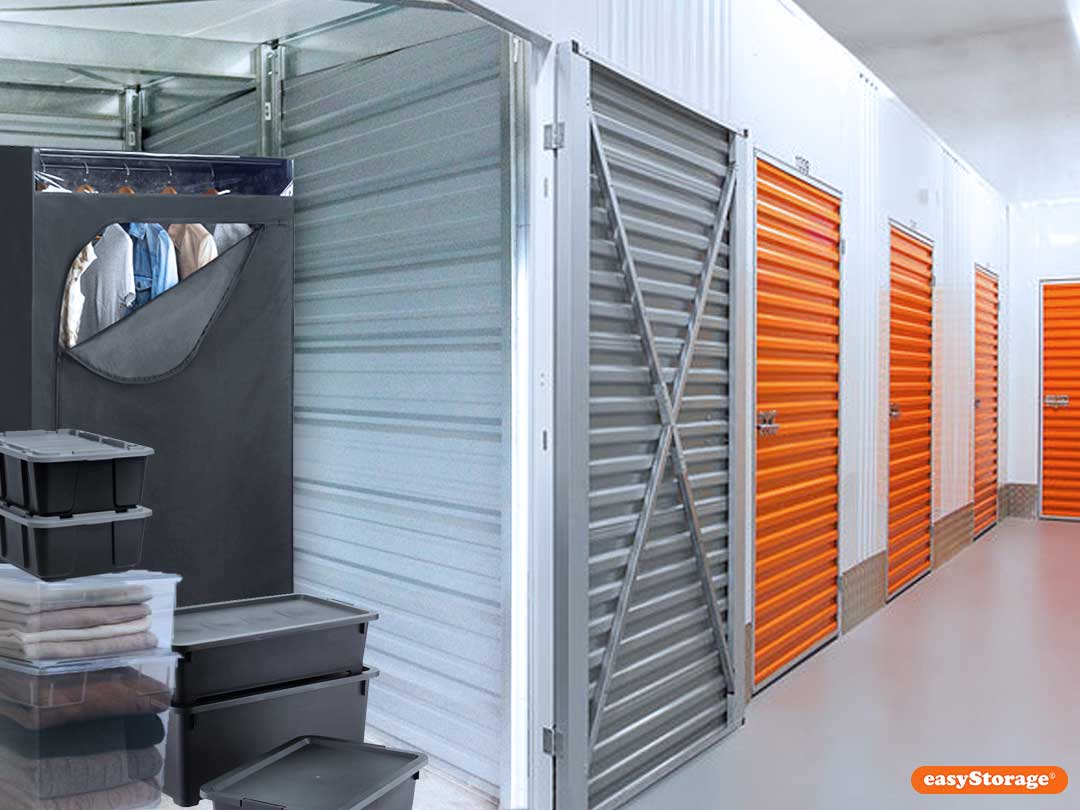
Credit: easystorage.com
Frequently Asked Questions
How Do I Prevent Mold On Clothes In A Storage Unit?
To prevent mold, always store clothes dry and clean. Use plastic bins with tight lids. Add silica gel packets or commercial moisture absorbers inside each bin. Choose a climate-controlled unit in humid areas, and never use plastic dry-cleaning bags, as they trap moisture.
Can I Store Clothes In Vacuum-seal Bags Long-term?
Vacuum-seal bags are good for short-term storage or bulky items like bedding. For long-term storage, avoid them for delicate fabrics like wool, silk, or leather—they can get permanently creased or damaged. Use them for items you don’t mind compressing, like out-of-season T-shirts.
What Should I Do If I Find Bugs In My Stored Clothes?
If you find bugs or signs of pests, remove all clothes immediately. Wash or dry clean everything. Clean the storage unit thoroughly and add pest deterrents like cedar or lavender. If the problem persists, talk to the facility manager or consider changing units.
How Often Should I Check My Clothes In Storage?
Check your stored clothes every 3-4 months for long-term storage. Look for signs of moisture, pests, or damage. Rotate and air out clothes when possible. For short-term storage (less than 6 months), check at least once during the period.
Is Climate Control Really Worth The Extra Cost?
Climate control is worth it if you’re storing clothes for more than a few months, or if you live in a humid or very hot/cold area. It prevents mold, mildew, and fabric damage. The added cost (usually 10-25% more) is less than the price of replacing ruined clothes. For more details, check Wikipedia’s Self Storage article.
Protecting your wardrobe in a storage unit doesn’t have to be hard or expensive. With the right preparation, packing, and materials, your clothes will come out just as fresh and beautiful as they went in. A little attention now saves time, money, and heartache later—leaving you more time to enjoy your favorite outfits and the memories they hold.