
Why Do Baking Sheets Bend In The Oven
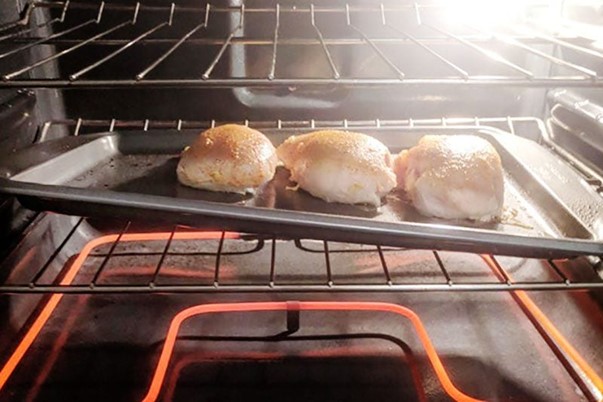
Every home baker, at some point, has opened the oven to find their baking sheet making a sudden loud pop or even bending with a sharp twist. It’s surprising, sometimes even worrying. You set everything up, and then your cookies or vegetables are suddenly sloping to one side.
Why does this happen? Is it a problem with your oven, your baking sheet, or something else? Let’s dive deep into the science, the practical reasons, and what you can actually do to keep your bakeware flat and reliable.
Understanding why baking sheets bend in the oven is more than a curiosity. It affects how evenly your food cooks, whether your cookies turn out thick or thin, and even your kitchen safety. We’ll break down the reasons, explore the science in simple terms, and give you clear advice so you can bake with confidence—and fewer surprises.
The Science Behind Metal Expansion
To understand why baking sheets bend, you first need to know a little about thermal expansion. This is a basic property of all materials, but especially metal. When you heat metal, its atoms move faster and spread apart. This causes the metal to expand. But here’s the key: not all parts of the baking sheet heat up evenly, and not all types of metal behave the same way.
For example, if the bottom of your baking sheet heats up faster than the edges, or if the sheet is thicker in some areas and thinner in others, the expansion is not even. The uneven expansion creates stress inside the metal, and that stress needs to go somewhere. Often, it’s released by the sheet bending, popping, or warping.
This isn’t just theory. The coefficient of thermal expansion measures how much a material expands when heated. Aluminum, the most common baking sheet metal, has a relatively high coefficient. That means it expands more than many other metals when heated to the same temperature.
Why Does Bending Happen So Suddenly?
Ever notice how a baking sheet can stay flat for a few minutes and then suddenly make a loud pop? This is because the metal can handle a certain amount of stress before it suddenly gives in. The energy builds up until the sheet changes shape quickly. This sudden change is called thermal shock. It’s the same reason why glass dishes can break if you put them in a hot oven straight from the fridge.
Baking sheets usually don’t break, but they do bend or twist. If your baking sheet is thin, the effect is often more dramatic. If it’s thicker, the bending is usually less but still possible.
Common Types Of Baking Sheets And Their Behavior
Not all baking sheets are created equal. Let’s look at the main types:
| Baking Sheet Type | Material | Warps Easily? | Notes |
|---|---|---|---|
| Aluminum (Thin) | Aluminum | Yes | Lightweight, low cost, heats quickly |
| Aluminum (Thick/Heavy Duty) | Aluminum | No/Low | More stable, more expensive |
| Stainless Steel | Stainless Steel | Moderate | Heats slower, less common for baking sheets |
| Nonstick Coated | Aluminum or Steel + Coating | Depends on base metal | Coating does not prevent warping |
| Insulated (Double Layer) | Aluminum + Air Layer | No/Very Low | Best at staying flat, even baking |
Thicker baking sheets are less likely to warp because they can handle more stress before bending. Insulated baking sheets, which have an air pocket between two layers, are made to stay flat and distribute heat evenly.
Key Reasons Baking Sheets Bend In The Oven
1. Rapid Temperature Change
When you put a cold baking sheet into a hot oven, the bottom heats up and expands first. The top and sides are still cooler, so they don’t expand as quickly. This difference creates stress and can cause the baking sheet to pop or bend.
2. Thin Or Low-quality Metal
Cheap, thin baking sheets use less metal and cost less to make. But they don’t handle heat well. Even a small temperature change can make them bend. Higher-quality, thicker sheets resist warping better.
3. Uneven Heating
Ovens are rarely perfect. Hot spots and cooler areas mean some parts of your baking sheet get hot faster than others. If the edges are cooler but the center is very hot, the expansion difference will make the metal twist or bow upward or downward.
4. Rim Design
Some baking sheets have flat edges, while others have high rims. Rimmed sheets are stronger at the sides, but the middle can still flex. If the rim is much thicker than the base, it can act like a frame, forcing the base to bend when it expands.
5. Overloading The Sheet
If you put a heavy roast or lots of food on a thin sheet, the weight can push it down. As the metal heats and expands, the weight adds extra stress, making bending more likely.
6. Previous Damage Or Warping
A baking sheet that’s already bent or damaged is more likely to warp again. Once the metal has changed shape, it’s weaker at that point.
7. Water Or Cold Liquids
Pouring cold water onto a hot baking sheet, or putting frozen food onto a hot pan, can cause a sudden contraction in the metal. This “thermal shock” can make the sheet bend or even crack.
How Warping Affects Your Food
The most obvious problem is your cookies, fries, or vegetables sliding to one side. But there are other issues:
- Uneven cooking: If the food pools at one edge, it can burn in one spot and stay undercooked in another.
- Loss of juices: When roasting meat or vegetables, juices run to the lowest point, causing burning and sticky messes.
- Food sticking: Bent sheets can cause oil or butter to pool, making some cookies greasy and others dry.
- Difficult handling: A twisted or bent sheet is harder to get in and out of the oven safely.
How Different Metals React In The Oven
Not every metal expands the same way. Here’s a quick comparison:
| Metal Type | Coefficient of Thermal Expansion (10^-6/°F) | Warps Easily? | Notes |
|---|---|---|---|
| Aluminum | 12.9 | Yes (if thin) | Most common, heats fast, light |
| Stainless Steel | 9.6 | Moderate | Heavier, slower to heat, tougher |
| Carbon Steel | 6.5 | No/Low | Rare for home baking sheets |
| Copper | 9.8 | Low | Expensive, rarely used for sheets |
Aluminum is popular for its light weight and fast heating, but it also expands the most. Stainless steel is tougher but can still warp if thin.
Simple Steps To Prevent Baking Sheet Warping
You can’t change the laws of physics, but you can work with them. Here’s how:
- Buy quality, thicker sheets: Choose heavy-duty or commercial-grade aluminum sheets. They cost more, but they last much longer and stay flat.
- Preheat with the sheet inside: Let your baking sheet warm up as the oven heats. This gives the metal time to expand evenly.
- Avoid sudden temperature changes: Don’t put cold sheets into a hot oven. Don’t pour cold water on hot metal.
- Don’t overload the sheet: Keep food in a single, even layer. Heavy loads add stress and make warping more likely.
- Cool gradually: Let the sheet cool on the counter, not in cold water. Sudden cooling can bend the metal further.
- Check for damage: Replace baking sheets that are already warped, cracked, or dented. They’ll only get worse with time.
When Is Warping A Real Problem?
Most baking sheet warping is minor and temporary. The sheet bends as it heats, then goes flat again as it cools. But if the warping is severe, or the sheet never returns to its original shape, you may need to replace it. Here’s when you should be concerned:
- Food slides or bunches together every time you bake.
- The sheet is hard to get in or out of the oven.
- Juices or oils run off the edge and create smoke or fire risk.
- The sheet has sharp edges or cracks from repeated bending.
In these cases, a new, thicker baking sheet is often the safest solution.
Baking Sheet Construction: What Matters Most
Let’s look at the main factors that decide whether a baking sheet will warp:
Material Thickness
Thicker metal can handle more expansion without bending. Commercial baking sheets are usually at least 13-gauge aluminum (about 2mm thick). Home sheets are often thinner, especially nonstick versions.
Rim Design
Rimmed sheets (also called half-sheet pans) have a raised edge, which adds strength. Rimless sheets are lighter but bend more easily.
Reinforcements
Some higher-end sheets have reinforced wires rolled into the rim. This makes them more rigid and less likely to twist.
Coatings
Nonstick coatings help with cleanup but don’t prevent warping. Some coatings can even chip if the sheet bends too much.
Real-world Examples: Popular Baking Sheets And Their Warping Tendencies
Many brands make big promises, but how do they perform? Here’s a look at some well-known baking sheets and their warping behavior:
- Nordic Ware Natural Aluminum Commercial Baker’s Half Sheet: Very thick, stays flat for most uses. Some warping if used under the broiler or at 500°F+.
- USA Pan Half Sheet Pan: Heavy-duty, reinforced, rarely warps in home ovens. Coating can chip if abused.
- Wilton Easy Layers Sheet: Thin, affordable, warps quickly at high heat or with heavy loads.
- Chicago Metallic Professional Non-Stick Jelly Roll Pan: Moderate thickness, some warping at 425°F+.
- Amazon Basics Baking Sheet: Thin aluminum, bends easily, especially at high heat.
No baking sheet is completely immune, but spending a little more usually gets you a sheet that stays flat.
Do Insulated Baking Sheets Really Prevent Warping?
Insulated baking sheets have a layer of air between two pieces of metal. The air acts as a buffer, so both layers heat up more evenly and slowly. This almost eliminates warping. It also makes for more even baking—no more burnt cookie bottoms.
The tradeoff is that these sheets are usually heavier, can cost more, and don’t brown food as quickly.
When It’s Not The Sheet: Oven Issues That Cause Warping
Sometimes the problem isn’t your bakeware. Ovens can have hot spots—areas that heat up faster due to uneven airflow or old heating elements. If your baking sheet is always warping in the same spot, try rotating the pan halfway through baking. If the problem goes away, it’s likely your oven’s heat distribution.

Credit: www.americastestkitchen.com
Can You Fix A Warped Baking Sheet?
If the warping is minor, you can sometimes gently bend the sheet back by hand when it’s cool. For more severe bends, lay the sheet upside down on a hard surface and press gently. But most of the time, the metal is weakened and the warping will return.
Common Myths About Baking Sheets Bending
Myth 1: Only Cheap Sheets Warp
Even expensive or commercial-grade baking sheets can warp, especially if exposed to rapid temperature changes or very high heat.
Myth 2: Warping Means A Defect
It’s not always a manufacturing problem. Warping is a natural result of thermal expansion and contraction. Only severe, permanent bends are a true defect.
Myth 3: Nonstick Coating Prevents Bending
Nonstick coatings make cleanup easier but don’t affect how the metal expands or contracts.

Credit: www.reddit.com
Smart Shopping: What To Look For In A Baking Sheet
If you’re buying a new baking sheet, here’s what matters:
- Thickness: Heavier is better for staying flat.
- Material: Aluminum is a good all-rounder, but look for commercial or heavy-duty.
- Rim: Reinforced or rolled edges add strength.
- Size: Standard half-sheet pans fit most ovens and are less likely to warp.
- Brand reputation: Trusted brands often use better materials and manufacturing.
Always check reviews and, if possible, feel the weight in your hand. A heavier sheet is usually a better investment.
The Role Of Temperature: How Hot Is Too Hot?
Most baking sheets are designed for baking temperatures up to 450°F. Broiling or using temperatures above 500°F can cause more severe warping, even on high-quality sheets. For broiling, use a broiler-safe or cast iron pan instead.
How Do Professional Kitchens Handle Warping?
Restaurants and bakeries use full-sheet pans made from thick aluminum. They replace them when they bend, but with proper care, a commercial sheet can last for years. High volume kitchens avoid sudden temperature changes and use multiple sheets to rotate hot and cool pans.
Two Insights Most Beginners Miss
- Preheating the sheet with the oven can reduce warping. When the whole sheet heats up slowly, the expansion is even, so there’s less stress.
- Letting the sheet cool gradually is just as important. Rushing to clean a hot pan under cold water is a common mistake that weakens the metal over time.
Credit: www.dvo.com
Quick Comparison: Thin Vs. Thick Baking Sheets
Here’s a simple side-by-side look:
| Feature | Thin Baking Sheet | Thick Baking Sheet |
|---|---|---|
| Weight | Light | Heavy |
| Price | Low | Moderate/High |
| Warps Easily? | Yes | No/Low |
| Even Heating | Poor | Good |
| Best For | Light baking (cookies, toast) | Roasting, all baking |
What About Silicone Baking Mats?
Silicone mats are placed on top of baking sheets. They don’t prevent the sheet itself from bending, but they do help distribute heat more evenly and prevent sticking.
Oven Liners And Baking Sheet Warping
Some people use oven liners to catch drips and spills. These don’t affect baking sheet warping unless they block airflow. Always use liners according to the manufacturer’s instructions.
Environmental Impact: Disposable Vs. Reusable Baking Sheets
Disposable aluminum trays are very thin and warp easily. They’re not meant for repeated use. Reusable, heavy-duty sheets last longer and reduce waste.
Safety Tips: Handling Warped Baking Sheets
- Always use oven mitts. Warped sheets can twist unexpectedly when lifted.
- Don’t try to flatten a hot sheet—wait until it’s cool.
- If a warped sheet has sharp edges, replace it immediately.
Summary: Why Baking Sheets Bend
Baking sheets bend in the oven because of thermal expansion—the metal expands as it heats, and if the expansion is uneven or the sheet is thin, it bends to release the stress. The main factors are the type of metal, thickness, rim design, quality, and how you use and care for the sheet. By choosing the right sheet and handling it with care, you can minimize warping and bake with more confidence.
If you want to explore more about the science of metal expansion, check out this Wikipedia article on thermal expansion.
Frequently Asked Questions
Why Does My Baking Sheet Make A Loud Popping Noise In The Oven?
The loud pop is the sound of the metal suddenly bending due to thermal expansion. When the sheet heats unevenly, stress builds up. Once it’s too much, the sheet snaps into a new shape, making a sharp sound.
Can I Fix A Warped Baking Sheet, Or Should I Replace It?
Minor warps can sometimes be bent back by hand when the sheet is cool. But most of the time, the metal is weakened and will bend again. For severe warping, it’s best to replace the sheet.
Does Using Parchment Paper Or A Silicone Mat Prevent Warping?
No, these tools help prevent food from sticking and make cleanup easier, but they don’t affect how the metal expands or contracts. Warping depends on the sheet itself.
Is Warping Dangerous For My Oven Or Food?
Warping is usually not dangerous, but it can cause uneven cooking or make the sheet harder to handle. If the sheet has sharp edges or cracks, replace it to avoid cuts or spills.
How Can I Prevent My Baking Sheets From Bending In The Future?
Buy thick, heavy-duty sheets, preheat with the oven, avoid sudden temperature changes, and don’t overload the pan. Let the sheet cool slowly and replace any that are already damaged.
By understanding why baking sheets bend and using the right strategies, you can enjoy better baking results—and fewer surprises every time you open the oven.