
Chinese antique furniture is more than just decoration—it’s a living piece of history. Each table, chair, or cabinet can tell stories from dynasties long gone. But how do you know if you’ve found a real antique, or just a clever copy? Many pieces look old, but only a few are truly valuable. Learning to identify antique Chinese furniture is both an art and a science.
Collectors, interior designers, and history lovers all want to spot the real thing. But the world of Chinese antiques is full of details, traditions, and sometimes tricks. In this guide, you’ll learn clear steps to recognize genuine antique Chinese furniture.
We’ll cover everything from types of wood to signs of age, joinery methods, and famous styles. You’ll even see what separates a Ming table from a Qing chair. With practical tips and real examples, you’ll feel more confident next time you see a piece that might belong in a museum—or maybe even your own home.
Understanding Antique Chinese Furniture: The Basics
Before you look for specific signs, it helps to know what makes Chinese furniture unique. Chinese furniture is not just old; it’s shaped by the country’s long history, regional traditions, and deep cultural meanings.
What Counts As Antique?
Most experts agree that antique Chinese furniture is at least 100 years old. That usually means it was made before 1920. Furniture from the Ming (1368–1644) and Qing (1644–1912) dynasties is especially prized.
But age alone does not guarantee value. Some old pieces were made for everyday use and may not be special. Others, created for emperors or wealthy families, show amazing skill and rare materials.
Why Is Chinese Furniture So Special?
Chinese furniture stands out because of:
- Joinery: No nails or screws. Pieces are joined using skillful woodwork.
- Materials: Rare woods like huanghuali and zitan are famous.
- Design: Simple lines, balanced shapes, and natural beauty.
These qualities make Chinese antiques popular worldwide.
Key Historical Periods And Styles
Knowing the main periods helps you recognize styles and details.
Ming Dynasty (1368–1644)
Ming furniture is known for simple, elegant lines. It’s often made from precious woods and uses little decoration. The focus is on natural beauty and perfect craftsmanship.
Famous examples: Horseshoe-back armchairs (Guanmaoyi), long tables, and waisted stools.
Qing Dynasty (1644–1912)
Qing furniture is often more ornate, with elaborate carvings, lacquer, and inlays. Pieces are heavier and sometimes use mixed materials.
Famous examples: Throne chairs, display cabinets, and opium beds.
Republic Period (1912–1949)
Furniture from this time can mix old and new ideas. Some pieces copy earlier styles but may use cheaper woods or machine tools.
Regional Styles
China’s regions have their own traditions. For example:
- Suzhou: Delicate, refined, light forms.
- Guangdong: Heavy, bold, with strong carvings.
- Beijing: Often for the royal family, using the best woods.
Wood Types And Materials: How To Spot The Real Thing
One of the fastest ways to judge a piece is by its wood. The best antique Chinese furniture uses rare hardwoods. Here’s how to recognize them.
Common Woods In Antique Chinese Furniture
| Wood Name | Chinese Name | Color & Grain | Notes |
|---|---|---|---|
| Huanghuali | 黄花梨 | Golden brown, swirling grain | Very rare, used in Ming pieces |
| Zitan | 紫檀 | Dark purple-black, tight grain | Denser than water, used for imperial furniture |
| Jichimu | 鸡翅木 | Brown, streaked like chicken feathers | Less expensive, still valued |
| Nanmu | 楠木 | Light brown, smooth | Used for cabinets, resistant to bugs |
| Elm | 榆木 | Light to medium brown, open grain | Common, often for northern furniture |
How To Tell The Difference
- Huanghuali: Smells sweet when scratched. Look for golden tones and a complex, almost 3D grain.
- Zitan: Feels very heavy. The color is nearly black with a purple sheen.
- Jichimu: Notice the streaks that look like feathers.
- Elm or Pine: Often used in country pieces or less valuable items.
Non-obvious tip: Some fakes use stained beech or other woods to copy huanghuali. Check the smell and weight; real huanghuali is fragrant and dense.
Construction Methods: The Art Of Joinery
Joinery is how pieces of wood are connected. Traditional Chinese joinery is a real test of age and skill.
Mortise And Tenon
Most real antiques use mortise and tenon joints—one piece of wood fits into a hole in another. There are no nails or screws. This method is strong and lets wood expand and contract with humidity.
How to spot: Look under tables and chairs. Joints should be tight, with no modern glue or metal.
Dowels And Wedges
Some pieces use wooden dowels (thin rods) or wedges to lock joints in place. Again, no metal or obvious glue.
Signs Of Handwork
- Tool marks: Old pieces often show fine chisel or plane marks, not the smoothness of machines.
- Irregularity: Handmade parts are not perfectly identical. Small differences are a good sign.
Non-obvious tip: Modern copies may use machine-made joints that look too perfect or uniform.
Credit: www.christies.com
Decoration And Finishing Techniques
Antique Chinese furniture has many ways to add beauty. But decoration can also reveal a piece’s age.
Carving
Ming pieces usually have simple, shallow carving—just a border or a cloud motif. Qing pieces can be deeply carved with dragons, flowers, or scenes.
Check for: Soft edges (from years of cleaning), not sharp or “crisp” lines.
Lacquer
Lacquer is a hard, shiny coating made from tree sap. Old lacquer often cracks in a pattern called craquelure—fine, irregular lines.
Test: Gently tap with your fingernail. Old lacquer sounds solid, not hollow.
Inlay
Mother-of-pearl, ivory, or colored stones can be set into wood. Genuine inlay is smooth to the touch; modern copies may feel rough or “stuck on. ”
Paint
Some pieces, especially from the north, are painted with colorful designs. Faded colors and smooth wear are good signs of age.
Hardware And Metal Fittings
Locks, hinges, and handles can help date a piece. Real antiques use hand-forged brass or iron.
| Hardware Type | Antique Signs | Modern Signs |
|---|---|---|
| Lock plates | Irregular, hammered edges; patina | Perfect circles, bright shine |
| Hinges | Thick, uneven, dark spots | Thin, machine-cut, too regular |
| Handles | Worn smooth, visible hand filing | No wear, sharp corners |
Tip: Real patina comes from use. It won’t rub off easily.
Signs Of Age And Authentic Use
True antiques show their age in ways that are hard to fake.
Patina
Patina is the soft sheen that comes from years of use and cleaning. It’s not just dirt—patina glows from inside the wood.
- Color: Old wood darkens and deepens over time.
- Touch: Surfaces feel soft, almost silky.
Wear And Tear
- Edges: Look for rounded corners, not sharp ones.
- Legs and Feet: Check for signs of being moved or cleaned, like worn spots or small chips.
- Inside Drawers: The bottoms may have old stains or pencil marks.
Non-obvious tip: Real wear is uneven—on spots people touch or use most.
Repairs
Many antiques have old repairs. These are not always bad! Look for butterfly patches, replaced feet, or new wooden pegs. Old repairs often use similar wood and are carefully done.
Common Furniture Forms And How To Recognize Them
Knowing the main types of antique Chinese furniture helps you spot real pieces.
Chairs
- Yoke-back chair (Sichutouguan yizi): Tall back, curved top rail.
- Horseshoe-back armchair (Guanmaoyi): Round top rail, arms curve out.
- Straight-back chair: Simple, no armrests.
Tables
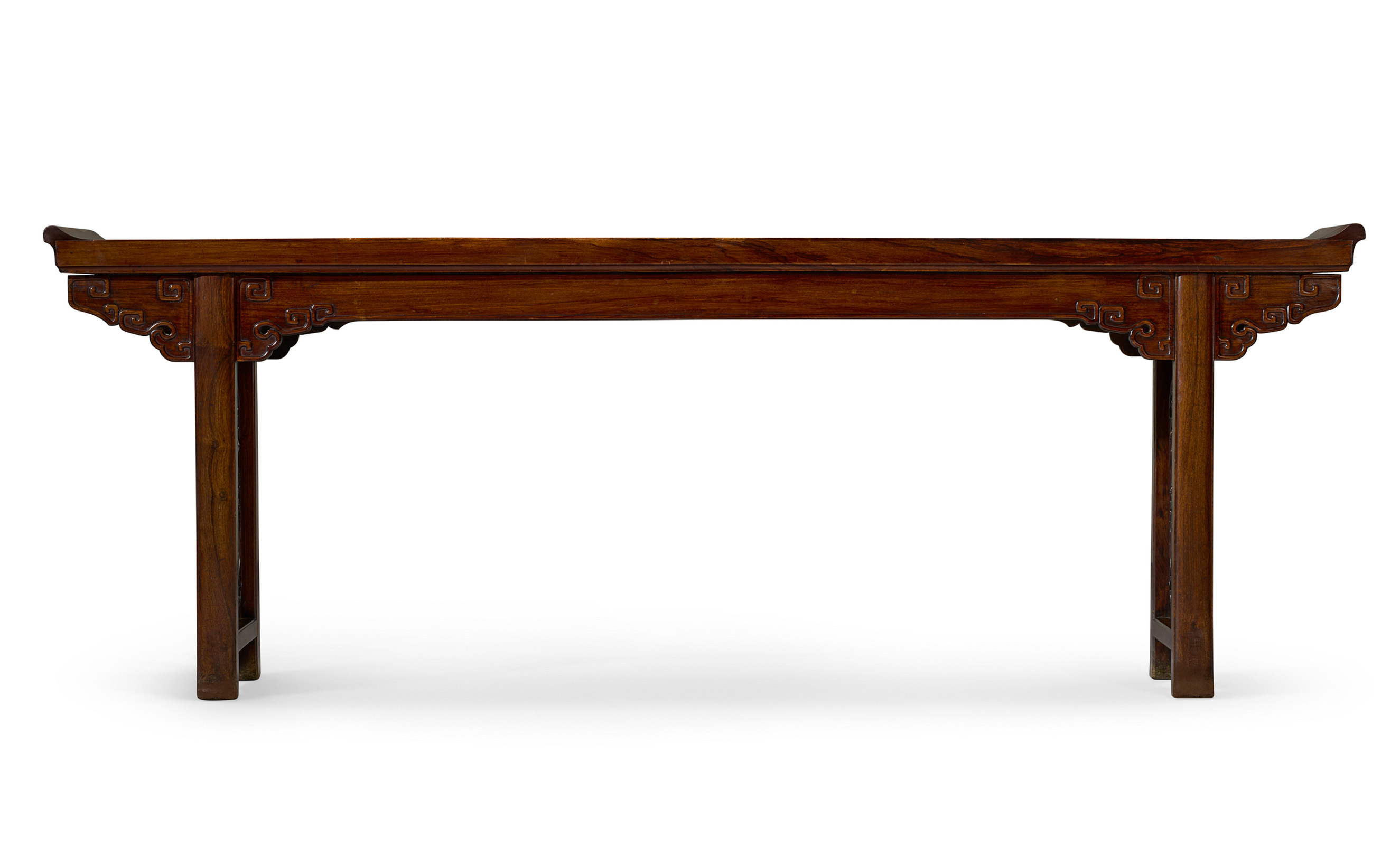
- Altar table (An): Long, narrow, with everted flanges at the ends.
- Square table: Used for games or tea.
Cabinets
- Compound cabinet (Liangxianggui): Two sections, often with a removable top.
- Round-corner cabinet (Yuanjiaogui): Rounded corners, flush doors.
Beds And Daybeds
- Opium bed: Short, wide, with a solid frame.
- Canopy bed: Tall posts, can be hung with fabric.
Screens
Folding screens often have painted panels or carved wood.
Tip: Learn the Chinese names. Many sellers use them, and knowing them helps you research more.
Credit: www.1stdibs.com
Spotting Fakes And Reproductions
The market is full of modern copies. Some look very convincing! Here’s how to protect yourself.
Common Tricks
- Artificial aging: Makers use chemicals, sandpaper, or fire to create fake wear.
- Mixed materials: Using old wood scraps to build new furniture.
- Modern joinery: Nails, screws, or visible glue.
How To Avoid Being Fooled
- Ask for clear photos of joints, back, and undersides.
- Smell the wood. Modern stains often have a chemical odor.
- Compare hardware closely with real antiques.
- If the price is too good to be true, be suspicious.
Certificates And Provenance
Some antiques come with papers showing their history. Check the source—real provenance should include past owners, auction records, or photos.
The Role Of Provenance And Documentation
Provenance is the history of who owned the piece. It can add value and help prove authenticity.
What To Look For
- Old photographs with the furniture in place
- Auction records or receipts
- Labels or marks from well-known collectors
Warning: Fake provenance papers do exist. Always check with a reputable dealer or expert.
Consulting Experts And Getting An Appraisal
Even with all this knowledge, it’s smart to ask for help when buying expensive antiques.
- Appraisers: Certified experts can give a written opinion.
- Auction houses: Big houses like Christie’s or Sotheby’s have specialists.
- Museums: Many museum staff will answer questions.
A professional appraisal may cost money, but it’s worth it for valuable pieces.
Comparing Antique, Vintage, And Reproduction Furniture
It’s easy to get confused by these terms. Here’s a quick comparison:
| Type | Age | Materials | Value |
|---|---|---|---|
| Antique | 100+ years | Rare woods, handwork | High |
| Vintage | 20–99 years | Mixed woods, some machine work | Medium |
| Reproduction | Modern | Common woods, machine-made | Low |
Tip: Reproductions can still be beautiful and useful, but they are not investments.
Where To Find Antique Chinese Furniture
If you want to buy, here’s where to look:
- Reputable dealers: Shops with a long history and good reviews.
- Auctions: Houses like Christie’s, Bonhams, and regional auctioneers.
- Estate sales: Sometimes families sell inherited antiques.
- Online marketplaces: Use caution—ask for extra photos and details.
Warning: Never buy expensive antiques from unknown sources without seeing them in person or getting an expert’s opinion.
Caring For Antique Chinese Furniture
Once you own a real antique, care is important.
- Keep out of direct sunlight: Sun can fade wood and crack lacquer.
- Control humidity: Too dry or wet can damage wood.
- Dust gently: Use a soft cloth, no harsh chemicals.
- Repair with care: Use experts for big repairs. Do not use modern glue or nails.
Tip: Minor scratches and wear add character; don’t over-restore.

Credit: www.reddit.com
Real-world Examples And Case Studies
Example 1: A Ming Dynasty Table
A collector found a simple, long table with elegant lines at a country auction. Signs of authenticity included:
- Huanghuali wood with a sweet scent and swirling grain
- Mortise and tenon joints, no nails
- Soft patina and some old repairs on the legs
It was appraised at over $50,000.
Example 2: A Qing Dynasty Cabinet
A family inherited a large cabinet with deep carvings and brass hardware. Closer look revealed:
- Machine-cut hinges (not hand-forged)
- Sharp, unworn carvings
- Strong chemical smell
It was a modern reproduction, worth much less than expected.
Example 3: A Suzhou-style Chair
An antique dealer offered a light, graceful chair. Authentic signs:
- Jichimu wood with feather-like grain
- Delicate joinery, tool marks visible
- Smooth wear on armrests
The chair’s value was high, and its regional style made it unique.
Practical Tips For Beginners
- Study real pieces: Visit museums to see real antiques up close.
- Carry a magnifier: Look for tool marks and patina.
- Ask questions: Honest sellers share details and history.
- Start small: Buy less expensive items first to learn.
- Take notes and photos: Build your own reference library.
Non-obvious tip: Often, the back and underside of a piece reveal more than the front.
Resources For Learning More
Learning about antique Chinese furniture is a lifelong journey. Books, museum catalogs, and online galleries are valuable. For in-depth research, the Wikipedia Chinese furniture page offers a rich overview of history, styles, and terms.
Frequently Asked Questions
How Can I Tell If A Piece Of Chinese Furniture Is Truly Antique?
Look for signs like hand-cut joinery (no nails or screws), aged wood with real patina, and hardware that is thick and uneven. Check for uneven wear in areas of frequent use and learn to recognize the main wood types like huanghuali and zitan.
What Is The Difference Between Ming And Qing Furniture?
Ming furniture usually has simple, clean lines and uses rare woods with little decoration. Qing furniture is often heavier and more ornate, with deep carvings, lacquer, and inlays. The style reflects the tastes of each period.
Are There Any Quick Tests To Spot A Fake?
Smell the wood—real antique woods like huanghuali have a sweet scent. Inspect joints for signs of handwork. Use a magnifier to check for tool marks or artificial aging. Real antiques have natural, uneven wear, especially on corners and handles.
Is A Piece Valuable If It Has Old Repairs?
Yes, old repairs are common and do not reduce value unless they are poorly done. In fact, careful repairs using similar materials can add to the story of the piece. Over-restoration with modern materials, however, can reduce value.
Where Can I Get An Expert Opinion On My Furniture?
Contact certified appraisers, reputable auction houses, or museum specialists. Bring clear photos and any history you have about the piece. An expert can often tell you the age, style, and value.
Chinese antique furniture is a rewarding field for collectors and enthusiasts. With the right knowledge, you can spot genuine treasures and avoid expensive mistakes. Remember, every piece has a story—if you learn to listen, you’ll discover a world of art, history, and beauty in every chair, table, and cabinet.