
When you step into a kitchen—whether it’s your first apartment, a friend’s house, or a professional restaurant—you’ll almost always find a skillet, a frying pan, or a sauté pan. Some people use these names as if they mean the same thing. But do they? If you want to cook better and avoid frustration, it’s important to know the real differences. Choosing the right pan isn’t just about following a recipe—it’s about understanding how tools affect your food’s taste, texture, and even your cleaning routine.
In this article, I’ll guide you through everything you need to know about skillets, frying pans, and sauté pans. You’ll learn what makes each unique, when to use them, and how to pick the right one for your needs. We’ll also dig into materials, care tips, and common mistakes most beginners make.
By the end, you’ll feel confident reaching for the right pan, whether you’re frying eggs, searing steak, or simmering a sauce.
What Is A Skillet?
A skillet is a type of pan with sloped sides and a flat bottom. It usually has a long handle and sometimes a small helper handle on the opposite side. The sides are angled, which makes it easy to toss or stir food. Skillets are often made from cast iron, but you can also find them in stainless steel, nonstick, aluminum, or even copper.
Key Features Of A Skillet
- Sloped Sides: These make it easy to flip or stir food, especially for tasks like sautéing or browning.
- Depth: Skillets are typically a bit deeper than frying pans, allowing for more food or small amounts of sauce.
- Versatility: You can use them on the stove, in the oven, or even over a campfire.
Common Uses
Skillets are great for:
- Searing meats (like steak or chicken breasts)
- Frying eggs or bacon
- Sautéing vegetables
- Baking (cornbread, frittatas, or even desserts like cobbler)
Why Skillets Stand Out
One thing that surprises many beginners is that cast iron skillets get better with age. The more you use and season them, the more nonstick they become. Also, their heat retention is excellent, which helps cook food evenly—especially useful for dishes that finish in the oven.
What Is A Frying Pan?
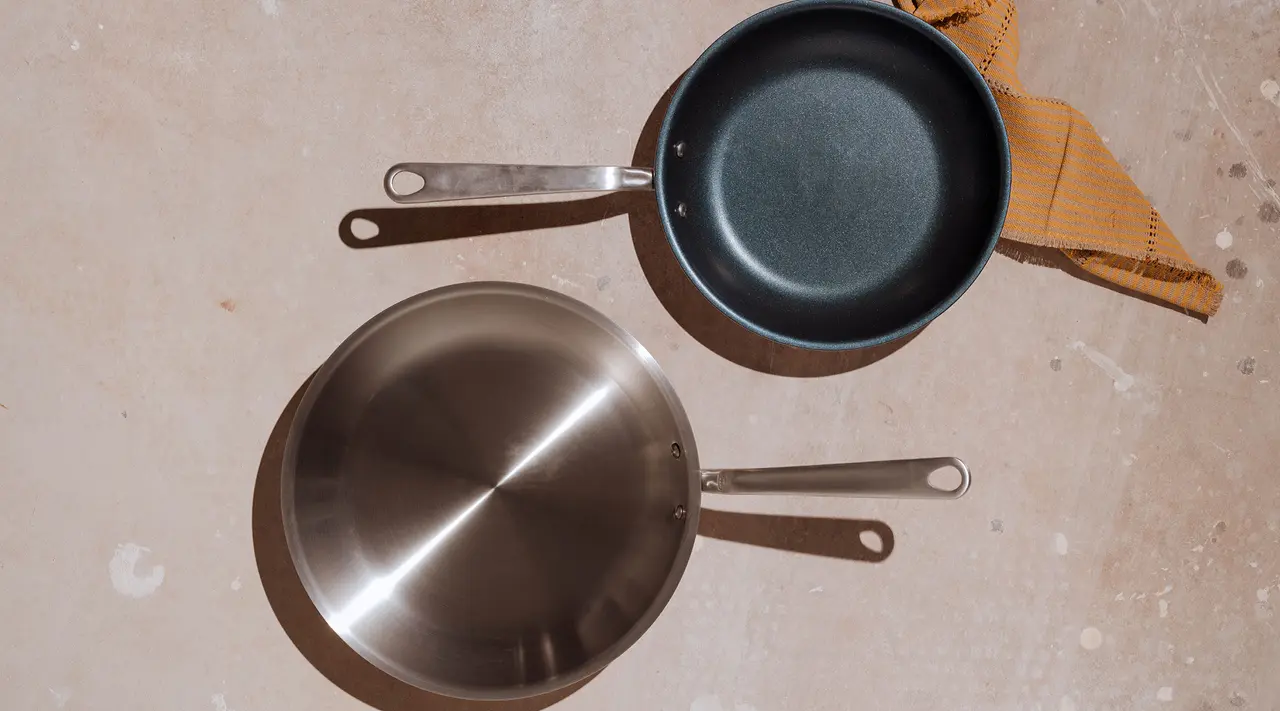
A frying pan is similar to a skillet, but there are subtle differences that matter. Frying pans have sloped sides like skillets, but they are often a bit shallower and lighter. They are most often made from nonstick, stainless steel, or aluminum. Their main job is to cook food quickly at high heat with a small amount of oil or fat.
Key Features Of A Frying Pan
- Wide, Flat Cooking Surface: Great for even browning and crisping.
- Sloped Sides: Make it easy to slide food out, like an omelet or pancake.
- Lightweight: Easier to handle with one hand, especially when flipping food.
Common Uses
Frying pans are best for:
- Cooking eggs (scrambled, fried, or omelets)
- Pancakes, crepes, and French toast
- Stir-frying small amounts of food
- Pan-frying cutlets or fish fillets
What Makes Frying Pans Unique
Many people don’t realize that the nonstick frying pan is not meant for high-heat searing. Overheating can damage the nonstick coating. Also, frying pans generally aren’t designed for the oven, unless they have oven-safe handles and materials.
What Is A Sauté Pan?
A sauté pan looks different from both a skillet and a frying pan. The most obvious feature is the straight, tall sides. It often has a wider base and comes with a lid. Sauté pans are usually made from stainless steel or aluminum, and sometimes have a nonstick or copper core.
Key Features Of A Sauté Pan
- Straight Sides: Hold more liquid and help prevent spills.
- Larger Capacity: Great for dishes with sauces or when cooking for more people.
- Comes With a Lid: Perfect for simmering, braising, or steaming.
Common Uses
You’ll want a sauté pan for:
- Sautéing onions, garlic, and aromatics with less mess
- Making sauces, gravies, or reductions
- Braising meats or vegetables
- Shallow frying or poaching
Special Benefits
Sauté pans are often overlooked by beginners. Their shape allows you to add more liquid without it splashing over. Also, they’re better for slow cooking, since you can cover them and trap moisture inside.
Skillet Vs Frying Pan Vs Sauté Pan: Side-by-side Comparison
It’s easy to get confused when you see these pans on store shelves. To make things clearer, here’s a direct comparison in an easy-to-read table:
| Feature | Skillet | Frying Pan | Sauté Pan |
|---|---|---|---|
| Sides | Sloped | Sloped | Straight, tall |
| Typical Material | Cast iron, steel | Nonstick, steel, aluminum | Stainless steel, aluminum |
| Depth | Medium | Shallow | Deep |
| Lid Included | Optional | Rare | Usually |
| Best For | Searing, sautéing, baking | Frying, eggs, pancakes | Sautéing, sauces, braising |
| Oven Safe | Usually | Sometimes | Often |
Key Differences Explained
Let’s dive deeper into what makes each pan special and when to use which.
Shape And Sides
The shape of the pan affects how food cooks. Sloped sides (skillet, frying pan) allow steam to escape, which helps food brown and crisp. Sloped sides also make it easier to slide food out or flip with a spatula. This is why pancakes and omelets work best in these pans.
Straight sides (sauté pan) keep ingredients and liquids inside. This is important when making sauces or braising, where you want to prevent spills and keep moisture in.
Cooking Surface Area
A frying pan often has a slightly larger flat cooking surface than a skillet with the same diameter. This means you have more room for food to spread out, which helps with even browning. For example, a 10-inch frying pan might give you 8 inches of flat space, while a 10-inch skillet could be closer to 7 inches due to its curved sides.
Sauté pans have the largest surface area for their size because the sides go up at a 90-degree angle. That means more room for food to contact the pan, which is great for batch cooking or searing multiple pieces of meat at once.
Weight And Handling
Cast iron skillets are heavy. This gives you great heat retention, but they can be hard to lift, especially when full. Frying pans are lighter and easier to handle, making them better for quick tasks. Sauté pans are usually in the middle—heavier than frying pans, lighter than cast iron.
Heat Retention And Distribution
Cast iron skillets hold heat for a long time. This makes them excellent for searing and dishes that go from stove to oven. Stainless steel and aluminum pans heat up and cool down faster, which gives you more control over temperature—important when making delicate sauces.
Nonstick frying pans heat quickly but can have uneven hot spots, especially if the pan is thin. Sauté pans are often built with a thick base or a layered core to prevent burning and promote even cooking.
Price
Skillets can range from budget (simple cast iron) to high-end (enameled or copper-core). Frying pans are usually affordable, but high-quality nonstick options cost more. Sauté pans are often pricier due to their larger size and thicker construction.
When To Use Each Pan
One of the biggest mistakes home cooks make is grabbing the wrong pan for the job. Here’s how to choose:
Choose A Skillet When…
- You need high heat for searing steaks or chicken
- You want to bake cornbread or frittatas in the oven
- You’re making stir-fries, roasted vegetables, or shallow frying
- You value durability and multipurpose use (especially with cast iron)
Choose A Frying Pan When…
- You’re cooking eggs, pancakes, or crepes
- You want to flip or slide out food easily
- You need a lightweight pan for quick jobs
- You’re using delicate foods that need a nonstick surface
Choose A Sauté Pan When…
- You’re making sauces, gravies, or braised dishes
- You want to cook with more liquid and avoid spills
- You’re shallow frying or poaching
- You need to cover the food for simmering or steaming

Credit: www.youtube.com
Materials: Cast Iron, Stainless Steel, Nonstick, And More
The material your pan is made from changes how it cooks, cleans, and lasts.
Cast Iron
Cast iron skillets are famous for their durability and heat retention. With proper seasoning, they become almost nonstick. However, they need regular care (no dishwasher!) and can rust if left wet.
Stainless Steel
Stainless steel is popular for sauté pans and some frying pans. It won’t react with acidic foods (like tomato sauce) and can go from stove to oven. However, food can stick if you don’t preheat the pan and use enough oil.
Nonstick
Nonstick pans (usually frying pans) are coated with materials like Teflon. They are easy to clean and perfect for eggs or delicate fish. Don’t use metal utensils, and avoid high heat—they can damage the coating.
Aluminum
Aluminum heats up fast and is lightweight. Many nonstick pans have an aluminum base. It can warp at high heat and may react with acidic foods unless coated.
Copper
Copper pans heat evenly and respond quickly to temperature changes. They are often lined with stainless steel. Copper is expensive and requires polishing.
Enameled Cast Iron
Enameled cast iron (like Le Creuset) doesn’t need seasoning and can handle acidic foods. It’s heavy, expensive, but very durable.
How To Choose The Right Pan For Your Kitchen
Choosing between a skillet, frying pan, and sauté pan depends on what you cook most and how you like to cook.
Think About Your Cooking Style
- If you love making steaks, cornbread, or dishes that go in the oven, a cast iron skillet is a must.
- If breakfast foods like eggs and pancakes are your go-to, a nonstick frying pan will make life easier.
- If you cook for a family or love making sauces, risotto, or braised meats, a sauté pan offers the most flexibility.
Consider Your Kitchen Space
If you have a small kitchen, you may not want three similar pans. Many cooks find that owning one good skillet and one sauté pan covers almost all needs.
Budget And Maintenance
Cast iron is affordable but needs more care. Nonstick pans need replacing every few years. Stainless steel and enameled pans last a lifetime with proper care.
Oven And Dishwasher Use
Check if your pans are oven-safe—this is key for recipes that start on the stove and finish in the oven. Also, if you prefer easy cleaning, look for dishwasher-safe options (not cast iron).
Practical Tips For Cooking With Each Pan
Skillet Tips
- Preheat fully before adding food—cast iron especially needs time to heat evenly.
- Use less oil as your pan becomes more seasoned.
- Clean with hot water and a stiff brush—avoid soap if possible.
Frying Pan Tips
- Avoid high heat with nonstick pans to protect the coating.
- Use plastic or wooden utensils to prevent scratching.
- Replace when the nonstick surface starts to wear out or peel.
Sauté Pan Tips
- Don’t overfill; leave room so food browns instead of steams.
- Use the lid to trap moisture for braising or simmering.
- Stainless steel sauté pans can handle deglazing (pouring wine or broth to lift browned bits).
Cleaning And Maintenance
The care your pan needs depends on its material.
Cast Iron
- Never soak in water or put in the dishwasher.
- Dry immediately and rub with a thin layer of oil.
- If food sticks, use coarse salt as a gentle scrub.
Nonstick
- Hand wash with a soft sponge.
- Don’t use cooking spray—it can leave a residue.
- Store carefully to avoid scratching.
Stainless Steel
- If food burns, soak with hot water before cleaning.
- For stuck-on stains, make a paste of baking soda and water.
- Dry after washing to prevent water spots.
Common Mistakes Beginners Make
Many people buy pans without really understanding what they need. Here are mistakes to avoid:
- Using the wrong pan for the job: Frying eggs in a stainless steel skillet can lead to frustration.
- Overheating nonstick pans: This damages the coating and shortens the pan’s life.
- Cooking acidic foods in uncoated cast iron: This can remove seasoning and affect taste.
- Not preheating pans: Cold pans cause sticking, especially with stainless steel.
- Using metal utensils on nonstick pans: Scratches ruin the surface.
- Overcrowding sauté pans: Too much food releases water and prevents browning.
Skillet, Frying Pan, And Sauté Pan In Popular Recipes
Let’s see how each pan shines in real recipes.
Skillet Favorites
- Steak au Poivre: The even heat of cast iron gives a perfect crust.
- Cornbread: The pan goes from stove to oven, and the crust gets crispy.
- Shakshuka: Sauté onions, add tomatoes, then finish eggs in the oven.
Frying Pan Stars
- Omelets: Nonstick surface allows you to fold eggs without breaking.
- Pancakes: Wide, flat base cooks evenly and makes flipping easy.
- Grilled Cheese: Even browning without sticking.
Sauté Pan Classics
- Chicken Marsala: Brown chicken, then simmer in wine sauce.
- Risotto: The straight sides let you stir and add broth easily.
- Shrimp Scampi: Sauté shrimp, deglaze pan, and reduce sauce with the lid.
How Professional Chefs Use These Pans
Professional chefs often own several of each type, but they choose carefully based on the dish.
- Skillets are used for searing and oven finishes.
- Frying pans handle quick tasks like eggs or delicate fish.
- Sauté pans are the workhorses for sauces, risottos, and braises.
Chefs also value pans that heat evenly and have comfortable handles. They avoid pans with loose screws or wobbly bases.
Comparison Of Popular Brands And Models
If you’re looking to buy, here’s how some of the top brands compare:
| Brand/Model | Type | Material | Oven Safe | Dishwasher Safe | Price Range |
|---|---|---|---|---|---|
| Lodge Cast Iron | Skillet | Cast Iron | Yes | No | $20-$40 |
| All-Clad D3 | Sauté Pan | Stainless Steel | Yes | Yes | $120-$200 |
| T-fal Nonstick | Frying Pan | Aluminum/Nonstick | Some models | Yes | $20-$30 |
| Le Creuset | Skillet/Sauté Pan | Enameled Cast Iron | Yes | Yes | $150-$300 |
Credit: madeincookware.com
How To Build A Starter Set
For most home cooks, you don’t need every pan on the market. Here’s a simple starter set:
- 10- or 12-inch cast iron skillet: Handles searing, baking, and frying.
- 10-inch nonstick frying pan: Perfect for eggs and quick meals.
- 3- or 4-quart sauté pan: Great for sauces, braising, and one-pan meals.
This combination covers 95% of recipes you’ll find in popular cookbooks or online.
Advanced Tips: Getting The Most From Your Pans
- Use pan size wisely: Don’t crowd your food—use a bigger pan or cook in batches for better browning.
- De-glaze regularly: In stainless steel or sauté pans, add a splash of wine or broth after browning to make quick sauces and reduce cleaning.
- Layer your pans: Start with a skillet for searing, then transfer to a sauté pan to finish with sauce.
- Invest in quality handles: Comfortable, oven-safe handles make a big difference, especially for heavy pans.

Credit: peasandhoppiness.com
Environmental And Health Considerations
- Cast iron and stainless steel last for decades, reducing waste.
- Some nonstick pans contain chemicals (like PFOA in older versions), but most modern brands are safer. Always check the label.
- Cooking with less oil is easier in nonstick pans, but avoid high heat to prevent fumes.
For more about cookware materials and safety, you can visit Wikipedia’s Cookware Guide.
Frequently Asked Questions
What’s The Main Difference Between A Skillet And A Frying Pan?
The biggest difference is in the depth and side slope. Skillets are usually deeper and sometimes heavier (especially in cast iron), while frying pans are lighter and more shallow with sloped sides. This makes skillets better for searing and oven use, and frying pans better for quick, light tasks.
Can I Use A Sauté Pan As A Frying Pan?
Yes, you can use a sauté pan for frying, but the straight, tall sides make it harder to flip or slide out food. It’s best for recipes with sauces or when you need to cover the food. For tasks like pancakes or omelets, a frying pan is easier to use.
Are Nonstick Pans Safe To Use?
Modern nonstick pans are generally safe if you avoid overheating and don’t scratch the surface. Always follow the manufacturer’s instructions, use medium or low heat, and replace pans if the coating peels or wears off.
What Size Pan Should I Buy First?
A 10- or 12-inch pan is the most versatile size for most home cooks. It’s big enough for family meals but not too large for single servings. If you have limited space, start with a 10-inch skillet or frying pan.
How Do I Prevent Food From Sticking To My Stainless Steel Pan?
Make sure to preheat the pan before adding oil, then add your food. Let the food cook undisturbed until it naturally releases from the surface. Using enough oil and avoiding crowding will also help prevent sticking.
Whether you’re just starting your cooking journey or looking to upgrade your kitchen, knowing the differences between a skillet, frying pan, and sauté pan will help you cook better and with less stress. The right pan makes every meal easier, tastier, and more enjoyable.