
A room over the garage often becomes the hottest space in the house during summer. Maybe it’s a bedroom, office, or playroom, but it always seems a few degrees warmer than other rooms. If you’ve spent time in one of these rooms, you know how uncomfortable it can get—sometimes feeling like an oven, even with the rest of the house cool.
This situation is common in many homes, especially those built in the last 30 years.
Why does this happen? The answer is a mix of heat from the garage below, poor insulation, sunlight hitting the roof, and sometimes, HVAC systems that just weren’t designed for this unique space. But don’t worry—it’s possible to cool down a hot room over the garage and make it comfortable year-round.
This guide will walk you through every practical step, from quick fixes to long-term solutions, using clear, simple language. You’ll learn what causes the problem, how to fix it, and what to avoid, so you can finally enjoy your space, no matter how hot it is outside.
Why Rooms Over Garages Get So Hot
The first step is understanding why these rooms are so warm. The answer isn’t just “bad luck”—it’s a combination of building design and physics.
Heat Rises From The Garage
Most garages are not air-conditioned, and they often have little or no insulation. When you park a hot car inside, the heat rises up into the room above. Even without a car, the garage absorbs heat from outside, especially if it faces the sun.
Sunlight On The Roof
Rooms over garages are usually at the edge of the house, with roof surfaces directly above them. The sun heats the roof, and the heat transfers downward, especially if there’s not enough insulation.
Poor Insulation
Many builders focus on insulating the main house, but often skip the floor and walls above the garage. This means more heat gets in during summer and more cold air escapes during winter.
Hvac Limitations
Sometimes, the heating and cooling system (HVAC) in your home wasn’t designed to handle the extra space over the garage. This can leave the room with weak airflow, making it hard to cool.
Air Leaks
Small gaps around doors, windows, and even electrical outlets let hot air in and cool air out. Over time, these leaks can make a big difference in temperature.
Key insight: Most people only focus on the room itself and forget the garage is a major source of heat. Insulating and sealing the garage can make a bigger difference than buying a bigger air conditioner.
Quick Fixes For Immediate Relief
If your room is too hot and you need a fast solution, these steps can help right away. They won’t solve the problem forever, but they can make the room more comfortable today.
1. Use Portable Fans
Place a box fan or oscillating fan near windows or doors. Point it outwards to push hot air out, or inwards during cooler evenings to bring in fresh air.
2. Block Sunlight
Close curtains or blinds during the hottest part of the day. Blackout curtains or reflective window film can block a lot of heat from the sun.
3. Open Windows At Night
When outdoor temperatures drop, open windows to let cool air in. Close them again in the morning to keep the cool air inside.
4. Install A Temporary Ac Unit
A window air conditioner or portable AC can cool a single room. Make sure to vent portable units properly, or they’ll just push hot air back into the room.
5. Keep Doors Open
Leave the room door open so cooler air from the rest of the house can flow in, especially if you have central AC.
Non-obvious tip: Positioning a bowl of ice in front of a fan creates a DIY “mini air conditioner.” As the fan blows over the ice, it cools the air for a few feet—helpful in small spaces.
Long-term Solutions To Cool A Room Over The Garage
For real, lasting comfort, you’ll need to make some upgrades. These require more time and sometimes cost more, but they will actually fix the problem instead of just covering it up.
Upgrade Insulation
Insulation is the best way to stop heat from coming into the room. Focus on three areas: the floor, the walls, and the ceiling.
Floor Insulation
The floor over the garage is the biggest source of heat transfer. If possible, add insulation between the garage ceiling joists. The best time to do this is during a renovation, but it can also be done by cutting small access holes.
- Use spray foam insulation for the highest R-value and best air sealing.
- Fiberglass batts are a cheaper option, but make sure they are installed snugly, with no gaps.
Wall Insulation
Check the walls between the room and the garage. If they feel warm, they may need more insulation. Dense-pack cellulose or spray foam works well here.
Ceiling/roof Insulation
Add insulation above the ceiling if possible. This may require access to the attic space. Consider blown-in cellulose or fiberglass for even coverage.
Non-obvious insight: Insulating the garage door itself can reduce the amount of heat rising into the room above. Many people forget this step.
Seal Air Leaks
Gaps and cracks around windows, doors, and even electrical outlets let hot air in. Use weatherstripping, caulk, or foam gaskets to seal these leaks.
- Check for drafts around windows and doors using a candle or incense stick—the smoke will move if there’s a leak.
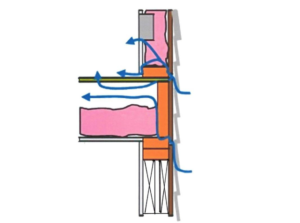
- Don’t forget the space where the floor meets the wall—small gaps here can add up to a lot of air loss.
Improve Ventilation
Proper ventilation helps remove hot air and bring in cooler air.
- Install soffit vents or ridge vents in the roof above the room.
- Add a powered attic fan to pull heat out during the hottest part of the day.
Upgrade Windows
Old, single-pane windows let in a lot of heat. If possible, upgrade to double-pane windows with a low-E coating to reflect heat.
- If new windows aren’t in the budget, add reflective film or solar screens to existing glass.
Add Or Improve Air Conditioning
If your central AC doesn’t cool the room well, you have a few options:
- Add a ductless mini-split AC unit just for the room. These are quiet, efficient, and don’t require new ductwork.
- Install a dedicated window AC unit.
- Have an HVAC pro check your system—sometimes, a simple duct adjustment or booster fan can improve airflow.
Radiant Barriers
Radiant barriers reflect heat away from the room. These are usually installed in the attic, under the roof decking. They can lower attic temperatures by 10–15°F, which helps the room below stay cooler.
Insulate The Garage
Since the garage is a big source of heat, insulating it can help more than you might think.
- Add insulation to the garage walls, ceiling, and especially the garage door.
- Consider adding a vent or small fan to remove hot air from the garage itself.
Practical example: After insulating the garage door and adding a radiant barrier, some homeowners see the temperature in the room above drop by 5–10°F.
Window Treatments
Not all window coverings are equal. Here’s how different options stack up:
| Window Covering | Heat Blocked (%) | Notes |
|---|---|---|
| Blackout Curtains | 30–45% | Works best if closed during the day |
| Reflective Film | 50–70% | Blocks UV rays, keeps view |
| Cellular Shades | 40–60% | Traps air, insulates window |
| Solar Screens | 60–80% | Installed outside, blocks sun before it hits glass |
Key takeaway: The right window treatment can make a dramatic difference, especially on rooms with large south- or west-facing windows.
Comparing Cooling Methods: What Works Best?
With so many options, how do you choose? Here’s a side-by-side comparison to help you see what fits your needs.
| Method | Cost | Difficulty | Cooling Impact |
|---|---|---|---|
| Portable Fans | Low | Easy | Low/Medium |
| Blackout Curtains | Low | Easy | Medium |
| Floor Insulation | Medium/High | Medium/Hard | High |
| Ductless Mini-Split AC | High | Medium | Very High |
| Radiant Barrier | Medium | Medium | Medium/High |
| Garage Door Insulation | Low/Medium | Easy | Medium |
Practical advice: If you’re on a budget, start with window treatments and garage door insulation. For the biggest improvement, invest in floor insulation or a mini-split AC.
Mistakes People Make When Cooling A Room Over The Garage
It’s easy to waste money or effort on solutions that don’t work. Here are common mistakes and how to avoid them.
Ignoring The Garage
Many homeowners focus only on the room, not realizing that the garage is the main source of heat. Insulating and ventilating the garage can help more than just adding another fan upstairs.
Oversizing Air Conditioners
Buying the biggest window AC you can find is tempting, but oversized units cool the air quickly without removing humidity, leaving the room cold but damp and uncomfortable.
Skipping Insulation
Some people spend money on fans and AC, but skip insulation. Without proper insulation, you’re fighting a losing battle against heat.
Blocking Vents
Closing supply or return vents in unused rooms can actually make the system less efficient. Make sure all vents are open and unblocked.
Forgetting About Attic Heat
The attic above a room over the garage can reach 130°F or more in summer. Without a radiant barrier or extra insulation, this heat will keep the room hot, no matter what else you do.
Key insight: Cooling a room over the garage is about stopping heat from getting in, not just removing it with AC.
Step-by-step Plan For Maximum Comfort
Sometimes, the easiest way to tackle a hot room is to follow a clear, logical plan. Here’s a proven approach that gets results.
1. Check For Air Leaks
Seal windows, doors, outlets, and the floor-to-wall edge. Use caulk, foam, or weatherstripping.
2. Upgrade Window Treatments
Install blackout curtains, reflective film, or cellular shades. Keep them closed during the day.
3. Insulate The Garage Door And Ceiling
Use foam board or insulation kits for the garage door. Add insulation above the garage ceiling if possible.
4. Improve Ventilation
Install attic vents or a powered attic fan. Make sure there’s airflow in the garage and attic.
5. Boost Ac Or Add A Mini-split
If the room is still warm, consider a dedicated cooling unit. Mini-split ACs are efficient and quiet.
6. Monitor Temperatures
Use a thermometer to track changes. Small tweaks can make a big difference.
Pro tip: Start with the easiest steps (sealing leaks, window treatments) and see how much the temperature drops. Invest in bigger upgrades only if you still need more cooling.
How Much Does It Cost To Cool A Room Over The Garage?
Costs can range widely depending on the solutions you choose. Here’s a rough idea:
- Portable fan: $20–$60
- Blackout curtains: $30–$80 per window
- Garage door insulation kit: $60–$150
- Blown-in insulation: $1.50–$2.50 per sq. Ft.
- Ductless mini-split AC: $1,500–$3,500 installed
- Radiant barrier: $0.20–$0.80 per sq. Ft. (DIY or pro)
If you do several upgrades at once, you may spend $500–$4,000. For most people, a mix of insulation, window treatments, and ventilation gives the best result for the least money.
Data point: According to the U.S. Department of Energy, proper insulation can cut heating and cooling costs by up to 20%.
Energy Efficiency And Comfort: Finding The Right Balance
It’s tempting to just blast the AC, but energy use (and bills) add up quickly. The goal is to keep heat out so your AC doesn’t have to work as hard.
- Insulation and air sealing are the most cost-effective steps.
- Use smart thermostats to control temperature only when you’re using the room.
- Ceiling fans make people feel cooler, allowing you to set the thermostat higher.
Real-world example: After adding floor insulation and sealing air leaks, some families report their AC runs half as often as before—and the room stays much cooler.

Credit: birdinsulation.com
Professional Help Vs. Diy
Some upgrades are easy to do yourself, but others are best handled by a pro.
Diy-friendly
- Installing window film, curtains, or weatherstripping
- Sealing small gaps with caulk or foam
- Adding a garage door insulation kit
Best For Professionals
- Installing blown-in or spray foam insulation
- Upgrading HVAC systems or adding mini-split units
- Installing radiant barriers in tight attics
If you’re not sure, get a few quotes from local contractors. Many offer free home energy audits, which can pinpoint exactly where you’re losing cool air.
Real-life Example: Cooling Success
Consider a family with a bonus room over their garage that was too hot to use in summer. They started by:
- Sealing all air leaks around windows and doors
- Adding reflective film to south-facing windows
- Installing a garage door insulation kit
- Upgrading attic insulation above the room
After these changes, the room was 8°F cooler, even on the hottest days. They used their central AC less, saving about $200 on summer energy bills.
Practical insight: Small changes add up. Don’t underestimate the power of simple steps like sealing leaks or upgrading window treatments.
When To Consider A Complete Renovation
Sometimes, the room is so uncomfortable—and energy bills so high—that it makes sense to consider a full renovation. This might include:
- Removing the ceiling to install new insulation
- Replacing all windows with high-efficiency glass
- Upgrading the HVAC system and adding new ductwork
This can be expensive ($5,000 or more), but if the room is a main bedroom or office, the comfort and energy savings may be worth it.
Extra Tips For Maximum Comfort
- Add rugs or carpeting: Bare floors can feel warmer in summer; rugs add a layer of insulation.
- Use LED lighting: Old bulbs give off heat. LEDs stay cool and save energy.
- Close fireplace dampers: If there’s a chimney nearby, warm air can leak in.
- Maintain your AC: Replace filters often so the system works efficiently.

Credit: www.youtube.com
Resources For Further Learning
For more on insulation, energy efficiency, and DIY projects, check the U.S. Department of Energy’s home energy page at energy.gov.
Frequently Asked Questions
Why Is The Room Over My Garage Always Hotter Than The Rest Of The House?
This room gets extra heat from the garage below, sunlight on the roof, and often lacks good insulation. The HVAC system may not be strong enough for the extra space, making the problem worse.
What Type Of Insulation Works Best For The Floor Above A Garage?
Spray foam insulation is best because it seals gaps and provides high R-value. Fiberglass batts are cheaper but must be installed carefully to avoid gaps.
Can I Cool The Room With Just A Fan Or Window Unit?
Fans and window AC units help, but they don’t fix the real problem—heat coming in from the garage and roof. For lasting comfort, combine AC with insulation and air sealing.
How Much Does It Cost To Add A Mini-split Ac To A Room Over The Garage?
Installing a ductless mini-split AC usually costs between $1,500 and $3,500. The price depends on the size, brand, and installation difficulty.
Is It Worth Insulating The Garage If I Don’t Use It Much?
Yes. Even if you rarely use the garage, insulating it keeps heat from rising into the room above, making the living space much more comfortable.
Rooms over the garage don’t have to stay hot and uncomfortable. With the right mix of insulation, air sealing, window treatments, and smart cooling, you can enjoy a cool, energy-efficient space all year. Take action step by step, and you’ll feel the difference—without sky-high energy bills.
Credit: oxfordenergystar.com