
When cold weather arrives, many people want their beds to feel cozy and warm as soon as they climb in. While electric blankets are popular, not everyone can use them. Some people worry about safety, electricity costs, or simply want to avoid extra gadgets in the bedroom.
The good news is that you can warm your bed without an electric blanket—and often, you’ll feel just as comfortable, if not more.
There are many ways to keep your bed warm using smart choices, simple routines, and a bit of creativity. From choosing the right bedding to using your body heat wisely, this guide covers everything you need to know. You’ll find practical solutions, scientific insights, and even tips that most beginners never consider.
Whether you want to save energy, stay safe, or simply enjoy a natural sleep environment, these methods can make a real difference.
Let’s explore the most effective ways to warm your bed, avoid common mistakes, and create a sleep space that feels inviting all winter long.
Choose The Right Bedding Materials
Your bedding is the first line of defense against the cold. The materials you use matter as much as the layers themselves.
Flannel Sheets
Flannel is made from cotton or wool fibers that are brushed to create a soft, fuzzy surface. This texture traps air and warms up quickly with your body heat. Flannel sheets feel warm when you get in, unlike regular cotton, which can feel cold at first. Choose tightly woven flannel for the best heat retention.
Fleece Blankets
Fleece is a synthetic fabric designed to mimic the warmth of wool. It is lightweight but holds onto heat well. Fleece blankets don’t absorb moisture as much as cotton, so they stay dry and warm. Place a fleece blanket on top of your sheets or use it as a mid-layer.
Wool Blankets
Wool is a natural insulator. It traps heat even if it gets a little damp, which is a reason why it’s used in cold climates. Wool blankets can be heavier than other types, but they offer excellent warmth. If you’re sensitive to wool, try using a cotton sheet as a barrier.
Down And Down Alternative Comforters
Down comforters use the soft under-feathers of ducks or geese. They create pockets of air that keep warmth close to your body. High-quality down comforters are light but very warm. For those with allergies or who prefer not to use animal products, down alternative comforters filled with microfiber or polyester can also be very effective.
Layering For Maximum Warmth
It’s better to use several thin layers than one thick comforter. Layers trap more air, which acts as insulation. Start with your sheet, then add a fleece blanket, followed by a wool blanket, and top it with a comforter. You can adjust the number of layers based on how cold the night is.
| Bedding Material | Warmth Level | Weight | Best For |
|---|---|---|---|
| Flannel | High | Light | Base sheet |
| Fleece | Medium-High | Light | Mid-layer |
| Wool | Very High | Heavy | Top layer |
| Down/Alt. Comforter | Very High | Light-Medium | Top layer |
Pre-warm Your Bed Before Getting In
Climbing into a cold bed can be uncomfortable and make it hard to fall asleep. Pre-warming your bed solves this problem without electricity.
Hot Water Bottles
A classic solution is the hot water bottle. Fill it with hot (not boiling) water, seal it, and place it under your blanket about 15-20 minutes before bedtime. Focus on the foot area since cold feet make your whole body feel cold. Remove the bottle before sleeping or keep it near your feet for ongoing warmth.
Heated Rice Bags
Rice bags are simple to make at home. Fill a cotton sock or fabric pouch with uncooked rice, tie or sew it shut, and microwave it for 1-2 minutes. Rice holds heat well and molds to your body. Place the bag under your covers to pre-warm your bed.
Warmed Stones Or Bricks
Before electric blankets, people used heated stones or bricks. Heat a clean, dry brick or large stone in your oven at low heat (about 200°F/90°C) for 20-30 minutes. Wrap it in a towel and place it in your bed. Always use caution to avoid burns or fire hazards.
Bed Warmers And Heat Packs
There are non-electric bed warmers on the market, such as gel packs that can be microwaved or heated in hot water. These are reusable and stay warm for hours.
| Warming Method | Heat Retention (Hours) | Safety | Ease of Use |
|---|---|---|---|
| Hot Water Bottle | 4-6 | High | Easy |
| Rice Bag | 1-2 | High | Easy |
| Heated Brick/Stone | 2-4 | Medium (care needed) | Moderate |
| Gel Heat Pack | 2-3 | High | Easy |
Non-obvious insight: Pre-warming your bed for just 10-15 minutes is usually enough. The bedding then traps your body heat and keeps you warm all night.
Insulate Your Mattress And Bed Frame
Heat can escape from below as well as above. Focusing only on top blankets means you might lose warmth from your mattress or frame.
Mattress Toppers
A mattress topper adds a layer of insulation between you and the bed frame. Memory foam or wool toppers are especially good at trapping heat. They also make the bed feel softer, improving comfort.
Under-blankets Or Underlays
Place a wool or fleece under-blanket directly on top of your mattress but under your bottom sheet. This layer reduces heat loss downward. Some people use old quilts or thick throws for the same effect.
Cardboard Or Reflective Foil
A surprising trick is to use a layer of cardboard or reflective foil under the mattress (not directly on top). This blocks cold air rising from below, especially on metal or wooden slat frames. Reflective foil (like the kind used for insulation in homes) can reflect body heat upward.
Practical tip: Never use plastic sheeting, as it traps moisture and can cause mold.
Block Out Cold Air And Drafts
Even the warmest bed loses heat fast if your bedroom is cold or drafty. Address the room environment as well as the bed.
Close Windows And Cover Gaps
Check for drafts around windows and doors. Use weather stripping or rolled towels to block gaps. Even small leaks can make a noticeable difference in room temperature.
Use Heavy Curtains
Thick curtains or thermal drapes keep cold air from entering and warm air from escaping. Close them before it gets dark, as windows lose more heat at night.
Door Draft Stoppers
Place a draft stopper (sometimes called a door snake) at the base of your door. You can buy one or make it by filling a long sock with rice, beans, or sand.
Rearrange Furniture
Move your bed away from exterior walls or windows. Beds next to cold walls lose heat faster. If possible, place your bed near an inside wall.

Credit: ecode-store.com
Dress Appropriately For Bed
What you wear to bed has a big effect on how warm you feel. Materials, fit, and even the color can matter.
Thermal Pajamas
Thermal underwear or pajamas are designed to trap body heat. They use materials like wool, fleece, or synthetic blends. A snug fit works better for insulation, but not so tight as to restrict movement.
Layered Clothing
Wear a base layer (like a long-sleeve cotton or synthetic shirt), then add a light fleece or flannel pajama top. Layering works for clothing just as it does for blankets.
Warm Socks And Headgear
Feet and head lose heat quickly. Wear warm, non-tight socks made from wool or thermal blends. A soft beanie or nightcap can help if you get cold easily, but most people don’t need one unless the room is very cold.
Avoid Cotton For Base Layer
Cotton absorbs sweat but does not dry quickly. If you sweat at night, cotton can make you feel cold. Consider synthetic materials or merino wool for your base layer.
Non-obvious insight: Loose clothing can let cold air circulate, reducing warmth. Fitted—but comfortable—pajamas are best.
Use Your Body Heat Wisely
Your own body is the best heat source. The goal is to trap and keep your natural warmth.
Cuddle Up
If you share a bed, cuddling with a partner can warm both people faster. Shared body heat stays trapped under the covers. If you sleep alone, a body pillow can help reduce the cold air space around you.
Sleep Position Matters
Curling up in a fetal position reduces the amount of exposed surface area, helping you stay warmer. Sprawling out allows heat to escape more easily.
Keep Hands And Feet Covered
Cold feet or hands can make your whole body feel cold. Keep them covered at night, but avoid socks or gloves that are too tight—they can restrict blood flow and make you feel colder.
Try Natural Heat Sources
You can use the environment and natural materials to help warm your bed and bedroom.
Sunlight During The Day
Open curtains during the day to let sunlight warm your room and bed. Sunlight can raise room temperature and help dry out damp bedding, which feels colder at night.
Layer Rugs On The Floor
If your bed is over a cold floor (especially tile or hardwood), place thick rugs underneath or beside the bed. Rugs insulate against cold rising from below, making a real difference in overall warmth.
Heated Rocks (with Caution)
As mentioned, some people use heated rocks wrapped in towels. This method was common before modern heating. Always use caution—never use rocks that have been wet, as they can crack or even explode when heated.
Warm Up The Room Itself
A cold bedroom makes it harder to keep the bed warm. Focus on raising the overall temperature safely.
Space Heaters (non-electric Options)
If you want to avoid electric heating, consider a ceramic or oil-filled radiator (if safe in your space), or use hot water radiators if your home has central heating. For completely non-electric options, some people use hot water bottles or radiator panels heated in another room, but these have limited effect.
Portable Propane Or Kerosene Heaters
In very cold climates, portable heaters powered by propane or kerosene are sometimes used. Always follow safety instructions, ensure proper ventilation, and never leave these heaters on while sleeping. Carbon monoxide risk is real.
Humidity Matters
Dry air can make the room feel colder. Use a humidifier to keep humidity at 30-50%. This makes the air feel warmer and helps you breathe better at night.
| Heating Method | Safety | Effectiveness | Cost |
|---|---|---|---|
| Space Heater (Electric) | High | High | Medium-High |
| Hot Water Radiator | High | Medium | Medium |
| Propane/Kerosene Heater | Medium (care needed) | High | Medium |
| Humidifier | High | Low (by itself) | Low |
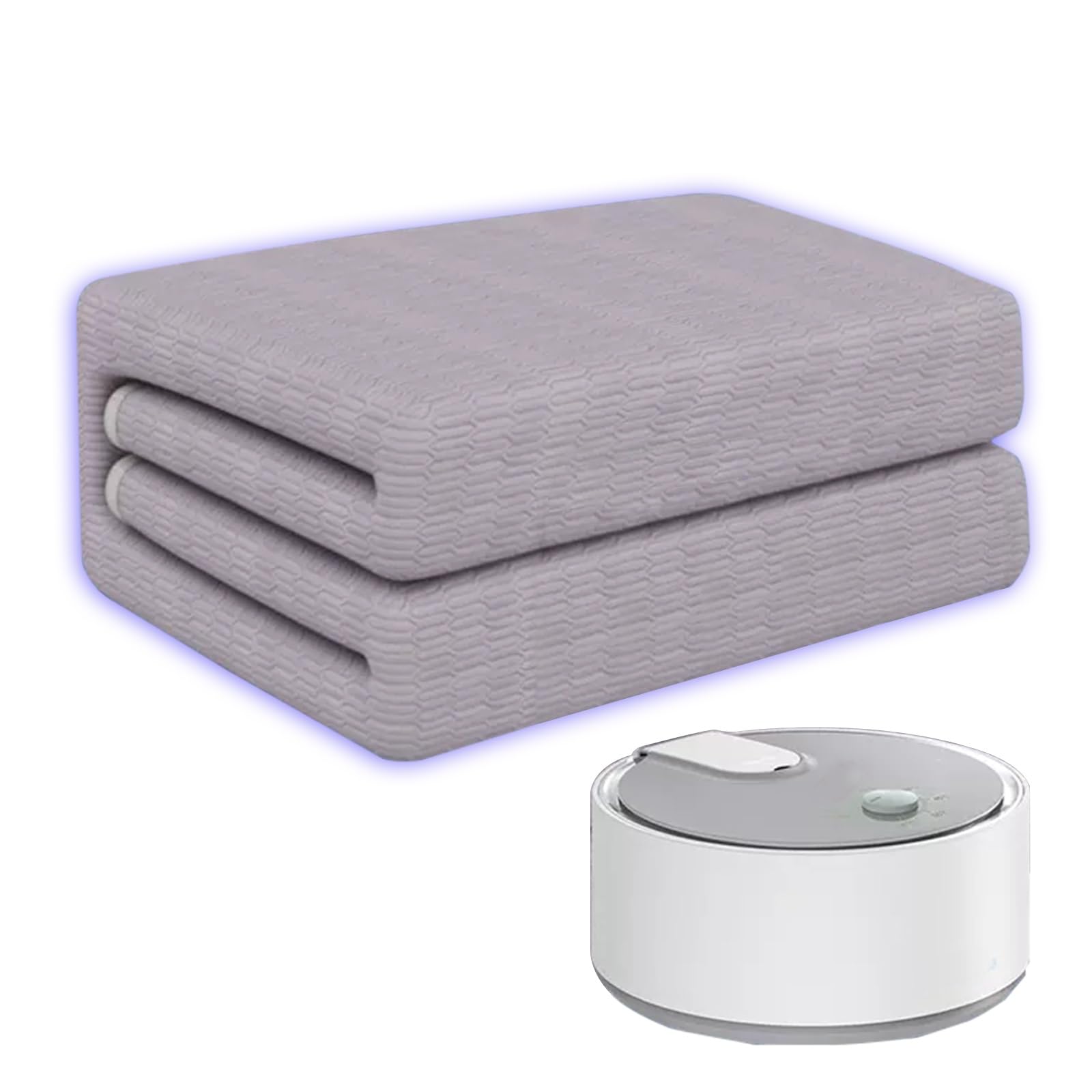
Credit: www.amazon.com
Time Your Routine For Maximum Warmth
When and how you prepare for bed can have a big impact on warmth.
Warm Up Before Bed
Take a warm shower or bath before getting into bed. This raises your body temperature and helps your bed feel warmer instantly. Dry off completely to avoid dampness.
Go To Bed Early
The temperature in most homes drops as the night goes on. Going to bed earlier means you get into a bed that has not cooled down as much from the daytime warmth.
Avoid Getting Bed Cold
If you get up at night, try to keep the bed covered so it doesn’t lose heat. Pull the covers up when you leave, even for a short time.
Avoid Common Mistakes
Many people try to warm their beds but make errors that reduce effectiveness or even create safety risks.
Using Too Many Blankets
More blankets do not always mean more warmth. Too much weight can press out air layers, reducing insulation. Use layered but breathable bedding.
Wet Or Damp Bedding
Even slightly damp sheets or blankets can feel much colder. Always make sure your bedding is completely dry before use.
Ignoring The Mattress
Focusing only on top layers means you lose heat through the mattress and frame. Always consider insulation below as well as above.
Unsafe Heating Methods
Never use open flames, candles, or heating pads not designed for overnight use. The risk of fire and burns is real.
Overheating The Room
Too much heat can dry out your skin, cause dehydration, and even disturb sleep. Aim for a room temperature of 60-67°F (15-19°C) for best sleep quality.
Expert tip: It’s easier to add warmth with bedding than to cool down an overheated room.
Maintain And Care For Your Bedding
Proper care makes your warm bedding last longer and stay effective.
Wash Bedding Regularly
Clean sheets and blankets trap heat better because dirt and oils can reduce the softness and fluffiness of fibers.
Store Bedding Properly
When not in use, store warm blankets in a dry, air-tight container. This keeps them fresh and prevents mildew.
Fluff And Air Out Comforters
Shake and fluff your comforter every week to maintain air pockets. Airing it out in sunlight also kills dust mites and removes moisture.
Explore Cultural And Historical Methods
People around the world have warmed their beds for centuries, long before electricity. Some traditional methods still work well today.
Japanese Kotatsu
A kotatsu is a low table with a heater underneath and a thick blanket draped over it. People sit with their legs under the blanket, trapping warmth. While not a bed, the concept can inspire cozy bedding setups.
Scandinavian Feather Beds
Scandinavians often use a featherbed—a thick, fluffy mattress topper filled with feathers or down. This adds a layer of insulation and comfort.
Stoneware Bed Warmers
In Victorian England, people used stoneware bed warmers: small ceramic bottles filled with hot water and placed in bed before sleep. Modern hot water bottles are a direct descendant.
Layered Bedding Customs
In many cultures, beds are made with multiple thin quilts instead of one heavy blanket. This traps more air, making the bed warmer and easier to adjust.
When To Use Technology (safely)
While this article focuses on non-electric methods, there are a few safe technologies that can help if you change your mind later.
Low-voltage Heated Mattress Pads
Unlike electric blankets, low-voltage mattress pads use minimal power and are placed under your sheets. They’re often considered safer and more energy-efficient.
Smart Thermostats
A programmable thermostat can warm your bedroom before bedtime and reduce energy use by lowering the temperature while you sleep.
Battery-operated Heat Packs
Some heat packs are battery-powered and designed for overnight use. Choose products with automatic shutoff and safety certifications.
For more about the science of sleep temperature, see this Sleep Foundation guide.
Frequently Asked Questions
How Long Does A Hot Water Bottle Keep A Bed Warm?
A hot water bottle typically stays warm for 4-6 hours, depending on the size, how hot the water was, and how well your bedding traps heat. Placing it under layers helps keep the warmth longer.
Is It Safe To Use Heated Stones Or Bricks In Bed?
Heated stones or bricks can be safe if done correctly. Always wrap them in a towel, avoid overheating, and never use rocks that have been wet, as they can crack. Don’t use this method for children or if you move a lot in your sleep.
What Kind Of Pajamas Are Warmest For Winter?
Thermal pajamas made from wool, fleece, or synthetic blends are usually warmest. Layered clothing works best—start with a snug base layer, then add a warmer outer layer. Avoid cotton as your base if you sweat at night.
Does Layering Blankets Really Keep You Warmer?
Yes, layering blankets traps more air, which insulates better than one thick blanket. Multiple layers also let you adjust warmth easily by adding or removing a layer during the night.
Are There Any Dangers In Trying To Overheat A Bed?
Yes. Overheating can cause dehydration, skin dryness, or disturbed sleep. Unsafe methods (like open flames or unsafe heaters) can cause burns or fires. The best sleep temperature is between 60-67°F (15-19°C) for most people.
Getting into a warm bed without an electric blanket is not only possible but can be enjoyable and safe. By choosing the right bedding, using smart routines, and making small changes to your room and habits, you’ll sleep better all winter long.
With these tips, you can stay cozy, save energy, and enjoy a restful night—no wires or switches required.

Credit: www.christy.co.uk