
Cast Iron Does Enamel Cast Iron Chip: Causes, Prevention, and Solutions
Cast iron cookware has a strong reputation for durability and classic style. Many home cooks and professionals love the way it holds heat and lasts for decades. But in recent years, enamel-coated cast iron has become very popular. This type of cookware combines the strength of cast iron with a smooth, colorful enamel layer that’s easy to clean and resists rust.
However, some owners notice their enamel cast iron chips over time. This can be frustrating, especially if you invested in a high-quality piece. You might wonder: Why does enamel chip? Is chipped enamel dangerous? How can you avoid it, and what should you do if your enamel cast iron chips?
This guide will answer those questions and more. You’ll learn what causes enamel chips, how to prevent them, and what your options are if a chip appears. With the right knowledge, you can keep your enamel cast iron in top shape for many years.
What Is Enamel Cast Iron?
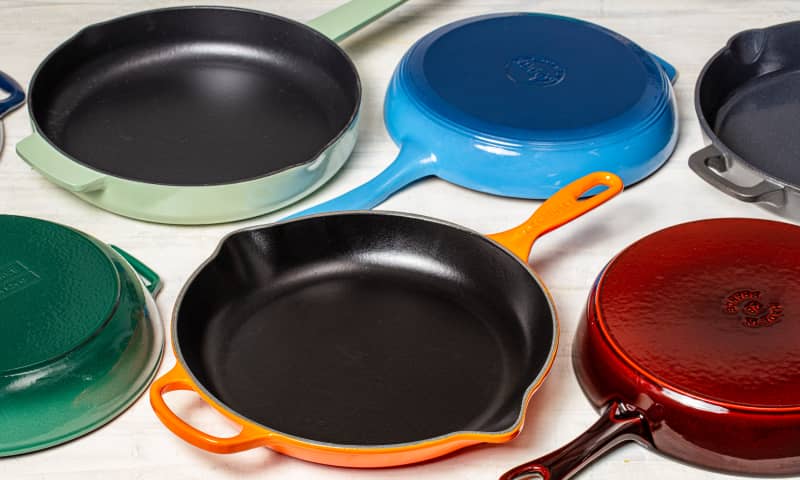
Enamel cast iron is traditional cast iron cookware (like Dutch ovens and skillets) coated with a layer of enamel glaze. This glaze is made from powdered glass, melted and fused to the metal at high temperatures. The result is a hard, shiny surface that’s usually white, cream, or brightly colored.
Key Benefits
- Rust resistance: The enamel coating keeps water and air from reaching the iron, so it won’t rust.
- Non-reactive: Acidic foods (like tomatoes or vinegar) won’t react with the surface.
- Easy to clean: Most stains and food residue wash off easily.
- No seasoning needed: Unlike bare cast iron, you don’t have to build up a seasoning layer.
Common Brands
Popular enamel cast iron brands include Le Creuset, Staub, Lodge, Cuisinart, and Tramontina. Prices vary widely, with premium brands costing hundreds of dollars and budget models under $100.
Why Does Enamel Cast Iron Chip?
Even the best enamel can chip. But why does this happen? To understand, it helps to know how enamel is applied and what makes it strong—and weak.
How Enamel Is Made
Enamel starts as glass powder. It’s sprayed or brushed onto the cast iron, then fired in a kiln. The high heat melts the glass, which forms a tight bond with the metal. This process creates a tough, shiny layer.
Main Causes Of Chipping
- Impact: Dropping, banging, or hitting the cookware against a hard object is the most common cause. The enamel is hard but brittle.
- Thermal shock: Sudden changes in temperature (e.g., putting hot cookware in cold water) can crack or pop off the enamel.
- Manufacturing defects: Rarely, weak spots or air bubbles under the enamel can make it chip easily.
- Improper use: Using metal utensils, abrasive cleaners, or stacking heavy pots inside each other can wear down or chip the enamel.
- Normal wear: Over many years, small chips may happen on handles, rims, or lids from regular use.
Where Chips Usually Appear
Chips are most likely to appear on:
- The rim of the pot or lid
- Handles and edges
- The bottom (especially if dropped)
- Inside the pot, where utensils scrape
The interior bottom surface is less likely to chip unless struck directly or abused.
Is Chipped Enamel Cast Iron Safe To Use?
Safety is a big concern if your enamel cast iron develops chips. Here’s what you need to know.
Is Eating From Chipped Enamel Dangerous?
Most enamel glazes used today are lead-free and food-safe. If a small chip exposes the cast iron underneath, it’s usually safe to use for most foods. The exposed cast iron may rust, but a little iron is not harmful. However, if the chip is large or on the cooking surface, food can stick, rust can form, and bacteria can grow in rough spots.
When To Stop Using
- If a chip is small and on the rim or outside, you can usually keep using the pot.
- If a chip is large, inside the pot, or leaves a sharp edge, it’s best to stop using it for cooking.
- If the enamel flakes off into food, do not eat the food, and consider replacing the cookware.
Dangers Of Old Or Imported Enamel
Some very old or cheaply made enamelware may contain lead or cadmium. If you’re unsure about the age or source, do not use chipped cookware for food.
How To Prevent Enamel Cast Iron From Chipping
Careful handling is the best way to prevent chips. Here’s how to protect your investment.
1. Avoid Sudden Temperature Changes
Don’t put hot enamel cast iron into cold water or vice versa. Let it cool before washing. Avoid putting cold liquid into a hot, empty pot.
2. Use Gentle Utensils
Always use wood, silicone, or plastic utensils. Avoid metal spatulas or whisks, which can scratch or chip the enamel.
3. Handle With Care
Set cookware down gently. Don’t bang it on stove grates, countertops, or sink edges. Be careful when stacking or storing.
4. Clean With Soft Sponges
Avoid steel wool, scouring pads, or abrasive cleaners. Use a soft sponge with mild soap. For tough stains, soak with warm water and baking soda.
5. Store Properly
If you stack pots and pans, place a towel or paper between them to prevent chips from rubbing or bumping.
6. Follow Manufacturer’s Instructions
Each brand may have specific care guidelines. Read the manual or website for best practices.

Credit: www.carawayhome.com
What To Do If Your Enamel Cast Iron Chips
A chip doesn’t always mean the end of your cookware. Your next steps depend on the size and location of the chip.
For Small Chips On The Rim Or Outside
- Keep using the cookware, but dry thoroughly after each use to prevent rust on the exposed iron.
- You can seal the chip with a bit of food-grade mineral oil to slow rust.
- Watch for rust, flaking, or spreading.
For Large Or Interior Chips
- If the chipped area is large, inside the cooking surface, or has sharp edges, consider retiring the pot for food use.
- You can still use chipped enamel cast iron as a planter, utensil holder, or decorative item.
- Do not try to glue or epoxy the chip—these are not food-safe or heat-resistant.
Repair Options
- Some companies (like Le Creuset) offer limited warranties. If your cookware is fairly new, contact the manufacturer.
- Professional enamel repair exists, but it is expensive and mostly for sentimental or valuable pieces.
- DIY repair kits are not recommended for food-contact surfaces.
How Enamel Cast Iron Compares To Other Cookware
To understand the strengths and weaknesses of enamel cast iron, let’s compare it with other popular cookware materials.
| Material | Durability | Maintenance | Risk of Chipping | Price Range |
|---|---|---|---|---|
| Enamel Cast Iron | Very high (if handled gently) | Easy (no seasoning) | Moderate | $$ – $$$$ |
| Bare Cast Iron | Very high | Needs seasoning | None | $ – $$$ |
| Stainless Steel | High | Easy | Very low | $$ – $$$ |
| Nonstick Aluminum | Low – moderate | Easy | Coating peels, not chips | $ – $$ |
Insight: Unlike bare cast iron, enamel cast iron does not need regular seasoning, but it is more fragile if dropped or handled roughly.
Credit: www.americastestkitchen.com
Common Mistakes That Cause Enamel Chips
Many enamel chips happen because of small mistakes. Here are some common errors and how to avoid them.
1. Using Metal Utensils
Metal spoons or spatulas can scratch and weaken the enamel. Over time, these scratches can grow into chips.
2. Stacking Without Protection
Stacking heavy pots directly on each other can chip the rims or lids. Always use a soft liner or towel.
3. Pouring Cold Water Into Hot Cookware
Thermal shock from a sudden temperature change can crack or pop enamel off the metal.
4. Using Harsh Cleaners
Oven cleaner, bleach, or heavy scouring pads will damage the enamel surface.
5. Ignoring Manufacturer’s Guidelines
Some brands recommend not using enamel cast iron on high heat or under broilers. Always check your user manual.
Are Some Brands More Chip-resistant?
Not all enamel cast iron is created equal. Brand, price, and manufacturing quality all matter.
Premium Brands
Le Creuset and Staub are famous for their tough, chip-resistant enamel. They use multiple thick layers and strict quality checks.
Budget Brands
Lower-priced options often use thinner enamel or fewer layers. They can work well but may chip more easily if dropped or banged.
Manufacturing Country
French-made enamel cast iron is usually thicker and more even. Some imported products may have less quality control.
Warranty
Many premium brands offer lifetime warranties against chipping (with some restrictions). Always save your proof of purchase.
How To Choose Enamel Cast Iron That Lasts
Buying enamel cast iron is an investment. Here’s how to pick a piece that will last.
- Check the weight: Heavier pots usually mean thicker enamel and cast iron.
- Inspect the enamel: The surface should look smooth, even, and glossy with no bubbles or pits.
- Review the warranty: A good warranty signals confidence in the product.
- Research the brand: Look for user reviews about chipping and durability.
- Choose classic shapes: Round Dutch ovens and skillets are less likely to chip than specialty shapes with sharp corners.
How To Remove Rust From Chipped Enamel Cast Iron
If your enamel chips and the exposed iron starts to rust, you can often fix it.
Steps To Remove Rust
- Scrub gently: Use a soft brush or sponge with mild soap and water. Do not use steel wool.
- Rinse and dry: Dry completely with a towel.
- Apply oil: Rub a little food-grade mineral oil on the spot to protect it.
If the rust keeps coming back or spreads, the pot may be unsafe for food.
Enamel Chip Repair: Myths Vs. Facts
You might see “enamel repair kits” or home remedies online. Most are not safe for cooking surfaces.
- Porcelain touch-up paint: Only for decorative use, not for cookware.
- Super glue or epoxy: Not food-safe and not heat-resistant.
- Baking soda paste: Good for cleaning, not for repair.
For real enamel repair, you need industrial tools and high-temperature kilns. This is not practical for home cooks.
What To Do With Old Or Badly Chipped Enamel Cast Iron
If your enamel cast iron is too chipped for safe cooking, don’t throw it away. There are creative ways to reuse it.
- Flower pot or herb planter: The heavy pot is perfect for indoor or outdoor plants.
- Kitchen tool holder: Use it to store spatulas, whisks, or spoons.
- Serving piece: Use for dry foods (like bread or fruit) if the inside is not sharp.
- Decoration: Display as vintage or rustic decor.
Real-life Examples: Enamel Chipping Stories
Case 1: The Family Dutch Oven
A home cook used a Le Creuset Dutch oven passed down from her grandmother. After 30 years, a small chip appeared on the rim. She kept using it with no problems. The chip never grew, and the pot stayed in the family.
Case 2: Budget Brand, Big Chip
A college student bought a cheap enamel Dutch oven online. After a few months, a big chip formed inside the pot after dropping it in the sink. The chip rusted quickly, making the pot hard to clean. He switched to stainless steel.
Case 3: Warranty Success
A baker noticed a chip in her Staub cocotte lid after two years. She contacted the company, sent photos, and got a replacement under warranty.
Insight: Expensive brands may cost more at first, but a good warranty and thicker enamel can save you money and frustration over time.
How Does Enamel Thickness Affect Chipping?
The thickness and quality of the enamel layer matter a lot.
| Enamel Thickness | Chipping Risk | Heat Resistance | Typical Brands |
|---|---|---|---|
| Thin (1-2 layers) | High | Lower | Budget |
| Medium (2-3 layers) | Moderate | Good | Mid-range |
| Thick (3+ layers) | Low | Excellent | Premium |
Non-obvious insight: Thicker enamel is not just for looks—it absorbs impacts better and resists scratches longer.
Credit: www.carolinacooker.com
Environmental Impact: Should You Worry About Disposal?
Chipped enamel cast iron should not go in regular recycling bins. The iron is recyclable, but the enamel is not. Many cities have special rules for cookware disposal.
- Reuse: Find creative ways to reuse at home.
- Scrap metal: Some scrap yards accept cast iron if the enamel is chipped off.
- Brand recycling: Check if your cookware brand offers a recycling or trade-in program.
Are There New Technologies To Prevent Chipping?
Some brands now use reinforced enamel with extra minerals or special firing techniques to reduce chips. These improvements make modern enamel cookware more durable than older types.
- Reinforced edges: Some pots have extra-thick rims to prevent chipping.
- Matte enamel: Certain brands use a matte interior that resists stains and chips better.
Always read the product details before buying.
What The Experts Say
Professional chefs and kitchenware testers agree: enamel cast iron needs a little care, but it is one of the best choices for stews, bread, and roasting. They suggest investing in a good brand, following care guidelines, and not worrying about minor chips on the outside.
According to a report on Consumer Reports, premium enamel cast iron pots can last decades with simple care. Most problems come from accidental drops or using the wrong tools.
Frequently Asked Questions
What Should I Do If My Enamel Cast Iron Chips?
If the chip is small and on the outside or rim, keep using the pot but dry it well. For large or interior chips, stop cooking with it. Contact the brand about possible repair or replacement.
Is It Safe To Cook With Chipped Enamel Cast Iron?
A small chip usually isn’t dangerous, but large chips inside the pot can rust and harbor bacteria. Avoid eating food with enamel flakes, and do not use old or imported cookware if you don’t know its safety.
Can I Repair Chipped Enamel Myself?
There is no safe, permanent DIY repair for cooking surfaces. Porcelain or enamel touch-up kits are only for decorative items, not cookware.
Will More Expensive Enamel Cast Iron Chip Less?
Premium brands use thicker, tougher enamel and better quality control, so they chip less easily. They also offer better warranties.
How Can I Stop My Enamel Cast Iron From Chipping?
Handle it gently, avoid sudden temperature changes, use soft utensils, and clean with mild sponges. Store with padding and follow the manufacturer’s care instructions.
Enamel cast iron can give you a lifetime of delicious meals if you care for it well. With a little attention, you’ll avoid most chips and enjoy your cookware for years to come.