
Painting a laminate bookcase can change the look of your room and give old furniture a new life. Many people worry about painting laminate because it’s not the same as wood. Laminate has a smooth, shiny surface that doesn’t hold paint well unless you prepare it correctly.
With the right steps, you can make a laminate bookcase look fresh, stylish, and professional. This guide covers every part of the process, including tools, paint types, preparation, painting methods, and finishing touches. Even if you’re not an expert, you can achieve great results by following these instructions.
Understanding Laminate Bookcases
Laminate furniture is made by covering a core material, often particleboard or MDF, with a thin layer of plastic laminate. This surface is durable, stain-resistant, and easy to clean, but it doesn’t absorb paint like wood. If you paint directly onto laminate without proper preparation, the paint may peel, chip, or scratch off easily.
Many people confuse laminate with veneered wood. Veneer is a thin real wood layer glued to a core, while laminate is synthetic. This difference affects how paint sticks and which products you should use.
Common Problems With Painting Laminate
If you skip steps or use the wrong products, you might face issues such as:
- Peeling paint: Paint lifts off in sheets after drying.
- Visible brush marks: Uneven finish due to poor technique.
- Sticky surface: Paint never fully dries because of incompatible primer.
A well-painted laminate bookcase can last for years, but mistakes lead to disappointment. This article will help you avoid common errors and achieve a professional look.
Choosing The Right Paint And Supplies
Picking the correct paint and supplies is the foundation of success. Not all paints work on laminate surfaces, and using the wrong tools can make the process harder.
Paint Types Suitable For Laminate
The best paints for laminate are:
- Acrylic latex paint: Flexible, easy to clean, dries quickly.
- Chalk paint: Has strong adhesion and covers well, but needs sealing.
- Specialty laminate paint: Designed for slick surfaces.
- Oil-based paint: Good adhesion, but harder to clean and smells strong.
Latex paint is popular for bookcases because it’s easy to use and comes in many colors. Chalk paint is trendy for a matte look but requires a topcoat to protect it.
Primer Types
Never skip the primer step. Primer helps paint stick to the laminate and prevents peeling.
- Bonding primer: Made for slick surfaces like laminate.
- Shellac-based primer: Blocks stains and sticks well.
- Oil-based primer: Good for durability.
Bonding primer is the top choice for laminate. It’s designed to grip smooth surfaces.
Essential Tools And Supplies
Gather these items before you start:
- Screwdriver: For removing hardware and shelves.
- Sandpaper: 120-220 grit for prepping the surface.
- Tack cloth: Wipes away dust after sanding.
- Painter’s tape: Protects areas you don’t want to paint.
- Drop cloth: Covers the floor.
- Foam roller: Gives a smooth finish.
- Paintbrush: For corners and edges.
- Paint tray: Holds paint for easy access.
- Respirator mask: Protects from fumes (especially with oil-based products).
Some people overlook foam rollers, but they help avoid brush marks and give a professional look.
Comparing Paint Types For Laminate
Here’s a quick comparison to help you decide:
| Paint Type | Adhesion | Finish | Ease of Use | Durability |
|---|---|---|---|---|
| Acrylic Latex | Good (with primer) | Satin/Semi-gloss | Easy | High |
| Chalk Paint | Very Good | Matte | Medium | Medium (needs sealing) |
| Oil-Based | Excellent | Gloss/Satin | Hard | Very High |
| Specialty Laminate | Excellent | Varies | Easy | High |
Latex paint is the most beginner-friendly, but specialty laminate paint is best if you want fewer steps.
Preparing The Laminate Bookcase
Preparation is where most people make mistakes. Skipping these steps means the paint will not last.
Cleaning The Surface
Laminate attracts dust and grease. Start by wiping the bookcase with a mild detergent and water. Remove all dirt, fingerprints, and sticky spots. Dry with a clean towel.
Removing Hardware And Shelves
Take off all hardware (handles, hinges) and remove shelves if possible. This makes painting easier and avoids missed spots. Keep screws and hardware in a safe place.
Sanding
Laminate is smooth and slippery. Sand it lightly with 120-220 grit sandpaper. Don’t try to remove the laminate—just scuff it so the primer has something to grip. Wipe away dust with a tack cloth.
Non-obvious tip: Use a sanding sponge for corners and edges. Many people miss these areas, but paint will peel if they aren’t sanded.
Applying Painter’s Tape
Cover areas you don’t want to paint, like the inside edges or the back panel. Painter’s tape gives you clean lines and protects walls and floors.
Setting Up Your Workspace
Choose a well-ventilated area. Place a drop cloth under the bookcase and make sure there’s enough light to see details. Good light helps you spot missed spots and drips.
Priming The Laminate Bookcase
Primer is essential for laminate. It creates a sticky surface for paint and blocks stains.
Choosing The Right Primer
Bonding primer is best. Apply one thin coat and let it dry completely (usually 1-2 hours, but check the label). For high-traffic bookcases, use two coats.
Application Tips
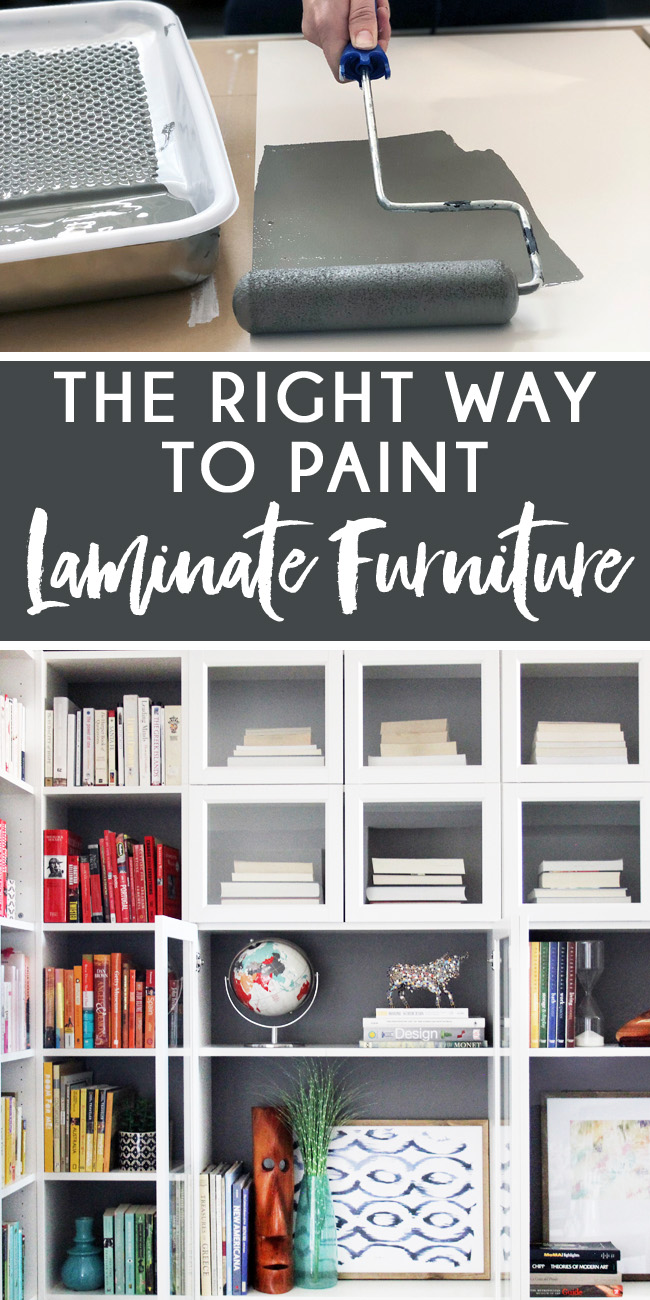
Use a foam roller for large surfaces and a brush for corners. Don’t overload your roller—too much primer causes drips and uneven coverage.
- Roll primer in one direction for a smooth finish.
- Feather edges with a brush to avoid ridges.
- Let primer dry fully before sanding lightly with 220 grit. This removes rough spots.
Non-obvious insight: Many beginners forget to prime underneath shelves and inside corners. These areas are visible when you add books, so take your time.
Credit: www.blueistyleblog.com
Painting The Laminate Bookcase
Once the primer is dry, you’re ready to paint. Here’s how to get a smooth, lasting finish.
Picking Your Paint Color And Finish
Choose a color that matches your room. Satin and semi-gloss finishes are easiest to clean and resist marks. Matte finishes look stylish but show fingerprints.
Applying The First Coat
Start with a thin coat. Use a foam roller for flat areas and a brush for corners and edges. Don’t try to cover everything at once—thin coats dry better and don’t drip.
- Paint in long, even strokes.
- Work from top to bottom.
- Let the first coat dry for at least 2 hours.
Sanding Between Coats
Lightly sand between coats with 220 grit sandpaper. This gives a smooth finish and helps the next coat stick. Wipe away dust with a tack cloth.
Non-obvious tip: Wait until the paint is fully dry before sanding. Sanding wet paint causes smudges and ruins the finish.
Applying Additional Coats
Most bookcases need 2-3 coats for full coverage. Always let each coat dry completely and sand lightly before the next one. This takes time but gives a professional look.
Using Specialty Techniques
If you want a unique finish, try:
- Distressing: Lightly sand edges after the last coat for a vintage look.
- Two-tone: Paint shelves a different color than the frame.
- Stenciling: Add patterns to the sides or back panel.
Specialty finishes take more time but make your bookcase stand out.
Comparing Paint Application Methods
Here’s a quick look at different methods:
| Method | Tool | Finish Quality | Speed | Recommended For |
|---|---|---|---|---|
| Foam Roller | Roller | Very Smooth | Fast | Flat surfaces |
| Brush | Brush | Medium | Slow | Corners, edges |
| Spray | Spray gun | Very Smooth | Medium | Large pieces |
A foam roller gives the best balance of speed and finish for most bookcases.
Finishing And Protecting Your Painted Bookcase
After painting, you must protect your work. Laminate bookcases are often used daily, so a strong finish matters.
Sealing The Paint
A clear topcoat or sealer keeps the paint from chipping and makes cleaning easier.
- Use water-based polyurethane for latex paint.
- Use wax or polycrylic for chalk paint.
- Apply in thin layers with a foam brush or roller.
Let the sealer dry completely between coats. Two coats are usually enough for durability.
Non-obvious insight: Avoid oil-based topcoats on light-colored paint. They can yellow over time.
Reattaching Hardware And Shelves
Once the paint and sealer are dry (wait at least 24-48 hours), reattach hardware and shelves. Use a screwdriver and handle gently to avoid scratching the fresh paint.
Letting The Bookcase Cure
Paint takes time to harden. Avoid heavy use for at least 7 days after finishing. Place books and decorations only after the paint is fully cured.
Cleaning And Maintenance
Dust your bookcase with a soft cloth. Clean with mild soap and water—avoid harsh chemicals that can damage the finish.
Common Mistakes And How To Avoid Them
Painting laminate is not hard, but many people make mistakes. Here’s how to avoid problems:
- Skipping primer: Paint will peel quickly.
- Using thick coats: Leads to drips and uneven surfaces.
- Not sanding: Paint won’t stick well.
- Painting over dirt: Causes bumps and poor finish.
- Using the wrong paint: Results in sticky or peeling surfaces.
- Rushing drying times: Leads to smudges and weak finish.
- Ignoring corners and edges: Makes the job look unfinished.
Take your time and follow each step. Good preparation and patience mean your bookcase will look great for years.
How To Fix Problems After Painting
If you’ve already painted and something goes wrong, you can fix it.
Peeling Paint
If paint peels, sand the affected area and reapply primer and paint. Use bonding primer for best results.
Visible Brush Marks
Sand lightly and add another thin coat with a foam roller.
Sticky Surface
If the paint stays sticky, it’s likely the wrong type for laminate or you didn’t use primer. Wait longer, then try a thin coat of water-based sealer.
Uneven Color
Add another coat, sanding lightly between coats. Make sure to mix paint well before applying.
Credit: jennaburger.com
Deciding Whether To Paint Or Replace
Sometimes, painting is not the best option. If your bookcase is damaged or the laminate is peeling off, it may be better to replace it. Painting works best on solid, intact laminate.
Cost Comparison
Painting is usually cheaper than buying new furniture. Here’s a cost breakdown:
| Option | Average Cost | Longevity | Effort |
|---|---|---|---|
| Painting | $40-$80 | 3-5 years | Medium |
| Replacing | $100-$300 | 5-10 years | Low |
Painting is a good choice if you want to save money and enjoy a DIY project.
Practical Tips And Insights
Here are a few practical tips that most beginners miss:
- Test paint and primer on a hidden area before starting. This shows how well they stick and helps you avoid surprises.
- Work slowly on corners and edges. These areas chip easily if not done carefully.
- Avoid painting in humid weather. High humidity slows drying and can cause bubbles.
- Don’t move the bookcase until fully cured. Moving too soon can damage the finish.
Safety And Environmental Considerations
Painting involves chemicals and fumes. Protect yourself and your environment:
- Use a respirator mask if working with oil-based products.
- Keep windows open for ventilation.
- Dispose of old paint and supplies responsibly.
- Wash brushes and rollers in a sink with running water if using water-based paint. For oil-based paint, use mineral spirits and follow local rules for disposal.
Examples Of Painted Laminate Bookcases
Many people have transformed old laminate bookcases with paint. Here are some real-life examples:
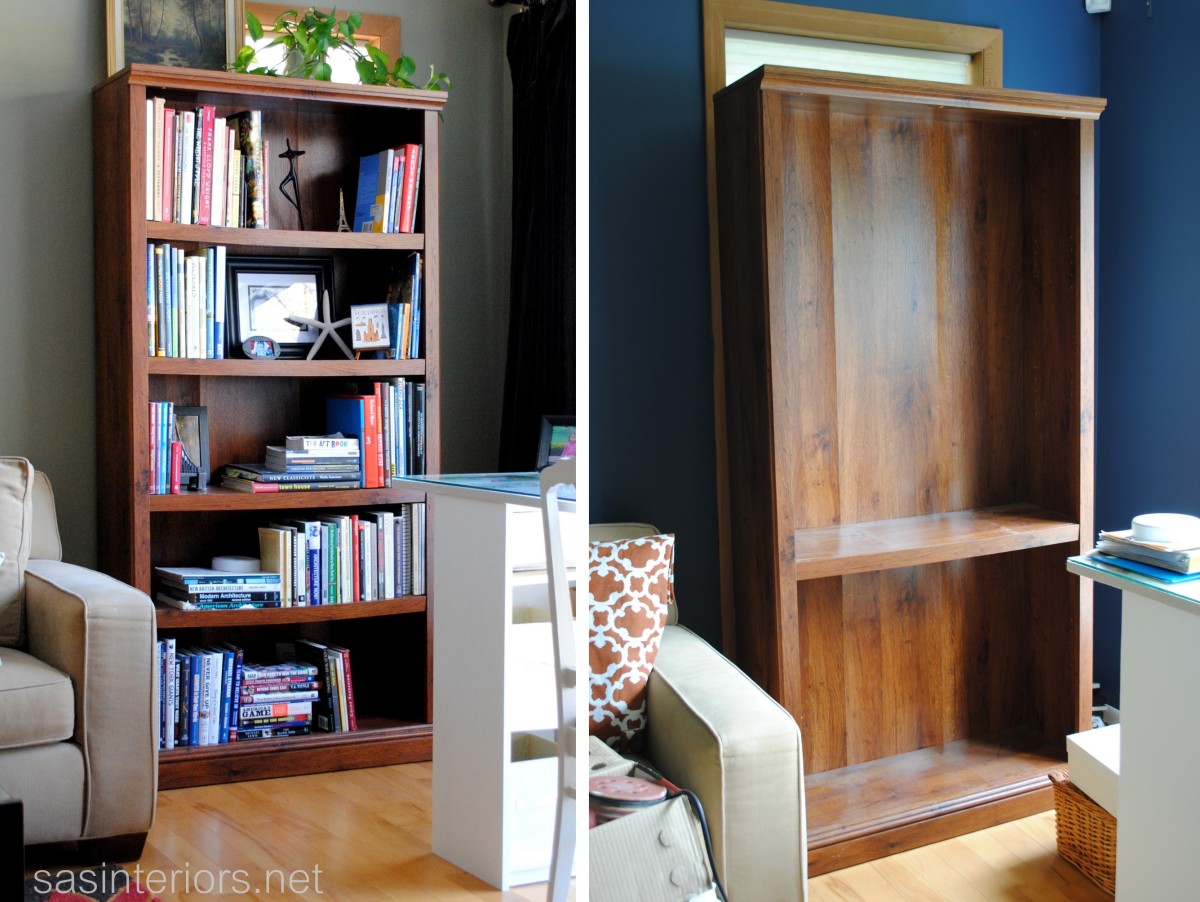
- A white-painted laminate bookcase turned a dark, dated piece into a bright focal point in a living room.
- A chalk-painted bookcase in pale blue added a soft touch to a child’s bedroom.
- A two-tone bookcase with black shelves and a gray frame created a modern look for a home office.
These transformations show how painting can fit any style, from classic to contemporary.

Credit: www.creativeramblingsblog.com
Additional Resources
For more detailed instructions and visual guides, visit Family Handyman. This resource offers step-by-step photos and extra tips for beginners.
Frequently Asked Questions
How Do I Know If My Bookcase Is Laminate Or Wood?
Check the surface and edges. Laminate feels smooth and sometimes plastic-like, while wood has grain and texture. Look at the underside or back—laminate often has a repeating pattern, while wood looks natural.
Can I Paint Laminate Without Sanding?
No, sanding is necessary. It helps the primer stick. Skipping sanding can cause the paint to peel off easily.
What Is The Best Primer For Laminate Surfaces?
A bonding primer is best. It’s made for slick surfaces and helps paint stay on. Brands like Zinsser or Kilz offer good options.
How Long Should I Wait Between Coats?
Wait at least 2 hours between coats. For oil-based paint, wait 4-6 hours. Always check the paint can for drying times.
Will Painted Laminate Bookcases Last As Long As Painted Wood?
Painted laminate can last several years with proper prep and sealing. It’s not as durable as wood, but with careful maintenance, it holds up well for everyday use.
Painting a laminate bookcase is a simple way to refresh your space and save money. With the right tools, paint, and careful steps, you can achieve a smooth, lasting finish. Remember to prepare the surface, use primer, apply thin coats, and protect your work with a sealer.
Avoid common mistakes and take your time. In the end, you’ll have a bookcase that looks new and matches your style. Whether you’re updating a room or making old furniture useful again, painting laminate is a smart, rewarding project.