
Nonstick Cookware And Sustainable Living: A Complete Guide
Nonstick cookware has changed how people cook and clean in kitchens around the world. These pans, pots, and bakeware are loved for their easy food release and simple washing. But as more people care about the environment, there are new questions: Is nonstick cookware good for sustainable living? Can these modern kitchen tools fit in a green lifestyle, or do they create more problems than they solve?
This article explores nonstick cookware from every angle. We’ll look at what makes them nonstick, how they affect health, waste, and energy, and ways to choose and use them in a more sustainable way. By the end, you’ll know how nonstick cookware fits into the bigger picture of eco-friendly living—and what changes you can make for a greener kitchen.
What Is Nonstick Cookware?
Nonstick cookware is any pan, pot, or bakeware with a special coating. This coating makes food less likely to stick. The most common type is Teflon (polytetrafluoroethylene or PTFE), which has been used since the 1950s. Other options include ceramic, silicone, and newer coatings like diamond or titanium-infused layers.
Nonstick pans are popular because:
- Less oil or butter is needed
- Easy to clean
- Food cooks evenly and releases easily
But what exactly goes into these coatings, and do they matter for the planet?
How Nonstick Coatings Are Made
Most classic nonstick pans are made by bonding a layer of PTFE to a metal base, usually aluminum or stainless steel. The process uses chemicals called perfluorooctanoic acid (PFOA) and other perfluorinated compounds (PFCs). These chemicals help the coating stick and last longer.
In the last decade, many brands have moved away from PFOA, but some still use similar chemicals. Ceramic coatings are made from silica, which comes from sand. They are fired at high temperatures to become hard and smooth. Silicone bakeware uses flexible, heat-resistant silicone instead of a hard metal base.
The Environmental Impact Of Nonstick Cookware
Resource Use
Making nonstick cookware uses metals like aluminum, which requires mining and energy. The nonstick coatings themselves are made with chemicals that are not always eco-friendly. Aluminum mining, in particular, can cause habitat loss and water pollution.
Manufacturing Pollution
The chemicals used in nonstick coatings can be harmful if not handled properly. In the past, PFOA was linked to water pollution near factories. Today, many companies claim their products are PFOA-free, but replacement chemicals may not be fully tested for safety.
Waste And End-of-life
Nonstick pans don’t last forever. Most only last 2–5 years before the coating wears out or gets scratched. When this happens, the pan often ends up in the trash. Recycling nonstick cookware is hard because of the mix of metal and chemicals.
This leads to more waste in landfills.
Indoor Air Quality
Overheating PTFE-coated pans can release toxic fumes. These fumes are dangerous for birds and can irritate humans. Newer coatings and improved guidelines have reduced these risks, but they are still important to consider.
Health And Safety: What You Need To Know
Are Nonstick Coatings Safe?
PTFE coatings are stable and safe at normal cooking temperatures (below 500°F or 260°C). Problems start if the pan gets too hot. At high heat, the coating can break down and release harmful gases.
Ceramic nonstick is often marketed as safer because it does not use PTFE or PFOA. However, the safety depends on the quality and what the base material contains. Cheap pans may have lead or cadmium in the glaze.
What About Food Contact?
PTFE and ceramic coatings are tested for food safety. When they are not scratched or damaged, they do not mix with food. If the coating peels or chips, small pieces may get into your meal. While PTFE is not absorbed by the body, eating coating flakes is not ideal.

Credit: www.amazon.com
Nonstick Cookware And Sustainable Living: The Dilemma
Sustainable living means making choices that are good for the planet, your health, and your wallet. Nonstick cookware has both pros and cons in this area.
Benefits For Sustainable Living
- Less oil or fat needed for cooking, which can mean healthier meals and less resource use.
- Saves water and soap because cleaning is easier.
- Cooks food faster, especially on energy-efficient stovetops.
Challenges For Sustainability
- Short lifespan compared to cast iron or stainless steel.
- Hard to recycle due to mixed materials.
- Possible chemical pollution during manufacture and disposal.
Comparing Nonstick Cookware With Other Types
Here’s a look at how nonstick cookware stacks up against stainless steel and cast iron, two other popular options for sustainable kitchens.
| Feature | Nonstick | Stainless Steel | Cast Iron |
|---|---|---|---|
| Lifespan | 2–5 years | 10–30 years | Decades (with care) |
| Ease of Cleaning | Very easy | Moderate | Moderate (with seasoning) |
| Oil Needed | Minimal | Medium | Medium to high |
| Recyclability | Poor | Excellent | Excellent |
| Non-Toxicity | Safe if not overheated | Very safe | Very safe |
The table shows nonstick pans are easy to use but less durable and harder to recycle. Cast iron and stainless steel last longer, and they can be recycled or even passed down to the next generation.
Credit: www.neoflamshop.com
Types Of Nonstick Cookware: Which Are More Sustainable?
Not all nonstick pans are created equal. Here are the main types and what you should know about their sustainability.
Ptfe (teflon) Coated
- Pros: Very slippery, easy to use, affordable.
- Cons: Short lifespan, may release fumes at high heat, recycling is difficult.
Ceramic-coated
- Pros: Made from sand, no PTFE or PFOA, more eco-friendly.
- Cons: Coating can chip, still usually lasts only a few years.
Hard-anodized Aluminum
- Pros: Durable, resists scratches, good heat distribution.
- Cons: Still uses chemical treatments, not always recyclable.
Silicone Bakeware
- Pros: Flexible, long-lasting, easy to clean, no PTFE.
- Cons: Not good for stovetop use, can degrade over time.
Newer Coatings (diamond, Titanium, Etc.)
- Pros: Marketed as ultra-durable and safe, often use less PTFE.
- Cons: Still being tested for long-term safety and recycling.
How To Choose Nonstick Cookware For A Greener Kitchen
Choosing the right cookware can make a real difference for the planet. Here are some tips to help you decide:
- Look for PFOA-free labels. While most brands have phased out PFOA, always check to be sure.
- Choose high-quality brands. Cheap pans wear out fast, creating more waste.
- Pick ceramic or silicone coatings if you want to avoid PTFE and PFOA altogether.
- Avoid pans with plastic handles—these are harder to recycle and may melt or break.
- Think about the base metal. Stainless steel bases are more durable than aluminum.
- Buy only what you need. Fewer, better pans are more sustainable than a whole set of cheap ones.
- Check for recycling programs. Some brands offer take-back or recycling services.
- Read independent reviews and look for third-party safety tests, not just marketing claims.
Using Nonstick Cookware More Sustainably
How you use and care for your nonstick cookware can extend its life and reduce its impact. Here’s how to make your pans last longer and waste less.
- Never overheat. Use low to medium heat. Overheating damages the coating and releases fumes.
- Use wooden or silicone utensils. Metal tools can scratch the coating.
- Hand wash your pans. Dishwashers and harsh scrubbers wear out the nonstick surface.
- Store with care. Do not stack pans without a soft liner to avoid scratches.
- Do not use cooking sprays. They can create a sticky buildup that ruins nonstick pans.
- Replace only when necessary. If a pan is badly scratched or peeling, it’s time for a new one.
- Repurpose old pans. Use them for crafts, plant trays, or donate if still safe.
Energy Use: Nonstick Vs. Other Cookware
Cooking with nonstick pans can save energy. They heat up quickly and need less oil, which means less time on the stove. Here’s a comparison:
| Cookware Type | Average Time to Heat (min) | Energy Efficiency |
|---|---|---|
| Nonstick (Aluminum Base) | 1–2 | High |
| Stainless Steel | 2–3 | Medium |
| Cast Iron | 3–5 | Medium to Low |
Faster heating means less energy used. Over time, this can shrink your kitchen’s carbon footprint, especially if you cook often.
Common Mistakes People Make With Nonstick Cookware
Many people shorten the life of their pans without knowing it. Here are mistakes to avoid:
- Using high heat. Nonstick pans are not for searing steaks or stir-frying at very high temperatures.
- Cutting food in the pan. Knives scratch the coating.
- Stacking pans without protection. Scratches happen easily.
- Putting in the dishwasher. Even “dishwasher-safe” pans last longer with hand washing.
- Not replacing when damaged. A scratched pan is less safe and less effective.
Alternatives To Nonstick For Sustainable Living
If you want to move away from nonstick, consider these options:
- Cast iron: Lasts for generations, can become nonstick with seasoning, fully recyclable.
- Carbon steel: Similar to cast iron but lighter, develops a nonstick layer over time.
- Stainless steel: Incredibly durable, easy to recycle, good for most cooking except sticky foods.
- Enameled cast iron: Non-reactive, lasts a lifetime, easy to clean, but heavy.
Each alternative has a learning curve, but they last much longer and are better for the planet.
How To Dispose Of Old Nonstick Cookware Responsibly
Throwing away nonstick pans adds to landfill waste. Here are better options:
- Check for local recycling programs. Some cities accept cookware as scrap metal if you remove plastic or silicone parts.
- Contact the manufacturer. A few brands have take-back programs.
- Donate usable pans. Give to charities, shelters, or community kitchens if the coating is not damaged.
- Repurpose at home. Old pans make good plant trays, storage bins, or craft supplies.
Never burn or crush nonstick pans. Damaged coatings can release harmful chemicals.
The Role Of Nonstick Cookware In Zero Waste Kitchens
Zero waste is about reducing trash and reusing more. Nonstick pans can fit this goal if:
- You buy fewer, high-quality pans.
- You care for them to extend their life.
- You recycle or repurpose at end-of-life.
Still, nonstick pans will always create some waste. For a true zero waste kitchen, cast iron or stainless steel is a better fit.
Real-world Example: A Sustainable Kitchen Makeover
Let’s look at a family trying to “green” their kitchen:
- Before: 5 cheap nonstick pans, replaced every 2 years. Lots of cooking spray and plastic utensils.
- After: 1 ceramic nonstick skillet for eggs, 1 cast iron pan for most meals, 1 stainless steel saucepan. Wooden utensils only.
Results:
- Fewer pans bought and thrown away.
- Less oil and cooking spray used.
- All pans last longer with better care.
- Lower overall kitchen waste.
This simple swap saves money and lowers the kitchen’s environmental impact over time.
The Future: Innovations In Sustainable Nonstick Cookware
The cookware industry is changing. Companies are trying to make pans that are:
- Longer-lasting: New coatings promise 5–10 years of life.
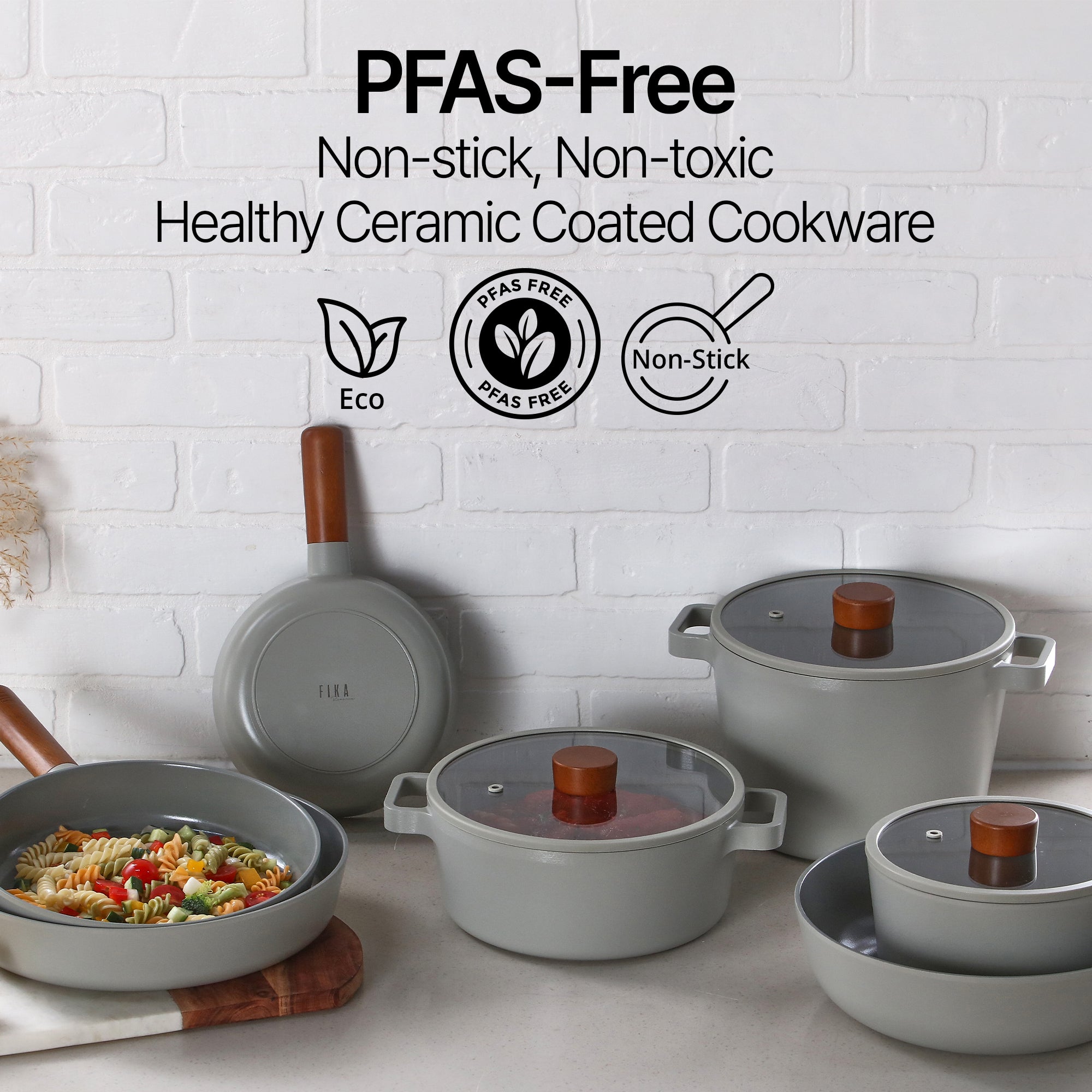
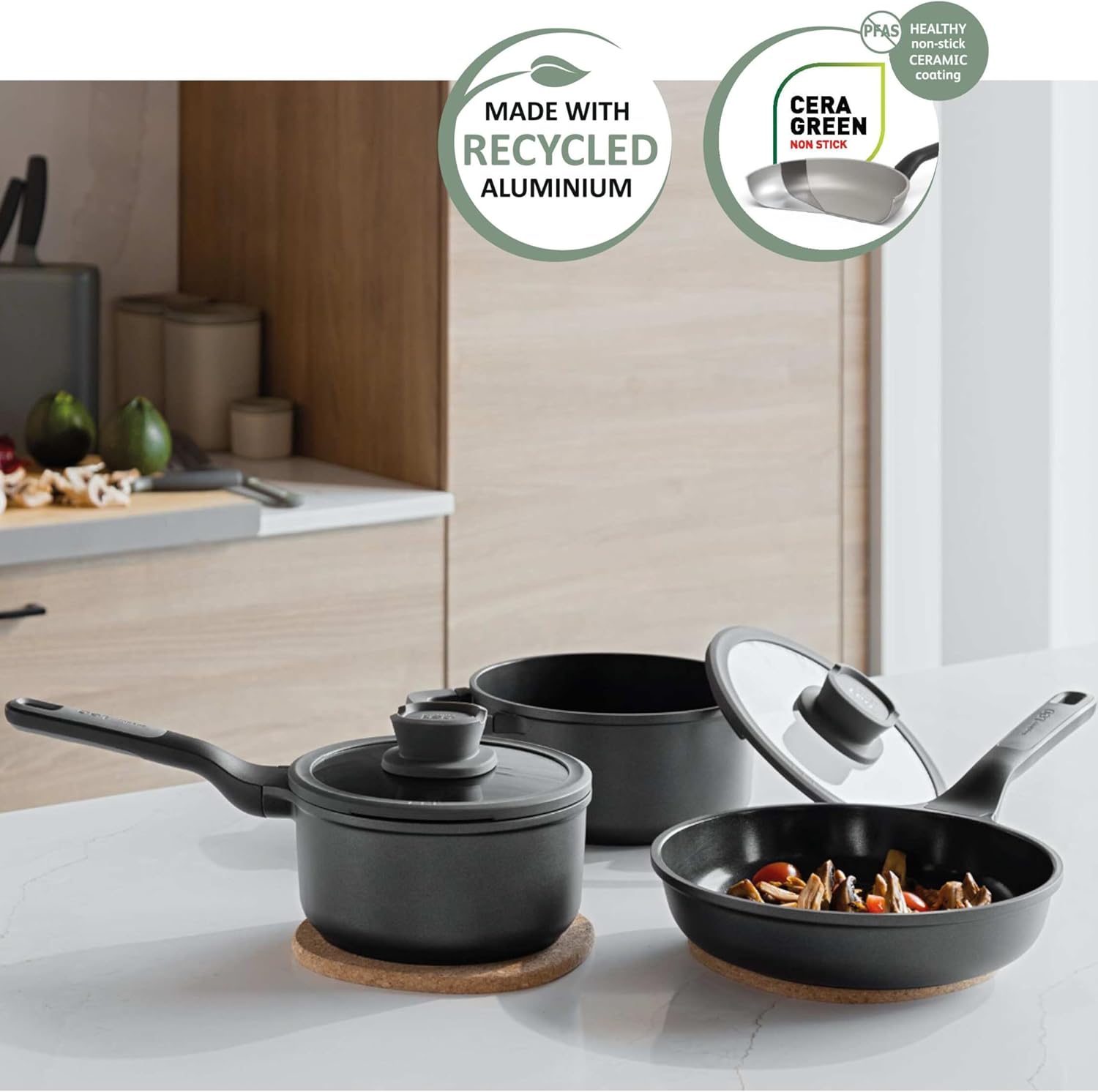
- Safer chemicals: Many are moving to PFAS-free or water-based coatings.
- Easier to recycle: Some brands use single metals and removable handles.
- Made from recycled materials: Pans made from recycled aluminum or steel are now available.
These advances could make nonstick cookware better for the planet and your health.
Two Common Myths About Nonstick Cookware And Sustainability
Myth 1: All Nonstick Cookware Is Bad For The Environment
Not all nonstick is equally harmful. High-quality ceramic or silicone pans are less polluting than old PTFE pans with PFOA. How you use, care for, and dispose of your pan is just as important as the coating.
Myth 2: Only Cast Iron Is Sustainable
Cast iron is great, but it’s not right for every home or cook. Some people need lightweight or easy-to-clean options. A balanced kitchen can include nonstick, stainless, and cast iron—all used mindfully.
How To Build A More Sustainable Cookware Set
You don’t need to give up nonstick cookware completely to live greener. Here’s a plan:
- Choose one high-quality nonstick pan for eggs or delicate foods.
- Add a cast iron or stainless steel pan for searing, frying, and general use.
- Keep a saucepan or stockpot in stainless steel for boiling and simmering.
- Replace only when needed. Don’t throw away pans that still work.
- Care for your pans to make them last.
This mix gives you the benefits of nonstick with the durability of classic cookware.
Credit: kixat.com
The Bigger Picture: Nonstick Cookware And Sustainable Development Goals
Switching to more sustainable cookware helps the planet in several ways:
- Reduces landfill waste from broken pans.
- Cuts energy use by heating up faster.
- Limits chemical pollution if you choose safer coatings.
- Supports responsible manufacturing by picking brands with green policies.
These steps support the United Nations Sustainable Development Goals for responsible consumption and production.
Non-obvious Insights For Beginners
- Quality over quantity is key. One good pan is better than a full set of cheap ones.
- Heat control matters. Most nonstick damage comes from using too much heat, not from normal cooking.
- Recycling is tricky. Many recycling centers won’t take nonstick pans. Always call ahead.
- Not all “green” pans are safe. Some brands use marketing tricks—look for third-party safety tests.
- Repurposing is powerful. Even an old, scratched pan can have a new life outside the kitchen.
Frequently Asked Questions
What Is The Safest Nonstick Cookware For The Environment?
The safest nonstick cookware for the environment is high-quality ceramic-coated pans. These use natural materials and avoid PTFE and PFOA chemicals. Always check that the pan is free from heavy metals like lead or cadmium, and choose brands with good reviews and independent safety tests.
Can Nonstick Pans Be Recycled?
Most nonstick pans are hard to recycle because of their mixed materials. Some cities accept them as scrap metal if you remove handles and coatings. Always contact your local recycling center first. Some manufacturers have take-back programs for old pans.
How Long Does Nonstick Cookware Last?
Most nonstick cookware lasts 2–5 years with normal use. Higher-quality pans and proper care (low heat, gentle washing) can extend the life. When the coating is deeply scratched, peeling, or loses its nonstick power, it’s time to replace.
Is Ceramic Nonstick Really Safer And Greener Than Teflon?
Ceramic nonstick is usually safer because it does not use PTFE or PFOA. It is made from natural materials like sand. However, the coating can still wear out or chip. It is greener if made well and disposed of responsibly, but it still does not last as long as cast iron or stainless steel.
Where Can I Learn More About Nonstick Cookware Safety?
A good resource is the United States Environmental Protection Agency, which shares up-to-date info about chemicals in cookware, including PFAS, PTFE, and PFOA. It also explains rules for safe manufacturing and disposal.
Nonstick cookware isn’t going away, but it can fit into a greener, more sustainable lifestyle with smart choices. By picking better pans, caring for them, and disposing of them wisely, you can cook with less waste and more confidence. Small changes in your kitchen can add up to a big difference for the planet.