
The kitchen has changed a lot over the past few decades. One thing that stands out is how much easier cooking has become, thanks to non stick pans. These pans have transformed daily life, helping people cook with less oil and making cleanup much faster. But the non stick pan you buy today is very different from what your parents or grandparents used. New materials, smarter designs, and better coatings have made a simple tool much more advanced.
People sometimes think all non stick pans are the same, but that’s not true anymore. Now, there are choices for every kind of cook—from busy parents who want fast meals, to chefs looking for perfect results. Understanding these advancements isn’t just interesting; it can help you make better choices and get more out of your kitchen.
In this article, we’ll explore how non stick pans have improved, which innovations matter, and what you should know before buying your next pan.
The Early Days Of Non Stick Pans
Before we look at new advancements, it helps to know where non stick started. The first non stick coating was developed in the 1950s. It used a chemical called PTFE (also known as Teflon). PTFE made food slide off pans easily, and cleanup was simple. These early pans were a revolution for home cooks.
But there were problems. PTFE can break down if it gets too hot (above 500°F or 260°C). If scratched, the coating could come off in food. Also, making PTFE used chemicals like PFOA, which raised health and environmental concerns. By the late 1990s and early 2000s, people wanted safer, stronger, and more eco-friendly options.
Key Advancements In Non Stick Coatings
Ptfe Improvements
Modern PTFE pans are much better than old versions. Manufacturers now use PFOA-free PTFE, which means the coating is safer for health and the planet. The way PTFE is bonded to the pan has also improved, making it less likely to flake or peel. Today’s PTFE coatings can last two to three times longer than those from the 1980s.
Another change is the multi-layer system. Most top brands use two or three layers of PTFE, not just one. This makes the surface more resistant to scratches and wear. Some high-end pans even have four or five layers, with added reinforcements like ceramic particles or diamonds.
Ceramic Non Stick
A big leap came with ceramic non stick coatings. These are made from silica (sand), not plastic-based chemicals. Ceramic pans can handle higher heat (up to 800°F or 425°C) and often have a slick, glass-like finish. They’re free from PTFE and PFOA, so many people see them as more natural.
However, ceramic coatings can lose their non stick quality faster than PTFE if not used correctly. They’re more sensitive to cooking sprays and harsh cleaners. Still, for people who want a pan without any plastic-based chemicals, ceramic is a popular choice.
Reinforced Non Stick Surfaces
Some of the newest pans use reinforced non stick coatings. This means mixing strong materials—like titanium, diamond dust, or even granite particles—into the coating. These extras make the surface tougher and help it last longer.
For example, a pan labeled as “diamond-reinforced” will have microscopic diamond bits blended into the non stick layer. Diamonds are one of the hardest materials on earth, so this helps the coating resist scratches from metal utensils. Titanium is another favorite because it’s light, strong, and safe for food.
Non Stick Without Chemicals
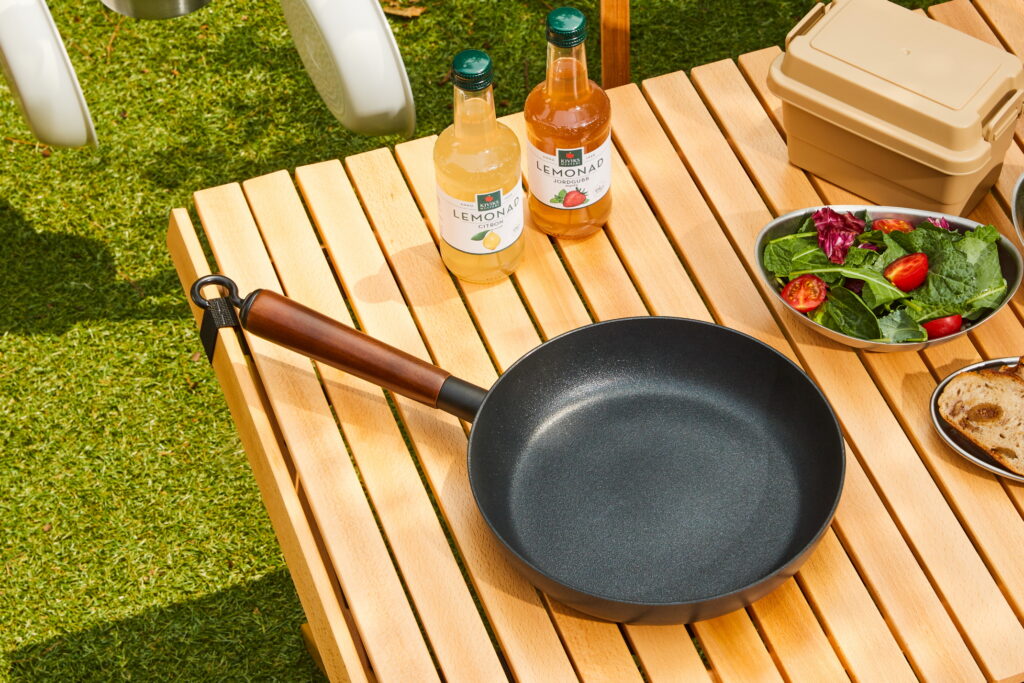
A few brands now offer non stick pans with no synthetic chemicals at all. These use innovations like super-polished carbon steel, seasoned cast iron, or even glass. While they’re not “coated” in the traditional sense, they can be very slippery if used correctly. These pans are popular with cooks who want to avoid all man-made chemicals.
Credit: cheethashow.com
Pan Construction: More Than Just Coating
The non stick coating is important, but the material under the coating matters too. Let’s look at how pan construction has improved.
Hard-anodized Aluminum
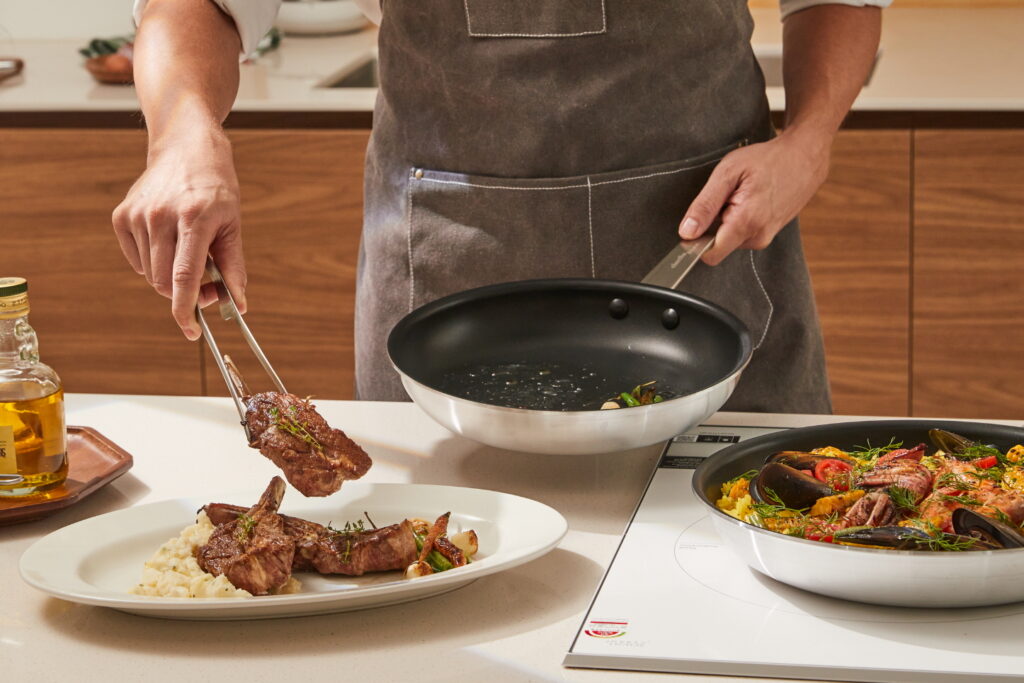
Hard-anodized aluminum pans are now common. Anodizing is a process that makes the metal stronger and less likely to react with food. These pans are lighter than stainless steel, heat up quickly, and spread heat evenly. They’re often paired with high-quality non stick coatings, making them a favorite in both home and professional kitchens.
Stainless Steel Bases
Many non stick pans now have a stainless steel base or core. This helps the pan work on induction cooktops, which need magnetic metal. Stainless steel also adds strength and helps prevent warping, especially at high temperatures.
Multi-layer (clad) Designs
Some advanced pans use multi-layer (clad) construction. This means the pan has several layers of different metals—such as aluminum sandwiched between stainless steel. This design improves heat distribution and keeps the pan from developing hot spots, so food cooks more evenly.
Ergonomic Handles And Rivetless Interiors
Older pans often had rivets inside the cooking area, which could trap food and bacteria. Now, many brands use rivetless handles (attached from the outside), making the inside smooth and easy to clean. Handles are also more ergonomic, with better grip and heat resistance.
Smart Non Stick Pan Features
Advancements aren’t just about coatings and metals. Many new non stick pans offer smart features that make cooking safer and more enjoyable.
Indicator Technology
Some pans include thermo-spot indicators. These are color-changing spots in the center of the pan that show when it’s reached the right temperature for cooking. This helps prevent overheating, which can damage the coating.
Oven And Dishwasher Safe
In the past, non stick pans were rarely safe for ovens or dishwashers. Now, many are designed to handle oven heat (up to 450°F or more), and their improved coatings can survive dishwasher cycles without peeling.
Eco-friendly Manufacturing
Many brands focus on eco-friendly production, using less energy and creating fewer emissions. Some recycle old pans into new ones or use recycled metals in the base.
Universal Compatibility
The best modern pans work with all cooktops: gas, electric, glass, ceramic, and induction. This is usually thanks to a stainless steel plate or magnetic base.
Comparing Non Stick Coating Types
It’s easy to get lost in all the options. Here is a side-by-side look at the main non stick coatings:
| Type | Material | Max Temp (°F) | Average Lifespan | Best For |
|---|---|---|---|---|
| PTFE (Teflon) | Plastic Polymer | 500 | 2-5 years | Everyday cooking, low-medium heat |
| Ceramic | Silica (Sand) | 800 | 1-3 years | High heat, health-conscious cooks |
| Reinforced (Diamond/Titanium) | PTFE + Particles | 500 | 4-7 years | Durability, metal utensil use |
| Natural Non Stick | Seasoned Iron/Steel | 700+ | Decades (with care) | Traditionalists, chemical-free |
Health And Safety: What’s Changed?
Health concerns drove many advancements in non stick pans. For years, people worried about PFOA (used in making PTFE). Studies linked PFOA to health risks, so manufacturers phased it out. Since 2015, almost all major brands offer PFOA-free pans.
Ceramic coatings are also free from PTFE, PFOA, lead, and cadmium. This makes them a top choice for people with allergies or sensitivities.
However, non stick pans still have limits. Even modern PTFE pans can release fumes if overheated. Manufacturers recommend keeping heat below 500°F and never preheating an empty pan.
One non-obvious tip: Always use wooden, silicone, or plastic utensils with non stick pans—even the reinforced ones. Metal can still damage the surface over time.
Durability And Longevity: How Long Do Advanced Non Stick Pans Last?
A common myth is that non stick pans last forever. In reality, even the best coatings will wear out. But advancements have stretched this lifespan.
- Standard PTFE pans: 2-3 years with regular use
- Reinforced pans: 4-7 years if handled gently
- Ceramic pans: 1-3 years (can lose non stick quickly if overheated)
- Seasoned iron/steel pans: Indefinite, if seasoned and cared for
Some brands now offer “lifetime” warranties, but these often cover only defects, not normal wear. To get the most from your pan, avoid high heat, don’t use aerosol sprays, and hand-wash when possible.
Environmental Impact: Greener Non Stick Options
The environmental cost of cookware is getting more attention. The move away from PFOA is one step, but there’s more.
Recycled Materials
Some brands use recycled aluminum for the pan base. This cuts down on mining and saves energy. Aluminum is one of the most recycled metals in the world.
Greener Coatings
Ceramic coatings are made from sand, not oil-based chemicals. Their production creates fewer emissions. Some companies use water-based adhesives and dyes instead of harsh solvents.
Manufacturing Standards
Look for brands with eco-friendly certifications. Examples include ISO 14001 (environmental management) or partnerships with recycling programs.
End-of-life Recycling
A new trend is pan recycling. Some brands let you send back old cookware so they can reuse the metal. This keeps pans out of landfills and saves resources.
The Rise Of Smart And Connected Non Stick Pans
Technology is changing even simple tools like frying pans. Some high-end non stick pans now include:
- Bluetooth thermometers: Track the temperature from your phone
- Built-in timers: Help you avoid burning food or the coating
- Heat sensors: Alert you when the pan is too hot
While not everyone needs these features, they show how far non stick pans have come from their simple beginnings.
Real-world Performance: What Do Users And Chefs Say?
How do these advancements work in real kitchens? Reviews from home cooks and professionals suggest:
- Reinforced non stick pans survive much longer in busy kitchens. Chefs appreciate the scratch resistance.
- Ceramic pans are loved for eggs and pancakes, but some users say the coating weakens after a year.
- Hard-anodized pans heat up faster and cook more evenly, reducing hot spots.
- Rivetless designs make cleaning much easier, especially for sticky sauces.
Chefs often keep both PTFE and ceramic pans. PTFE is their choice for delicate foods like fish, while ceramic is used for browning or high-heat recipes.
Choosing The Right Non Stick Pan: Factors That Matter
With so many options, what should you look for? Here are the main things to keep in mind:
- Type of coating: PTFE for classic non stick, ceramic for eco-friendly, reinforced for durability
- Base material: Aluminum for quick heating, stainless steel for strength
- Cooktop compatibility: Make sure it works with your stove (especially induction)
- Oven and dishwasher safety: Essential for busy cooks
- Handle design: Comfortable grip, stays cool, rivetless if possible
- Brand reputation: Stick with known makers who test for safety
- Warranty: Check what’s really covered
- Price vs. performance: Don’t pay for features you won’t use
A non-obvious tip: If you cook a lot of acidic foods (like tomatoes), avoid pans with exposed aluminum—acid can react with the metal and affect taste.
Cost Comparison: Are Advanced Non Stick Pans Worth It?
Cost is often a concern. Here’s how different types compare for a standard 10-inch pan (2024 prices):
| Type | Typical Price | Lifespan | Notes |
|---|---|---|---|
| Standard PTFE | $20-$40 | 2-3 years | Good for basic use |
| Reinforced (Diamond/Titanium) | $40-$80 | 4-7 years | Longer life, more features |
| Ceramic | $25-$60 | 1-3 years | Health focus, needs gentle care |
| Clad/Hybrid | $60-$120 | 5-10 years | Best for serious cooks |
If you cook daily, a reinforced or clad pan can be a smart investment. For occasional use, a good quality PTFE or ceramic pan is enough.
Credit: cheethashow.com
Care And Maintenance: Getting The Most From Your Pan
Even the most advanced non stick pan needs proper care to last. Here are key tips:
- Avoid high heat: Medium is enough for most foods. High heat can ruin non stick coatings.
- Use the right utensils: Choose wood, silicone, or nylon to avoid scratches.
- Hand wash: Dishwashers are convenient, but gentle hand washing extends the pan’s life.
- No aerosol sprays: These leave sticky residue that damages the coating.
- Store safely: Don’t stack pans without a soft liner between them.
One extra tip: If food starts to stick, try “refreshing” the pan by rubbing a little oil on the surface and heating gently. This can restore some non stick quality.
Innovations To Watch: What’s Next For Non Stick Pans?
The future of non stick pans looks bright. Upcoming trends include:
- Bio-based coatings: Made from plants or minerals, not oil-based chemicals
- Self-healing surfaces: Coatings that “repair” small scratches using heat
- Smart sensors: Even more connected pans that can update your phone in real time
- Ultra-durable hybrids: Combining non stick with stainless or carbon steel for best of both worlds
Some companies are experimenting with graphene (a super-strong carbon material) for next-generation coatings. These could be even more slippery and last much longer.
Common Mistakes When Using Non Stick Pans
Even with better pans, some mistakes can cause problems:
- Preheating an empty pan: This can overheat and damage the coating.
- Using metal utensils: Even if the pan says “metal-safe,” it’s still risky.
- Cutting food in the pan: Knives will scratch any non stick surface.
- Storing pans stacked together: This leads to scratches and dents.
- Cleaning with abrasive pads: Always use a soft sponge or cloth.
Avoiding these mistakes helps your pan last and keeps your food safe.
How Non Stick Advancements Affect Everyday Cooking
All these changes mean cooking is easier, safer, and more fun. You can:
- Use less oil or butter, making meals healthier
- Clean up quickly, even after sticky foods like eggs or cheese
- Try new recipes, knowing food won’t stick
- Cook with less stress, since advanced pans are less likely to warp or peel
One thing beginners often miss: Even with top-quality pans, patience is key. Let the pan heat up slowly, don’t force food off the surface, and follow care instructions. The right habits, paired with new technology, make a big difference.
Credit: www.alibaba.com
Frequently Asked Questions
What Is The Safest Non Stick Pan Material?
Ceramic coatings are considered very safe, as they contain no PTFE, PFOA, lead, or cadmium. Modern PTFE pans are also much safer than older ones if you keep the heat below 500°F and avoid scratching the surface.
Can I Use Metal Utensils On Reinforced Non Stick Pans?
While some reinforced pans claim to be metal utensil safe, it’s still best to use wood, silicone, or nylon tools. Metal can cause micro-scratches that shorten the pan’s lifespan, even if the damage isn’t visible right away.
Do Ceramic Non Stick Pans Last As Long As Ptfe Pans?
Usually, ceramic pans lose their non stick quality faster than PTFE pans, especially if overheated or cleaned with harsh detergents. Proper care can extend their life, but most users notice a decline after 1-2 years.
Are Advanced Non Stick Pans Eco-friendly?
Many new pans are more eco-friendly than in the past. Look for recycled materials, water-based coatings, and certifications from reputable organizations. For more on cookware safety and eco-labels, see the Wikipedia page on cookware and bakeware.
Why Do Non Stick Pans Eventually Lose Their Coating?
All non stick coatings break down over time due to heat, friction, and cleaning. Even reinforced surfaces will wear with daily use. Following care instructions and using the right utensils can delay this process, but no non stick pan lasts forever.
The world of non stick pans has come a long way from simple Teflon surfaces. Today’s pans are safer, tougher, and more versatile than ever. With so many choices—PTFE, ceramic, reinforced, hybrid, and even smart pans—there’s something for every cook.
By understanding these advancements, you can choose the right pan for your needs, take better care of it, and enjoy cooking with less hassle. Remember, the best pan is one that fits your kitchen, your habits, and your values. Happy cooking!