
Removing Sticky Residue From Non Stick Pans: The Complete Guide
Non stick pans make cooking and cleaning easy—until you find a stubborn sticky residue that refuses to come off. This sticky layer not only makes your pan look dirty, but it also affects cooking performance. Food can stick more, and your favorite omelet might break apart.
If you have tried scrubbing with soap and water but the sticky mess remains, you are not alone. Many people experience this problem, even when they follow the rules for non stick cookware.
This guide gives you everything you need to know about removing sticky residue from non stick pans. You’ll learn why residue forms, the best cleaning methods, and how to avoid damaging your cookware. You’ll also see what to do if nothing seems to work, and how to keep your pans in top shape for years. Whether you are a new cook or someone who loves their kitchen tools, these tips will help you restore your pans and your peace of mind.
Why Non Stick Pans Get Sticky
Non stick pans are coated with materials like Teflon or ceramic, which are designed to keep food from sticking. But sometimes, after repeated use, you may see a sticky, brown, or yellow film on the surface. This happens for a few key reasons:
- Oil buildup: Cooking oil, especially when used at high heat, can create a sticky layer that builds up over time.
- Improper cleaning: Not washing with enough soap, or letting grease dry on the surface, makes residue harder to remove.
- Cooking sprays: Aerosol sprays may leave a thin layer that is difficult to wash off.
- Burnt food: Bits of burnt food can stick to the pan and mix with oil, creating a stubborn mess.
- Dishwasher damage: Harsh dishwasher detergents can wear away the coating, making it easier for residue to stick.
One non-obvious reason beginners miss is that even “non stick” pans need some oil—but too much or the wrong type can cause problems. Also, using low-quality oils with additives can leave more residue than pure oils.
Common Mistakes When Cleaning Non Stick Pans
It’s easy to make mistakes when trying to clean sticky pans. Here are the most common errors:
- Scrubbing with metal or abrasive pads: These can scratch the non stick coating, causing permanent damage.
- Using harsh chemicals: Bleach, oven cleaners, or ammonia can ruin the non stick surface.
- Not soaking long enough: Sticky residue often needs time to soften before wiping.
- Cleaning while pan is hot: Sudden temperature changes can warp the pan and weaken the coating.
- Stacking pans without protection: Scratches from other pans make residue stick more easily.
Many people believe more scrubbing means better cleaning. In reality, gentle methods work better for non stick surfaces. If you notice the coating is peeling or flaking, stop using the pan, as it may not be safe.
Step-by-step Methods To Remove Sticky Residue
Here you’ll find several proven methods to remove sticky residue from non stick pans. Choose the one that matches your situation, or try a combination for best results.
1. Hot Soapy Water And Non-abrasive Sponge
For mild sticky residue, start with this basic method:
- Fill the pan with hot water and a few drops of dish soap.
- Let it soak for 15–30 minutes.
- Use a soft sponge or cloth to gently scrub the surface.
- Rinse with warm water and dry with a towel.
This method works best if the residue is fresh or not too thick. Avoid using steel wool or rough scrubbing brushes.
2. Baking Soda Paste
Baking soda is a gentle abrasive that helps lift residue without scratching. Here’s how to use it:
- Mix 2 tablespoons of baking soda with a little water to form a paste.
- Spread the paste over the sticky areas.
- Let it sit for 30–60 minutes.
- Gently scrub with a soft sponge in circles.
- Rinse well and dry.
If the sticky layer is stubborn, repeat the process once more.
3. White Vinegar Solution
White vinegar is excellent for breaking down grease and sticky films:
- Mix equal parts white vinegar and water (about ½ cup each).
- Pour into the pan and heat gently on the stove for 5–10 minutes (do not boil).
- Turn off the heat and let the mixture cool.
- Wipe the pan with a soft cloth or sponge.
- Wash as usual with soapy water.
Vinegar is especially helpful for removing mineral deposits or hard water stains, which can also cause stickiness.
4. Baking Soda And Vinegar Combo
For very tough residue, try combining baking soda and vinegar:
- Sprinkle a generous layer of baking soda on the pan.
- Pour white vinegar over the baking soda (it will fizz).
- Allow the mixture to bubble and sit for 15–30 minutes.
- Scrub gently with a non-abrasive sponge.
- Rinse well and dry.
This method is effective because the fizzing action helps lift stubborn grime.
5. Lemon Juice For Natural Cleaning
Lemon juice is a natural acid that cuts through grease and leaves a fresh smell:
- Squeeze the juice from one lemon into the pan.
- Add a little hot water.
- Let it soak for 10–20 minutes.
- Wipe clean with a soft cloth.
- Wash with soap and rinse.
Lemon juice is safe for non stick coatings and is a good option if you prefer natural cleaners.
6. Commercial Non Stick Pan Cleaners
There are special cleaners made for non stick cookware. These are usually cream-based and contain gentle cleaning agents. Always follow the product instructions carefully.
- Apply a small amount to the sticky area.
- Let it sit for the time recommended on the label.
- Wipe with a soft sponge.
- Rinse thoroughly.
Look for products labeled “safe for non stick” to avoid damage.
7. Salt Scrub (for Thick Residue)
Table salt can be used as a gentle abrasive:
- Pour a few tablespoons of salt into the dry pan.
- Use a damp paper towel to rub the salt in small circles over the sticky spots.
- Rinse with warm water and wash as usual.
Salt is less abrasive than baking soda, but effective for light to moderate buildup.
8. Boiling Water Method
This method uses heat and water to soften residue:
- Fill the pan with water, covering the sticky area.
- Heat on the stove until the water starts to boil.
- Let it boil for 5 minutes, then turn off the heat.
- Allow to cool.
- Pour out the water and wipe with a soft sponge.
This technique is useful if you want to avoid any cleaning products.
9. Dishwasher Detergent Soak (hand Wash Only)
Do not put non stick pans in the dishwasher, but you can use a little dishwasher detergent to soak tough stains:
- Fill the pan with hot water.
- Add a teaspoon of dishwasher detergent (not dish soap).
- Let it soak for 1–2 hours.
- Scrub gently and rinse thoroughly.
Dishwasher detergent breaks down grease better than regular dish soap.
10. Re-seasoning The Pan
If sticky residue is from old oil, re-seasoning can sometimes help:
- Clean the pan as best as possible.
- Dry completely.
- Rub a very thin layer of neutral oil (like canola) on the surface.
- Heat the pan on low for 2–3 minutes.
- Wipe off excess oil with a paper towel.
This helps fill tiny scratches and can restore some non stick performance.
Comparing Cleaning Methods
Here’s a quick comparison of different cleaning methods for sticky residue on non stick pans:
| Method | Best For | Time Required | Risk of Damage |
|---|---|---|---|
| Hot Soapy Water | Light residue | 15–30 mins | Very low |
| Baking Soda Paste | Moderate residue | 30–60 mins | Low |
| Vinegar Solution | Grease, minerals | 20 mins | Low |
| Salt Scrub | Thicker buildup | 10 mins | Low |
| Commercial Cleaners | Stubborn residue | 20–60 mins | Varies (check label) |

Credit: misen.com
When To Replace Your Non Stick Pan
Sometimes, sticky residue is a sign that your pan’s non stick coating is worn out. Look for these warning signs:
- Coating is peeling or flaking: This can be unhealthy if pieces get into food.
- Surface is scratched or dull: Non stick pans should have a smooth, shiny surface.
- Food always sticks, even after cleaning: If nothing works, it’s time to buy a new pan.
Most non stick pans last 2–5 years with regular use. If your pan is over 5 years old and you see these problems, consider replacing it.
Preventing Sticky Residue In The Future
The best way to deal with sticky residue is to avoid it. Here are some tips to keep your pans clean and non stick:
- Use the right oil: Choose pure oils like canola, vegetable, or avocado oil. Avoid sprays with additives.
- Cook on medium or low heat: High heat damages the coating and causes oil to polymerize (turn sticky).
- Clean after every use: Wash the pan as soon as it cools to prevent buildup.
- Avoid the dishwasher: Hand wash only with mild soap and a soft sponge.
- Do not stack pans: Use a paper towel or cloth between pans to protect the surface.
- Avoid metal utensils: Use wood, silicone, or plastic tools to prevent scratches.
A non-obvious tip: even if the pan looks clean, a thin oil film can build up over time. Give your pans a deep clean (with baking soda or vinegar) once a month to keep them performing well.
Credit: www.reddit.com
How Different Oils Affect Non Stick Pans
Some oils are better for non stick pans than others. Here’s a look at common oils:
| Oil Type | Smoke Point (°F) | Residue Risk | Best Use |
|---|---|---|---|
| Canola | 400 | Low | General cooking |
| Olive | 375 | Medium | Medium heat |
| Butter | 350 | High | Flavor, low heat |
| Coconut | 350 | Medium | Baking, sautéing |
| Cooking Spray | Varies | High | Quick use (avoid for non stick) |
Cooking sprays often contain lecithin or other additives that stick to non stick coatings. Pure oils leave less residue and are easier to clean.
Difference Between Non Stick And Other Pans
Non stick pans need special care compared to stainless steel or cast iron. Here’s a quick comparison:
| Pan Type | Cleaning Allowed | Scrubbing Allowed | Dishwasher Safe |
|---|---|---|---|
| Non Stick | Soap & water, gentle | No (use soft sponge) | No |
| Stainless Steel | Soap, vinegar, baking soda | Yes | Yes (most) |
| Cast Iron | No soap (usually), salt scrub | Yes | No |
This is why it’s important to use the right method for your non stick cookware. The wrong cleaning technique can quickly ruin your investment.
How To Restore Lost Non Stick Performance
If your pan is not as non stick as before, try these steps:
- Clean with baking soda paste or vinegar to remove all residue.
- Rinse and dry thoroughly.
- Apply a small amount of oil and heat gently (re-seasoning).
- Use only soft utensils and wash after every use.
These steps can restore some non stick performance, but if the pan is old or damaged, full restoration may not be possible.
How To Tell If Your Pan Is Truly Clean
Some sticky residue is invisible. Here’s how to check if your non stick pan is really clean:
- Run your fingers gently over the surface. It should feel smooth and slick, not tacky or rough.
- Add a drop of water to the cool pan. If it beads and rolls, the pan is clean.
- Try cooking an egg with a little oil. If it slides easily, your pan is in good shape.
If you still see dull spots or experience sticking, repeat the cleaning process.
Special Cases: Colored Or Patterned Non Stick Pans
Some non stick pans have colored or patterned coatings. For these, always:
- Check the manufacturer’s instructions.
- Avoid acidic cleaners (like vinegar or lemon) unless approved.
- Test new cleaning methods on a small area first.
Some patterns may hide residue, so rely on touch and cooking results, not just appearance.
What To Do If Sticky Residue Won’t Come Off
If you have tried all the methods above and sticky residue remains:
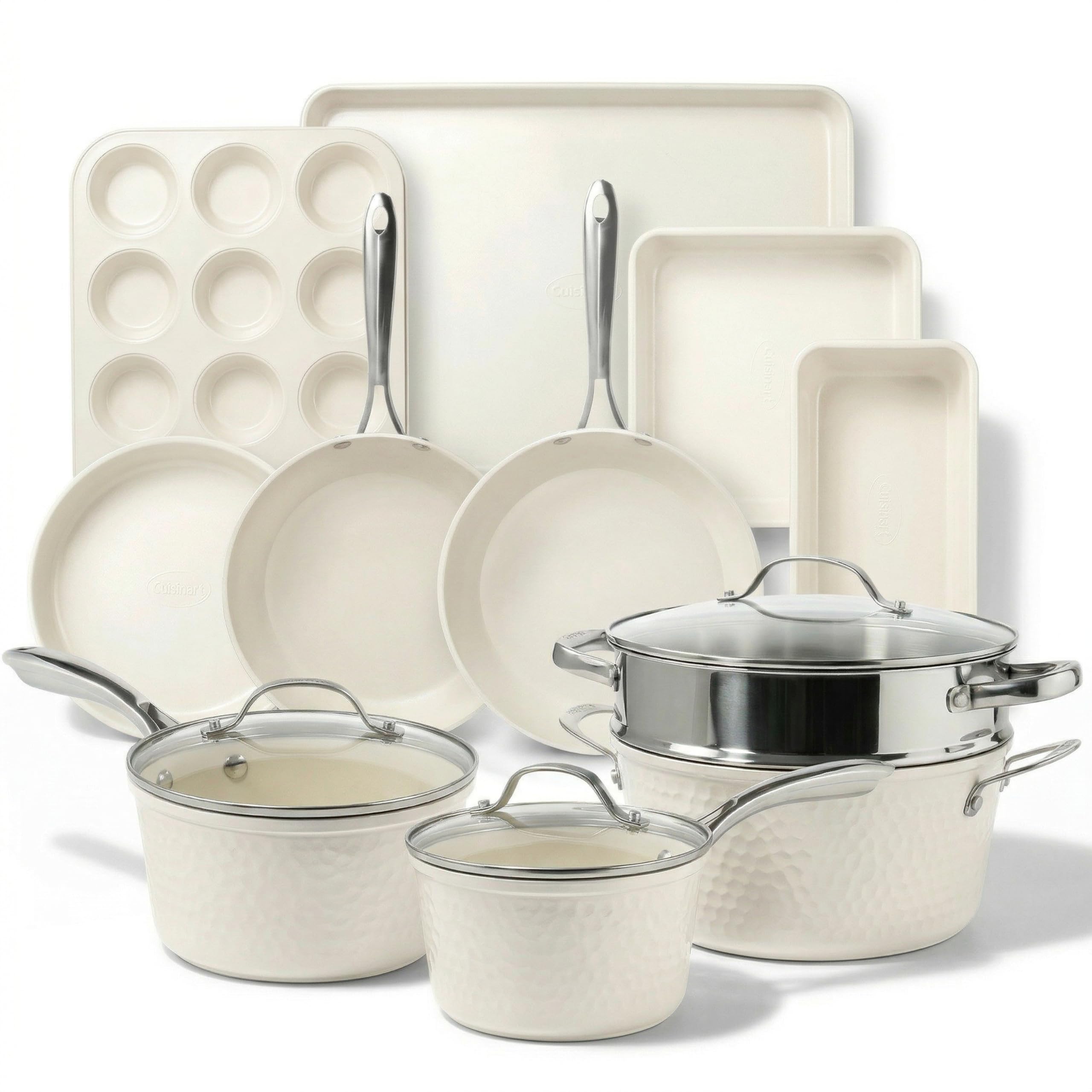
- Try a commercial non stick cleaner as a last resort.
- Contact the pan’s manufacturer for advice. Some brands offer replacement or warranty service.
- If the pan is old or heavily scratched, consider replacing it for safety.
It’s better to replace a damaged pan than risk health or poor cooking results.
Credit: www.amazon.com
Real-life Example: Saving A Favorite Pan
Anna, a home cook from Ohio, noticed her favorite non stick skillet was getting sticky even after washing. She used olive oil and often cooked at high heat. After reading about oil buildup, she made a baking soda paste and let it sit for 45 minutes.
The residue wiped off, and the pan’s non stick quality improved.
Anna learned that cooking at lower heat and switching to canola oil kept her pan cleaner. She now gives her pans a deep clean every month and avoids sprays with additives.
Environmentally Friendly Cleaning Options
You do not need strong chemicals to clean sticky pans. Baking soda, vinegar, lemon juice, and salt are all safe for the environment and your family. These natural cleaners are also cheaper and easy to find.
For even less waste, use reusable sponges and cloths instead of paper towels. Avoid products with microplastics or harsh chemicals that can end up in water supplies.
When To Seek Professional Help
If your non stick pan is expensive or part of a set, and cleaning does not work, some cookware stores offer professional cleaning or re-coating services. This can be more cost-effective for high-end pans, but for most home cooks, buying a new pan is easier.
The Science Behind Sticky Residue
Sticky residue is often a result of polymerization, where oils and fats are heated above their smoke point and turn into a hard, sticky layer. This is why using the right oil and cooking temperature is so important.
Some dish soaps do not break down polymerized oil easily, which is why baking soda and vinegar work better. These help break apart the bonds and lift the sticky layer.
Important Safety Tips
- Never use harsh chemicals or metal scrubbers on non stick pans.
- If the non stick coating is flaking, stop using the pan.
- Wash pans only when cool to avoid warping.
- Keep pans out of reach of children when using cleaning agents.
For more about non stick coatings and safety, see this Wikipedia article on non stick surfaces.
Frequently Asked Questions
How Often Should I Deep Clean My Non Stick Pan?
Deep clean your non stick pan with baking soda or vinegar once a month, or whenever you notice food starting to stick. Regular cleaning with soap and a soft sponge after each use is usually enough for daily maintenance.
Can I Use Steel Wool Or Abrasive Pads On Non Stick Pans?
No. Steel wool and abrasive pads can scratch and destroy the non stick coating, making residue problems worse and shortening the life of your pan.
Is Sticky Residue Harmful To Health?
Sticky residue itself is not usually harmful, but if the non stick coating is peeling or flaking, it is better to stop using the pan. Eating coating particles can be unsafe.
Do Cooking Sprays Cause Sticky Residue?
Yes, many cooking sprays contain additives that cause sticky buildup. It is better to use pure oils and wipe the pan with a paper towel to avoid this problem.
When Should I Replace My Non Stick Pan?
Replace your non stick pan if you see flaking, deep scratches, or if food always sticks despite cleaning. Most non stick pans last 2–5 years with proper care.
Cleaning sticky residue from non stick pans is simple when you know the right methods. With gentle cleaning, the right oil, and proper care, your pans will stay smooth and non stick for years. Enjoy cooking with confidence, knowing your kitchen tools are in top shape.