
Is Simmer Lower Than Low?
Cooking brings up many questions about heat settings. One of the most common is: Is simmer lower than low? If you have ever watched a pot on the stove, unsure whether you should turn the dial up or down, you are not alone. The difference between simmer and low may sound simple, but it can change your food’s taste, texture, and even safety. Let’s explore what each setting means, how they are used in real kitchens, and why understanding them can help you cook better meals every day.
What Does “simmer” Mean?
Simmer is a gentle cooking method where food cooks in hot liquid just below the boiling point. Water boils at 212°F (100°C) at sea level, but simmering happens around 185°F to 205°F (85°C to 96°C). You will see small bubbles slowly rising to the surface, but the liquid is not moving rapidly like in a full boil.
Simmering is popular for:
- Making soups and stews
- Cooking grains like rice or quinoa
- Poaching eggs or fish
- Thickening sauces
The goal of simmering is to cook food slowly and evenly. It helps flavors blend and prevents tough foods from drying out or breaking apart. If you simmer instead of boil, you often get a better taste and texture.
What Does “low” Mean On The Stove?
The low setting on a stove is the lowest heat you can use before turning it off. It is not a precise temperature, because different stoves and burners have different strengths. For most electric and gas stoves, the low setting keeps things warm or gently cooks food.
Common uses for the low setting:
- Keeping food warm without burning
- Melting chocolate or butter
- Slow-cooking delicate dishes
- Simmering liquids (sometimes)
Low is not always the same as simmer, but sometimes they overlap. On many stoves, the lowest heat will not make liquid move at all. On others, it might be just enough to reach a gentle simmer. This is why many recipes ask you to “reduce heat to low and simmer”—they expect you to look for the small bubbles, not just trust the dial.

Credit: kalynskitchen.com
Simmer Vs. Low: What’s The Real Difference?
Many home cooks get confused by these terms. The main difference is that simmer describes a temperature range and what you see in the pot, while low is a setting on your stove or burner.
Let’s compare them side by side:
| Simmer | Low |
|---|---|
| Temperature-based (185–205°F) | Stove setting (lowest heat) |
| Visible small bubbles | Often no bubbles |
| Used for gentle, active cooking | Used for warming or very slow cooking |
| Prevents overcooking or breaking | Prevents burning or sticking |
Key Point
Simmer is not always lower than low, and low is not always enough to simmer. You must watch the pot to know if you are at a true simmer.
How To Identify A Simmer Vs. Low Heat
You do not need a thermometer every time you cook. Here are signs to look for:
- Simmer: Small bubbles rise slowly, and steam escapes. The surface may move gently but is not rolling hard.
- Low heat: Little or no movement in the liquid. The surface is calm. The pot is warm but not steaming much.
If a recipe says “bring to a simmer,” you want to see those small bubbles—not just a warm pot.
Why Simmering Matters In Cooking
Many recipes ask for a simmer instead of a boil or low heat. Why? Because simmering:
- Blends flavors in soups, stews, and sauces
- Prevents tough meat by cooking it gently
- Keeps grains from breaking apart
- Reduces risk of burning for thick sauces
For example, boiling a stew can make meat dry and vegetables mushy. Simmering keeps everything tender. If you only use low heat, your food might not cook through or flavors might not develop.
How Stove Types Affect Simmer And Low
Not all stoves are the same. Gas and electric stoves have different strengths. Some have more precise controls than others.
| Stove Type | Simmer Control | Low Heat Control |
|---|---|---|
| Gas | Easy to adjust quickly | Very low flame possible |
| Electric (coil or glass top) | Slower to respond, may overshoot | Lowest setting often not enough for simmer |
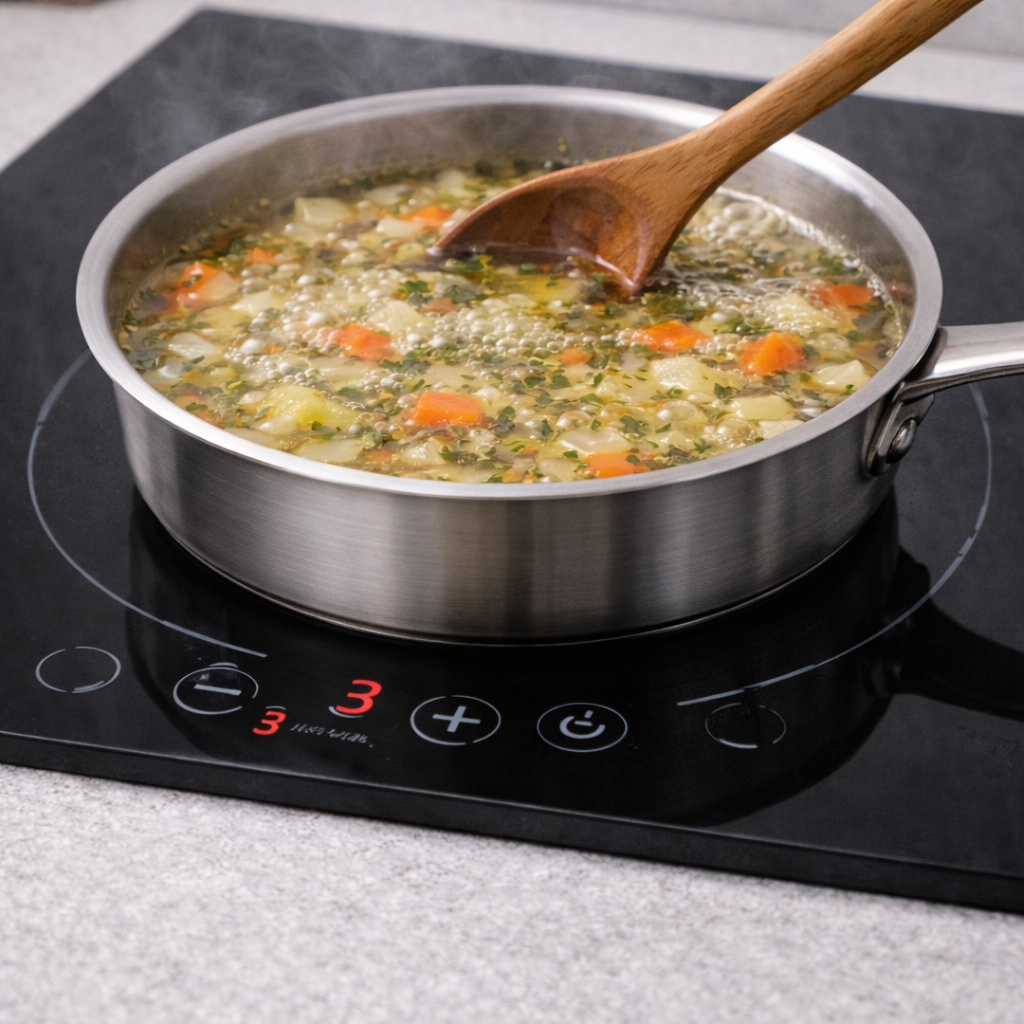
| Induction | Very precise heat, fast changes | Can go lower than most stoves |
Some electric stoves have a “simmer” burner or special setting. If you have trouble keeping a gentle simmer, you might need to move the pot off the center of the heat or use a heat diffuser (a metal plate that spreads heat).
Common Mistakes When Using Simmer And Low
Understanding the difference is one thing. Using it right is another. Here are mistakes beginners often make:
- Trusting the dial, not the pot: The knob may say “low,” but your food might be boiling hard.
- Not adjusting during cooking: Stoves can heat up or cool down as you add food.
- Using too small a pot: Small pots boil faster, so even low heat can boil over.
- Leaving the lid on or off at the wrong time: Lids trap heat, so with the lid on, even low heat can turn into a simmer or boil.
- Not watching for visual cues: Recipes may tell you to “simmer,” but you need to see gentle bubbles.
Does Simmer Mean Below Low On Every Stove?
No, simmer does not always mean below the lowest heat. On some stoves, you may need to set the burner slightly above “low” to get a true simmer. On others, especially powerful gas stoves, even the lowest flame can be too hot.
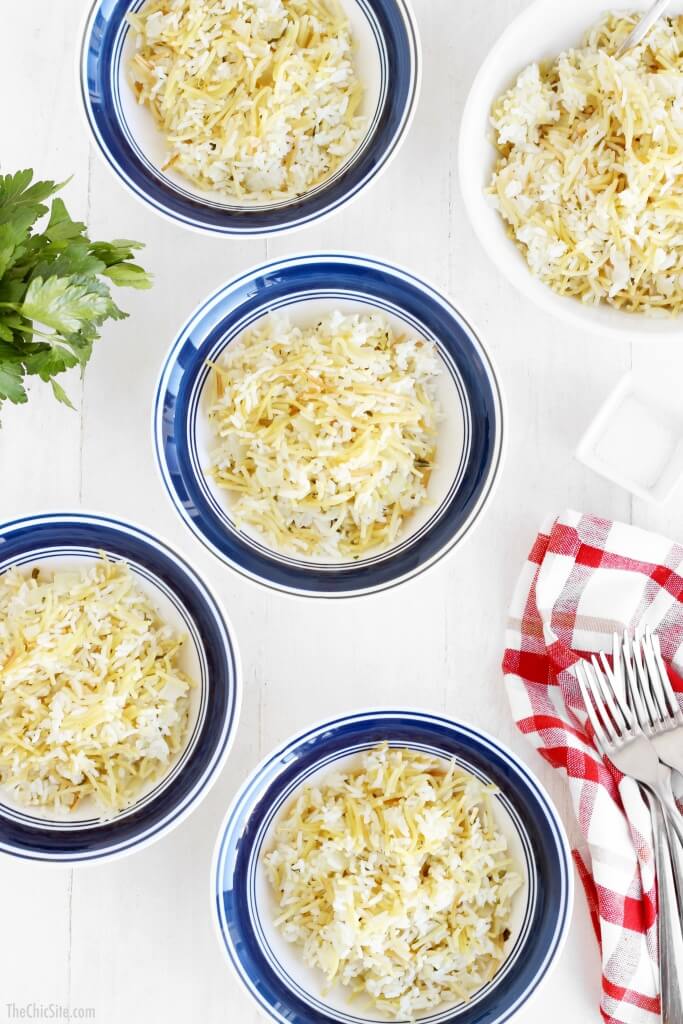
Here’s a useful tip: Simmer is about what you see, not just the dial. If the liquid is bubbling gently, you are simmering, even if the dial is not set to “low.”
Credit: msrachelhollis.com
Adjusting Heat: Practical Tips
Getting the right heat is not always easy. Here’s how to control your simmer:
- Start high, then lower: Bring your pot to a boil first, then reduce to low or medium-low until you see gentle bubbles.
- Use a heat diffuser: If your stove is too strong, place a diffuser under your pot to spread heat.
- Shift the pot: On a gas stove, you can move the pot slightly off the center of the burner for less heat.
- Partially cover the pot: A lid traps heat. If you need to keep a simmer but not a boil, leave the lid partly off.
- Check often: Watch the bubbles, not just the timer.
When To Use Simmer Vs. Low
Not every recipe is clear. Here’s a quick guide:
- Simmer: When you need gentle cooking with some movement—soups, stews, braises, grains.
- Low: When you want to keep food warm, melt ingredients, or very slowly cook delicate items.
Some foods, like custards or sauces with eggs, need very low heat so they do not curdle or burn. Others, like tough cuts of meat, need a steady simmer to get tender.
Simmering On Different Appliances
Not everyone uses a stovetop. You might use a slow cooker, rice cooker, or oven. How do these compare?
- Slow cooker “low”: Cooks at around 190–200°F—like a simmer, but even gentler.
- Oven simmering: Set oven between 200–250°F for a gentle, steady heat.
- Rice cooker: Simmering happens automatically after water boils off.
If you cook with an appliance, check the manual for temperature ranges. The “low” or “simmer” setting might not match your stove.
Simmering And Food Safety
Cooking at a simmer is usually safe because the temperature is high enough to kill bacteria. However, if the heat is too low, food may stay in the “danger zone” (40–140°F) where bacteria grow.
Tips for safety:
- Bring food to a boil first, then lower to simmer.
- Make sure soups, stews, and meats reach at least 165°F inside.
- Do not leave food on very low heat for hours unless using a slow cooker designed for it.
Is Simmer Lower Than Low? The Final Answer
After all these details, what is the simple answer? Simmer is usually not lower than low. In fact, “simmer” is often a bit higher than the lowest setting on your stove. Simmer is a temperature range where you see gentle bubbles, usually between 185°F and 205°F. “Low” is just the lowest heat setting, which may or may not be enough to reach a simmer.
The key is to look for visual signs—bubbles, gentle steam, and movement in the pot. Not every stove is the same, so you must adjust as needed.
Practical Examples: How To Simmer And Use Low Heat
Cooking Rice
- Bring water and rice to a boil.
- Reduce to low and cover.
- If you see bubbling, you are at a simmer. If not, turn up the heat a little.
- Check after a few minutes—rice should absorb water without burning.
Making Soup
- Bring the broth to a boil.
- Lower heat to reach a simmer—look for small bubbles.
- Add vegetables and meat.
- Adjust heat as needed—if it starts boiling hard, lower it.
Melting Chocolate
- Use a saucepan on low heat.
- Stir often to keep from burning.
- Do not simmer—chocolate can seize or burn easily.
Heat Settings And Temperature Ranges
Every stove dial is a bit different. Here is a rough guide:
| Stove Setting | Approx. Temperature (°F) | What Happens |
|---|---|---|
| Low | 140–180 | Warming, melting, gentle cooking |
| Simmer | 185–205 | Gentle bubbles, slow cooking, blending flavors |
| Medium | 210–250 | Boiling, frying, fast cooking |
Remember, these are only approximate. Your stove may run hotter or cooler.
Non-obvious Insights About Simmer And Low
Many beginners miss these important points:
- Room temperature and pot size matter: If your kitchen is cold, or your pot is small, you may need a higher setting to reach a simmer.
- Ingredients change the simmer: Adding cold meat or vegetables can drop the temperature, so you might need to adjust the heat after adding ingredients.
- Residual heat counts: Electric burners stay hot after turning down the dial. Wait a few minutes for the temperature to stabilize before deciding if you have a simmer or not.
Credit: induction.food
Simmering For Special Diets And Textures
Simmering is important for special diets:
- Vegetarian and vegan soups: Simmering helps flavors from herbs, spices, and vegetables blend deeply.
- Gluten-free grains: Quinoa, rice, and polenta cook best at a simmer to avoid sticking or breaking.
- Delicate proteins: Fish, eggs, and tofu can fall apart at high heat, so simmering keeps them whole.
If you want a creamy soup or sauce, simmering helps starches and proteins mix without curdling.
Scientific View: What Happens At Simmer Vs. Low
When you simmer, the temperature is high enough for tiny water bubbles to rise, but not so high that the whole liquid moves violently. This breaks down collagen in meat, softens vegetables, and dissolves starches.
At low heat, chemical changes happen very slowly. You might warm food, but it will not cook new ingredients well. That is why simmer is the “sweet spot” for many recipes.
Simmering In World Cuisines
Different cultures use simmering for classic dishes:
- French cuisine: Simmering is key in making sauces, soups, and stews (like coq au vin).
- Asian cooking: Many curries and broths are simmered for hours to develop flavor.
- Italian cuisine: Tomato sauce is simmered for a long time to become rich and thick.
In each case, simmering brings out depth and balance in the dish.
How To Practice Finding Simmer And Low
The best way to learn is by watching and adjusting. Try this:
- Fill a pot with water.
- Turn heat to high—watch for fast, rolling bubbles (boil).
- Lower heat—watch for slower, smaller bubbles (simmer).
- Turn to low—see if bubbles stop. If so, that is your stove’s low setting.
Repeat this with different pots and ingredients. Every stove is a bit different, so practice helps you understand your own kitchen.
What To Do If Your Stove Is Too Hot Or Too Cold
Some stoves are hard to control. If your lowest setting is too hot:
- Use a heat diffuser.
- Place the pot slightly off the burner.
- Use a double boiler method (put one pot inside another with water between).
If your stove is too cool, and you cannot reach a simmer:
- Use a smaller pot.
- Cover the pot partly to trap heat.
- Raise the heat slightly until you see gentle bubbles.
Simmer And Low In Baking
Baking rarely uses the terms simmer or low, but slow ovens (200–250°F) are like simmering for baked dishes. Cheesecakes, custards, and some breads use low, steady heat to avoid burning or cracking.
If you bake in a water bath (“bain-marie”), you are keeping the temperature around a simmer, not a boil.
Is Simmer Or Low More Energy Efficient?
Simmering uses more energy than low heat, but much less than boiling. If you want to save energy:
- Use a lid to keep heat in.
- Simmer only as long as needed.
- Turn off the heat a few minutes early—residual heat will finish the job.
Expert Opinions And Research
Professional chefs agree: Simmer is about visual cues, not just numbers. Many chefs say that learning to recognize a simmer is a basic kitchen skill. According to the Wikipedia entry on simmering, simmering is the most common method for creating rich, flavorful broths and sauces.
Frequently Asked Questions
Is Simmer Lower Than Low On All Stoves?
No, simmer is not always lower than low. On some stoves, the lowest setting is not hot enough to reach a simmer. On others, even “low” can be too hot. Always check for gentle bubbles, not just the dial.
How Do I Know If My Pot Is Simmering?
Look for small bubbles rising slowly to the surface, and a bit of steam. The surface should move gently, not roll hard. If you see no bubbles, you may be on low heat—not a simmer.
Can I Simmer With The Lid On?
Yes, but be careful. With the lid on, heat and steam are trapped, so the liquid may boil instead of simmer. Leave the lid partly off if you want to control the simmer.
What Foods Need To Be Simmered Instead Of Cooked On Low?
Soups, stews, braises, grains, and sauces often need a simmer to cook properly and blend flavors. Low heat is better for melting, keeping food warm, or very delicate recipes.
What If My Stove Does Not Have A Simmer Setting?
You can still reach a simmer by adjusting the dial, using a heat diffuser, or moving the pot off-center. Watch for gentle bubbles—this is more reliable than any label or setting.
Cooking well is about understanding your tools and watching your food. Knowing the difference between simmer and low will help you make better meals, avoid mistakes, and feel more confident in the kitchen. When in doubt, trust your eyes—and your taste buds—over the stove dial.