
Every kitchen has its own story, but the heart of that story is often the stove. If you’re planning a kitchen remodel, moving into a new home, or just curious about safety, one big question pops up: Does a gas stove need a dedicated circuit? You might think gas stoves only use gas, but they also need electricity for parts like ignition, lights, timers, and sometimes convection fans. This article will clear up confusion, cover every angle, and help you make smart decisions for your home. Whether you’re a DIY enthusiast, a cautious homeowner, or someone who wants to avoid electrical mistakes, you’ll find everything you need right here.
Understanding Gas Stoves: Beyond Just Gas
Most people think a gas stove runs only on gas. That’s partly true, but nearly all modern gas stoves need electricity for certain functions. Let’s break down how gas stoves really work.
Main Components
- Gas burners: Use natural gas or propane to produce flames. These are the parts you see on top, and they provide the direct heat for cooking.
- Ignition system: Uses electricity to spark and light the burners. This replaces old-fashioned matches or lighters, making it safer and faster to start the stove.
- Oven controls: Digital timers and temperature settings help you set precise baking times, delayed starts, or even child locks for safety.
- Lights: Illuminate the oven interior. Most stoves now have one or more bright lights inside so you can easily check your food without opening the door and losing heat.
- Convection fans: Some models use electric fans to distribute heat evenly, which leads to faster and more consistent cooking results.
Why Electric Connections Matter
Even though the heating comes from gas, these electric parts are crucial. For example, without electricity, many modern stoves can’t ignite burners or use their timer functions. Some older models have manual ignition, but these are becoming rare. Also, if your stove has features like a clock, electronic temperature sensors, or a self-cleaning cycle, these will not function without power.
A small but important detail: If your power goes out, most modern gas stoves will not work at all because the safety systems and igniters need electricity. Older stoves sometimes allowed manual lighting, but newer ones often block gas flow without electric ignition for safety reasons.
Typical Power Usage
Most gas stoves require only a small amount of electricity—usually less than 1 amp (120 watts). That’s much lower than electric stoves, which often need a dedicated 240-volt circuit. But does this lower usage mean you can plug a gas stove anywhere?
Not quite. Even though power needs are low, the way you connect the stove can affect both safety and code compliance.
For example, if your kitchen outlets are already loaded with other appliances, even a small draw can tip the balance and cause problems. Also, if your stove has a convection fan or extra features, the power usage can jump to 2 or even 3 amps, which starts to become more significant, especially in older homes.
What Is A Dedicated Circuit?
A dedicated circuit is an electrical line that serves only one appliance. It connects directly from the breaker panel to the device, without sharing with other outlets or appliances. This setup is common for big appliances because it gives them a stable and reliable power source.
Why Dedicated Circuits Matter
Dedicated circuits prevent overloads. If you plug several appliances into one circuit, and their combined power exceeds the circuit’s limit, you risk tripping breakers or even causing electrical fires. Major appliances like refrigerators, microwaves, and electric stoves almost always need their own circuit.
Imagine making breakfast with a toaster, coffee maker, and microwave all running at once. If they’re all on the same circuit, you might suddenly lose power when the breaker trips. With a dedicated circuit, your stove stays powered, even if other outlets are busy.
Typical Appliances That Require Dedicated Circuits
- Electric stoves: Draw high current for heating coils.
- Refrigerators: Need steady power to avoid food spoilage.
- Microwaves: High wattage, often used with other appliances.
- Dishwashers: Combine heating and motor loads.
- Air conditioners: Large motors that require stable power.
Gas stoves are less demanding, but their requirements can vary depending on features and age.
Electrical Codes And Regulations
The answer to “does a gas stove need a dedicated circuit?” depends partly on electrical codes. In the US, the National Electrical Code (NEC) sets the rules, but local codes may differ.
Nec Guidelines
NEC 210. 23(A) states that appliances with low power (like gas stoves) can share a circuit, if the circuit is not overloaded. NEC 210. 52(B) says kitchen countertop outlets must have at least two 20-amp circuits, but stoves are not included in this rule.
This means that, technically, you can put a gas stove on a shared kitchen circuit, but only if you’re sure the total load will not exceed the safe limit. However, this is often a gray area, especially since usage can change over time.
Local Codes
Some cities and counties are stricter. For example, Los Angeles requires dedicated circuits for any appliance with a built-in electrical cord, including gas stoves. Other areas may have special rules for homes with basements or older wiring. Always check your local regulations, because inspectors will follow these rules when approving your work or giving permits.
Why Codes Exist
Codes are designed to keep homes safe from electrical hazards. They reduce risks of fire, shock, and equipment damage. Following codes also protects your insurance coverage; ignoring them could void your policy if an accident happens.
Another practical reason: If you ever sell your house, a failed inspection due to improper wiring can delay or even block the sale, costing you time and money.
When Does A Gas Stove Need A Dedicated Circuit?
You might not need a dedicated circuit for every gas stove. But certain situations require it.
High-end Models
Luxury gas stoves often have extra features:
- Convection fans: Motorized fans for even heat add to the power draw.
- Advanced digital displays: Touchscreens, Wi-Fi, or smart home features.
- Self-cleaning functions: These cycles can use more electricity for long periods.
These features use more electricity. Some models draw up to 2-3 amps, especially during self-cleaning cycles. If you have one of these, a shared circuit is not a good idea. For example, running a self-cleaning cycle while using other kitchen appliances can easily overload a shared circuit.
Shared Circuit Risks
If you plug your gas stove into a circuit shared with other appliances (like a toaster or microwave), you risk overload. For example, a 15-amp circuit can only handle 1800 watts. If your microwave uses 1200 watts and your stove uses 300 watts, adding more appliances could trip the breaker.
In older houses, these limits are even more important because the wiring may not be as robust.
Also, overloaded circuits can cause hidden damage over time, even if the breaker doesn’t trip every time. Wires can get hot, insulation can break down, and the risk of fire increases.
Remodels And New Construction
Building codes for new homes often require dedicated circuits for stoves, even gas models. This is partly to future-proof your kitchen. If you later switch to an electric stove, your circuit is ready. Contractors often run a dedicated line just in case, saving time and money in the future.
Older Homes
Older homes may not have enough circuits. Adding a gas stove to a busy kitchen circuit can cause problems. If you notice frequent breaker trips, buzzing outlets, or flickering lights, your circuit is overloaded.
Another concern is that older homes might have aluminum wiring or two-prong outlets, neither of which is good for modern stoves. Rewiring may be needed to meet today’s safety standards.

Credit: www.searshomeservices.com
Gas Stove Circuit Requirements: What You Need
Let’s look at what a typical gas stove needs.
Minimum Requirements
- 120-volt outlet: Standard in US kitchens.
- 15-amp circuit: Enough for most gas stoves, but not if the circuit is already busy.
- Grounded connection: Reduces shock risk, especially important for stoves with metal frames.
Most gas stoves use a standard plug and don’t need special wiring. But you should always check your model’s manual, as some stoves may have unique needs.
Manufacturer Recommendations
Many manufacturers suggest a dedicated circuit, even if not strictly required. This is mainly for safety and reliability. They know that users may add more appliances or upgrade the stove in the future, so a dedicated circuit helps avoid later problems.
Installation Example
Suppose you have a gas stove with a digital display and ignition. The manual says it uses 1. 5 amps. If your kitchen circuit already powers a microwave (7 amps) and a toaster (6 amps), that’s 14. 5 amps total.
On a 15-amp circuit, you’re almost at the limit. If you add anything else—like a blender or coffee maker—you’ll overload the circuit, even though each device on its own doesn’t seem like much.
Wiring And Outlet Types
Use a grounded outlet (three-prong). Never use extension cords, as they can overheat and pose fire risks. If your kitchen has only two-prong outlets, you may need rewiring. Some older homes have “cheater plugs” that let you plug a three-prong device into a two-prong outlet—avoid these, as they don’t provide real grounding and are unsafe for major appliances.
Comparing Gas And Electric Stove Circuit Needs
How do gas and electric stoves differ in circuit demands? Here’s a clear comparison:
| Stove Type | Voltage | Amperage | Dedicated Circuit Needed? | Main Functions Powered |
|---|---|---|---|---|
| Gas Stove | 120V | 1-3A | Sometimes | Ignition, Controls, Lights |
| Electric Stove | 240V | 30-50A | Always | Heating, Controls, Lights |
As you can see, electric stoves need much more power and always require dedicated circuits. Gas stoves use less power, but a dedicated circuit is sometimes wise.
One thing beginners often miss: Even if you have a gas stove now, if you ever switch to electric, you’ll definitely need a dedicated, higher-capacity circuit. Planning ahead saves headaches and added costs later.
Safety Considerations
Safety is always a top priority. Even low-power appliances can cause issues if installed incorrectly.
Overloading Circuits
When circuits are overloaded, wires can overheat. This increases fire risk. Breakers are designed to trip when overloaded, but old or faulty breakers may fail. Sometimes, wires are hidden behind walls, so you may not notice damage until it’s too late.
A less obvious risk: Overloaded circuits can also cause voltage drops, which can damage the sensitive electronics inside modern stoves. Over time, displays can fail or sensors can become unreliable.
Grounding And Gfci Protection
- Grounding protects against electrical shock. If a wire comes loose inside the stove, grounding sends the electricity safely to earth instead of through you.
- GFCI outlets (Ground Fault Circuit Interrupter) are required near water sources (like sinks). If your stove is close to a sink, use a GFCI outlet. These outlets cut power instantly if a ground fault is detected, reducing shock risk.
Many kitchens have a mix of standard and GFCI outlets. If you’re not sure which is which, look for the “test” and “reset” buttons on the outlet face.
Extension Cords And Multi-plug Adapters
Never use extension cords or multi-plug adapters for gas stoves. They’re not rated for continuous use and can cause overheating. Some extension cords claim to be “heavy duty,” but they are rarely a safe choice for permanent appliances.
Surge Protection
Surges can damage electronic parts in stoves. If your area has frequent power spikes, consider a surge protector. There are special in-wall surge protectors you can install as an outlet, or you can use a whole-house surge protection device at your main panel for complete safety.
Practical Scenarios: Real-life Examples
Let’s look at some real-world cases.
Example 1: Small Apartment
In a small apartment, the kitchen may only have one circuit. If your gas stove uses 1 amp and shares the circuit with the fridge (3 amps) and microwave (7 amps), you’re at 11 amps. If you add a coffee maker (5 amps), you’ll overload the circuit.
In this case, even though each device seems small, their combined load is too much for a single circuit. This often leads to tripped breakers when trying to cook and make coffee at the same time.
Example 2: Renovated Kitchen
A homeowner renovates their kitchen and adds a modern gas stove with a convection fan. The stove now uses 2. 5 amps. The electrician installs a dedicated circuit to avoid overloads.
This gives peace of mind that the stove will always have power when needed and makes future upgrades easier, as the wiring is already in place for a more advanced appliance.
Example 3: Older House With Two-prong Outlets
An older home has two-prong outlets. These are not grounded and can’t safely power modern gas stoves. The homeowner rewires the kitchen to add a dedicated, grounded circuit.
Not only does this make the stove safer, but it also brings the kitchen up to code and improves the home’s resale value.

Credit: prolinerangehoods.com
How To Check If Your Gas Stove Needs A Dedicated Circuit
If you’re not sure, follow these steps:
- Read the manual: Check the electrical requirements for your specific model.
- Inspect your kitchen circuits: Identify which appliances share the circuit with your stove.
- Calculate total load: Add up the amperage of all devices on the circuit. Don’t forget “hidden” loads like under-cabinet lighting or garbage disposals.
- Check outlet type: Make sure you have a grounded, three-prong outlet.
- Consult local codes: Ask your local building department if a dedicated circuit is required.
If you’re still unsure, a licensed electrician can test your circuits and recommend safe solutions.
Professional Installation Vs Diy
Should You Hire A Pro Or Do It Yourself?
When To Hire An Electrician
- If your kitchen needs new wiring, especially in walls or ceilings.
- If you have old, ungrounded outlets or aluminum wiring.
- If local codes require permits and inspections.
Professional electricians know the latest codes and can spot hidden hazards, like overloaded junction boxes or outdated breaker panels.
Diy Installation
If you have basic electrical knowledge, you can install a standard outlet for a low-power gas stove. But mistakes can be dangerous. Always turn off power at the breaker panel before starting.
Be aware that DIY work can void insurance or cause trouble if you sell your home, especially if it’s not up to code.
Cost Comparison
| Installation Type | Estimated Cost | Risks | Benefits |
|---|---|---|---|
| Professional | $200-$500 | None (if licensed) | Safety, Code Compliance |
| DIY | $50-$150 | Fire, Shock, Code Violations | Lower Cost |
Professional installation costs more, but ensures safety. It can also save money in the long run by avoiding repairs, fines, or insurance problems.
Common Mistakes When Installing Gas Stoves
Many homeowners make the following mistakes:
- Ignoring the manual: Not checking the stove’s electrical requirements. Every model is different, and guessing can lead to trouble.
- Using old outlets: Plugging into two-prong, ungrounded outlets. This increases risk of shock and may damage sensitive electronics.
- Overloading circuits: Adding the stove to a busy circuit. This is especially risky in small kitchens with limited outlets.
- Using extension cords: Unsafe for continuous use. Extension cords can cause voltage drops and become hot over time.
- Skipping permits: Not following local codes. This can cause problems with insurance, resale, and safety inspections.
Avoid these mistakes to keep your kitchen safe and efficient.
Tips For Safe And Efficient Gas Stove Installation
Here’s practical advice for a smooth installation:
- Plan ahead: Know your kitchen’s circuit layout and label each breaker clearly.
- Upgrade wiring if needed: Modern stoves need grounded outlets. Don’t rely on adapters or old wiring.
- Label circuits: This helps you (and future homeowners) know which breaker controls the stove.
- Use surge protectors: Protect electronic parts, especially in areas with unstable electricity.
- Test outlets: Use a tester to check grounding. A simple plug-in tester is cheap and easy to use.
If you’re unsure at any step, call a pro for help.
Future-proofing Your Kitchen
Maybe you don’t need a dedicated circuit today, but what about tomorrow? Kitchens change. You might upgrade to a model with more features or switch to electric.
Benefits Of Dedicated Circuits
- Flexibility: Ready for upgrades, like an electric stove or double oven.
- Safety: Reduces overloads and lowers the risk of electrical fires.
- Value: Better for resale, as buyers and inspectors prefer modern wiring.
If you plan to remodel or add new appliances, the best time to add dedicated circuits is when walls are open and electricians are already on site.
Remodeling Advice
If you’re remodeling, add dedicated circuits for all major appliances. The extra cost is small compared to the benefit. This also gives you options for future upgrades, like induction cooktops or smart ovens.
Gas Stove Brands And Circuit Requirements
Different brands have different needs. Here are some examples:
Whirlpool
Most Whirlpool gas stoves require only 1 amp and recommend a dedicated circuit. Their manuals are clear about using grounded outlets and avoiding extension cords.
Ge Appliances
GE gas stoves often use 1.2 amps. Their manual says a dedicated circuit is preferred, and warns against sharing with high-wattage appliances.
Samsung
Samsung gas ranges with convection fans use up to 2.5 amps, and require a dedicated circuit. Some models also have Wi-Fi or Bluetooth, which need clean, steady power.
Frigidaire
Frigidaire gas stoves usually need 1 amp, but their manuals warn against sharing circuits, especially with microwaves or dishwashers.
Always check your brand’s manual before installing. If you lose the manual, most brands have them online for free download.
Comparing Dedicated Circuit Vs Shared Circuit
Let’s look at the pros and cons:
| Circuit Type | Pros | Cons | Best For |
|---|---|---|---|
| Dedicated | Safety, Reliability, Easy Upgrades | Higher Cost | New Homes, Remodels, High-End Stoves |
| Shared | Lower Cost, Simple Setup | Risk of Overload, Limited Upgrades | Older Homes, Basic Stoves |
For most people, the small extra cost of a dedicated circuit is worth the safety and peace of mind.
Non-obvious Insights For Beginners
- Gas stoves can affect insurance coverage: If your stove causes a fire due to improper wiring, your insurance may not cover damage—even if you didn’t know about the issue.
- Circuit upgrades often cost less during remodels: Adding dedicated circuits is cheaper when walls are open, compared to later upgrades. It also increases your home’s value.
- Some smart stoves require reliable Wi-Fi: If your stove connects to your home network, voltage drops or surges can cause connection issues or even damage the circuit board.
Expert Guidance: Making The Best Choice
If you’re unsure about your gas stove’s circuit needs, err on the side of caution. A dedicated circuit is always safer. It prevents overloads, future-proofs your kitchen, and ensures code compliance. If cost is an issue, ask your electrician about affordable solutions.
For older homes, rewiring may seem expensive, but it improves safety and increases home value.
Remember, electrical fires and insurance issues cost far more than upgrading a single circuit. If you plan to sell your home or add more appliances, a dedicated circuit is a smart investment.
Frequently Asked Questions
Does Every Gas Stove Need A Dedicated Circuit?
No, not every gas stove needs a dedicated circuit. Basic models with low power can share circuits, but most experts recommend dedicated circuits for safety, reliability, and future upgrades.
What Happens If I Plug A Gas Stove Into A Shared Circuit?
If the circuit is overloaded, the breaker may trip, or wires could overheat. This risks fire and damages appliances. Always calculate total load before sharing circuits.
Can I Use An Extension Cord For My Gas Stove?
Never use extension cords for gas stoves. They are not rated for continuous use and can cause overheating. Always use a grounded, three-prong outlet.
How Do I Know If My Circuit Is Overloaded?
Signs include frequent breaker trips, buzzing outlets, flickering lights, or warm wall plates. Use an amp meter to measure total load, or ask an electrician.
Are There Official Resources For Kitchen Wiring Rules?
Yes. The National Electrical Code (NEC) is the main US standard. For more details, visit NFPA NEC.
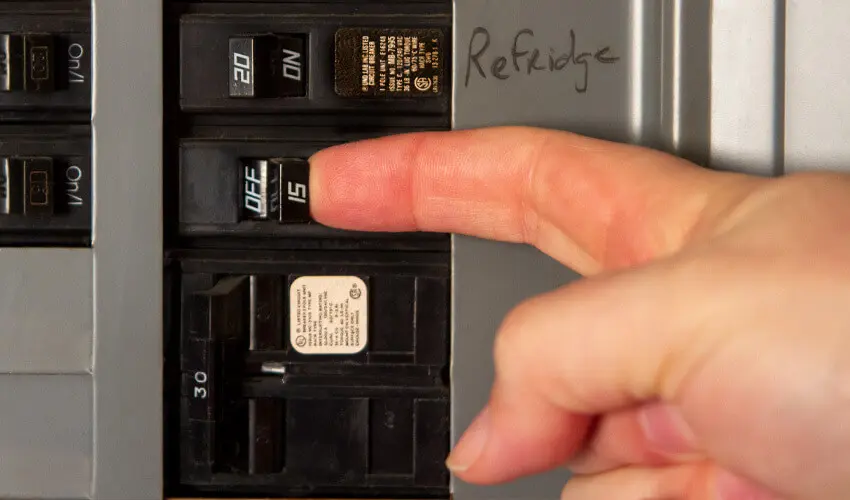
Credit: www.mrappliance.com
Final Thoughts
A gas stove isn’t just about cooking—it’s a mix of gas and electricity, and the right wiring matters. While some stoves can share circuits, a dedicated circuit is usually smarter. It boosts safety, supports upgrades, and keeps your kitchen running smoothly.
Always check your stove’s manual, follow local codes, and consider professional installation for peace of mind. Investing in safe wiring today protects your home and family for years to come.