
Is Murphy Oil Soap Good For Kitchen
For many people, the kitchen is the heart of the home. It is where we cook, eat, laugh, and sometimes, make messes. Keeping this space clean is important—not just for appearance, but for health and comfort too. With so many cleaning products available, it is easy to feel confused about what works best. One product that often comes up in conversation is Murphy Oil Soap. But is Murphy Oil Soap good for kitchen cleaning?
If you are wondering whether this classic wood cleaner is right for your kitchen surfaces, you are not alone. This article will give you a clear, detailed answer. We will look at what Murphy Oil Soap is, what it contains, where it works well (and where it does not), and what other options you might want to consider.
You will learn practical tips, see real comparisons, and discover insights most people miss. Let’s explore whether Murphy Oil Soap deserves a place in your kitchen cleaning routine.
What Is Murphy Oil Soap?
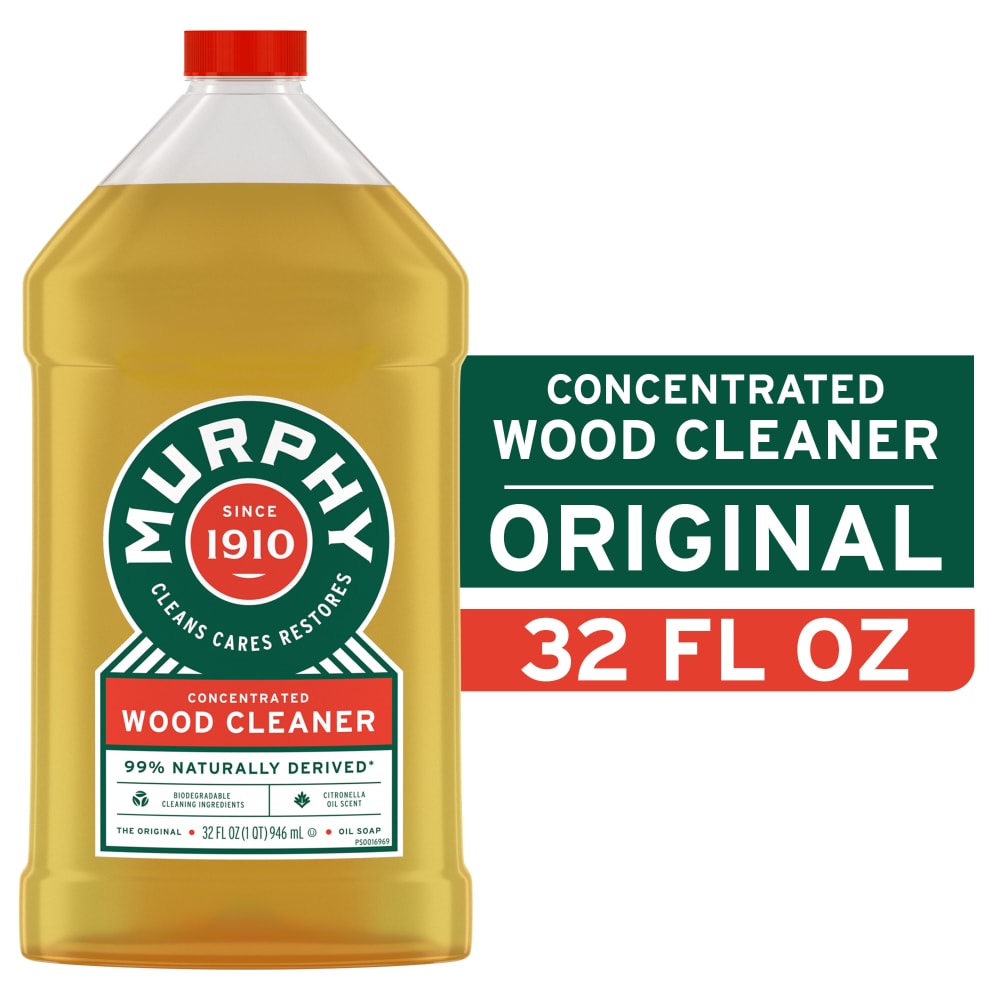
Murphy Oil Soap is a cleaning product that has been trusted for over 100 years. It is best known as a gentle cleaner for wood. The main ingredient is vegetable oil soap (commonly called “oil soap”). This gives it a reputation for being safe and effective on wood surfaces.
Today, Murphy Oil Soap is produced by the Colgate-Palmolive Company. The classic formula is a yellow liquid with a mild, fresh scent. It is used in homes, schools, and even museums to clean wood without leaving behind a dull or sticky residue.
Many people love Murphy Oil Soap because it does not contain harsh chemicals like ammonia or bleach. Instead, it uses a blend of natural oils and mild detergents to lift dirt and grease. But is this the best choice for kitchen cleaning?
The answer depends on your needs and the types of surfaces you want to clean.
Ingredients And How Murphy Oil Soap Works
To understand if Murphy Oil Soap is good for kitchen use, it helps to know what is inside and how it works.
Main Ingredients:
- Potassium vegetable oil soap (from coconut and/or soy)
- Water
- Fragrance
- Preservative (to keep it from going bad)
- Small amount of surfactant (helps remove grease)
Unlike many all-purpose cleaners, Murphy Oil Soap does not contain:
- Bleach
- Ammonia
- Alcohol
- Abrasives
This makes it gentle, but also means it does not kill germs or bacteria like some disinfectants. The oil soap loosens dirt and grime, especially on wood, and helps wipe it away without damaging the surface.
How it Works:
When mixed with water, Murphy Oil Soap creates a mild solution. The soap molecules surround grease and dirt, helping to lift them off the surface. With a sponge or cloth, you can wipe away the mess without scratching or leaving streaks.
One important thing: Murphy Oil Soap is not a disinfectant. If you need to kill bacteria or viruses, you must use a separate disinfecting product after cleaning.
Where Murphy Oil Soap Works Best In The Kitchen
Murphy Oil Soap shines when used on certain kitchen surfaces, but is less ideal for others. Here’s where it works well:
1. Wood Cabinets
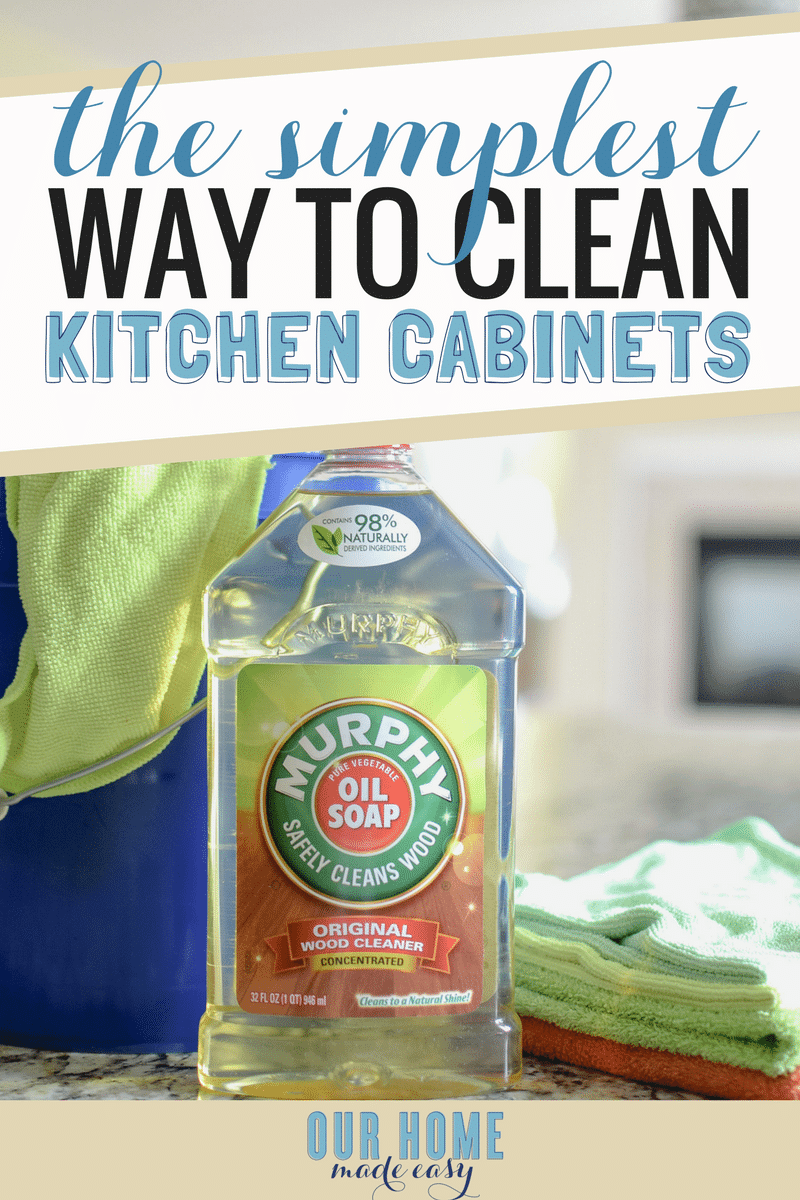
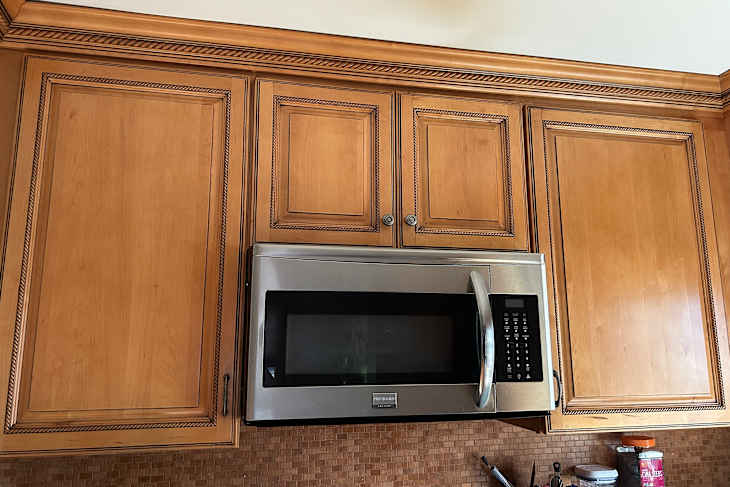
Murphy Oil Soap is famous for cleaning wood cabinets. It removes grease, dust, and fingerprints without drying out or damaging the finish. Use it diluted with water (follow label instructions) and wipe with a soft cloth.
2. Wood Floors
If you have hardwood floors in your kitchen, Murphy Oil Soap is a gentle cleaner. It lifts dirt but does not leave a sticky residue. Always wring out your mop well—too much water can harm wood.
3. Wood Furniture
Wooden tables, chairs, or stools in the kitchen can look new again with a Murphy Oil Soap cleaning. It is safe for varnished, painted, or oiled wood.
4. Paneling Or Wood Trim
For wood paneling or trim around doors and windows, Murphy Oil Soap helps remove kitchen smoke, grease, and dust.
Here is a quick reference for surfaces in your kitchen:
| Surface | Murphy Oil Soap Safe? | Notes |
|---|---|---|
| Wood Cabinets | Yes | Use diluted; wipe dry |
| Hardwood Floors | Yes | Don’t use excess water |
| Wood Furniture | Yes | Test first on small area |
| Stone/Granite Counters | No | May leave film; not recommended |
| Laminates (Formica) | Limited | Can use, but not best choice |
| Stainless Steel | No | Leaves streaks; use dedicated cleaner |
| Tile Backsplash | Yes | Rinse well after cleaning |
| Appliances (exterior) | No | May cause streaks or residue |
Where Murphy Oil Soap Is Not Recommended
While Murphy Oil Soap is safe for wood, it is not always the best choice for other kitchen surfaces. Using it on the wrong material can lead to film, streaks, or even damage. Here are surfaces to avoid:
1. Granite, Marble, Or Stone Countertops
Natural stone surfaces often have a special seal. Murphy Oil Soap’s oils can leave a cloudy film or break down the seal over time. This makes the counter look dull or even less protected.
2. Stainless Steel Appliances
If you use Murphy Oil Soap on the outside of your fridge, oven, or dishwasher, it may leave streaks or a sticky feel. Stainless steel needs a cleaner made for metal.
3. Laminate Counters
While not harmful, Murphy Oil Soap is not the best for laminate. It can leave a film or dull the finish. There are better choices for laminate, like simple dish soap and water.
4. Glass And Mirrors
Murphy Oil Soap can leave streaks or haze on glass. Use a glass cleaner instead.
5. Unsealed Or Worn Wood
If your wood is raw (not finished) or has a damaged finish, oil soap can soak in and darken the wood or cause uneven spots.
6. Kitchen Sink
Most kitchen sinks are stainless steel or porcelain. Murphy Oil Soap is not effective at removing hard water stains or disinfecting these surfaces.
How To Use Murphy Oil Soap In The Kitchen
If you decide Murphy Oil Soap is right for your kitchen, here’s how to get the best results:
1. Dilute Properly
For most cleaning, mix 1/4 cup of Murphy Oil Soap with 1 gallon of warm water. This solution is safe and effective for wood and tile.
2. Use A Soft Cloth Or Sponge
Dip your cloth or mop into the solution, wring it out well, and wipe the surface. Avoid soaking wood with too much water.
3. Rinse If Needed
If you are cleaning tile or other non-wood surfaces, rinse with clean water to avoid soap residue.
4. Dry The Surface
Wipe dry with a clean towel, especially on wood, to prevent water damage.
5. Test First
If you are unsure, test Murphy Oil Soap on a small, hidden spot. Wait for it to dry and check for any changes in color or texture.
Practical Example:
Suppose you have sticky grease on your kitchen cabinets above the stove. Mix your solution, wipe the area gently, rinse with a clean, damp cloth, and dry. The sticky residue should be gone, and the wood will look clean and natural.
Pros And Cons Of Using Murphy Oil Soap In The Kitchen
Every cleaning product has strengths and weaknesses. Here’s a clear look at what Murphy Oil Soap offers—and where it falls short.
| Pros | Cons |
|---|---|
| Gentle on wood surfaces | Not a disinfectant |
| Leaves natural shine | May leave residue on non-wood surfaces |
| Mild scent | Can cause streaks on glass or metal |
| No harsh chemicals | Not for all countertops |
| Biodegradable formula | Requires rinsing on some surfaces |
| Trusted brand history | May darken unfinished wood |
Non-obvious insight:
Many new users do not realize that the “oil” in Murphy Oil Soap does not add oil to your wood. It means the soap is made from vegetable oils, not that it leaves an oily layer behind.
Another point: Always follow up with a disinfectant if you are cleaning areas where raw meat or eggs have touched, as Murphy Oil Soap will not kill germs.
Murphy Oil Soap Vs. Other Kitchen Cleaners
You might wonder how Murphy Oil Soap compares to other kitchen cleaners. Is it better, safer, or more effective? Let’s look at a few common options:
Murphy Oil Soap Vs. All-purpose Cleaners
All-purpose cleaners are made to work on many surfaces. Most contain stronger chemicals to dissolve grease and disinfect. They are good for countertops, sinks, appliances, and more.
- Murphy Oil Soap: Best for wood, gentle, non-toxic, not a disinfectant.
- All-purpose cleaner: Good for most hard surfaces, often disinfects, may be too harsh for wood.
Murphy Oil Soap Vs. Dish Soap
Dish soap is a gentle cleaner, safe for most kitchen surfaces. It works well on dishes, counters, and even some cabinets.
- Murphy Oil Soap: Better for wood, leaves a natural finish.
- Dish soap: Cheap, easy, safe for most surfaces, but not as conditioning for wood.
Murphy Oil Soap Vs. Specialty Cleaners
There are cleaners made just for granite, stainless steel, tile, etc. These are often the best choice for those surfaces.
- Murphy Oil Soap: Not for stone or metal.
- Specialty cleaner: Designed for one surface, usually more effective, but more expensive.
Quick Comparison Table:
| Cleaner | Best For | Drawbacks |
|---|---|---|
| Murphy Oil Soap | Wood cabinets, wood floors, wood furniture | Not a disinfectant, not for stone or metal |
| All-purpose cleaner | Counters, sinks, appliances | Can be harsh on wood |
| Dish soap | Dishes, counters, some cabinets | Not conditioning for wood |
| Granite cleaner | Stone countertops | More expensive, one use |
| Stainless steel cleaner | Appliances, sinks | Not for wood or stone |
How Safe Is Murphy Oil Soap For Kitchen Use?
Most people choose Murphy Oil Soap because it is seen as a safe, non-toxic option. Let’s look closer at its safety profile.
For People
Murphy Oil Soap is labeled as biodegradable and free from harsh chemicals. It is considered safe for adults, children, and pets when used as directed. However, it is not food-safe—do not use on surfaces where food will touch directly (like cutting boards).
If someone swallows a small amount or gets it on their skin, it usually causes only mild irritation. Wash skin with water and seek medical help if swallowed in large amounts.
For The Environment
Murphy Oil Soap breaks down in the environment and does not add harmful chemicals to water or soil. This makes it a better choice than cleaners with bleach or ammonia.
For Kitchen Surfaces
It is safe for sealed wood, tile, linoleum, and vinyl. Avoid on raw wood, stone, or metal as noted above.
Non-obvious insight:
Many people try Murphy Oil Soap on sticky cabinets with years of grease buildup. It works well for mild messes but may not be strong enough for thick, old grease. In those cases, you may need to use a stronger degreaser first, then switch to Murphy Oil Soap for regular cleaning.
Credit: www.ourhomemadeeasy.com
Real-world Reviews And Experiences
To understand how Murphy Oil Soap works in real kitchens, it helps to hear from people who use it. Reviews are mostly positive, especially for wood.
What people like:
- Leaves cabinets and floors looking “like new”
- Smells clean without being strong
- Easy to use and affordable
- Does not irritate skin or nose
Complaints:
- Does not remove heavy grease as fast as other cleaners
- Leaves streaks on stainless steel and glass
- Can darken old, unfinished wood
Example:
One homeowner used Murphy Oil Soap to clean kitchen cabinets after years of cooking. She found it removed sticky grease and restored shine, but took more time and effort than a heavy-duty degreaser. Another user tried it on a granite counter and was disappointed by the cloudy film left behind.
Tip:
If you have a mix of wood and other materials in your kitchen, keep Murphy Oil Soap for wood surfaces. Use a different cleaner for stone, metal, and glass.
Common Mistakes When Using Murphy Oil Soap In The Kitchen
Even though Murphy Oil Soap is easy to use, there are a few common mistakes people make:
1. Using It Undiluted
The cleaner is strong enough when mixed with water. Using it straight from the bottle can leave a sticky film.
2. Using On The Wrong Surface
It is not made for granite, stainless steel, or glass. Stick to wood and tile.
3. Not Rinsing When Needed
On tile or vinyl, rinse after cleaning to prevent buildup.
4. Using Too Much Water On Wood
Water can damage wood. Always wring out your mop or cloth well.
5. Expecting It To Disinfect
Murphy Oil Soap cleans dirt and grease, but does not kill germs. Use a disinfectant when needed.
Practical advice:
Write “Murphy Oil Soap—wood only” on your bottle to remind yourself and your family.
Murphy Oil Soap And Disinfection In The Kitchen
One question that often comes up: “Is Murphy Oil Soap enough to keep my kitchen safe?” The answer depends on what you mean by “safe.”
Murphy Oil Soap is a cleaner, not a disinfectant. It removes dirt, grease, and some bacteria by wiping them away, but it does not kill bacteria or viruses. For most daily cleaning, this is enough. But after handling raw meat, poultry, or eggs, you need a disinfectant to kill germs.
What to do:
- Clean with Murphy Oil Soap to remove dirt and grease.
- Wipe with a kitchen disinfectant spray (check that it is safe for your surface).
- Rinse if needed, especially on food-contact surfaces.
Non-obvious insight:
Some people think “natural” cleaners are always safe. But “natural” does not mean “disinfectant. ” Always read labels and use the right product for your needs.
Murphy Oil Soap For Special Kitchen Situations
Murphy Oil Soap can be helpful in some special cleaning tasks:
Cleaning Greasy Range Hoods
Wood range hoods can get very greasy. Murphy Oil Soap can cut through light grease without harming the finish. Wipe with a damp cloth, rinse, and dry.
Cleaning Sticky Drawers
Kitchen drawers sometimes get sticky from spilled food or oils. Remove the drawer, clean with Murphy Oil Soap, rinse, and dry before replacing.
Restoring Old Wood Trim
If your kitchen has old wood trim, Murphy Oil Soap can help clean and restore shine. Do a small test first to check for color changes.
Extra tip:
Do not use Murphy Oil Soap on butcher block counters or cutting boards. These need a food-safe cleaner and oil.
How To Store And Handle Murphy Oil Soap
Storing Murphy Oil Soap is simple. Keep it in its original bottle, tightly closed, and away from children and pets. Store in a cool, dry place—do not freeze.
If the bottle is old or the soap looks separated, shake well before use. Discard if it smells bad or has changed color.
Handling tips:
- Wear gloves if you have sensitive skin.
- Rinse your hands after use.
- Do not mix with other cleaners.
Murphy Oil Soap: Is It Worth The Cost?
Murphy Oil Soap is affordable and lasts a long time because you use it diluted. A single bottle can last months, even with regular use. Compared to specialty cleaners, it is a good value for wood surfaces.
Average price:
A 32-ounce bottle costs around $4–$6 in the US (as of 2024). Since you mix it with water, the real cost per use is very low.
Non-obvious insight:
Many people keep Murphy Oil Soap just for their cabinets or wood floors and use other cleaners elsewhere. You do not need to buy a big set of cleaners for your kitchen if you know what each one is for.
Murphy Oil Soap And Allergies Or Sensitivities
Some people worry about allergies or sensitivities to cleaning products. Murphy Oil Soap has a mild scent and does not contain common allergens like bleach or ammonia. However, it does have a fragrance and plant oils.
If you have asthma, sensitive skin, or allergies, test a small amount first. Open windows for extra ventilation if you are sensitive to scents.
When To Choose Murphy Oil Soap—and When Not To
Best times to use Murphy Oil Soap:
- You have wood cabinets, floors, or trim in your kitchen.
- You want a gentle, non-toxic cleaner.
- You do not need to disinfect.
- You dislike strong chemical smells.
When to choose something else:
- You need to kill germs (after handling raw food).
- You have mostly stone, stainless steel, or laminate surfaces.
- You want a streak-free shine on glass or metal.
Experience-based guidance:
Many homeowners keep more than one cleaner. Murphy Oil Soap for wood; all-purpose cleaner or disinfectant for other surfaces. This gives you the best results, keeps your kitchen safe, and protects your investment in wood cabinets or floors.
Credit: www.thekitchn.com
Environmental Impact And Murphy Oil Soap
Murphy Oil Soap is considered environmentally friendly compared to many kitchen cleaners. It is biodegradable and does not pollute water or soil when used as directed.
However, do not pour large amounts down the drain. Always dilute, and use only as much as you need. Recycle the bottle if possible.
For more information about safe cleaning and the environment, see the EPA Safer Choice Program.
Frequently Asked Questions
Is Murphy Oil Soap Safe For Kitchen Cabinets?
Yes, Murphy Oil Soap is safe for wood kitchen cabinets if used as directed. Always dilute with water and wipe dry after cleaning. Test a small spot first if your cabinets are old or have a special finish.
Can I Use Murphy Oil Soap On My Granite Countertop?
No, do not use Murphy Oil Soap on granite, marble, or other stone countertops. It can leave a cloudy film and may harm the protective seal. Use a cleaner made for stone instead.
Does Murphy Oil Soap Kill Bacteria And Viruses?
No, Murphy Oil Soap is not a disinfectant. It removes dirt and some bacteria, but does not kill germs. For disinfecting, use a kitchen-safe disinfectant after cleaning.
Will Murphy Oil Soap Leave My Kitchen Floor Slippery?
If used as directed and wiped dry, Murphy Oil Soap should not leave wood or tile floors slippery. Using too much or not rinsing can cause a slick surface, so follow instructions carefully.
Is Murphy Oil Soap Safe For Homes With Pets And Children?
Yes, Murphy Oil Soap is safe for homes with pets and children when used as directed. Store the bottle out of reach, and rinse surfaces that pets or children touch often.
Keeping your kitchen clean is important, but so is choosing the right product for each surface. Murphy Oil Soap is a gentle, trusted choice for wood in your kitchen. It is not a do-it-all cleaner, but when used correctly, it can help your kitchen look its best for years to come.
Credit: www.marianos.com