
Boiling Water On A Gas Stove: The Complete Guide
Watching water boil is a simple moment, but the process behind it is more interesting than most people think. Many kitchens around the world use gas stoves every day to heat water. Whether you need hot water for tea, cooking pasta, or sterilizing utensils, knowing how to boil water on a gas stove the right way makes a difference. This guide explains every detail you need, from the science of boiling, to safety, energy use, and smart tips. If you’ve ever wondered how to boil water faster or safer, or how gas compares to electric heat, you’ll find clear answers here.
Understanding Boiling Water
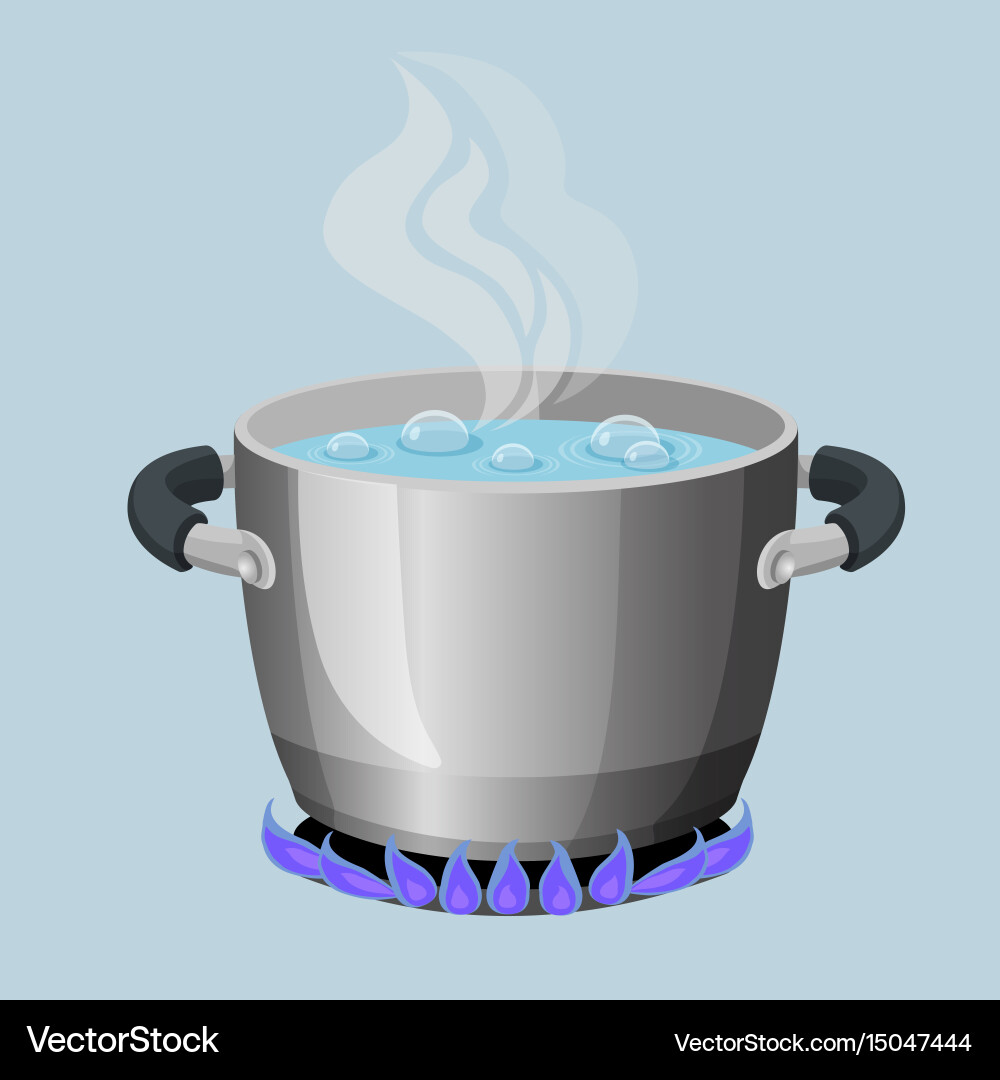
Water boils when it turns from a liquid to a gas (steam) at 212°F (100°C) at sea level. On a gas stove, a flame heats the bottom of the pot, raising the water’s temperature. As the water molecules move faster, bubbles form and rise to the surface.
Several factors affect boiling:
- Altitude: Higher places have lower air pressure, so water boils at a lower temperature.
- Impurities: Adding salt or sugar can change boiling behavior.
- Pot material and size: Metal type and pot thickness affect heat transfer.
Many people assume water always boils at the same temperature, but at 7,500 feet above sea level, water boils closer to 198°F (92°C). This means cooking times can change with elevation.
Why Use Gas For Boiling Water?
Gas stoves are common in homes worldwide. Here’s why many cooks prefer gas for boiling:
- Immediate heat control: Flames adjust instantly, so you can raise or lower the temperature quickly.
- Even heating: Flames spread under the pot for more uniform heating.
- Power outages: Gas can work even when electricity is out.
However, gas isn’t perfect. Heat can escape around the pot, and using the wrong pot or method wastes energy. Understanding these details helps you make better choices in your kitchen.

Credit: www.shutterstock.com
Step-by-step: Boiling Water On A Gas Stove
Boiling water is simple, but small steps can improve speed, safety, and energy use. Follow these steps:
- Choose the Right Pot: Use a pot with a flat, heavy bottom. Metal pots like stainless steel or aluminum transfer heat well. Avoid very thin pots, as they may warp or heat unevenly.
- Fill with Water: Pour in only the amount you need. More water takes longer to boil. Use cold tap water for best taste and safety.
- Cover with a Lid: Placing a lid on the pot traps heat, making water boil faster and using less energy.
- Place on the Burner: Center the pot on a burner that matches its size. Flames should not lick up the sides of the pot.
- Turn on the Gas: Light the burner and adjust the flame so it stays under the pot, not around it. A medium-high setting is usually best.
- Wait and Watch: Small bubbles appear on the pot’s sides first (this is called “simmering”). When the water has large, rolling bubbles all over, it is boiling.
- Turn Off the Gas: When the water boils, turn off the flame before removing the pot. This is safer and saves energy.
- Use the Water Safely: Pour slowly to avoid splashing. Use potholders if the pot is hot.
Common Beginner Mistakes
- Using too much water—this wastes time and energy.
- Boiling without a lid—the process is much slower.
- Setting the flame too high—heat escapes around the pot.
How Long Does It Take To Boil Water On Gas?
The time depends on water amount, pot material, flame size, and starting temperature. On average:
- 1 liter (about 4 cups) of water in a covered pot takes 4–7 minutes to boil on a typical home gas stove.
- Thicker pots may add 1–2 minutes.
- Without a lid, boiling can take up to 30% longer.
Here’s a quick comparison:
| Water Amount | Pot Material | With Lid (min) | Without Lid (min) |
|---|---|---|---|
| 1 liter | Stainless Steel | 5 | 7 |
| 2 liters | Aluminum | 9 | 12 |
| 500 mL | Glass | 3 | 4 |
This table shows how both pot material and using a lid matter. For boiling more than 2 liters, using a kettle or electric boiler may save time.
Which Pot Or Kettle Is Best For Boiling On Gas?
Choosing the right pot or kettle helps you boil water quickly and safely. Here are the main types:
- Stainless steel: Durable, heats evenly, easy to clean.
- Aluminum: Heats up quickly, lightweight, but can warp if very thin.
- Copper-bottom: Excellent heat transfer but needs more care.
- Glass: Lets you see the water, but heats slower and can break if dropped.
- Whistling kettles: Designed for boiling water, and the whistle alerts you when it’s ready.
Not all pots are suitable for gas. Avoid plastic handles or nonstick coatings that can melt or release fumes. Use handles with care, as metal can get hot.
Quick Comparison Of Pot Materials
| Material | Heat Transfer | Durability | Easy to Clean |
|---|---|---|---|
| Stainless Steel | Good | Excellent | Yes |
| Aluminum | Very Good | Good | Yes |
| Copper Bottom | Excellent | Medium | Needs Polishing |
| Glass | Poor | Fragile | Yes |
Gas Vs Electric: Which Is Better For Boiling Water?
People often wonder if gas or electric stoves are better for boiling water. Each type has pros and cons.
Benefits Of Gas
- Heats up instantly.
- Easier to control the flame.
- Works during power outages.
Downsides Of Gas
- Heat loss around the pot.
- May be less efficient if the pot is too small.
- Produces more indoor air pollution.
Benefits Of Electric
- More consistent heat.
- Less heat escapes into the room.
- Easier to clean flat surfaces.
Downsides Of Electric
- Slower to heat up.
- Less control over temperature changes.
- Doesn’t work during power outages.
Efficiency Comparison
Studies show that gas stoves convert about 40% of their energy into heat for the pot, while electric stoves reach up to 74%. However, the speed and control of gas often make it the choice for quick boiling.
Saving Energy When Boiling Water On Gas
Using a gas stove can be efficient if you follow some energy-saving tips:
- Use a lid: Traps heat and reduces boiling time by 20–30%.
- Choose the right burner: Match pot size to burner size to avoid wasted heat.
- Don’t overfill: Boil only the amount you need.
- Keep pots clean: Grease or soot on the bottom reduces heat transfer.
- Start with warm water: If safe, use warm tap water to reduce boiling time.
A common insight: Many people forget to clean the pot’s bottom, but a shiny, clean surface transfers heat better. Dirty pots can waste up to 10% more gas.
Safety Tips For Boiling Water On Gas
Gas stoves are safe if used carefully, but they do have risks. Here’s how to stay safe:
- Never leave boiling water unattended. Pots can boil dry quickly.
- Turn pot handles inward so they don’t stick out, reducing the chance of knocking the pot over.
- Watch for gas leaks. If you smell gas, turn off the stove and open a window.
- Use oven mitts or potholders when handling hot pots.
- Keep flammable items away (towels, paper, curtains).
If you notice yellow flames or soot, the burner may need cleaning. Blue flames are normal and show good combustion.
Boiling For Different Purposes
Boiling water is not just for drinking. Here are some common uses and what you need to know for each:
Making Tea Or Coffee
For tea, use freshly boiled water, but let it cool slightly for green or white teas (about 175–185°F). Coffee may need slightly cooler water to avoid bitterness.
Cooking Pasta Or Rice
Add salt to the water after it starts boiling. This prevents pitting in metal pots and helps seasoning.
Sterilizing
To kill bacteria, boil water for at least one minute (three minutes at high altitudes). This is useful for baby bottles or medical tools.
Cleaning
Boiling water can remove tough stains or disinfect surfaces. Pour carefully to avoid burns.
Common Myths About Boiling Water On Gas
Many kitchen myths exist about boiling water. Let’s look at the facts:
- “Hot tap water boils faster than cold.” False—cold water boils just as quickly, but hot tap water may contain more minerals or metals.
- “Salt makes water boil faster.” False—salt raises the boiling point slightly, but not enough to matter for most home cooking.
- “Big flames boil water faster.” Not always—if flames go up the pot’s sides, heat is wasted.
How To Boil Water Faster
If you’re in a hurry, try these strategies:
- Use a wider, shallow pot: More surface area means faster heating.
- Start with hotter tap water (if safe to drink).
- Always use a lid.
- Don’t overload the pot—boil in batches if needed.
- Preheat the pot for a few seconds before adding water (if it’s safe for your pot type).
Surprisingly, the pot’s shape matters more than most people realize—a wide, shallow pot boils water faster than a tall, narrow one.
Environmental Impact Of Boiling Water On Gas
Using gas for boiling water has an environmental cost. Natural gas produces carbon dioxide and some indoor air pollution. If you boil water often, consider these points:
- Use only the amount you need to save fuel.
- Keep your burner clean for better efficiency.
- Vent your kitchen if possible to reduce indoor air pollution.
For those who want to reduce their carbon footprint, electric kettles (especially with renewable energy) or induction cooktops are even more efficient.
Troubleshooting: When Boiling Takes Too Long
If your water takes longer than expected to boil, check these points:
- The burner may be dirty or blocked.
- Pot may be too thick or too full.
- Room temperature could be very cold.
- High altitude lowers boiling temperature.
- The flame may be too low or heat is escaping.
Another non-obvious insight: If your gas flame is orange or yellow instead of blue, it’s not burning efficiently. Have your stove serviced for better performance.
Alternative Ways To Boil Water
Though gas is popular, there are other ways to boil water:
- Electric kettle: Extremely fast and efficient for small amounts.
- Induction stove: Uses magnetic energy, very efficient.
- Microwave: Not ideal for large amounts but works in a pinch.
- Solar kettle: For off-grid or emergency use.
Gas remains the most flexible, especially in areas without steady electricity.
Cleaning And Maintenance After Boiling
After boiling water, take care of your pot and stove:
- Dry the pot to prevent mineral stains.
- Clean any spills right away.
- If you boiled hard water, descale your pot with vinegar every few weeks.
- Check the burner for food or soot buildup.
A well-maintained stove and pot not only last longer but also use less gas over time.
Costs: How Much Gas Do You Use?
Boiling water on gas is fairly cheap, but here’s a rough estimate:
- A typical gas burner uses about 7,000–9,000 BTUs per hour.
- Boiling 1 liter of water uses about 0.03 cubic meters (1.06 cubic feet) of gas.
- At average US prices, boiling a liter of water costs less than 1 cent.
These numbers can vary, but using a lid and the right pot keeps costs low.
When To Replace Your Pot Or Kettle
Look out for these signs that you need a new pot or kettle:
- Warped or uneven bottom (pot doesn’t sit flat).
- Rust or corrosion.
- Loose handles.
- Cracked glass.
- Nonstick coating is peeling.
Cooking with damaged pots is unsafe and less efficient.
Special Considerations: Boiling Water For Babies
If you’re boiling water for baby formula or bottles:
- Use clean, filtered tap water.
- Let water boil for at least one minute.
- Cool before use to avoid burns.
- Store boiled water in a sterile, sealed container.
Boiling water destroys most bacteria and viruses, making it safe for infants.
Real-world Example: Boiling Water For Pasta
Suppose you want to cook pasta for four people.
- Fill a large pot with 4–5 liters of water.
- Cover and place on a large burner.
- After about 12–14 minutes, the water should reach a rolling boil.
- Add salt, then pasta.
If you use a lid and a pot that fits the burner, you’ll use less gas and have your pasta ready faster. Without a lid, you could waste up to 30% more energy.
How Boiling Water On Gas Differs Around The World
Different countries use different types of gas: natural gas (methane) or liquefied petroleum gas (propane/butane). Cooking times and stove types can vary.
- In Europe, small gas canisters are common in tiny kitchens.
- In Asia, portable gas stoves are used for hot pot and tabletop cooking.
- In North America, built-in gas ranges are most common.
The principles of heat transfer and safety are the same everywhere.
Science: What Happens To Water As It Boils?
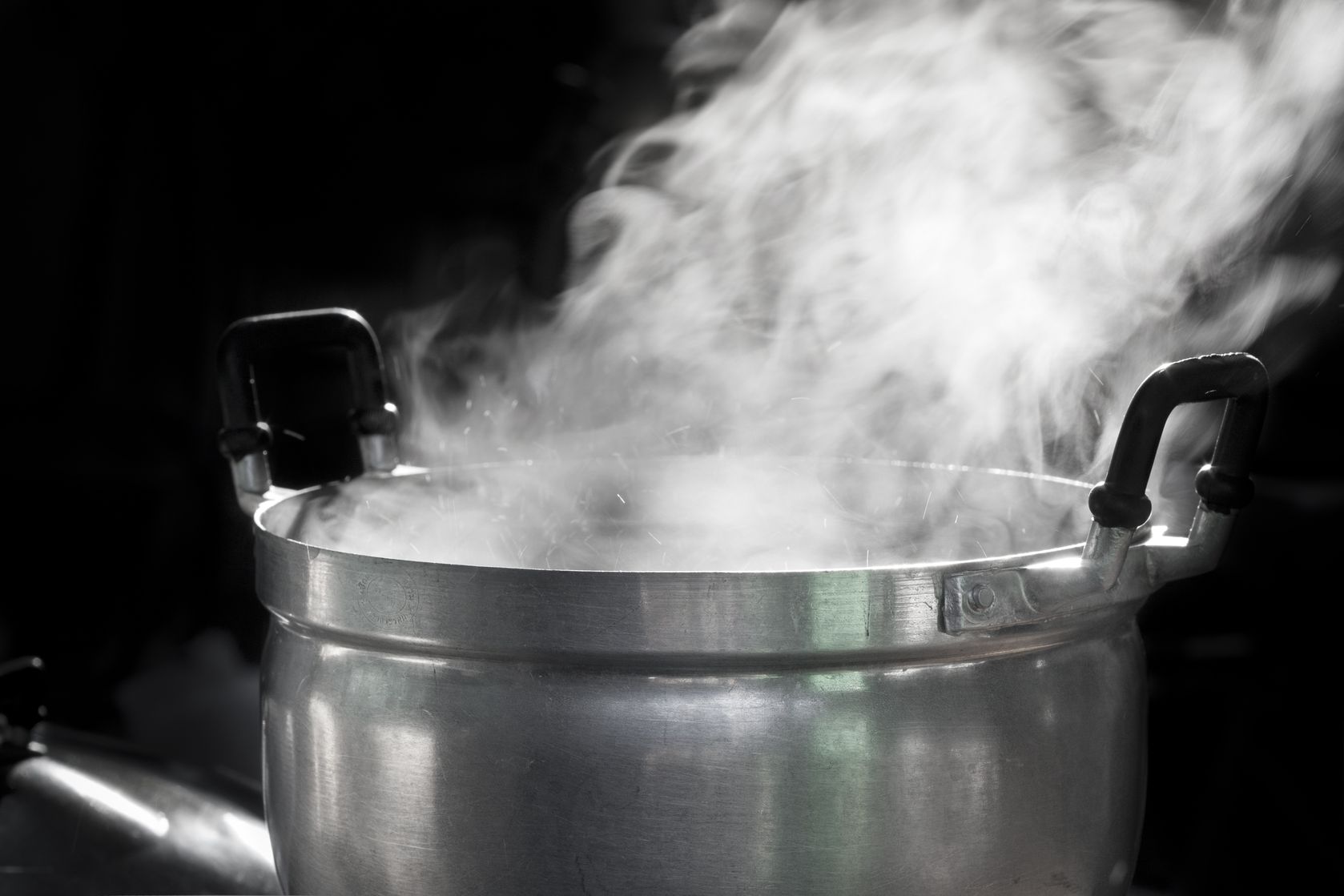
When you heat water, energy makes molecules move faster. At boiling point, bubbles of water vapor form at the bottom and rise. The temperature stays steady at 212°F (100°C) until all the water is gone. This is why adding more heat only makes water boil away faster, not hotter.
If you add salt, the boiling point goes up a little (by about 1. 8°F for every 58 grams of salt per liter), but this is rarely enough to change home cooking times.
Fun Fact: Why Does A Kettle Whistle?
As water boils, steam pressure builds up inside the kettle. The steam escapes through a small hole, causing the whistle sound. This is both a safety feature and a convenient signal that your water is ready.
When Not To Boil Water On Gas
There are times when gas isn’t ideal:
- If you need to boil small amounts often, an electric kettle saves time and energy.
- In poorly ventilated spaces, use electric or induction to reduce air pollution.
- If your gas stove is malfunctioning or leaking, do not use it for boiling.
Environmental And Health Concerns
Natural gas stoves release nitrogen dioxide, carbon monoxide, and other chemicals. Prolonged exposure can affect respiratory health, especially in children or people with asthma. Always ventilate your kitchen when boiling water on gas.
A recent study by the California Air Resources Board found that cooking on gas can increase indoor air pollution levels above recommended health limits. For more, see this Wikipedia article on indoor air quality.
Credit: www.sciencelearn.org.nz
Practical Tips For Everyday Boiling
- Boil extra water if you plan to use it soon (for tea, cleaning, or cooking).
- Store cooled, boiled water in clean bottles for later.
- Always check the pot’s water level before turning on the burner.
- Use timers or smart devices to remind you when water is boiling.
Frequently Asked Questions
Why Does My Water Sometimes Look Cloudy After Boiling?
Cloudiness is usually from minerals in “hard water. ” These are harmless and will settle to the bottom. If you want clear water, use a water filter before boiling.
Is It Safe To Leave Water Boiling Unattended?
No. Boiling water can overflow, boil dry, or even cause a fire if left too long. Always stay nearby and turn off the gas when you’re done.
Can I Use Any Pot On A Gas Stove?
Most metal and glass pots are safe, but avoid pots with plastic handles or nonstick coatings unless labeled safe for high heat. Make sure the pot sits flat on the burner for best results.
What Should I Do If I Smell Gas While Boiling Water?
Turn off the burner immediately, open windows, and do not use electrical switches or flames. Call your gas company or emergency services for help.
How Do I Clean A Pot After Boiling Water With Lots Of Minerals?
Fill the pot with equal parts water and vinegar, boil for a few minutes, let cool, then scrub gently. Rinse well. This removes most mineral buildup.
Boiling water on a gas stove is a simple task, but a little knowledge helps you do it faster, safer, and more efficiently. Whether you’re making tea or preparing baby formula, following these tips ensures hot water is always ready when you need it.
Credit: www.vectorstock.com