
Many people reach for a can of cooking spray when frying eggs or baking cookies. It feels quick, clean, and easy—just a few sprays, and food doesn’t stick. But have you ever wondered, is cooking spray bad for you? Or is it a smart shortcut in the kitchen?
This question isn’t just about health—it’s also about understanding what’s really inside that spray, how it behaves when heated, and whether it’s as safe as it seems.
Let’s dig deep and look at the facts. We’ll explore what cooking spray is made of, how it affects your health, and compare it with other ways to grease your pan. We’ll uncover myths and highlight facts that most beginners miss.
By the end, you’ll know how to use cooking spray wisely—or if you should avoid it altogether.
What Is Cooking Spray?
Before talking about health, it’s important to know exactly what’s in that can.
Cooking spray is an aerosol product. It’s designed to coat pans and baking dishes with a thin, even layer of oil. The main reason people use it is to prevent food from sticking, with fewer calories than pouring oil.
Most cooking sprays contain:
- Vegetable oil (such as canola, soybean, or olive oil)
- Lecithin (an emulsifier that helps oil and water mix)
- Propellants (gases like butane, propane, or nitrous oxide used to spray the oil)
- Antifoaming agents (such as dimethyl silicone, to reduce foam when cooking)
- Sometimes flavorings or additives (like butter flavor or color)
Some newer sprays claim to be all-natural or propellant-free, but most use a similar formula.
Cooking Spray Ingredients Breakdown
Let’s look closer at a typical can:
- Oil: Provides the nonstick effect.
- Lecithin: Keeps the oil spread evenly.
- Propellant: Pushes the oil out as a fine mist.
- Dimethyl silicone: Prevents splattering and foaming.
Many people are surprised to learn that these sprays are not just oil—they’re a mix of chemicals that make the spray work.
How Does Cooking Spray Work?
Cooking spray is pressurized inside a can. When you press the nozzle, the propellant mixes with the oil and releases a fine mist. This mist coats the pan evenly, using much less oil than pouring from a bottle.
For example, one “serving” (usually about 1/4 second spray) is less than one gram of fat and around 10 calories. Compare this with a tablespoon of oil, which has about 120 calories and 14 grams of fat.
But don’t be fooled—most people use more than the recommended serving, and the can’s label uses small serving sizes for marketing reasons.
Is Cooking Spray Bad For You? The Health Perspective
The answer depends on several factors: the ingredients, how you use it, and what your health priorities are.
The Main Concerns
There are three big questions about cooking spray:
- Are the propellants and additives safe?
- Is using less oil actually healthier?
- Does cooking spray change when heated, and is that dangerous?
We’ll cover each of these in detail.
Propellants And Additives: Are They Safe?
Most store-bought cooking sprays use propellants—compressed gases that help the oil leave the can as a mist. Common examples are butane, propane, and nitrous oxide. These are the same gases used in lighters and whipped cream cans.
Are Propellants Harmful?
Regulatory bodies like the FDA say these gases are safe in the tiny amounts left on food. They evaporate quickly when sprayed, so you’re not eating them directly. Still, some people worry about inhaling these gases or about long-term exposure.
Non-obvious insight: The real risk is not eating the propellants but accidentally inhaling them, especially in a poorly ventilated kitchen. This is rare, but you should always spray away from your face and use in a well-aired space.
What About Lecithin And Dimethyl Silicone?
Lecithin is a natural emulsifier found in eggs and soy. It’s considered safe and is used in many foods.
Dimethyl silicone is added to stop foaming and splattering. The FDA allows small amounts in food, and studies have found no evidence of harm in the quantities used in cooking sprays.
Are There Any Additives To Worry About?
Some sprays include artificial flavorings, colors, or preservatives. These are usually safe in small amounts, but people with allergies or sensitivities should check labels carefully.

Credit: chosenfoods.com
Cooking Spray Vs. Oil: Which Is Healthier?
Many people choose cooking spray to cut calories. Is it really better than using traditional cooking oils?
Let’s compare them side by side.
| Cooking Spray (1 sec) | Olive Oil (1 tbsp) | Butter (1 tbsp) | |
|---|---|---|---|
| Calories | 10 | 120 | 102 |
| Total Fat (g) | 1 | 14 | 12 |
| Saturated Fat (g) | 0 | 2 | 7 |
| Cholesterol (mg) | 0 | 0 | 31 |
Cooking spray helps you use less fat, which means fewer calories. That’s great if you’re watching your weight. But here’s what most people miss: in real life, most people spray for much longer than the label suggests. A pan might need 3–5 seconds to coat, which means more calories and fat than you think.
Non-obvious insight: If you spray enough to truly cover a pan, you might use almost as much oil as if you poured a teaspoon from a bottle. The “1-second spray” is much less than most people actually use.
Types Of Cooking Spray
Not all sprays are the same. There are several types:
- Regular (vegetable oil-based): Usually made from canola or soybean oil.
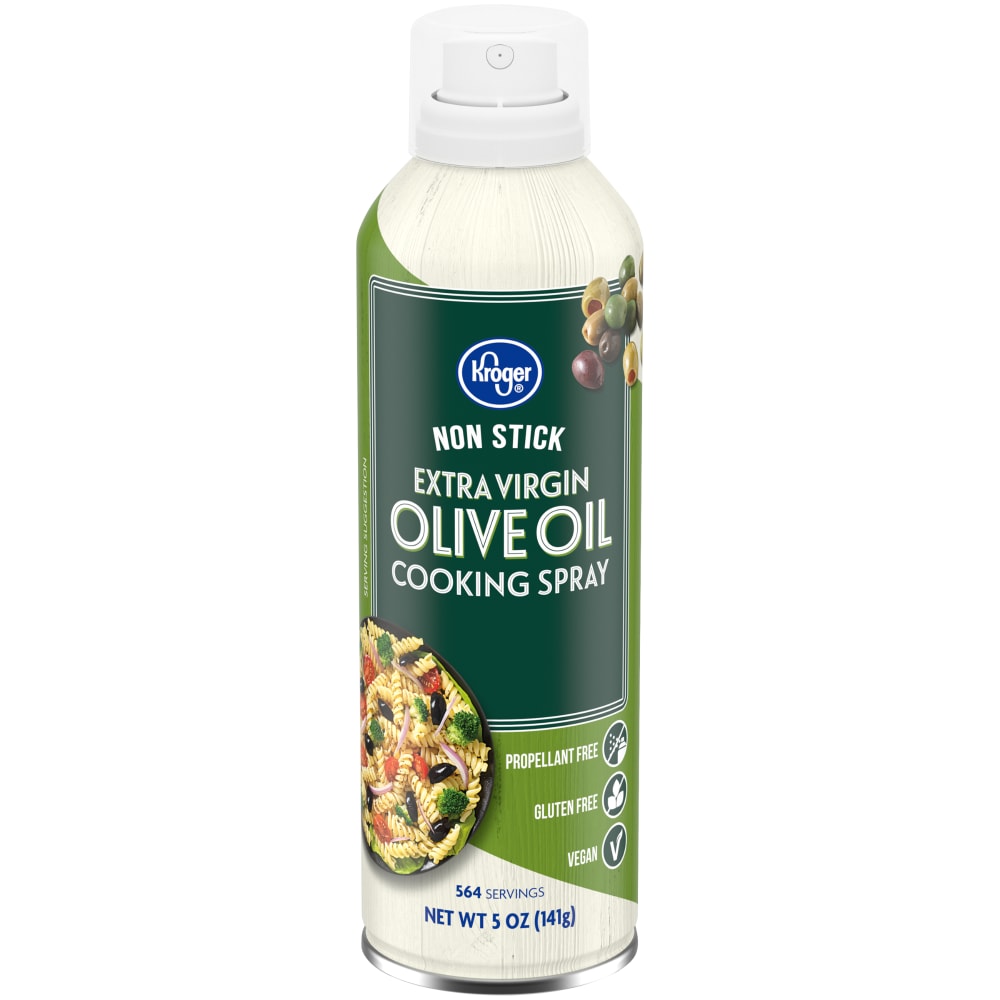
- Olive oil spray: Uses olive oil as the main ingredient.
- Butter-flavored spray: Adds flavor but often contains little or no real butter.
- Coconut oil spray: Popular for high-heat cooking and baking.
- Baking spray: Contains flour for greasing baking pans.
- Propellant-free spray: Uses a pump or bag system instead of compressed gases.
Each type is designed for different uses and flavors, but the health questions are similar.
Cooking Spray And High Heat: Any Dangers?
Many oils can become unhealthy when overheated. They can break down, produce smoke, and release free radicals—unstable molecules that may damage your cells.
Smoke Point Comparison
Here’s a look at smoke points for common oils and sprays:
| Oil Type | Smoke Point (°F) | Typical Use |
|---|---|---|
| Canola (spray or oil) | 400 | Frying, sautéing |
| Olive (spray or oil) | 375 | Roasting, baking |
| Coconut (spray or oil) | 350 | Baking, light frying |
| Butter-flavored spray | 350 | Baking |
| Baking spray (with flour) | 350 | Baking cakes, muffins |
When you use cooking spray at temperatures higher than its smoke point, it can burn and create an unpleasant taste or even harmful compounds. Always check the label and use the right spray for your cooking method.
Cooking Spray And Nonstick Pans
Cooking spray is often used on nonstick pans. But is this a good idea?
Most nonstick pans have a special coating (like Teflon). When you use cooking spray, a residue can build up over time. This sticky layer is hard to remove and can make the pan less nonstick. It can also shorten the life of your pan.
Tip: If you use nonstick pans, try using a small amount of oil or butter instead of spray. Or, use a spray that’s safe for nonstick surfaces (some brands are labeled “for nonstick pans”).
Allergies And Sensitivities
Some sprays contain soy, dairy, or other allergens. Always check the label if you have food allergies.
A few people are sensitive to propellants or certain additives. If you have asthma or lung problems, be careful not to breathe in the spray mist.
Environmental Impact Of Cooking Spray
Cooking spray cans are made of metal and contain propellants. While most are recyclable, the gases used can contribute to air pollution.
Some newer sprays use “bag-on-valve” or pump systems, which don’t use harmful gases. These are better for the environment.
If you want to reduce waste, consider buying oil in a spray bottle or using a refillable oil mister.
Cooking Spray And Diets
Cooking spray is popular among people following low-calorie diets. It’s also used in low-fat cooking and by those trying to eat healthier.
Is It Good For Weight Loss?
Because you use less fat, cooking spray can help you cut calories. But don’t rely on the “zero-calorie” claim—if you spray more than the serving size, calories can add up fast.
Keto And Paleo Diets
If you’re following a keto or paleo diet, look for sprays made with coconut or avocado oil. These fit better with high-fat, low-carb plans.
Common Myths And Misunderstandings
There are many myths about cooking spray. Here are some of the most common:
- Myth: Cooking spray has zero calories.
- Fact: All oils have calories. Sprays just use small serving sizes to claim “zero.”
- Myth: Cooking spray is just oil in a can.
- Fact: It also contains propellants, emulsifiers, and sometimes artificial flavors.
- Myth: Cooking spray is dangerous.
- Fact: For most people, it’s safe in normal amounts, but some people may be sensitive to the additives.
- Myth: Cooking spray is always healthier.
- Fact: It helps reduce fat, but using healthier oils in moderation can be just as good.
How To Use Cooking Spray Safely
If you want the benefits of cooking spray without the risks, follow these tips:
- Spray over the sink or open dishwasher, not over the stove or pans on heat.
- Avoid inhaling the mist. Spray away from your face.
- Don’t use on hot pans—spray before heating the pan to avoid burning the spray.
- Use only as much as you need—a light coat is enough.
- Wipe off excess to avoid sticky buildup, especially on nonstick pans.
- Choose sprays without artificial flavors or additives if you have allergies.
- Store cans upright and away from heat to prevent leaks or explosions.
Comparing Cooking Spray With Other Cooking Fats
Some people prefer to use traditional fats, like butter or oil, instead of spray. Let’s compare the pros and cons.
| Factor | Cooking Spray | Olive Oil | Butter |
|---|---|---|---|
| Calories per Use | Low | High | High |
| Ease of Use | Very easy | Moderate | Moderate |
| Flavor | Mild | Rich | Buttery |
| Additives | Yes | No | No |
| Allergen Risk | Possible | Low | High (dairy) |
| Best for | Low-fat cooking | Salads, sautéing | Baking, flavor |
Key takeaway: Cooking spray is great for low-calorie needs and convenience, but real oils and butter give more flavor and fewer additives.

Credit: www.everydayhealth.com
Who Should Avoid Cooking Spray?
Cooking spray is generally safe for most people. But some groups should be careful:
- People with asthma or lung disease: Avoid breathing in the mist.
- People with food allergies: Check labels for soy, dairy, or other allergens.
- People sensitive to artificial flavors or chemicals: Choose all-natural or propellant-free sprays, or use oil instead.
Practical Tips For Healthier Greasing
If you want to avoid the additives in commercial sprays, here are some options:
- Use an oil mister: Fill a spray bottle with your favorite oil. No chemicals, just oil.
- Use a pastry brush: Dip in oil and brush a thin layer on your pan.
- Use a paper towel: Pour a small amount of oil and spread it with a paper towel.
- Try silicone baking mats or parchment paper: These prevent sticking with no fat at all.
These methods let you control exactly what’s going on your food.
Credit: www.citymarket.com
What Do Experts Say?
Most nutritionists and food safety experts agree: cooking spray is safe for most people when used as directed. It’s a helpful tool for controlling calories and fat. However, using it in moderation and following safety tips is important.
If you want to read more about food additives and safety, check out the FDA’s food additive overview.
The Bottom Line
So, is cooking spray bad for you? For most people, the answer is no—it’s not “bad,” but it’s not perfect. It’s a convenient way to reduce calories and fat, but it does contain additives and propellants that some people may want to avoid.
If you use cooking spray, read the label, use it in moderation, and don’t spray on hot pans. If you have allergies or want to avoid chemicals, consider an oil mister or traditional oils.
Cooking spray can be part of a healthy kitchen, but it’s not the only answer. Choose what works best for your needs, and always use good cooking practices.
Frequently Asked Questions
Is Cooking Spray Really Zero Calories?
No. Cooking spray isn’t truly zero calories. The “zero calorie” claim is based on a very short spray (about 1/4 second), which is much less than most people use. If you spray enough to coat a pan, you’ll consume some calories and fat.
Can I Use Cooking Spray On All Types Of Pans?
You can use cooking spray on most pans, but it’s not always best for nonstick pans. Over time, spray can build up and make nonstick surfaces sticky. For these pans, use a small amount of oil or a spray made for nonstick cookware.
Is It Safe To Use Cooking Spray At High Temperatures?
It depends on the oil in the spray. Check the smoke point on the label. Using cooking spray at very high heat (like broiling or searing) can burn the oil and release harmful compounds. Always use the right spray for your recipe.
Are Propellants In Cooking Spray Dangerous To Health?
Propellants like butane and propane are considered safe in tiny amounts by the FDA. They evaporate quickly and aren’t usually eaten. However, avoid breathing in the spray mist, and always use spray in a well-ventilated area.
What Are Healthier Alternatives To Cooking Spray?
You can use an oil mister filled with olive or avocado oil, spread oil with a pastry brush or paper towel, or line your pan with parchment paper or silicone mats. These methods let you control ingredients and avoid additives.
Cooking spray is a useful tool, but understanding how it works and how to use it safely is the key to healthier cooking.