
Washing Tencel sheets can feel like a challenge, especially if you want to keep them soft, smooth, and long-lasting. Many people love Tencel sheets because of their silky feel and eco-friendly production. However, caring for them is different from washing regular cotton sheets. If you follow the wrong steps, your beautiful sheets can lose their shine, shrink, or even tear. This article will guide you through every part of washing, drying, and maintaining Tencel sheets, so you enjoy their comfort for years to come.
What Makes Tencel Sheets Special?
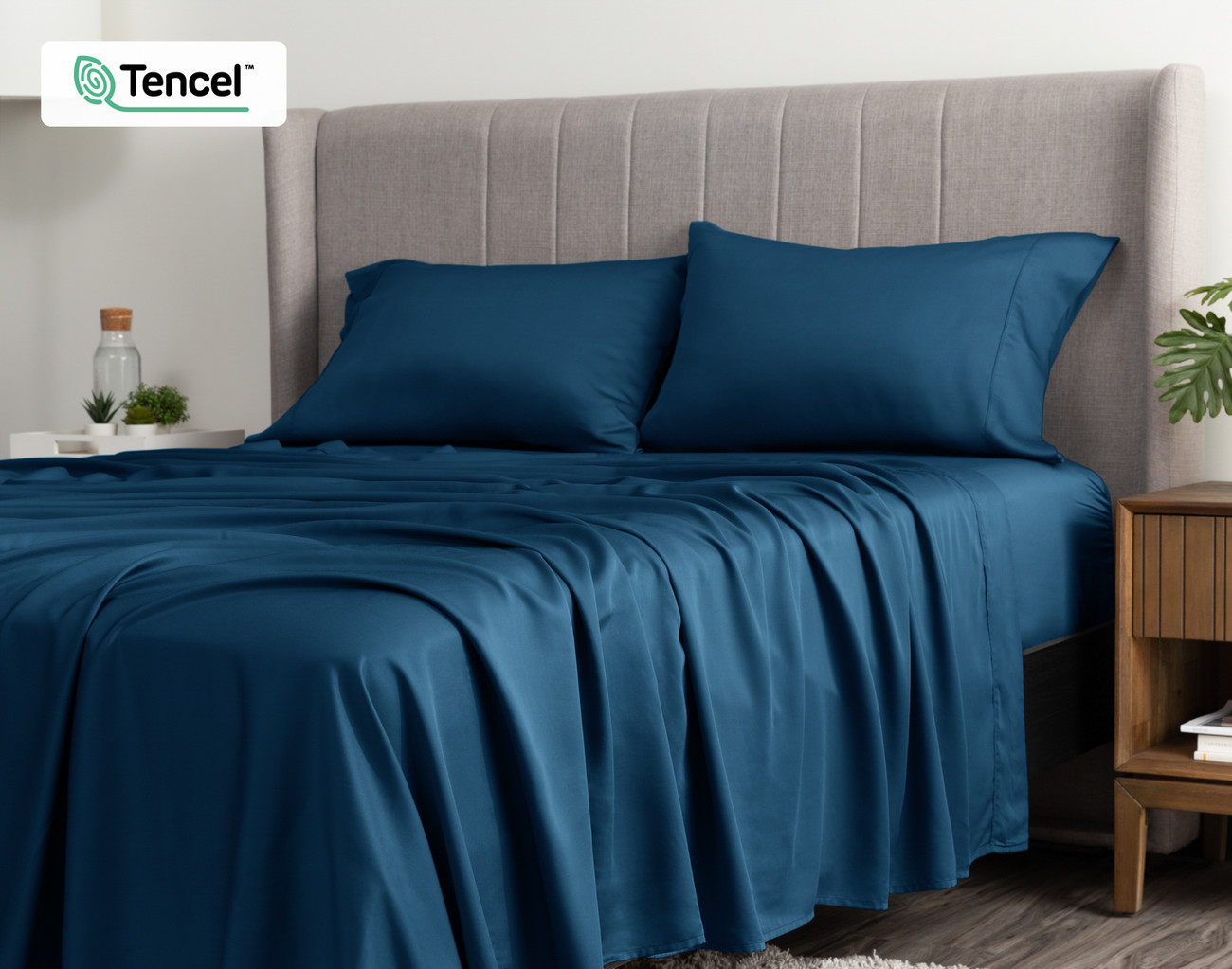
Tencel is a brand name for lyocell, a fiber made from wood pulp—often eucalyptus, beech, or spruce trees. The production process uses less water and chemicals compared to traditional fabrics. Tencel sheets are popular because they are:
- Soft and silky to the touch
- Breathable and moisture-wicking
- Eco-friendly due to sustainable sourcing
- Gentle on sensitive skin
What really sets Tencel apart is its smooth surface. This makes the fabric feel cool and almost slippery, a quality many people love, especially in warm climates or for hot sleepers. The smooth fibers also mean less friction on your skin and hair, which can help reduce split ends or skin irritation overnight.
However, Tencel fibers are more delicate than cotton or polyester. This means you must handle them with more care, especially during washing and drying. Tencel’s softness can fade if you don’t follow the right steps, and its unique feel depends on proper care.
Another reason people choose Tencel is for its environmental credentials. The wood pulp is harvested from certified and controlled sources, and the closed-loop process recycles almost all chemicals used. This makes Tencel one of the most sustainable bedding choices today.
Before You Wash: Preparation Steps
Caring for Tencel sheets starts before you even put them in the washing machine. Proper preparation can prevent damage and help the sheets maintain their quality.
1. Check The Care Label
Always read the care label on your Tencel sheets. Manufacturers may offer special instructions based on the sheet’s weave, dye, or finish. Some Tencel sheets are blended with other fibers, which can change washing guidelines. For example, Tencel blended with cotton might be a bit more forgiving, but it’s best to treat all Tencel with the same gentle touch.
Sometimes the label will mention a recommended spin speed or even specific detergents to avoid. Ignoring these instructions is one of the main reasons sheets wear out early.
2. Separate By Color And Fabric
Wash Tencel sheets separately from heavy items like towels or jeans. Mixing with rough fabrics can cause pilling or tiny tears. Also, separate light and dark colors to prevent dye transfer. This is especially important for new sheets, as some color may bleed during the first few washes.
Even soft items like t-shirts can damage Tencel if they have zippers, buttons, or embroidered logos. If you must wash with other items, choose only other lightweight, smooth fabrics, and turn everything inside out to reduce friction.
3. Inspect For Stains
Check for any stains before washing. Pretreat stains by gently dabbing a mild detergent or a solution of water and white vinegar on the spot. Never rub hard, as this can push the stain deeper or damage the fibers.
Leaving stains untreated can set them permanently, especially oily or colored stains like makeup or wine. Spot cleaning before washing saves time and keeps your sheets looking new.
4. Close Zippers And Fastenings
If your bedding set has zippers, buttons, or ties, fasten them before washing. Loose parts can snag the delicate Tencel fibers.
Even pillowcases with decorative borders or ribbons should be secured. If you want extra protection, consider washing sheets inside a large mesh laundry bag. This simple step can prevent accidental tears, especially in machines with an agitator.
Credit: www.qehomelinens.com
Choosing The Right Detergent And Washing Method
Selecting the best detergent and wash method is key to keeping Tencel sheets looking and feeling their best.
Which Detergent Is Safe For Tencel?
Use a mild liquid detergent without bleach, optical brighteners, or strong enzymes. Harsh chemicals can weaken the fibers or strip away their natural shine. Powder detergents are not recommended, as they may not dissolve completely and can leave residue.
Tip: Use about half the normal amount of detergent. Tencel cleans easily, and too much soap can leave buildup, making sheets stiff or dull.
If you want to go a step further, look for detergents labeled “delicate” or “for silk and wool. ” These tend to be free of harsh additives and are formulated for sensitive fabrics.
Non-obvious Insight: Many people don’t realize that eco-friendly detergents are usually a safe choice for Tencel, since they avoid harsh chemicals.
Machine Wash Or Hand Wash?
You can wash Tencel sheets in a machine, but only on a gentle cycle. Hand washing is safest for extra-delicate or heavily embroidered sheets. Here is a comparison of the two methods:
| Washing Method | Pros | Cons |
|---|---|---|
| Machine Wash (Gentle Cycle) | Convenient, consistent cleaning | May cause wear if overloaded or washed with rough items |
| Hand Wash | Lowest risk of damage, best for stains | Time-consuming, less practical for large loads |
If you have a high-efficiency (HE) washing machine, use the hand-wash or delicate setting with extra rinse. Some machines have a custom cycle for “bedding” or “silk”—these are also gentle enough for Tencel.
Best Water Temperature For Tencel Sheets
Cold water (not above 86°F / 30°C) is best for Tencel. Hot water can shrink or distort the fibers. Even warm water can be risky, so always stick with cold unless the label says otherwise.
Cold water also protects the color of your sheets, helping them look bright and new for longer. Some people worry cold water won’t clean well, but with modern detergents, cold water is very effective for light to moderate soil.
How To Wash Tencel Sheets In A Washing Machine
Follow these steps for machine washing:
- Place sheets in the washer, avoiding overloading.
- Add a small amount of mild liquid detergent.
- Set the machine to a delicate or gentle cycle.
- Choose cold water.
- Start the cycle.
Pro Insight: Many people overload the washer or use regular cycles, thinking it saves time. This causes more friction and can shorten the life of your sheets.
For best results, wash no more than one sheet set at a time. Too many items in the drum cause twisting and stretching, which weakens the fibers. If your washer has an “extra rinse” option, use it to make sure all detergent is removed.
How To Hand Wash Tencel Sheets
If you prefer hand washing:
- Fill a clean tub or large basin with cold water.
- Add a small amount of mild detergent and mix.
- Submerge the sheets and gently swish them around for 2-3 minutes.
- Let them soak for 10-15 minutes.
- Rinse under cold water until all soap is gone.
- Press (do not wring) out excess water.
Extra Tip: Never twist or wring Tencel fabric. It can break the fibers, causing wrinkles or tears.
Hand washing is especially useful for spot cleaning or if you have only one pillowcase or item to clean. It’s more time-consuming but offers the best care for your sheets.
Drying Tencel Sheets: Best Practices
Drying is just as important as washing for Tencel sheets. The wrong drying method can cause shrinkage, fading, or roughness.
Air Drying: The Safest Option
Hang your sheets on a clothesline or lay them flat on a clean surface. Keep them out of direct sunlight to prevent fading. Tencel dries quickly, usually within a few hours, because it releases moisture faster than cotton.
If you don’t have outdoor space, you can hang sheets over a shower rod or place them on a foldable drying rack indoors. Make sure air circulates freely to help the sheets dry evenly. If you lay them flat, flip them halfway through to speed up the process.
Using A Dryer: What To Know
If you must use a dryer, select the lowest heat setting (often called “air dry” or “tumble dry low”). Remove sheets while they are still slightly damp to prevent over-drying, which can make them stiff.
Here’s a quick drying comparison:
| Drying Method | Sheet Lifespan | Risk of Damage | Time Needed |
|---|---|---|---|
| Air Dry | Longer | Very Low | 4–8 hours |
| Low-Heat Dryer | Moderate | Low | 40–60 minutes |
| High-Heat Dryer | Shorter | High (shrinkage, fading) | 30–45 minutes |
Extra Insight: If you use a dryer, add dryer balls made from wool to help keep sheets separated and speed up drying. Avoid dryer sheets, as they can coat fibers and reduce breathability.
Should You Iron Tencel Sheets?
Tencel resists wrinkles better than many natural fibers, but some creases are normal. If you want a crisp look, use a warm iron (never hot) on the reverse side. Always iron while the sheets are still slightly damp, or use a pressing cloth to avoid scorching.
Hidden Insight: Steamers work better than irons for Tencel. They smooth wrinkles without direct contact, reducing risk of heat damage.
For deep wrinkles, hang sheets in the bathroom while you shower—the steam will help relax the fibers. Always test a small area before applying heat to the entire sheet.
Removing Stains From Tencel Sheets
Stains can be tricky on Tencel sheets because of the smooth surface and sensitive fibers. Here’s how to handle common stains:
1. Sweat Or Body Oil
Mix a small amount of baking soda with water to form a paste. Gently dab on the stain, let sit for 15-20 minutes, and rinse with cold water before washing.
Sweat and oil stains are common, especially in warmer climates. Treating them early stops them from setting and keeps sheets fresh.
2. Blood
Rinse the area under cold water as soon as possible. Avoid hot water, which sets the stain. If needed, apply a tiny amount of mild detergent and blot gently.
Blood stains should always be treated promptly. For stubborn spots, repeat the rinse and blot process before washing.
3. Wine Or Juice
Blot with a clean cloth to remove as much liquid as possible. Apply a mixture of water and white vinegar (1:2 ratio), let sit for 10 minutes, then wash as usual.
Fruit stains can be tough, but vinegar helps lift the color without harming Tencel fibers.
4. Makeup
Use a gentle makeup remover on the stain, dab, and rinse. Wash after pretreating.
Be careful not to use oily makeup removers, as they can leave marks if not washed out completely.
Common Mistake: Many people scrub too hard or use bleach on stains. Both can ruin the Tencel fibers and cause permanent marks.
How Often Should You Wash Tencel Sheets?
Wash Tencel sheets every one to two weeks. Washing more often can wear out the fibers, while washing less often allows sweat and oils to build up. If you sweat heavily at night or have allergies, wash them weekly.
If you have pets or young children in bed, consider washing more often. However, even then, stick to gentle cycles and avoid harsh detergents.

Credit: oliveandcrate.com
Dealing With Pilling And Fuzz
Pilling—small balls of fiber on the sheet’s surface—can happen if Tencel is washed with rough fabrics or on a harsh cycle. To reduce pilling:
- Always wash separately from towels or denim.
- Use a gentle cycle and cold water.
- Avoid fabric softeners, as they can leave residue.
If pilling occurs, use a fabric shaver or gently remove pills by hand.
Extra Insight: Tencel pills less than cotton, but more than polyester. Treating early pilling prevents it from getting worse.
If you see fuzz or tiny balls, don’t panic. Light pilling is normal and can be managed by removing pills carefully. Avoid using razors, which can cut and damage the fabric.
Storing Tencel Sheets Properly
Proper storage is important for keeping Tencel sheets fresh and clean.
- Store sheets in a cool, dry place, away from direct sunlight.
- Avoid plastic bags, which can trap moisture and cause mildew.
- Use a breathable cotton storage bag or pillowcase.
- Make sure sheets are fully dry before folding to prevent mold growth.
If you want to keep sheets smelling fresh, add a sachet of dried lavender or cedar chips, but avoid strong synthetic scents which can irritate sensitive skin.
Tencel Sheet Care Mistakes To Avoid
Some mistakes can shorten the life of your Tencel sheets. Avoid these common errors:
- Using bleach or harsh chemicals
- Washing with rough fabrics or overloaded machines
- Using hot water or high-heat dryers
- Twisting or wringing sheets to remove water
- Skipping stain treatment before washing
- Storing sheets when damp or in plastic
- Overusing detergent or fabric softener
One not-so-obvious mistake is using stain removers designed for carpets or heavy-duty laundry. These often have strong chemicals that can ruin Tencel. Always test a small, hidden area first if you try a new product.
By steering clear of these pitfalls, your sheets will stay soft and strong.
Tencel Sheets Vs. Other Sheet Fabrics
To understand why Tencel needs special care, compare it with other popular sheet materials:
| Fabric | Softness | Durability | Care Difficulty | Eco-Friendly |
|---|---|---|---|---|
| Tencel | Very Soft | Moderate | Medium | High |
| Cotton | Soft | High | Easy | Medium |
| Polyester | Medium | Very High | Easy | Low |
| Linen | Medium | High | Hard | Medium |
Tencel sheets stand out for their softness and green production, but need more careful handling than cotton or polyester. Linen, while also eco-friendly, needs even more special care and is rougher to the touch. Polyester is almost maintenance-free but less comfortable and not breathable.
Tips For Keeping Tencel Sheets Looking Like New
Maintaining that fresh, silky feel is possible with a few simple habits:
- Rotate between at least two sheet sets to reduce wear.
- Wash and dry according to instructions every time.
- Fold sheets neatly to avoid wrinkles.
- Use mattress and pillow protectors to reduce stains and sweat absorption.
- Air sheets out in the shade every few months.
Advanced Tip: Avoid sleeping with heavy oils or lotions, as Tencel absorbs them quickly. Wash off heavy creams before bed to keep sheets cleaner.
If you like a crisp bed, lightly mist sheets with water and smooth them by hand while making your bed. This helps release minor wrinkles and keeps sheets looking fresh.
The Environmental Advantage Of Tencel
One reason people choose Tencel sheets is their lower impact on the planet. Tencel is made in a closed-loop process, which means the chemicals and water used to make the fibers are recycled many times. According to the manufacturer, Lenzing AG, this process recycles more than 99% of the solvent and uses up to 20 times less water than cotton production. You can learn more from the official Lenzing Tencel site.
Even after you’re done with your sheets, Tencel is biodegradable. Proper care extends their life, reducing waste and the need for frequent replacement.
By caring for your sheets properly, you support their longer lifespan, which further reduces waste.
Tencel Sheet Care For Special Circumstances
For Sensitive Skin
Tencel is naturally hypoallergenic. Still, using fragrance-free, gentle detergents is best for people with allergies or eczema.
If you are very sensitive, rinse sheets twice to remove all detergent traces. Tencel’s smooth surface helps reduce irritation, but leftover soap can cause itching.
For Hard Water Areas
Hard water can leave mineral deposits on sheets. Add a half-cup of white vinegar to the rinse cycle once a month to dissolve buildup and keep sheets soft.
If you notice gray or yellow deposits, this is a sign of mineral buildup. A vinegar rinse is safe for Tencel and will restore softness without damaging fibers.
If You Travel Or Move Often
Use a washable cotton bag to transport Tencel sheets. Avoid plastic bags, which can cause sweating and wrinkles.
When storing sheets for long periods, air them out every few months to prevent musty smells or mildew.
Troubleshooting Common Tencel Sheet Problems
Even with careful washing, problems can happen. Here’s how to fix them:
Sheets Feel Rough After Washing
This usually means too much detergent or improper rinsing. Wash again with just water, or add a half-cup of white vinegar to the rinse cycle.
If the rough feel remains, soak sheets in cold water with vinegar for 30 minutes, then rinse thoroughly. Always avoid fabric softeners.
Stubborn Wrinkles
Hang sheets in a steamy bathroom, or use a handheld steamer. Avoid high heat from irons.
If you don’t have a steamer, try misting sheets with water and smoothing them with your hands. This trick works well and is gentle on the fabric.
Lingering Odors
Wash with a cup of baking soda and your usual detergent. Dry outside in fresh air if possible.
Baking soda neutralizes most odors naturally and is safe for Tencel. Sunlight can also help, but avoid leaving sheets out too long to prevent fading.
Faded Color
Always wash in cold water, and avoid direct sunlight when drying. If fading happens, it cannot be reversed, but proper care will keep colors bright longer.
If you want to brighten faded sheets, use a gentle oxygen-based whitener (never bleach) and always do a patch test first.

Credit: www.aanyalinen.com
Frequently Asked Questions
What Is The Best Way To Wash Tencel Sheets?
Use a gentle cycle with cold water and a mild liquid detergent. Avoid bleach and harsh chemicals. Air drying is safest, but you can use a low-heat dryer if needed.
Can I Use Fabric Softener On Tencel Sheets?
No. Fabric softeners leave a coating on Tencel that reduces its natural softness and moisture-wicking ability. If you want extra softness, add a half-cup of white vinegar to the rinse cycle.
How Do I Remove Tough Stains From Tencel Sheets?
Pretreat stains with a mixture of water and mild detergent or vinegar. Gently dab, avoid scrubbing, and wash promptly. For oily stains, try a baking soda paste.
Will Tencel Sheets Shrink In The Wash?
Tencel sheets can shrink if washed in hot water or dried on high heat. Always use cold water and low heat or air drying to prevent shrinkage.
How Long Do Tencel Sheets Last With Proper Care?
With proper washing, drying, and storage, Tencel sheets can last 3–5 years or more. Rotating between sets and following care instructions extends their lifespan.
Taking care of Tencel sheets may need a bit more attention, but the reward is a set of bedding that stays soft, smooth, and beautiful. By following these steps, you can enjoy the comfort and luxury of Tencel for many restful nights. If you want the best results, always check your sheet’s care label and adjust as needed. Your sheets—and your sleep—will thank you.