
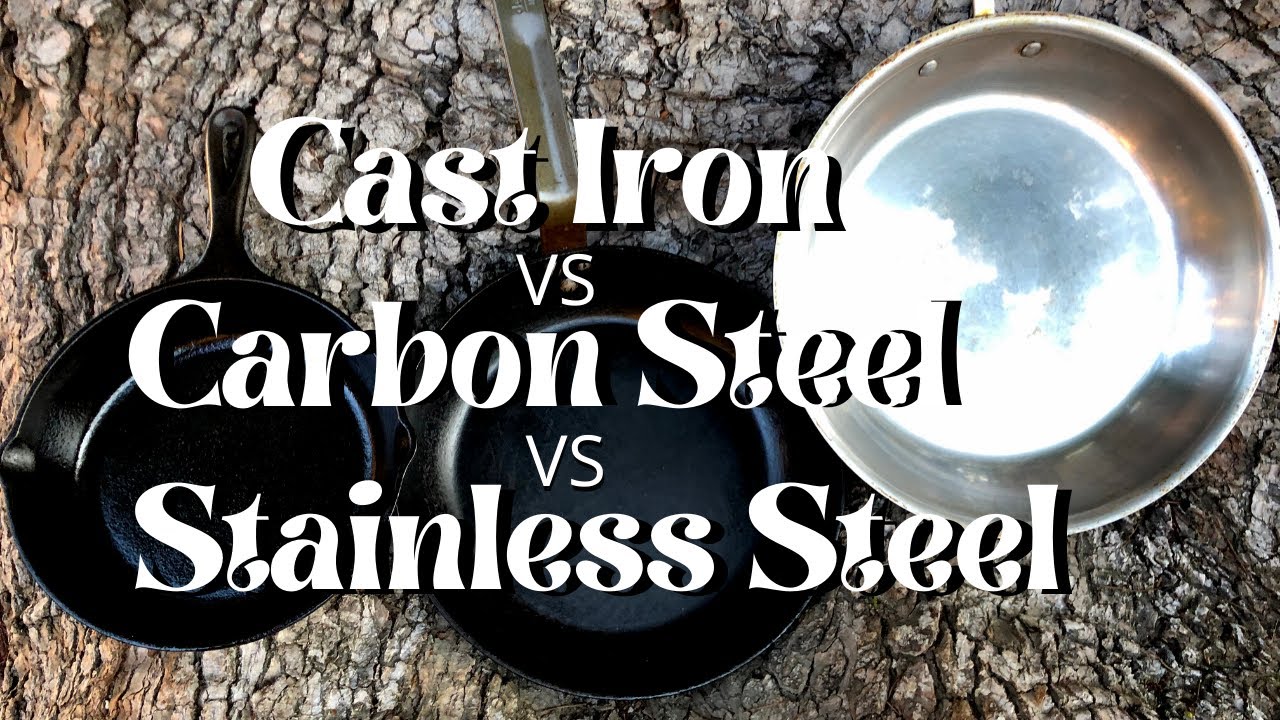
When you step into a kitchen supply store or browse cookware online, you might feel overwhelmed by the choices. Pans made from carbon steel, stainless steel, and cast iron fill the shelves, each promising the perfect cooking experience. But which one is right for you? The answer depends on your cooking habits, the types of food you love, how much time you want to spend on maintenance, and even your kitchen’s climate.
Understanding the differences between these three popular materials can help you make a smart, long-term investment for your kitchen. In this guide, you’ll learn how each pan works, what makes them unique, and how to choose the best one for your needs.
We’ll also cover care tips, common mistakes, and real-world examples, so you won’t be left guessing when it’s time to cook your next meal.
What Makes Each Pan Material Unique?
Before you decide, it’s important to understand what carbon steel, stainless steel, and cast iron pans are made from, and how these materials affect cooking.
Carbon Steel
Carbon steel pans are made from about 99% iron and 1% carbon. This small amount of carbon makes the pan both strong and relatively lightweight. Carbon steel pans are popular with professional chefs because they heat up fast, respond quickly to temperature changes, and develop a natural nonstick layer with use.
You’ll find carbon steel pans in restaurant kitchens, especially for dishes like stir-fries, crepes, and seared meats. Chefs love their versatility and the way they build flavor over time.
Stainless Steel
Stainless steel pans are made by adding chromium and sometimes nickel to steel. This mix gives the pan its shiny surface and resistance to rust and stains. Stainless steel is also non-reactive, which means it won’t change the taste or color of acidic foods like tomatoes or wine-based sauces.
These pans are often sold in multi-layered (clad) versions, where a layer of aluminum or copper is sandwiched between stainless steel layers. This improves heat distribution—a common complaint in cheaper stainless steel pans.
Cast Iron
Cast iron pans are made by pouring molten iron into a mold. Once cooled, the result is a thick, heavy pan that holds heat for a long time. Cast iron pans are famous for their durability—some families pass them down for generations. With proper seasoning, a cast iron pan can develop a nonstick surface that rivals modern coatings, without any chemicals.
Cast iron is a favorite for slow-cooked dishes, roasting, baking, and searing steaks. Many people love the way it adds a unique flavor, sometimes called “seasoning,” to food.
Cooking Performance Compared
Let’s see how each type of pan performs in everyday cooking. This is where you’ll notice the most obvious differences.
Heat Conductivity
Heat conductivity means how quickly and evenly a pan heats up. Good heat conductivity lets you cook food more evenly.
- Carbon steel heats up quickly and responds fast to temperature changes. This is ideal for stir-frying or making crepes.
- Stainless steel alone is a poor heat conductor. That’s why the best stainless pans have an aluminum or copper core. Multi-clad stainless steel pans heat evenly and avoid hot spots.
- Cast iron heats slowly but holds heat for a long time. This is great for keeping food warm and for recipes that need steady, even heat, like cornbread or roasted vegetables.
Heat Retention
Heat retention is how well a pan stays hot once it’s heated.
- Cast iron is the champion here. Its thick body holds heat so well that it’s perfect for searing steaks or baking.
- Carbon steel is good at holding heat, but not as well as cast iron due to its thinner walls.
- Stainless steel doesn’t retain heat as well as the other two, so it’s best for quick-cooking tasks.
Nonstick Qualities
None of these pans are truly nonstick out of the box, but with proper seasoning, carbon steel and cast iron can become almost nonstick.
- Cast iron develops a seasoned surface after repeated use and oiling.
- Carbon steel seasons more quickly than cast iron, and can become slicker with use.
- Stainless steel is not nonstick. You need to use oil and control heat carefully to prevent sticking.
Reactivity With Food
- Stainless steel is non-reactive, so it’s safe for all foods, including acidic ones.
- Cast iron and carbon steel can react with acidic foods (like tomatoes, vinegar, or wine) if not properly seasoned, sometimes leaving a metallic taste.
Weight And Handling
- Cast iron pans are heavy. A 10-inch pan can weigh 5-6 pounds or more.
- Carbon steel is lighter than cast iron, making it easier to toss or handle, but still feels solid.
- Stainless steel is usually the lightest, especially in single-layer versions.
Here’s a quick comparison of these key factors:
| Feature | Carbon Steel | Stainless Steel | Cast Iron |
|---|---|---|---|
| Heat Conductivity | High | Medium (high in multi-clad) | Low |
| Heat Retention | Medium | Low | High |
| Nonstick Potential | Yes (with seasoning) | No | Yes (with seasoning) |
| Weight | Medium | Light | Heavy |
| Reactivity | Yes (if unseasoned) | No | Yes (if unseasoned) |

Credit: www.debuyer-usa.com
Durability And Maintenance
Longevity and care are important when choosing a pan. You want cookware that lasts, but also fits your lifestyle.
Durability
All three pan types are durable, but in different ways.
- Cast iron can last for generations if cared for. It’s nearly indestructible, though it can crack if dropped.
- Carbon steel is also very tough. It’s less likely to break than cast iron, but can warp if heated too quickly or dropped.
- Stainless steel is resistant to rust and corrosion. It doesn’t need seasoning, and can handle tough cleaning, even in dishwashers.
Maintenance
- Cast iron requires seasoning—a process of coating the pan with oil and baking it in the oven to create a protective surface. You should avoid soaking it in water and dry it right after washing.
- Carbon steel needs similar seasoning, but is less likely to chip or crack.
- Stainless steel is low-maintenance. You can scrub it with steel wool and use soap without worry.
A common mistake is leaving cast iron or carbon steel wet, which leads to rust. Another is using soap on a seasoned surface—it strips away the nonstick layer.
Cooking Uses And Best Recipes
Some pans perform better for certain recipes. Here are practical examples to help you decide.
Carbon Steel
Best for:
- Stir-fries (woks are usually carbon steel)
- Crepes and pancakes
- Searing meats
Because of its fast response to heat, carbon steel is perfect for foods that need quick temperature changes.
Stainless Steel
Best for:
- Sauces and reductions (non-reactive with acids)
- Sautéing vegetables
- Boiling and poaching
Stainless steel is also great for deglazing (making pan sauces), as you can scrape up the tasty bits without damaging the surface.
Cast Iron
Best for:
- Searing steaks and chops
- Baking (cornbread, pies, cobblers)
- Roasting vegetables
- Slow-cooked dishes
Cast iron’s heat retention shines in recipes that need steady, long-lasting heat.
Credit: www.youtube.com
Price And Value
Cost is a factor for most home cooks. Each type of pan has a different price range.
- Cast iron is often the most affordable. Classic brands like Lodge offer skillets for under $30, and they last for decades.
- Carbon steel pans cost a bit more, usually $40-$80 for a high-quality 10-12 inch pan.
- Stainless steel pans vary widely. Cheap pans start at $20, but high-end multi-clad sets can cost hundreds per pan.
While initial price matters, consider the pan’s lifespan. A well-cared-for cast iron or carbon steel pan may outlast several cheaper stainless steel pans.
Health And Safety
Some people worry about chemicals or metals in cookware. Here’s what you need to know:
- Cast iron and carbon steel are free from synthetic coatings. If seasoned properly, they’re safe and add a small amount of iron to your food.
- Stainless steel is generally safe. Rarely, trace metals may leach into food, but only in very acidic dishes and at high temperatures.
- None of these pans use Teflon or other nonstick chemicals, which have raised health concerns in the past.
Common Mistakes With Each Type
Even experienced cooks sometimes make mistakes. Here are some to avoid:
Carbon Steel
- Washing with soap after seasoning: Removes the nonstick layer.
- Not drying thoroughly: Causes rust.
- Using high heat right away: Can warp the pan.
Stainless Steel
- Cooking eggs or delicate foods without enough oil: Leads to sticking.
- Overheating empty pan: Can cause discoloration.
- Using steel wool on mirror-finish pans: Scratches the surface.
Cast Iron
- Soaking in water or putting in dishwasher: Causes rust.
- Not seasoning: Food sticks and surface degrades.
- Cooking acidic dishes for long periods: Can strip seasoning and add metallic taste.
Real-world Examples And Insights
Many home cooks buy pans based on trends or a single recommendation, but real-world usage shows the value of matching the right pan to the right task.
For example, a professional chef might use carbon steel for a busy night of sautéing vegetables because it heats quickly and is easy to move around. At home, a cast iron pan is often the favorite for breakfast—hash browns, eggs, and bacon all benefit from even heating and a seasoned surface.
A beginner might buy a stainless steel set for its easy cleaning, but find that eggs stick unless they learn the right oil and heat combination. Meanwhile, some cooks abandon cast iron after seeing a little rust, not realizing it’s easy to fix with a scrub and reseasoning.
Here are two non-obvious insights:
- Climate affects maintenance: In humid areas, cast iron and carbon steel require more care to avoid rust. In dry climates, they’re easier to maintain.
- Handle design matters: Some carbon steel and cast iron pans have handles that get very hot, making it important to use a towel or oven mitt.
How To Season And Care For Each Pan
Proper care helps your pans last longer and cook better.
Seasoning Cast Iron And Carbon Steel
- Wash the new pan with warm water and a little soap (only for the first use).
- Dry it completely.
- Rub a thin layer of oil (like flaxseed, canola, or vegetable oil) all over, including the handle.
- Place the pan upside down in an oven at 400°F (200°C) for one hour, with foil underneath to catch drips.
- Let it cool. Repeat if you want a thicker layer.
Each time you cook with oil, you add to the seasoning.
Cleaning Tips
- Cast iron and carbon steel: Wipe out with a paper towel, or use a little coarse salt and a scrub if needed. Dry right away, and rub with a bit of oil.
- Stainless steel: Wash with soap and water. For burnt-on bits, use baking soda or a stainless steel cleaner.
Never store cast iron or carbon steel while wet. For stubborn rust, scrub with steel wool and reseason.
When To Choose Which Pan
No single pan is best for everything. Here’s a quick guide to help you decide:
- Choose carbon steel if you want a lightweight, versatile pan that can do most jobs and you don’t mind seasoning.
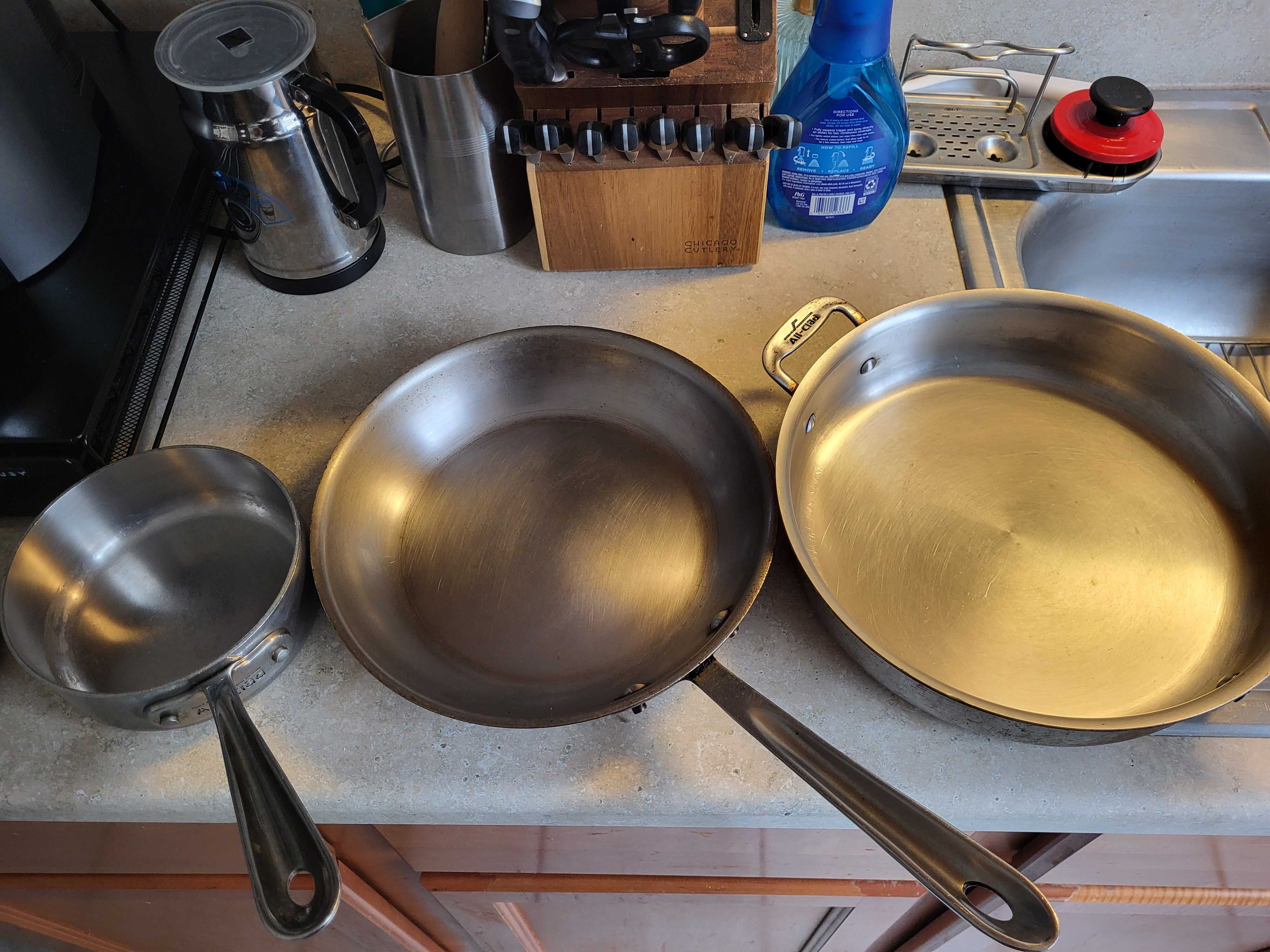
- Pick stainless steel if you want easy cleaning and cook acidic foods often.
- Go for cast iron if you want unbeatable heat retention, love baking, or want a pan that will last for generations.
Many home cooks end up with all three, using each for different recipes.
Credit: www.thechoppingblock.com
Comparing Popular Brands
To make your choice easier, let’s compare some leading brands for each type:
| Material | Popular Brand | Typical Price (10-12″) | Notable Features |
|---|---|---|---|
| Cast Iron | Lodge | $30-50 | Pre-seasoned, American-made, heavy-duty |
| Carbon Steel | De Buyer | $50-90 | French-made, smooth finish, quick seasoning |
| Stainless Steel | All-Clad | $100-150 | Multi-clad, excellent heat distribution, dishwasher safe |
Sustainability And Environmental Impact
Choosing the right pan isn’t just about cooking—it’s also about the environment.
- Cast iron and carbon steel are both highly recyclable and can last decades, reducing waste.
- Stainless steel is also recyclable, and its long life means fewer pans end up in landfills.
- Nonstick pans with synthetic coatings often wear out faster and can’t be recycled, so these three options are better for the planet.
Some companies now use recycled metals in their pans, adding an extra layer of sustainability.
Myths And Misunderstandings
Many people avoid certain pans due to myths. Let’s clear up a few:
- “Cast iron is hard to care for.” In fact, after the first seasoning, it’s easy to maintain. Many people clean it with just a wipe.
- “Stainless steel is always nonstick.” It’s not, but with practice, you can prevent sticking.
- “You can’t use soap on cast iron.” You can, as long as you reseason if needed.
Understanding these facts helps you get the most from your cookware.
Final Thoughts
Choosing between carbon steel, stainless steel, and cast iron pans is about more than just price or popularity. Each has special strengths: carbon steel for fast cooking and versatility, stainless steel for easy care and cooking with acids, and cast iron for unbeatable heat retention and durability. Think about your cooking style, how much maintenance you want, and the types of recipes you love most. With the right pan, cooking becomes easier—and more delicious.
For more technical details about the materials used in cookware, you can read this overview on Wikipedia.
Frequently Asked Questions
What Is The Main Difference Between Carbon Steel, Stainless Steel, And Cast Iron Pans?
Carbon steel pans heat quickly and can become nonstick with seasoning. Stainless steel pans are easy to clean, don’t react with acidic foods, but are not nonstick. Cast iron pans heat slowly but hold heat well, develop a nonstick surface with seasoning, and are very durable.
Which Pan Is Best For Beginners?
Stainless steel pans are best for beginners who want low maintenance and easy cleaning. If you’re willing to learn seasoning, cast iron or carbon steel are also good options.
Can I Use These Pans On Induction Cooktops?
Yes, all three—cast iron, carbon steel, and most stainless steel pans (if magnetic)—work on induction cooktops. Always check if a magnet sticks to the bottom.
How Do I Fix A Rusty Cast Iron Or Carbon Steel Pan?
Scrub away the rust with steel wool, rinse, dry completely, then reseason the pan by applying oil and baking it. Regular oiling after use helps prevent rust in the future.
Is It Safe To Cook Acidic Foods In Cast Iron Or Carbon Steel Pans?
Short cooking times are usually fine if the pan is well-seasoned. For long-simmered acidic dishes, use a stainless steel pan to avoid stripping the seasoning or getting a metallic taste.