
Stasher bags have become a favorite for people who want to reduce plastic waste and keep food fresh. These reusable silicone bags are strong, flexible, and made to last. But, like any food storage tool, they need the right care to stay clean and safe.
Washing Stasher bags may sound simple, but there are best practices, common mistakes, and even a few tricks that can help you get the most out of your bags. If you have ever wondered how to clean Stasher bags properly, remove stubborn smells, or keep them looking new, this guide covers everything you need to know.
Why Stasher Bags Need Special Care
Stasher bags are made from platinum-grade silicone, which is more durable and heat-resistant than regular plastic. This material doesn’t absorb stains or smells easily, but it can still hold on to oils, sauces, or food particles if not cleaned well. Some people think silicone is “self-cleaning,” but that’s a myth. Food residue and bacteria can still build up inside the bag, especially in corners and along the seal.
Washing Stasher bags correctly helps:
- Prevent mold and bacteria growth
- Remove food smells and stains
- Make the bags last longer
- Keep food safe for you and your family
Learning the right cleaning habits also saves money, because you won’t need to replace your bags as often.
Getting Started: Supplies You’ll Need
Before you start, gather these items:
- Mild dish soap (avoid harsh or scented types)
- Soft sponge or bottle brush
- Clean, warm water
- Drying rack or clean towel
- Baking soda (for tough smells)
- White vinegar (for deep cleaning)
- Dishwasher (optional, if you have one)
- Tongs (for safe removal from hot water)
Most of these are probably already in your kitchen. Using the right supplies avoids damage and keeps the silicone in good shape.
Step-by-step: How To Wash Stasher Bags By Hand
Handwashing is gentle and lets you focus on tricky spots. Here’s how to do it well:
1. Empty And Rinse
Right after use, take out all food scraps. Rinse the bag under warm running water. This stops food from drying out and sticking.
2. Add Dish Soap
Put a drop of mild dish soap inside the bag. Avoid using too much; a small amount cleans well and rinses out easily.
3. Scrub The Inside
Use a soft sponge or bottle brush to clean the inside. Pay extra attention to the corners and the seal. These areas often trap crumbs and oils. If your hand doesn’t fit, a bottle brush works best.
4. Clean The Outside
Wipe down the outside with soapy water. Even if it looks clean, oils from your hands can leave residue.
5. Rinse Thoroughly
Rinse the bag in warm water until all soap is gone. Silicone can hold onto soap if not rinsed well, which may affect the taste of your food later.
6. Dry Completely
Turn the bag inside out, if possible, and place it on a drying rack or clean towel. Let it air dry fully. Closing the bag while it’s wet can cause mold.
Pro Tips For Handwashing
- For sticky foods, soak the bag in warm, soapy water for 10–15 minutes before scrubbing.
- If the bag is oily, sprinkle a bit of baking soda inside before washing to help break down grease.
- Never use steel wool or rough scouring pads, as they can scratch the silicone.
How To Clean Stasher Bags In The Dishwasher
One of the best things about Stasher bags is that they are dishwasher safe. This makes cleaning simple, but there are a few things to keep in mind.
1. Turn The Bag Inside Out
This exposes any stuck food or stains directly to the water jets.
2. Place On The Top Rack
Put the bag on the top rack, open wide. This keeps it away from the dishwasher’s heating element at the bottom, which can be too hot.
3. Use A Normal Cycle
Choose your regular wash cycle. You don’t need to use extra soap; your dishwasher detergent is enough.
4. Remove And Dry
After the cycle, remove the bag with tongs if it’s still hot. Let it air dry fully before storing.
Dishwasher Cleaning Table
Here’s a quick comparison between handwashing and dishwasher cleaning:
| Cleaning Method | Best For | Time Needed | Key Tips |
|---|---|---|---|
| Handwashing | Heavy stains, sticky foods | 5–10 min | Use a brush for corners |
| Dishwasher | Everyday cleaning, light use | Regular cycle | Open bag wide, top rack only |
Insight: Some dishwasher detergents are strong and can leave a scent on silicone. If you notice this, rinse the bag with plain water after the cycle.
Credit: www.stasherbag.com
Removing Smells And Stains From Stasher Bags
Over time, Stasher bags can pick up odors from foods like onions, garlic, or curry. They may also get stained by tomato sauce or berries. Here’s how to deal with these issues:
For Smells
- Baking Soda Soak: Fill the bag with warm water and add 2 tablespoons of baking soda. Let it soak overnight, then wash as usual.
- Vinegar Rinse: Mix equal parts white vinegar and water. Pour into the bag, seal, and shake. Let it sit for 30 minutes before rinsing.
For Stains
- Sunlight Trick: Place the clean bag in direct sunlight for a few hours. UV light helps break down stains naturally.
- Baking Soda Paste: Make a paste with baking soda and water, rub it on the stained area, and let it sit for 30 minutes before washing.
- Hydrogen Peroxide (for tough stains): Fill the bag with a mix of hydrogen peroxide and water (1:1 ratio), let it soak for an hour, then wash thoroughly.
Stain And Odor Removal Table
Here’s a summary of the best solutions:
| Problem | Solution | Time Needed | Extra Tip |
|---|---|---|---|
| Odors | Baking soda soak | Overnight | Add lemon juice for freshness |
| Stains | Sunlight | 2–3 hours | Rotate bag for even exposure |
| Heavy stains | Hydrogen peroxide | 1 hour | Rinse very well after |
Deep Cleaning: When And How To Do It
If you notice mold, stubborn smells, or oily residue that won’t go away, it’s time for a deep clean. This doesn’t need to be done often—usually every few months or after storing strong-smelling foods.
Deep Cleaning Steps
- Boil the Bag: Place the Stasher bag in a pot of boiling water for 2–3 minutes. This kills bacteria and loosens stuck food.
- Vinegar Bath: Soak the bag in a mixture of 1 cup white vinegar and 2 cups water for 30 minutes after boiling.
- Scrub and Rinse: Use a bottle brush to clean corners, then rinse with plenty of water.
- Dry Open: Let the bag dry completely with the seal open.
Important: Never put the Stasher bag directly on the stove, in the oven, or near a flame. Only boil in water.

Credit: www.stasherbag.com
Drying And Storing Stasher Bags
Proper drying is just as important as washing. Trapped moisture inside the bag can lead to mold and bad smells.
Drying Tips
- Turn Inside Out: This allows air to reach all parts and dries the bag faster.
- Use a Drying Rack: Place the bag upside down on a rack or over a bottle to hold it open.
- Pat Dry: For quick drying, use a clean towel to wipe excess water, then air dry.
Storing Tips
- Store bags with the seal open to allow airflow.
- Keep bags away from strong-smelling foods or cleaning products in your cupboard.
- Stack bags flat or hang them to save space.
Pro Insight: Some users miss the need to dry the inside seal area. Always check and wipe this part, as it can trap water.
Common Mistakes To Avoid
Even experienced users make mistakes when cleaning Stasher bags. Here are the most common, and how to avoid them:
- Using harsh cleaners: Bleach, alcohol, or strong scented soaps can damage silicone and leave a taste.
- Scrubbing with rough pads: These can scratch the surface, making it easier for stains and bacteria to stick.
- Storing while damp: This is a top cause of mold and bad smells.
- Not cleaning after each use: Letting food dry inside the bag makes it much harder to clean later.
- Overfilling the dishwasher: Bags need space to be cleaned properly. If crammed, parts may stay dirty.
Washing Stasher Bags With Sticky Or Greasy Foods
Some foods, like peanut butter, salad dressings, or oily leftovers, are harder to clean out of silicone. Here’s what works best:
- Soak the bag in hot, soapy water for 15–30 minutes.
- Add a tablespoon of baking soda to the soaking water to cut grease.
- Use a bottle brush to reach deep into corners.
- Rinse with hot water, which helps melt away oils.
Extra Tip: For extra tough grease, add a teaspoon of vinegar or lemon juice to the rinse.
Can You Use Stasher Bags For Non-food Items? Cleaning Tips
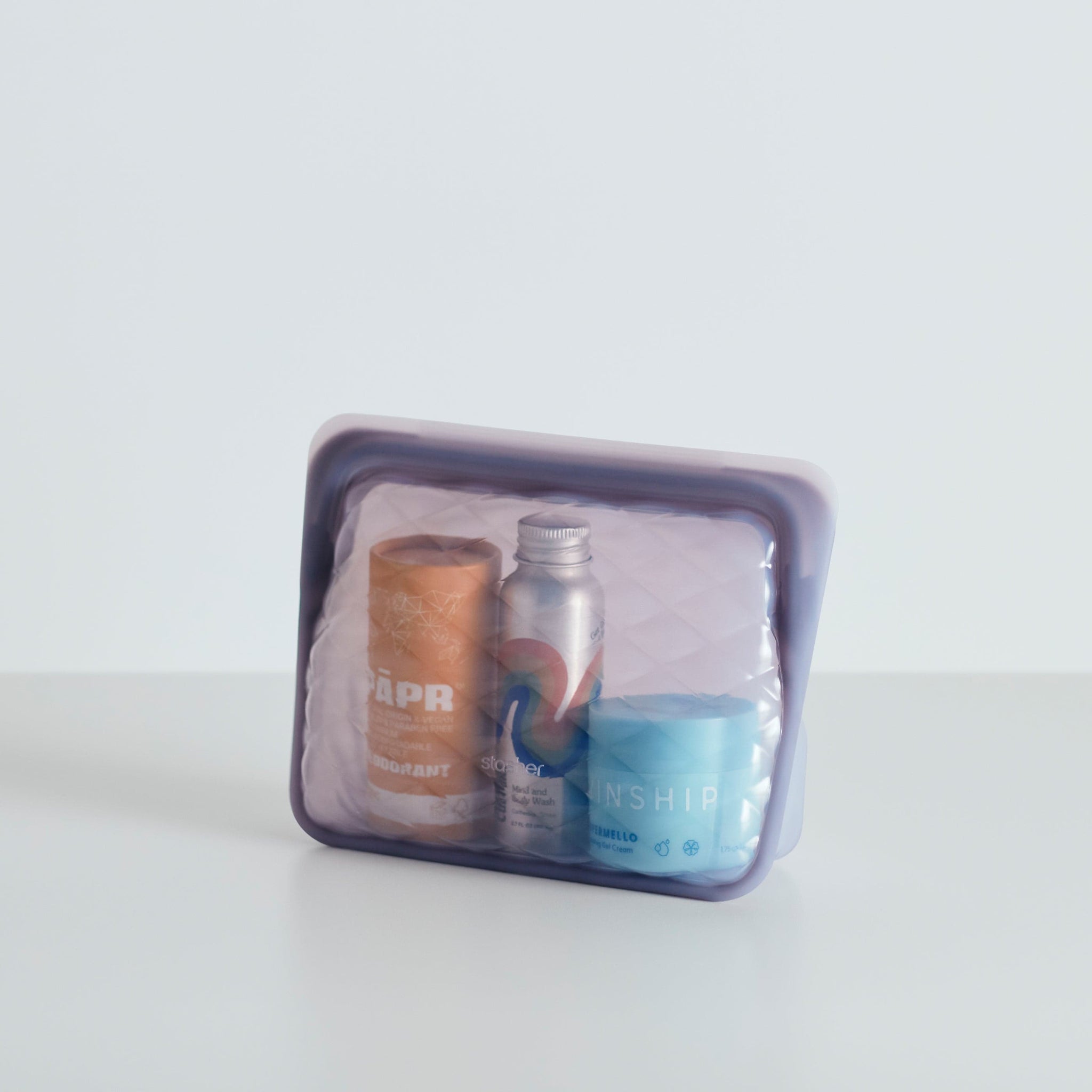
Stasher bags are also popular for travel, cosmetics, and organizing small items. If you use your bag for things like makeup, crayons, or first-aid supplies, cleaning is a bit different:
- Wipe out powders with a dry cloth before washing.
- For sticky items (like lip balm), use dish soap and warm water.
- Avoid using the same bag for food and non-food items. Label bags if needed.
If you switch a bag from non-food to food use, deep clean it first using the boiling and vinegar method.
How To Make Stasher Bags Last Longer
Stasher bags are strong, but good habits keep them working for years. Here’s how to extend their life:
- Always let bags cool before washing if used for hot foods.
- Avoid using sharp objects inside the bag, as cuts weaken the silicone.
- Don’t expose to direct flames or ovens (microwave and sous vide are safe, but only as directed).
- Clean and dry after every use.
Research shows that silicone bags last for thousands of uses when cared for correctly. According to the brand, a single Stasher bag can replace over 3000 disposable plastic bags in its lifetime.
Troubleshooting: When Something Goes Wrong
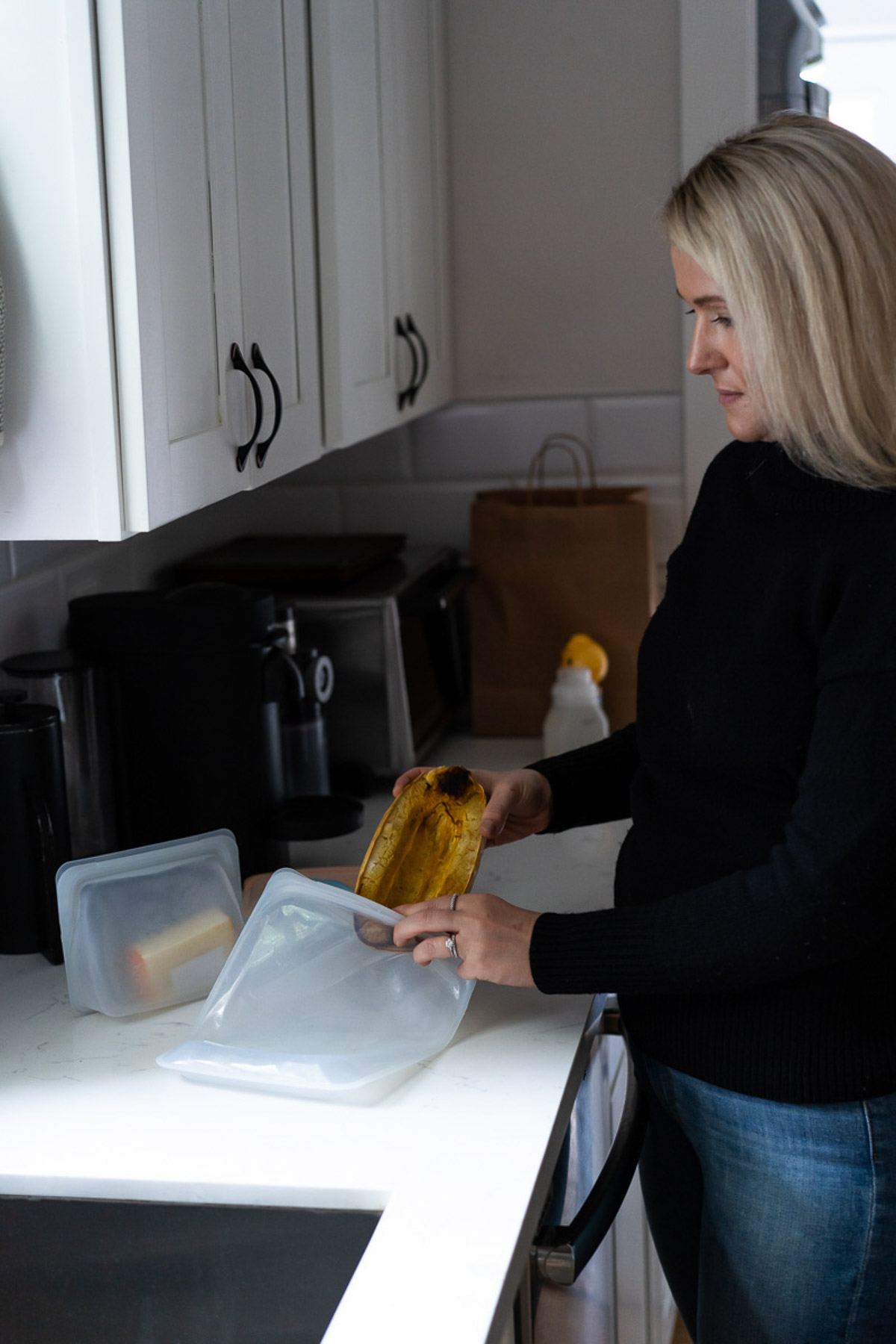
Even with the best care, sometimes things don’t go as planned. Here’s what to do:
Mold Growth
- Wash the bag with dish soap and hot water.
- Boil in water for 3 minutes to kill mold spores.
- Soak in vinegar solution after boiling.
White Or Cloudy Spots
- These are often mineral deposits from hard water.
- Wipe with a little white vinegar, then rinse well.
Persistent Smells
- Repeat the baking soda soak.
- Store bag open in fresh air for a few days.
If your bag is still not clean or smells bad after several deep cleans, it may be time to retire it for non-food use.
Credit: www.lucismorsels.com
Environmental Impact: Why Clean Properly?
Washing and reusing Stasher bags isn’t just about convenience. Each bag replaces hundreds or thousands of single-use plastic bags, helping reduce plastic waste in oceans and landfills. However, if not cleaned well, you might throw out bags early, reducing their positive impact.
A 2022 study showed that properly maintained silicone bags can last up to five years or more, versus less than a year for most plastic alternatives. Keeping your bags clean and in use is one of the simplest ways to live more sustainably.
How Stasher Bags Compare To Other Reusable Bags
Stasher bags stand out because of their platinum silicone material, which is more heat-resistant and less likely to stain than most plastic reusable bags. Here’s a quick comparison:
| Feature | Stasher Bags | Plastic Reusable Bags | Fabric Bags |
|---|---|---|---|
| Material | Platinum silicone | PEVA/Plastic | Cotton/Polyester |
| Dishwasher Safe | Yes | Sometimes | No |
| Stain Resistance | High | Low | Medium |
| Odor Resistance | High | Low | Medium |
| Heat Tolerance | Up to 400°F | Up to 120°F | Up to 200°F |
| Longevity | 3–5 years | 1–2 years | 2–3 years |
This shows why proper care for Stasher bags pays off—they last longer and work better with daily use.
Real-world Example: Washing Stasher Bags In Busy Families
Families with kids or busy schedules sometimes forget to wash bags right away. In these cases, bags often sit with sticky or smelly leftovers for hours. Here’s how one family solved this problem:
They kept a small tub of soapy water in the sink, and every used bag was dropped in to soak until someone could wash it. This stopped food from drying, made washing fast, and kept the bags in better shape.
Another tip: Assign a color to each family member, so everyone is responsible for their own bag. This small trick kept the bags cleaner and reduced arguments about who left a dirty one behind.
Washing Stasher Bags On The Go
Travelers and campers love Stasher bags for snacks and toiletries. But cleaning can be tricky without a kitchen. Here’s what works:
- Rinse with bottled or filtered water right after use.
- Use a drop of travel-sized dish soap and swirl inside the bag.
- If no soap is available, fill with hot water and a pinch of salt, shake, and rinse.
- Let bag air dry by hanging from a backpack or laying flat.
Remember, even a quick rinse is better than nothing until you can wash properly at home.
How Often Should You Deep Clean Your Stasher Bag?
For most people, a deep clean is needed every 2–3 months, or after storing strong-smelling or oily foods. If you use your bags daily, set a reminder to deep clean at the start of each season. This keeps bags fresh and safe for food.
When To Replace Your Stasher Bag
Stasher bags are built to last, but they don’t last forever. Replace your bag if:
- There are deep cuts or holes
- The seal no longer closes tightly
- Mold keeps coming back after deep cleaning
- Stains or smells never go away
If you retire a bag, use it for organizing non-food items, art supplies, or travel toiletries. This gives the bag a second life and reduces waste.
Expert Insight: Two Mistakes Beginners Often Miss
- Ignoring the Seal Area: Many people wash the inside and outside but forget the seal. Food can stick here and cause smells or mold. Always scrub the seal with a brush or your fingers.
- Not Drying Upright: Drying bags flat on a towel leaves water trapped inside. Dry upright, with the bag open, for best results.
These small details make a big difference in keeping your Stasher bags clean and long-lasting.
Where To Get More Information
For the latest care tips, cleaning advice, and product updates, the official Stasher Bag cleaning guide offers detailed support.
Frequently Asked Questions
How Do I Get Rid Of A Garlic Or Onion Smell In My Stasher Bag?
Fill the bag with warm water and add 2 tablespoons of baking soda. Let it soak overnight, then wash as usual. For extra odor removal, add a splash of lemon juice or white vinegar to the soaking water.
Can I Put My Stasher Bag In The Freezer And Then Wash It Right Away?
Yes, but let it come to room temperature first. Placing a frozen bag directly in hot water or the dishwasher may stress the silicone, causing warping or cracking.
Are Stasher Bags Microwave Safe, And Does Microwaving Help Clean Them?
Stasher bags are microwave safe. However, microwaving does not clean the bag. Always wash after microwaving, as heat can cook food residue onto the silicone, making it harder to remove.
Do I Need To Wash My Stasher Bag Before First Use?
Yes. Wash with warm, soapy water or in the dishwasher before using for the first time. This removes any manufacturing residue or dust.
What Should I Do If My Stasher Bag Becomes Cloudy Or Sticky?
Cloudiness is usually from mineral deposits; wipe with white vinegar and rinse. Stickiness can happen if oils are not washed out completely—use baking soda and hot water, then rinse well and dry.
Taking care of your Stasher bags is simple, but a few smart habits make a big difference. With the right washing and drying methods, you’ll get years of use from every bag, keep your food safe, and help the planet at the same time.