
Dining chair cushions add comfort and style to your dining room, but they also attract spills, crumbs, and stains. Over time, even the cleanest homes see their chair cushions getting dirty or stained. Whether you have kids, pets, or just frequent guests, knowing how to clean your dining chair cushions properly can make a big difference in your home’s appearance and hygiene. The good news: you don’t need to be a cleaning expert to keep your cushions looking fresh and inviting.
This guide will walk you through everything you need to know about cleaning dining chair cushions. From understanding fabric types to step-by-step cleaning instructions, stain removal, and even how to keep cushions clean for longer, you’ll find clear advice and practical tips for real-life situations.
By the end, you’ll feel confident tackling any mess—big or small—on your dining chair cushions.
Understanding Your Dining Chair Cushions
Before you start cleaning, it’s important to know what kind of cushions you have. The cleaning method you choose depends on the fabric type, the filling material, and whether the cushion covers are removable or fixed.
Common Cushion Fabrics
Dining chair cushions come in many fabrics, each with its own cleaning needs:
- Cotton: Soft, breathable, and common in casual dining sets. Prone to wrinkling and shrinking.
- Polyester: Durable and often stain-resistant. Used in both indoor and outdoor cushions.
- Linen: Elegant and natural, but can be delicate and wrinkle easily.
- Velvet: Luxurious, but requires gentle cleaning to protect its texture.
- Synthetic blends: Offer a mix of durability and comfort. Easy to clean in most cases.
- Leather or faux leather: Wipeable but sensitive to harsh chemicals.
Cushion Fillings
Inside the fabric, you’ll find different fillings:
- Foam: Most common for support and comfort.
- Polyester fiberfill: Fluffier, often used in softer cushions.
- Down or feather: Very soft but not common for dining chairs.
- Latex or memory foam: Used in high-end cushions.
Removable Vs. Fixed Covers
Some cushions have zippered or buttoned covers that can be removed for washing. Others are sewn shut, meaning you have to clean the whole cushion. Always check the manufacturer’s label for cleaning instructions.
Non-obvious insight: Many people forget to check if the cushions are colorfast. Always test a small hidden area before using any cleaning solution to avoid unexpected color changes.
Preparing To Clean Your Cushions
Preparation makes cleaning easier and safer for your cushions. Follow these steps before starting:
- Read the care label: Look for washing instructions, recommended temperatures, and warnings (like “dry clean only” or “do not bleach”).
- Vacuum thoroughly: Use a vacuum with an upholstery attachment to remove crumbs, dust, and pet hair.
- Spot test: Mix your cleaning solution and test it on a hidden spot. Wait 10-15 minutes to check for color changes or damage.
- Gather supplies: You may need mild detergent, white vinegar, baking soda, a soft brush, white towels, a spray bottle, and gloves.
Pro tip: Remove as much dry debris as possible before wet cleaning. Water can turn crumbs and dirt into mud, making stains worse.
Methods For Cleaning Dining Chair Cushions
The right cleaning method depends on your cushion type. Here’s how to clean both removable and non-removable dining chair cushions.
Cleaning Removable Cushion Covers
Removable covers are the easiest to clean, but it’s important to follow the right process.
Machine Washing
- Unzip and remove the cushion cover.
- Shake out crumbs and dust.
- Treat stains with a small amount of liquid detergent or stain remover. Gently rub with your fingers or a soft brush.
- Wash in cold or warm water on a gentle cycle with mild detergent.
- Avoid bleach unless the label says it’s safe.
- Air dry flat or hang to dry. Avoid high heat, which can cause shrinking.
- Replace cover once fully dry.
Hand Washing
If the cover is delicate or machine washing is not recommended:
- Fill a tub or sink with lukewarm water and a small amount of mild detergent.
- Submerge the cover and gently agitate.
- Focus on stained areas with a soft brush or cloth.
- Rinse thoroughly with clean water.
- Squeeze out excess water gently (do not wring).
- Lay flat on a towel to air dry.
Cleaning Non-removable Cushions
If the cushion covers can’t be removed, you’ll clean the whole cushion.
Surface Cleaning
- Vacuum both sides of the cushion thoroughly.
- Mix a cleaning solution: For most fabrics, combine 1 teaspoon of mild dish soap in 2 cups of warm water.
- Dip a white cloth in the solution, wring out excess water, and gently blot the cushion surface.
- Scrub stains gently, using a soft brush if needed.
- Rinse by blotting with a clean damp cloth.
- Dry: Blot with a dry towel, then let the cushion air dry in a well-ventilated space.
Deep Cleaning With Baking Soda And Vinegar
For deeper odors and stains:
- Sprinkle baking soda evenly over the dry cushion.
- Let sit for 15-20 minutes to absorb odors.
- Vacuum off the baking soda.
- Mix equal parts white vinegar and water in a spray bottle.
- Lightly mist the cushion surface (do not soak).
- Allow to air dry completely.
Insight: Baking soda not only absorbs odors but also helps loosen dirt for easier cleaning.
Cleaning Leather Or Faux Leather Cushions
- Wipe with a dry cloth to remove dust.
- Mix a solution of mild soap and water.
- Dampen a cloth (not soaking wet) and wipe the surface.
- Dry with a clean towel immediately.
- For extra shine, use a leather conditioner (test first).
How To Remove Stains From Dining Chair Cushions
Accidents happen—wine, coffee, ketchup, and more. Quick action can save your cushion from a permanent mark.
General Stain Removal Steps
- Blot, don’t rub: Use a clean, white towel to blot up as much liquid as possible.
- Apply a stain remover: Use a mild solution or store-bought upholstery cleaner. Always test first.
- Work gently: Use a soft brush or cloth in a circular motion.
- Rinse: Blot with a damp towel to remove any cleaner.
- Dry quickly: Use a fan or hair dryer on cool setting to speed up drying and prevent water rings.
Common Stains And How To Remove Them
| Stain Type | Removal Method | Extra Tips |
|---|---|---|
| Red Wine | Blot, apply a mix of dish soap and hydrogen peroxide (test first), rinse. | Act fast for best results. |
| Coffee/Tea | Blot, use mild dish soap with water, rinse, dry. | Repeat if needed; avoid hot water. |
| Grease/Oil | Sprinkle baking soda, let sit, brush off, dab with dish soap, rinse. | Don’t use too much water. |
| Ink | Blot, apply rubbing alcohol with cotton swab, rinse. | Test alcohol on a hidden spot first. |
| Ketchup/Sauce | Scrape off excess, blot, clean with mild soap solution, rinse. | Don’t spread the stain wider. |
Non-obvious insight: For tough stains, using a steam cleaner on removable covers (if fabric allows) can lift stains without using strong chemicals.
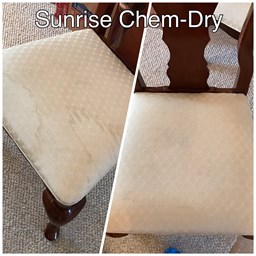
Credit: sunrisechemdry.com
Dealing With Odors In Dining Chair Cushions
Odors can make even clean-looking cushions unpleasant. Here’s how to tackle them:
- Baking soda treatment: Sprinkle on dry cushion, let sit for at least 30 minutes, then vacuum.
- Vinegar spray: Light mist of white vinegar and water neutralizes odors. Air dry completely.
- Sunshine: Place cushion outside in sunlight for a few hours. Sunlight naturally kills bacteria and odors.
- For persistent smells (like pet urine), use an enzyme cleaner designed for fabrics.
Tip: Never soak cushions with water, as moisture inside the filling can cause mold or mildew.
How Often Should You Clean Dining Chair Cushions?
Regular cleaning keeps cushions fresh and extends their life. Here’s a cleaning frequency guide:
| Activity Level | Vacuuming | Spot Cleaning | Deep Cleaning |
|---|---|---|---|
| Light use (adults only) | Every 2 weeks | As needed | Every 4-6 months |
| Moderate use (children, guests) | Weekly | As needed | Every 2-3 months |
| High use (pets, daily meals) | 2-3 times/week | Immediately | Every 1-2 months |
Insight: Frequent vacuuming prevents crumbs from becoming stains and keeps allergens at bay.
Drying And Reassembling Cushions
After cleaning, drying cushions properly is crucial to avoid mold, mildew, and unpleasant smells.
- Blot excess moisture: Use a towel to absorb as much water as possible.
- Air dry: Place cushions in a sunny, well-ventilated area. Stand them on edge or prop up with objects for better airflow.
- Flip and rotate: Turn cushions every few hours for even drying.
- Avoid dryers: High heat can shrink covers and damage fillings.
- Check for dampness: Only reassemble cushions when they are completely dry. Moisture trapped inside can lead to mold.
Pro tip: If you need to speed up drying, use a fan or hair dryer on a cool setting, but never rush with heat.
Preventing Future Stains And Damage
Keeping cushions clean is easier than cleaning tough stains. Here’s how to protect your dining chair cushions:
- Use protective sprays: Fabric protectors like Scotchgard make spills easier to clean up. Apply after deep cleaning and drying.
- Add removable covers: Slipcovers can be washed more easily than the cushion itself.
- Set household rules: No eating messy foods on upholstered chairs, or use placemats and napkins.
- Clean up spills immediately: The longer a spill sits, the harder it is to remove.
- Rotate cushions: Flip or switch cushions regularly to ensure even wear.
- Limit sun exposure: Direct sunlight can fade colors. Move chairs or use curtains to block strong sunlight.
- Keep pets off: If pets are allowed, use washable pet throws.
Non-obvious insight: For outdoor dining chairs, store cushions indoors when not in use. Weather and humidity can quickly ruin cushion fabric and filling.
When To Replace Dining Chair Cushions
Sometimes cleaning isn’t enough. If your cushions are:
- Losing their shape or support
- Permanently stained or faded
- Smelling bad even after deep cleaning
- Torn or ripped beyond repair
…it’s time to invest in new cushions. Good-quality cushions can last 3-5 years with proper care. When buying replacements, choose materials that match your cleaning needs and lifestyle.
Caring For Special Fabrics
Some dining chair cushions need extra attention:
Velvet
Vacuum with a soft brush attachment. Clean with a special velvet cleaner or mild soap solution. Always brush the nap in one direction after cleaning.
Silk
Silk is delicate—blot stains immediately, but avoid water. For deep cleaning, consult a professional.
Outdoor Fabrics
Acrylic or polyester outdoor fabrics are water-resistant but can still develop mildew. Clean with mild soap and water, rinse well, and dry in sunlight.
Tip: If in doubt, check the manufacturer’s website or contact them for advice.

Credit: www.modernloftinteriors.com
Eco-friendly Cleaning Options
Many people prefer to avoid harsh chemicals. Here are safe, eco-friendly ways to clean dining chair cushions:
- Baking soda and vinegar: Remove stains and odors naturally.
- Castile soap: Gentle on fabrics but effective for cleaning.
- Microfiber cloths: Clean well with just water or a little soap.
- Enzyme cleaners: Break down organic stains without harsh chemicals.
Example: Mix 1 cup of white vinegar and 1 cup of water in a spray bottle. Spray on stains, let sit for 5-10 minutes, then blot with a clean towel.
Professional Cleaning Vs. Diy
Sometimes, hiring a professional is the best choice. Consider professional cleaning if:
- The cushion fabric is labeled “dry clean only.”
- Stains are large, old, or cover most of the cushion.
- The cushions are very expensive or antique.
- You have allergies and need a deep clean.
Cost: Professional upholstery cleaning ranges from $25 to $75 per chair, depending on fabric and location.
DIY cleaning is cheaper and convenient for most regular messes. However, if you’re unsure, ask a pro before risking permanent damage.
Quick Reference: Cleaning Methods By Fabric Type
Here’s a summary to help you choose the right method:
| Fabric Type | Best Cleaning Method | Notes |
|---|---|---|
| Cotton | Machine or hand wash (if removable), spot clean | May shrink; air dry only |
| Polyester/Synthetic | Machine wash, spot clean | Usually durable; check label |
| Linen | Hand wash, gentle spot clean | Wrinkles easily; avoid heat |
| Velvet | Vacuum, spot clean with special cleaner | Brush nap after drying |
| Leather/Faux Leather | Wipe with damp cloth, mild soap | Avoid soaking |
| Outdoor Fabric | Mild soap and water, air dry | Dry in sun |
Common Mistakes To Avoid
Even with the best intentions, mistakes can happen. Here’s what to watch out for:
- Skipping the spot test: Always test cleaning solutions on a hidden area.
- Using too much water: Soaking cushions can cause mold and damage.
- Harsh chemicals or bleach: These can fade colors and weaken fibers.
- High heat drying: Can shrink or warp covers and fillings.
- Scrubbing too hard: Can damage fabric texture and color.
- Ignoring drying time: Assembling cushions before fully dry leads to odor and mildew.
- Forgetting to vacuum first: Dry debris can become embedded when wet.
Tip: When in doubt, start with the gentlest cleaning method.

Credit: www.prestige-affairs.com
Real-life Examples And Solutions
Example 1: Spaghetti Sauce Spill
After a family dinner, you notice a bright red sauce stain on the beige cushion. Here’s how to handle it:
- Blot up as much sauce as possible.
- Mix a mild dish soap with water.
- Dab with a white cloth, working from the outside in.
- Rinse with a clean damp towel.
- Air dry. Repeat if needed.
Example 2: Musty Odor After Storage
You unpack dining chair cushions stored in the basement, and they smell musty.
- Sprinkle baking soda on both sides.
- Let sit for an hour, then vacuum.
- Mist lightly with vinegar and water.
- Dry cushions in sunlight for several hours.
Example 3: Pet Hair And Dander
A guest with allergies is visiting. Your cushions are covered in pet hair.
- Use a vacuum with upholstery tool.
- Roll with a lint roller.
- Wipe with a damp rubber glove for extra pickup.
Additional Resources
For more detailed information on fabric care, you can visit the Good Housekeeping Stain Removal Guide.
Frequently Asked Questions
How Do I Know If My Cushion Covers Are Machine Washable?
Check the care label, usually found inside the cushion cover or on a tag. If it says “machine washable,” you can wash on a gentle cycle with mild detergent. If the label says “dry clean only” or “hand wash,” avoid machine washing.
What’s The Best Way To Dry Cushions After Cleaning?
Blot out as much water as possible with towels, then air dry cushions in a sunny, well-ventilated area. Flip and rotate regularly. Avoid using dryers or direct heat, as this can cause shrinking or damage.
Can I Use Bleach On My Dining Chair Cushions?
Only use bleach if the care label says it’s safe. Most fabrics (especially colored or delicate ones) will be damaged or faded by bleach. Try a mild soap solution or a specific stain remover instead.
How Do I Remove Old, Set-in Stains From Cushions?
Old stains are harder to remove. Try treating with a mix of baking soda and water, letting it sit, then scrubbing gently. For tough stains, use an enzyme cleaner or consult a professional upholstery cleaner.
How Can I Keep My Dining Chair Cushions Clean For Longer?
Vacuum regularly, use protective sprays, clean up spills immediately, and consider slipcovers for easy washing. Rotate cushions and limit eating of messy foods on upholstered chairs.
Taking care of dining chair cushions isn’t complicated, but it does require some attention and the right methods. With these practical steps, your cushions can look fresh, smell clean, and last for years, no matter how busy your dining room gets.