
Kids love adventures, whether it’s jumping in muddy puddles or racing across playgrounds. Their sneakers take a beating, picking up dirt, stains, and smells along the way. Many parents worry about cleaning kids’ sneakers without damaging them. Some try to toss them in the washing machine, while others scrub with soap and water, but the results often fall short.
The truth is, there’s a right way to wash kids sneakers so they last longer, stay comfortable, and look fresh. This guide explains every step, from choosing cleaning products to drying and odor control, with tips only experienced parents know.
Whether your child wears canvas, mesh, or leather sneakers, you’ll learn how to handle each material and avoid common mistakes. Let’s make sneaker cleaning simple, effective, and safe for both shoes and small feet.
Why Proper Sneaker Cleaning Matters
Most parents know clean shoes look better. But proper sneaker cleaning is about more than just appearance. Kids’ sneakers can collect germs, allergens, and even mold if not cleaned correctly. Dirty shoes can cause foot odor or even skin irritation, especially after sports or rainy days.
Worn or improperly cleaned sneakers may break down faster, costing more in replacements. Taking the time to clean sneakers properly helps your child’s feet stay healthy and comfortable, and it saves money over time.
Understanding Sneaker Materials
Before you start scrubbing, it’s important to know what your child’s sneakers are made of. Each material needs special care.
Canvas
Canvas sneakers are popular for kids because they’re lightweight and breathable. They can handle water and soap, but harsh scrubbing can cause fading or fraying.
Mesh
Mesh panels allow feet to breathe but can trap dirt in tiny holes. Mesh is delicate, so gentle cleaning is essential. Never use stiff brushes, which can tear the fabric.
Leather
Leather sneakers are durable and stylish, but they absorb stains easily. Water can damage real leather, causing it to dry out or crack. Always use gentle cleaners and avoid soaking.
Synthetic Materials
Synthetic sneakers often combine plastic, rubber, and faux leather. These shoes are usually more water-resistant but can still be damaged by heat or strong chemicals.
Suede
Suede sneakers are soft and flexible but stain quickly. Water can leave marks, so suede needs special cleaning tools and sprays.
Essential Cleaning Supplies
Having the right tools can make sneaker cleaning much easier. Here’s what you’ll need for most kids’ sneakers:
- Soft-bristled brush (old toothbrush works well)
- Mild detergent or sneaker cleaner
- Warm water
- Microfiber cloth
- Magic eraser sponge (for scuffs)
- Baking soda (for odor)
- White vinegar (optional, for tough stains)
- Old towels or paper towels
- Shoe trees or crumpled paper (for drying shape)
- Mesh laundry bag (if machine washing)
Most families already have these items at home. Avoid using bleach, harsh chemicals, or rough scrubbers, as they can damage sneakers.
Pre-cleaning: Preparation Steps
Jumping straight into washing is a common mistake. Taking a few minutes to prepare makes cleaning safer and more effective.
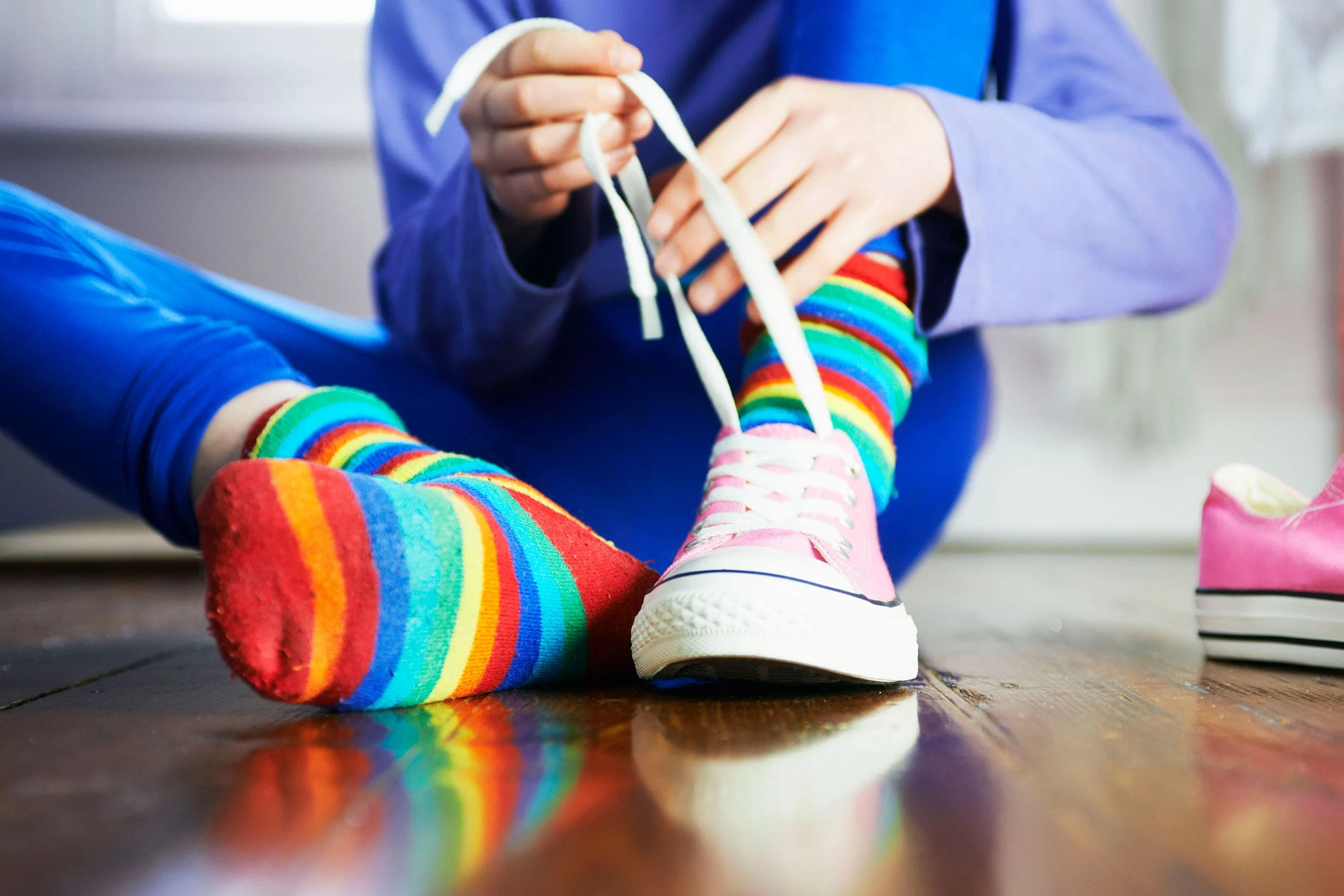
- Remove laces and insoles: Laces and insoles often hold the most dirt and odor. Wash them separately for best results.
- Brush off loose dirt: Use a dry brush to remove mud, sand, and debris from the soles and upper.
- Check the care label: Some sneakers have care instructions on a tag or inside the tongue. Follow these if they’re available.
- Test cleaners: Before using any new cleaner, test a small area first to avoid discoloration.
- Prepare your workspace: Lay out old towels and gather your supplies. Kids’ sneakers can drip water and soap, so protect surfaces.

Credit: www.clorox.com
Hand Washing Kids Sneakers: Step-by-step
Hand washing gives you more control and protects shoes better than machine washing. Here’s a detailed process suitable for most kids’ sneakers.
Step 1: Clean The Soles
Mix a few drops of mild detergent with warm water. Dip a brush in the solution and scrub the rubber soles gently. Focus on grooves where dirt hides. For stubborn marks, use a magic eraser sponge.
Step 2: Wash The Uppers
Dip your brush or a soft cloth in soapy water. Scrub the canvas, mesh, or synthetic uppers in small circles. Be gentle on delicate areas. For leather or suede, use only damp (not wet) cloths and special cleaners if available.
Step 3: Rinse Carefully
Wipe away soap with a clean, damp microfiber cloth. Avoid soaking the sneakers. Too much water can damage glue or cause fading.
Step 4: Clean Laces And Insoles
Soak laces in warm, soapy water for 10–15 minutes, then scrub and rinse. Place insoles flat and wipe with soapy water and a brush. For odor, sprinkle baking soda on insoles, let sit, then brush off.
Step 5: Drying
Pat sneakers with towels to remove excess water. Stuff with shoe trees or crumpled paper to hold shape. Air dry in a well-ventilated spot, away from direct sunlight or heat. Never use a dryer, which can warp or shrink shoes.
Machine Washing Kids Sneakers: When And How
Many parents want to toss sneakers in the washing machine. While some shoes can handle it, others can’t. Here’s what to know.
Which Sneakers Are Machine Washable?
- Canvas and synthetic sneakers are usually safe.
- Leather and suede should never go in the machine.
- Always check the care label.
Machine Washing Steps
- Remove laces and insoles.
- Brush off loose dirt.
- Place sneakers in a mesh laundry bag to protect them.
- Add towels to the drum to balance and reduce noise.
- Use a gentle cycle, cold water, and mild detergent.
- Air dry as described above.
Machine washing is convenient, but shoes may not last as long with frequent washing. Avoid using bleach or fabric softeners, which can break down glues and fabrics.
Credit: www.clorox.com
Drying Sneakers Properly
Drying is as important as washing. Improper drying is the number one cause of misshapen sneakers.
Air Drying
- Place shoes in a shaded, well-ventilated area.
- Remove insoles and laces to speed up drying.
- Stuff with clean paper to absorb moisture and maintain shape.
- Turn shoes occasionally for even drying.
What To Avoid
- Never dry sneakers in a dryer or with direct heat.
- Do not place shoes in strong sunlight for hours.
- Avoid radiators and hair dryers, which can shrink or damage materials.
Drying Time
Most kids’ sneakers take 12–24 hours to dry completely. Mesh dries fastest; leather and heavy canvas take longer.
Removing Stains And Odors
Kids’ sneakers face tough stains—mud, grass, food, and more. Here’s how to tackle them.
Common Stains
- Mud: Let dry, brush off, then clean as usual.
- Grass: Mix a little white vinegar with water and dab the stain.
- Food or drinks: Use mild detergent and a soft brush.
- Marker or ink: Rubbing alcohol on a cotton swab can help, but test first.
Odor Removal
- Sprinkle baking soda inside sneakers, leave overnight, then shake out.
- Place dryer sheets inside shoes to absorb smells.
- For tough odors, freeze sneakers in a bag overnight—cold kills bacteria.
One insight many miss: Odors often come from the insoles, not the shoe itself. Cleaning or replacing insoles can dramatically improve smell.
Credit: www.superga.com
Special Care For Different Sneaker Materials
Each material needs unique care. Here are the details:
Canvas
Canvas can handle water but fades with strong detergents. Use mild soap, rinse well, and avoid bleach. Air dry only.
Mesh
Clean mesh gently to avoid snags or holes. For white mesh, a paste of baking soda and water can brighten without damage.
Leather
Use a damp cloth and a little saddle soap. Dry leather slowly and condition with a drop of olive oil or commercial conditioner to keep it supple.
Suede
Brush suede with a special suede brush. Remove stains with a suede eraser or white vinegar. Never soak suede—water leaves marks.
Synthetic
Synthetic sneakers are easy to clean. Use mild soap and water, wipe well, and avoid high heat when drying.
Here’s a simple comparison of cleaning methods for each material:
| Material | Best Cleaning Method | Machine Washable | Drying Method |
|---|---|---|---|
| Canvas | Hand wash/mild detergent | Yes (if label allows) | Air dry, shaded area |
| Mesh | Gentle hand wash | Yes (most cases) | Air dry, no sun |
| Leather | Damp cloth/conditioner | No | Air dry, condition after |
| Suede | Suede brush/eraser | No | Air dry, brush after |
| Synthetic | Hand or machine wash | Yes | Air dry |
Tips For Long-lasting Kids Sneakers
Keeping sneakers clean is only part of shoe care. These extra habits help sneakers last longer and stay comfortable.
- Rotate pairs: Kids should have at least two pairs to alternate. This gives shoes time to air out and recover between wears.
- Use a shoehorn: Teach kids to use a shoehorn to prevent squashing the heel.
- Store properly: Keep sneakers in a cool, dry place. Avoid plastic bags, which trap moisture.
- Replace insoles regularly: Fresh insoles improve comfort, support, and odor control.
- Treat stains quickly: The sooner you clean a stain, the less likely it will set.
- Check for fit: Kids’ feet grow quickly. Tight sneakers can cause blisters or pain. Check fit every few months.
- Waterproof sprays: Use fabric or leather protectors to help sneakers resist stains and water.
- Avoid harsh chemicals: Bleach, alcohol, and strong cleaners can weaken materials and glue.
- Don’t over-wash: Too much washing can break down sneakers. Clean only when needed.
A little prevention goes a long way. Most parents don’t realize that letting kids wear wet or dirty shoes increases the risk of athlete’s foot and other skin problems.
Common Mistakes To Avoid
Many parents make simple mistakes that shorten the life of kids’ sneakers.
- Using hot water: High heat can shrink or warp shoes, especially synthetics.
- Machine drying: The dryer damages glue and fabric, causing shoes to fall apart.
- Soaking shoes: Waterlogged sneakers may not dry fully, leading to mold.
- Skipping pre-cleaning: Not removing dirt first can turn cleaning into a muddy mess.
- Ignoring care labels: Manufacturers know best—always check their advice first.
- Using the wrong cleaner: Bleach or alcohol can fade colors and weaken fabric.
By avoiding these mistakes, you protect both your child’s sneakers and their feet.
How Often Should You Wash Kids Sneakers?
There’s no one-size-fits-all answer. Washing too often can wear out shoes, while waiting too long causes stains and smells to build up.
- Every 2–4 weeks is a good rule for everyday wear.
- Wash after heavy mud, sports, or rain.
- Spot-clean stains right away.
For active kids, check sneakers weekly. If shoes get soaked, always dry and clean them as soon as possible to prevent mold and odor.
When To Replace Kids Sneakers
Even the best cleaning can’t save sneakers forever. Here are signs it’s time for a new pair:
- Worn soles: No grip means less safety on playgrounds.
- Holes or tears: Exposed toes or sides let in dirt and water.
- Flat insoles: No cushioning leads to sore feet.
- Bad odor remains: If cleaning doesn’t help, bacteria may be deep in the materials.
- Too small: Tight shoes can damage growing feet.
On average, kids outgrow or wear out sneakers every 4–8 months. Active children may need replacements even sooner.
Eco-friendly Sneaker Cleaning
Caring for the planet starts at home. You can clean sneakers without harming the environment.
- Use biodegradable detergents or mild soap.
- Recycle old toothbrushes for cleaning.
- Dry shoes in the sun (briefly) instead of using electric dryers.
- Donate wearable sneakers your child has outgrown.
Some brands even offer recycling programs. For more on eco-friendly shoe care, see the EPA’s official recycling page.
Comparison: Hand Washing Vs Machine Washing
Parents often wonder which method is better. Here’s a side-by-side look:
| Feature | Hand Washing | Machine Washing |
|---|---|---|
| Control | High (gentle on shoes) | Lower (risk of damage) |
| Time Needed | Longer (20–30 min) | Shorter (10–15 min active time) |
| Water Use | Low | Higher |
| Cleaning Power | Excellent for stains | Good for surface dirt |
| Shoe Lifespan | Longer | Shorter (with frequent washing) |
| Material Suitability | All materials | Canvas, mesh, synthetic only |
Hand washing is safest for most sneakers, especially expensive or delicate pairs. Machine washing is convenient for quick cleaning of sturdy canvas or synthetic shoes.
Real-world Example: Cleaning A Muddy Pair
Imagine your child comes home with sneakers caked in mud after soccer. Here’s how you’d apply the tips above:
- Let the mud dry overnight—wet mud spreads and stains.
- Brush off as much dried mud as possible outside.
- Remove laces and insoles; soak separately.
- Mix mild soap with warm water. Scrub the soles and uppers gently.
- Use a damp cloth to rinse.
- Stuff with paper, air dry in a shaded area.
- Sprinkle baking soda inside for odor.
- Replace laces and insoles when dry.
Even heavy mud isn’t a problem with the right steps. The secret is patience—rushing often leads to stains or misshapen shoes.
Products To Avoid When Cleaning
Some cleaning products do more harm than good:
- Bleach: Causes fading and weakens fabric.
- Strong stain removers: May burn or discolor materials.
- Fabric softeners: Leave residue that attracts dirt.
- Colored towels: Dyes can transfer to sneakers.
Stick with mild detergents, baking soda, and white vinegar for most jobs.
Do-it-yourself Sneaker Cleaning Solutions
If you prefer homemade cleaners, try these safe options:
- Baking soda and water paste: Removes stains and brightens white sneakers.
- White vinegar and water: Cuts through tough stains and deodorizes.
- Mild dish soap: Works for all materials except suede.
Mix solutions in small amounts and test on a hidden area first.
Sneaker Care Habits For Kids
Teaching children to care for their sneakers can make a big difference. Simple habits help shoes last longer:
- Show how to untie laces before removing shoes.
- Remind them to wipe off mud before coming inside.
- Encourage storing shoes in the same place every day.
- Teach them to spot and report damage early.
These small steps make cleaning easier and help kids take pride in their belongings.
Table: Quick Guide To Sneaker Cleaning Frequency
Here’s a quick reference for how often to clean:
| Activity Level | Recommended Cleaning | Special Notes |
|---|---|---|
| Light (indoor, school use) | Every 4–6 weeks | Spot clean as needed |
| Moderate (outdoor play) | Every 2–3 weeks | Check for stains weekly |
| Heavy (sports, mud, rain) | Weekly or after events | Dry fully after each use |
Frequently Asked Questions
How Do I Remove Tough Odors From Kids’ Sneakers?
Sprinkle baking soda inside the shoes, let it sit overnight, then shake out the powder. For persistent smells, freeze the sneakers in a plastic bag overnight to kill bacteria. If odor remains, consider replacing the insoles, as they often hold the most smell.
Can All Kids’ Sneakers Be Machine Washed?
Not all sneakers are safe for machine washing. Canvas and synthetic materials usually are, but leather and suede can be damaged. Always check the care label and use a mesh laundry bag. Air dry after washing—never use a dryer.
How Can I Speed Up Drying Kids’ Sneakers?
Remove the insoles and laces, stuff shoes with crumpled paper or towels, and place them in a well-ventilated area. Avoid direct heat, as it can damage the shoes. A fan can help circulate air and reduce drying time.
What Should I Do If My Child’s Sneakers Get Soaked In Rain?
Remove as much water as possible with towels, take out insoles and laces, and air dry the sneakers immediately. Stuff with paper to keep the shape and absorb moisture. Clean the shoes once dry to remove any dirt or stains left by rainwater.
Is It Okay To Use Bleach On White Kids’ Sneakers?
Avoid using bleach, even on white sneakers. Bleach can weaken fabric, break down glue, and cause yellowing over time. Use a paste of baking soda and water or a mild detergent instead for safe, effective cleaning.
Keeping kids’ sneakers clean doesn’t have to be a struggle. With the right tools, techniques, and habits, you can keep shoes fresh, comfortable, and ready for every new adventure. Regular cleaning protects your investment and your child’s health, while also teaching valuable lessons about caring for their belongings.
If you follow these steps, muddy playgrounds and rainy days will never spell the end for your child’s favorite sneakers.