
Caring for an epoxy floor is a smart way to protect your investment and keep spaces looking beautiful. Whether you have epoxy in your garage, basement, factory, or retail area, these floors are famous for their durability and sleek shine.
But even the toughest floors need proper care. Many people don’t realize that the wrong cleaning method can dull the surface, create slip risks, or leave behind sticky residues. Knowing how to wash epoxy floors correctly will help you avoid these problems, save money, and keep your space looking professional.
Epoxy floors are different from tile, wood, or vinyl. They’re resistant to many chemicals and stains, but not indestructible. Over time, dust, oil, tire marks, and debris can build up. If you use harsh cleaners or ignore regular washing, the surface may lose its shine or develop scratches. The good news: with the right tools, products, and schedule, cleaning epoxy floors is simple—even for beginners. This guide explains every step, from routine sweeping to removing tough stains. You’ll also learn how to handle mistakes, which tools are best, and what makes epoxy care unique.
Understanding Epoxy Floors
Epoxy flooring is more than just a paint or coating. It’s made by mixing epoxy resin with a hardener, which creates a strong, plastic-like surface. When applied to concrete, epoxy forms a seamless, non-porous layer. This gives it many advantages:
- Stain resistance: Spills don’t soak in easily.
- Chemical durability: Withstands many oils, solvents, and cleaners.
- Easy maintenance: Dirt and dust stay on the surface.
- Smooth appearance: Creates a glossy, attractive finish.
However, epoxy is not immune to damage. Sharp objects, acidic chemicals, and abrasive pads can scratch or dull the surface. Hot tires may leave marks if the floor isn’t cleaned often. Understanding these features helps you choose the right cleaning method.
Essential Tools And Supplies
You don’t need fancy equipment to wash epoxy floors, but some tools work much better than others. Here’s what you’ll want to have on hand:
- Soft-bristle broom or dust mop: To remove loose dirt and debris.
- Microfiber mop: For wet cleaning without scratching.
- Bucket: For mixing cleaning solutions.
- PH-neutral cleaner: Gentle on epoxy, strong enough for grime.
- Warm water: Helps dissolve sticky residues.
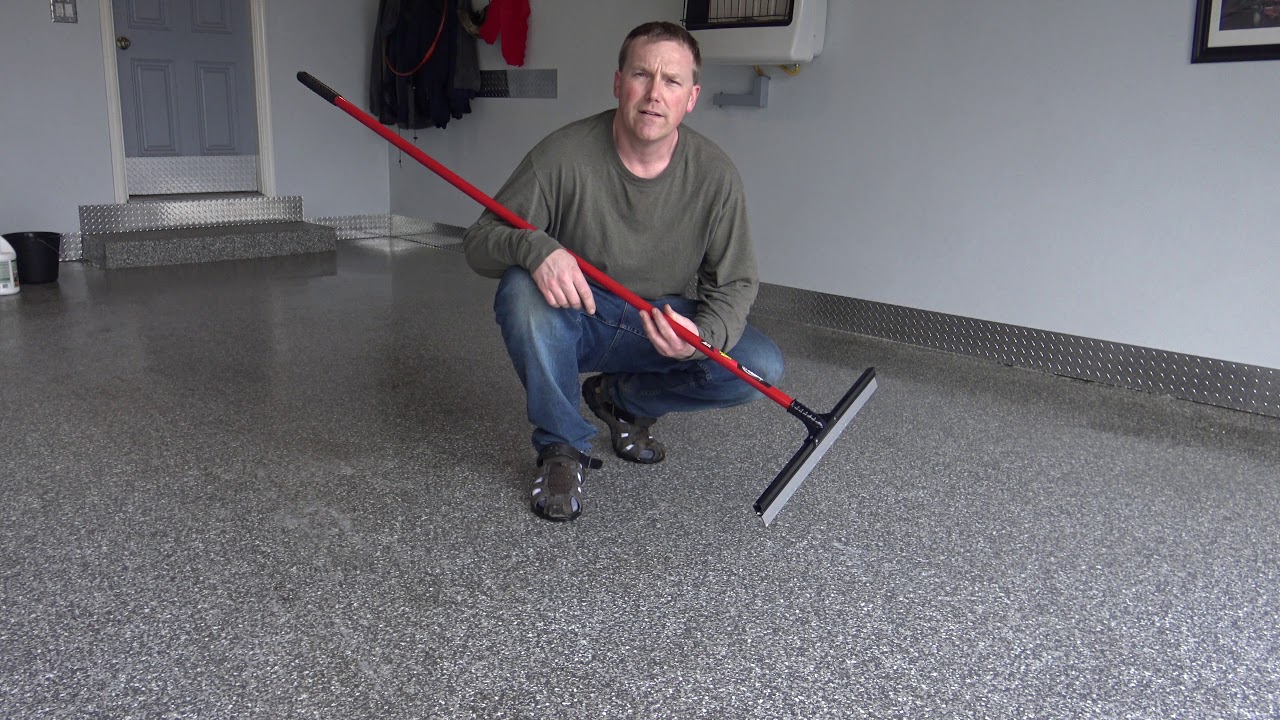
- Squeegee (optional): For pushing excess water off large areas.
- Soft cloths or sponges: For spot cleaning.
- Wet/dry vacuum (optional): Speeds up drying and removes excess water.
Avoid metal scrubbers, stiff brushes, or acidic/alkaline cleaners. These can scratch or damage the epoxy layer. If in doubt, always start with the gentlest option.
Daily And Weekly Cleaning Routines
Regular cleaning is the secret to a long-lasting, glossy epoxy floor. Small bits of sand or grit can act like sandpaper and dull the shine over time. Here’s how to keep your floor looking its best:
Daily Dust Removal
For busy areas like garages or workshops, sweep the floor every day. Use a soft-bristle broom or a wide dust mop. Microfiber works especially well since it attracts dust rather than pushing it around. Don’t forget corners and edges, where debris often hides.
Weekly Mopping
Once a week (or more often for high-traffic spaces), mop the floor with a pH-neutral cleaner. Mix the cleaner with warm water according to the instructions. Mop gently, rinsing the pad often to avoid spreading dirt. If your mop gets dirty quickly, change the water and cleaner halfway through.
For large epoxy floors, a squeegee helps to remove extra water so the surface dries faster and doesn’t leave streaks.
Example Routine
- Sweep debris every day.
- Mop with a gentle cleaner once a week.
- Spot clean spills as soon as they happen.
This routine prevents grit buildup, which is a common cause of scratched or dull epoxy.
Deep Cleaning: Monthly Or Seasonal Care
Even with regular sweeping, some grime will stick to the floor, especially oils or tire marks. Every month (or at least every season), plan a deeper clean. This keeps the epoxy looking new and prevents stubborn stains.
Steps For Deep Cleaning
- Remove all loose dirt: Sweep or vacuum thoroughly.
- Spot treat stains: Apply a small amount of pH-neutral cleaner or diluted ammonia (1/2 cup per gallon of water) to any oil or tough marks. Let it sit for a few minutes.
- Scrub gently: Use a microfiber mop or soft sponge. Avoid scrubbing pads or brushes unless labeled safe for epoxy.
- Mop the entire floor: Use fresh cleaning solution and warm water. Work in sections.
- Rinse and dry: Mop again with clean water to remove any cleaner residue. Dry with a squeegee or let air dry.
What Not To Do
Never use vinegar, citrus, bleach, or strong alkalis. These can damage the epoxy’s surface, causing cloudiness or fading.
Non-obvious Insight
Many people forget to rinse after mopping. Even mild cleaners can leave a film if not removed. This film attracts dirt and makes the floor look dull. Always do a final rinse with plain water.

Credit: infinityepoxyfloors.com
Spot Cleaning Spills And Stains
Epoxy floors resist most stains, but quick action is important for things like oil, brake fluid, or rust.
How To Handle Common Spills
- Oil or grease: Blot with a paper towel. Use a microfiber cloth with a bit of gentle cleaner. Avoid spreading the oil.
- Rust spots: Mix a paste of baking soda and water. Apply gently and rinse. Do not scrub hard.
- Chemical spills: Wipe up immediately. Wash the area with water and mild cleaner.
- Tire marks: Spray with diluted ammonia and gently mop. Rinse well.
Pro Tip
Never let spills dry. Epoxy resists stains, but some chemicals can discolor the surface if left too long.
Removing Stubborn Marks And Stains
Some marks need extra attention. For example, hot tire pickup (when rubber sticks to the floor), paint drips, or sticky residues.
Steps For Tough Stains
- Apply cleaner: Use a little more concentrated pH-neutral cleaner or diluted ammonia.
- Let it soak: Give the cleaner a few minutes to break down the stain.
- Scrub softly: Use a non-scratch pad or microfiber cloth in a circular motion.
- Rinse thoroughly: Remove all cleaner and residue.
- Repeat if needed: Some tough stains may need two or three tries.
What To Avoid
Don’t use abrasive pads or steel wool. These can scratch the epoxy. If a stain will not come off, ask the floor installer for advice before using any strong chemicals.
Cleaning Different Types Of Epoxy Floors
Epoxy is used in many places, from homes to factories. The right cleaning method depends on your specific floor.
Garage Floors
Garages often have oil, brake fluid, and tire marks. Regular sweeping and mopping are key. For heavy stains, use a little diluted ammonia, but always rinse well.
Basements And Living Areas
These floors see less oil but may get dust, pet hair, or drink spills. A soft mop and gentle cleaner are all you need.
Commercial And Industrial Spaces
Factories or shops may have more chemicals or traffic. Use a wet/dry vacuum for large areas. Avoid any harsh degreasers not labeled safe for epoxy.
Example Comparison
Here’s a simple comparison for cleaning different epoxy floor types:
| Floor Area | Common Messes | Best Cleaning Method |
|---|---|---|
| Garage | Oil, tire marks | Daily sweep, weekly mop, spot treat stains |
| Basement | Dust, spills | Weekly mop, spot clean as needed |
| Commercial | Heavy traffic, chemicals | Daily sweep, wet/dry vacuum, approved cleaner |
Choosing The Right Cleaning Products
Not all cleaners are safe for epoxy. Picking the wrong one is a common mistake.
What To Look For
- PH-neutral: Not acidic or alkaline. Safe for epoxy finish.
- No harsh solvents: Avoid products with bleach, vinegar, or citrus.
- No abrasives: Check labels for “safe for epoxy” or “non-scratch.”
Sample Product Types
- Simple Green (diluted)
- Mild dish soap (very diluted)
- Dedicated epoxy floor cleaner
Data Table: Safe Vs Unsafe Cleaners
| Cleaner Type | Safe for Epoxy? | Notes |
|---|---|---|
| pH-neutral floor cleaner | Yes | Best choice for regular use |
| Vinegar | No | Can dull or etch the surface |
| Bleach | No | May cause discoloration |
| Ammonia (diluted) | Yes | Good for tough stains, rinse well |
| Degreaser (industrial) | Check label | Use only if labeled safe for epoxy |
Non-obvious Insight
Many “all-purpose” cleaners are not actually safe for epoxy. Always check the label. When in doubt, test a small hidden area first.
How To Prevent Common Epoxy Floor Problems
The best way to keep epoxy floors shiny is to avoid damage in the first place.
Smart Prevention Tips
- Use mats at entrances: Traps dirt and grit before it gets inside.
- Clean up spills fast: Prevents stains and slip risks.
- Avoid dragging sharp objects: Use pads under heavy furniture.
- Check tires: Hot tires can soften some epoxies. Let tires cool before parking on the floor.
- Limit exposure to sunlight: UV can yellow some epoxy finishes. Use blinds or shades if possible.
Example: Entry Mats
A simple entry mat can reduce up to 80% of incoming dirt, according to cleaning industry studies. This not only protects the floor but reduces cleaning time.
How Often Should You Clean Epoxy Floors?
There is no single answer—it depends on use, location, and traffic. Here’s a practical guide:
- Garages: Sweep daily, mop weekly.
- Basements/living rooms: Mop weekly or as needed.
- Commercial spaces: Sweep and mop daily, deep clean monthly.
If you notice dullness or sticky spots, increase the cleaning frequency. For high-traffic areas, more frequent sweeping prevents scratches.
Mistakes To Avoid When Washing Epoxy Floors
Many owners make simple mistakes that can shorten the life of their epoxy floor. Here are the most common errors:
1. Using Acidic Or Alkaline Cleaners
Products like vinegar, bleach, or strong degreasers can damage the finish. Always use pH-neutral cleaners.
2. Scrubbing With Abrasive Pads
Steel wool, stiff brushes, or rough pads create fine scratches. Over time, these scratches trap dirt and dull the shine.
3. Ignoring Small Spills
Epoxy is resistant, not immune. Letting oil, chemicals, or colored liquids sit can cause stains or slip hazards.
4. Skipping Rinsing
Soap or cleaner left on the floor dries sticky, attracting more dirt. Always rinse with clean water.
5. Overwetting
Flooding the floor with water can cause problems, especially if the floor has cracks or is not fully sealed. Use a damp mop, not soaking wet.
Handling Special Situations
Sometimes, your epoxy floor will face unusual challenges. Here’s how to handle them:
Paint Drops Or Construction Dust
If you paint walls or have construction nearby, cover the floor with drop cloths. Dried paint can often be removed with a plastic scraper, but never use metal tools.
Mold Or Mildew
Epoxy is non-porous, but water left standing can encourage mildew at the edges. Clean and dry spills quickly, and ensure good air flow.
Heavy Equipment Or Furniture
Put soft pads under wheels or legs. Dragging heavy items can scratch or gouge the finish.
Example Table: Common Challenges And Solutions
| Challenge | Solution | Prevention |
|---|---|---|
| Paint splatter | Plastic scraper, gentle cleaner | Use drop cloths during projects |
| Mold at edges | Clean with pH-neutral cleaner, dry area well | Fix leaks, improve ventilation |
| Scratches from furniture | Buff gently, recoat if deep | Use felt pads under legs |
When To Call A Professional
Most cleaning can be done yourself, but sometimes you need expert help:
- Deep scratches or gouges: May need professional repair or recoating.
- Persistent stains: If normal cleaning fails, call a floor specialist.
- Large commercial spaces: Professionals have machines for big jobs.
Professional cleaning can restore shine and fix problems before they get worse. It’s a good idea for annual maintenance in busy areas.
Eco-friendly Cleaning Tips
If you want to minimize chemicals, there are safe ways to clean epoxy floors:
- Use microfiber mops and just warm water for light cleaning.
- Try diluted castile soap (very small amount) for gentle washing.
- Always rinse to prevent any soap residue.
- Open windows for better air flow and faster drying.
Epoxy floors are already low-maintenance, so harsh chemicals are rarely needed.

Credit: liquidfloors.com
How To Keep Epoxy Floors Shiny
The glossy look is one of the main reasons people choose epoxy. Here’s how to keep that shine:
- Clean often to prevent grit from scratching the surface.
- Buff lightly with a dry microfiber mop after cleaning.
- If shine fades over time, ask about a professional topcoat. Never wax an epoxy floor—wax can cause slip hazards and dullness.
- For very large areas, a high-speed buffer (with soft pads) can restore gloss, but always follow the manufacturer’s advice.
Epoxy Floor Cleaning: What Beginners Overlook
Even careful owners often miss a few important points:
- Hidden edges and corners: Dirt builds up along walls and under shelves. Use a hand mop or cloth here every few weeks.
- Drying time: Walking on wet epoxy is slippery. Wait until fully dry before use.
- Product buildup: Even safe cleaners can leave a layer if not rinsed well. This buildup attracts dirt faster.
- Check warranty rules: Some epoxy floors have care requirements for the warranty. Using the wrong cleaner can void coverage.
Credit: www.youtube.com
Real-world Example: Cleaning A Garage Epoxy Floor
Let’s look at a typical garage floor. After a week of normal use, you see dust, a few oil spots, and black tire marks.
- Sweep with a microfiber dust mop. Get into corners.
- Mix a bucket of warm water with a capful of pH-neutral cleaner.
- Spot clean oil stains with a soft cloth and diluted ammonia, rinse area well.
- Mop the entire floor, rinsing the mop often.
- For tire marks, use a bit more cleaner and let sit for 5 minutes before gently scrubbing with a non-scratch pad.
- Rinse the floor with clean water.
- Dry with a squeegee or let air dry with the garage door open.
This process takes about 30 minutes for a two-car garage and keeps the floor looking great for years.
Frequently Asked Questions
How Often Should I Wash My Epoxy Floor?
For most homes, sweep or dust mop daily and wet mop once a week. In garages or busy commercial areas, you may need to mop more often. Deep clean every month or season for best results.
Can I Use Vinegar Or Bleach To Clean Epoxy Floors?
No. Both vinegar and bleach are too harsh and can damage the epoxy surface, causing dullness or even peeling. Always choose a pH-neutral cleaner.
What’s The Best Way To Remove Tire Marks From Epoxy Floors?
Spray the marks with diluted ammonia (about 1/2 cup per gallon of water), let it sit for 5-10 minutes, then gently mop with a microfiber pad. Rinse the area well to avoid residue.
Will Soap Or Detergent Leave A Film On My Epoxy Floor?
If you use too much or don’t rinse well, soap or detergent can leave a sticky film. This attracts dirt and makes the floor look dull. Always rinse with clean water after mopping.
Where Can I Find More Information About Epoxy Floor Care?
The Concrete Polishing Council shares expert advice and standards for maintaining epoxy and other floor finishes. For more details, check the Concrete Polishing Council.
Caring for epoxy floors is straightforward once you know the basics. With the right routine, gentle products, and a little attention to detail, your floor will stay shiny, safe, and beautiful for years. Avoid common mistakes, act quickly on spills, and choose the right tools to get the best results.
Whether your epoxy floor is at home or in a business, good maintenance is always worth the effort.