
Vacuum sealing a mattress might sound strange at first, but it’s one of the most effective ways to compress, move, or store a mattress safely. If you need to move to a new home, ship a mattress, or free up space, vacuum sealing can make this bulky item much more manageable.
Many people do not realize that you can do this at home with the right tools and care. This guide explains every step, the essential equipment, practical tips, and common mistakes to avoid, so you can vacuum seal a mattress successfully—no guesswork, just clear, confident advice.
What Is Vacuum Sealing A Mattress?
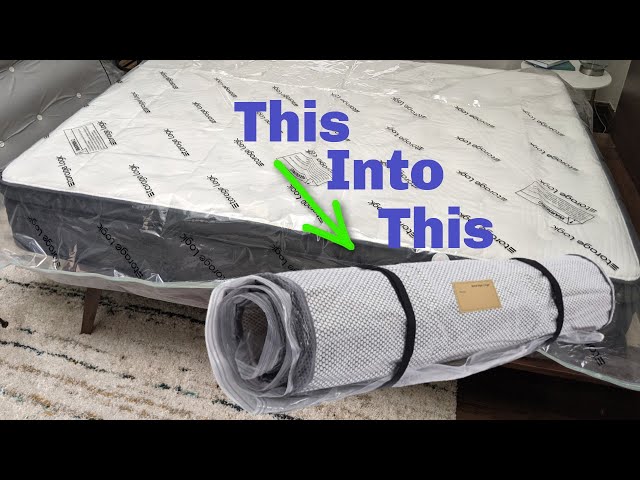
Vacuum sealing a mattress means removing the air inside to compress it tightly. This process uses a vacuum bag and a vacuum cleaner (or similar tool) to suck out all the air. The mattress becomes much smaller and easier to handle. Most new mattresses arrive compressed and vacuum-sealed from the factory, but you can do this at home, too.
Vacuum sealing is popular for moving, storage, and even for returning a mattress for warranty claims. It’s also useful if you want to protect your mattress from dust, moisture, or pests while it’s not in use.
Why Vacuum Seal A Mattress?
There are several reasons why people choose to vacuum seal their mattresses:
- Moving or Relocating – Mattresses are large, heavy, and difficult to fit through doors or into vehicles. Vacuum sealing makes them compact and easier to transport.
- Storage – When you need to store a mattress, vacuum sealing protects it from moisture, mold, bugs, and other damage.
- Shipping – Shipping a mattress is expensive due to its size. A compressed mattress costs less to ship.
- Home Renovation – Vacuum sealing your mattress keeps it safe from dust and debris during renovations.
- Space Saving – If you live in a small space or need to store extra mattresses, vacuum sealing can free up valuable room.
Many people overlook the risk of permanent damage if the wrong methods or tools are used. Sealing memory foam is different from sealing a spring mattress, and not all mattresses handle compression well. This article will help you avoid common pitfalls.

Credit: www.youtube.com
What Types Of Mattresses Can Be Vacuum Sealed?
Not every mattress is suitable for vacuum sealing. Here’s how the main types compare:
| Mattress Type | Can Be Vacuum Sealed? | Notes |
|---|---|---|
| Memory Foam | Yes | Best for sealing; returns to shape easily |
| Latex Foam | Yes | Can be sealed, but avoid leaving sealed too long |
| Pocket Spring | Sometimes | Light compression possible, but risk of spring damage |
| Innerspring | No | Springs can bend or break; avoid sealing |
| Hybrid | Depends | Check manufacturer; light compression only |
Memory foam mattresses are the easiest and safest to vacuum seal. Innerspring mattresses (with large, connected steel springs) can be damaged and are not recommended for vacuum sealing. Hybrid mattresses (foam and springs) need extra caution—always check with the manufacturer first.
Tools And Materials Needed
Before you begin, gather the necessary items. Here’s what you will need:
- Vacuum bag large enough for your mattress size (twin, queen, king, etc.)
- Vacuum cleaner (preferably with a hose attachment)
- Ratchet straps or strong rope (optional, for better compression)
- Plastic wrap or mattress bag (for extra protection)
- Duct tape (for sealing any leaks)
- Scissors (to cut tape or packaging)
- A friend (helpful for larger mattresses)
Many people forget to check the size of the vacuum bag. Most standard vacuum bags are for clothes or bedding and are not large enough for a mattress. Make sure the bag is designed for mattresses—these are usually sold online or at moving supply stores.
Step-by-step Guide: How To Vacuum Seal A Mattress
Follow these detailed steps for a smooth and safe vacuum sealing process.
1. Prepare The Mattress
- Clean the Mattress: Remove any bedding, sheets, or mattress covers. Vacuum the surface to remove dust and dirt.
- Inspect for Damage: Check for tears, holes, or weak spots. Vacuum sealing can worsen existing damage.
- Dry Completely: Make sure the mattress is 100% dry. Moisture trapped inside can lead to mold or mildew.
2. Choose The Right Vacuum Bag
- Size Matters: Match the bag to your mattress size. Too small, and it will not fit; too large, and you’ll waste space.
- Quality Counts: Use a thick, puncture-resistant bag. Thin bags can tear under pressure.
- Valve Position: The valve (where you attach the vacuum) should be easy to access.
3. Place The Mattress In The Bag
- Lay Flat: Lay the mattress flat on the floor, not upright. This helps with even compression.
- Slide In Carefully: With two people, it’s easier to slide the mattress into the bag without bending or folding.
- Align Edges: Make sure the mattress fits smoothly in the bag, with minimal air pockets.
4. Seal The Bag
- Zip or Tape Shut: Many vacuum bags have a zipper seal. Run your hand along the zipper to ensure it’s closed. If using a plastic bag, seal the open end tightly with duct tape.
- Double Check: Press along the seal to check for leaks.
5. Attach The Vacuum
- Find the Valve: Locate the vacuum port on the bag.
- Connect the Hose: Fit the vacuum cleaner hose snugly over the valve.
- Secure Connection: Hold the hose in place to avoid air leaks.
6. Remove The Air
- Turn on the Vacuum: Start the vacuum cleaner. You’ll see the mattress compress as the air is sucked out.
- Watch Closely: Stop if you hear strange noises or see the bag stretching too much.
- Compress Evenly: For large mattresses, you might need to press down gently or walk on the mattress (with socks or bare feet) to help air escape.
- Do Not Overcompress: Stop when the mattress is flat and firm, but not rock-hard. Overcompressing can damage the foam or springs.
7. Secure The Mattress
- Add Ratchet Straps: For extra compression, wrap ratchet straps or rope around the sealed mattress and tighten.
- Tape the Bag: Tape over the valve for a secure seal.
- Check for Leaks: Listen and feel for escaping air. If you find a leak, patch with duct tape.
8. Store Or Move
- Store Flat: Always store the sealed mattress flat, not upright, to avoid bending or warping.
- Protect From Sunlight: Keep the mattress out of direct sunlight and extreme heat.
- Limit Time Sealed: Do not leave a mattress vacuum-sealed for more than 2-3 months. Foam can lose its ability to rebound if compressed too long.
Practical Tips For Vacuum Sealing Mattresses
Here are some expert tips that make a big difference:
- Label the Bag: Write the mattress size or owner’s name on the bag if you’re storing multiple mattresses.
- Use a Mattress Cover: For long-term storage, use a mattress cover before sealing. This adds another layer of protection.
- Don’t Fold Too Much: Some memory foam mattresses can be folded once for transport, but folding too tightly can crack the foam.
- Avoid Cheap Vacuum Bags: Cheap bags may save money at first, but they’re more likely to tear and ruin your mattress.
- Check Manufacturer’s Warranty: Some warranties are void if you vacuum seal or fold the mattress.
Common Mistakes To Avoid
Many people make errors that can ruin a mattress or reduce its lifespan. Here’s what to watch out for:
- Using the Wrong Bag Size – Forcing a mattress into a too-small bag can cause rips or uneven compression.
- Leaving Sealed Too Long – Mattresses, especially foam, should not stay compressed for more than a few months.
- Ignoring Moisture – Any moisture trapped inside will cause mold and odors.
- Sealing Innerspring Mattresses – Springs can permanently bend or break, making the mattress uncomfortable or unusable.
- Overcompressing – Sucking out too much air can crush the foam and make it difficult to recover its original shape.
- Not Checking for Leaks – Even a small leak can let air and moisture in, ruining the seal.
- Skipping Protection for Storage – Not using an extra cover or wrapping can expose the mattress to pests or dirt.
How Long Can A Mattress Stay Vacuum Sealed?
This is a common question, and the answer depends on the mattress type:
- Memory Foam: Up to 2-3 months; longer may affect its ability to expand and comfort.
- Latex Foam: 1-2 months maximum; latex is sensitive to long-term compression.
- Hybrid: 1 month or less is safest.
- Innerspring: Should not be vacuum sealed at all.
Manufacturers compress new mattresses for shipping, but their equipment is much stronger and more precise than home tools. If you keep a mattress vacuum-sealed too long, it may never fully expand or feel comfortable again.

Credit: www.amazon.com
Re-expanding The Mattress: What To Expect
Once you’re ready to use the mattress again, follow these steps for best results:
- Unwrap Carefully: Cut the bag open gently with scissors. Do not use sharp knives that could damage the mattress.
- Allow to Expand: Place the mattress in a warm, well-ventilated room. Foam mattresses usually need 24-48 hours to fully re-inflate.
- Check Shape and Comfort: Inspect for lumps, uneven areas, or damage. Some wrinkles are normal and will fade over time.
- Air Out Odors: Some mattresses may have a “factory” smell after being sealed. Airing out for a day usually removes it.
If the mattress doesn’t fully expand after 48 hours, contact the manufacturer. Some brands offer advice or warranties for these situations.
Is Vacuum Sealing Safe For All Mattresses?
Vacuum sealing is safe for most memory foam and latex mattresses if done correctly. However, it is not recommended for innerspring mattresses, waterbeds, or air mattresses. These types rely on air or metal structures that do not handle compression well.
If you are unsure, always check the manufacturer’s guidelines. Some mattresses have unique materials or layers that may react poorly to vacuum sealing.
Environmental And Health Considerations
Vacuum sealing can protect your mattress from:
- Dust mites and allergens
- Bed bugs
- Moisture and mold
- Pet hair and dander
If you or your family have allergies, storing a mattress this way can reduce health risks. However, never seal a mattress that is already moldy or dirty—sealing will only trap the problem inside.
For long-term storage, choose a cool, dry, and dark location. Extreme heat can damage foam and adhesives inside the mattress.
How Much Space Can You Save?
Vacuum sealing a mattress can reduce its size by up to 80% for foam mattresses. This means a queen-size mattress (usually about 12 inches thick) can be compressed to just 2-3 inches in height.
Here’s a quick comparison:
| Mattress Size | Original Thickness | Compressed Thickness | Space Saved |
|---|---|---|---|
| Twin | 8-10 in | 2-3 in | 70-75% |
| Queen | 10-12 in | 2-4 in | 70-80% |
| King | 12-14 in | 3-5 in | 70-80% |
This makes moving or storing much easier. Remember, these numbers are for foam mattresses; spring models cannot be compressed as much.
Vacuum Sealing Vs. Other Mattress Storage Methods
How Does Vacuum Sealing Compare To Other Popular Storage Methods?
| Storage Method | Space Efficiency | Protection | Best For |
|---|---|---|---|
| Vacuum Sealing | High | Excellent (dust, bugs, moisture) | Foam mattresses, short/medium-term |
| Plastic Mattress Bag | Low | Good (dirt, minor moisture) | Any mattress, long-term |
| Cloth Mattress Cover | None | Minimal (dust only) | Temporary storage, moving within home |
Vacuum sealing offers the best space savings and protection for the right type of mattress. For expensive or heirloom mattresses, consider professional storage or climate-controlled storage units.
When Should You Not Vacuum Seal A Mattress?
Vacuum sealing is not always the best option. Do not vacuum seal if:
- The mattress is an innerspring or hybrid with thick coils.
- The mattress is wet, moldy, or infested with bugs.
- The mattress is very old or already damaged.
- The manufacturer’s warranty forbids it.
- You need to store it for more than 3 months.
In these cases, use a plastic mattress bag with silica gel packs inside to control moisture.
How To Choose A Vacuum Bag For Your Mattress
Not all vacuum bags are the same. Here’s what to look for:
- Material Thickness: At least 100 microns thick to resist punctures.
- Seal Type: Double zip or triple seal is best.
- Valve Quality: A one-way valve holds the vacuum better.
- Size: Check the bag dimensions against your mattress before buying.
- Brand Reputation: Read reviews and choose a brand known for quality.
Some vacuum bags are reusable, but most for mattresses are single-use due to the strain of compression.
Professional Mattress Compression Services
If you’re not comfortable vacuum sealing yourself, some moving companies offer professional compression and packing. This is especially common for high-value or specialty mattresses. They use commercial equipment for even, safe compression and can also help with storage.
While this costs more, it can be worth it for large or expensive mattresses.
Real-life Example: Moving Across The Country
Imagine you’re moving from New York to California. You have a queen-size memory foam mattress. Shipping it without compression would cost over $300 due to its size. With vacuum sealing, you reduce shipping to under $100 because of the smaller package.
The process takes about 30 minutes with two people and the right equipment. When you arrive, you allow 24-48 hours for the mattress to expand. This saves both money and space—plus, your mattress arrives clean and protected.
Expert Insights: What Beginners Often Miss
Two key points beginners often overlook:
- Air leaks can ruin the seal. Even a tiny hole will let air and moisture in, undoing your hard work. Always check for leaks before storing or moving the mattress.
- Mattress warranties may be voided. Many people don’t read the fine print—some manufacturers will not honor the warranty if the mattress has been folded, compressed, or vacuum sealed after purchase. Always check before starting.
A third insight: Overcompressing reduces comfort. It might seem better to make the mattress as flat as possible, but compressing beyond a certain point can permanently change the foam’s cell structure. The mattress may never feel the same again.
Extra Precautions For Long-term Storage
If you need to store a mattress for more than a month, take these extra steps:
- Add silica gel packs inside the bag to absorb moisture.
- Store in a climate-controlled area if possible.
- Inspect every month if practical, to catch any leaks or damage early.
- Elevate the mattress off the floor to prevent condensation damage.
When To Call A Professional
If your mattress is expensive, custom-made, or you’re unsure about the process, consider hiring a pro. Some moving companies have experience with mattress compression and can guarantee safe handling.
Credit: www.youtube.com
Additional Resources
For further reading on mattress types and care, see the helpful guide at Wikipedia.
Frequently Asked Questions
How Long Can I Keep My Mattress Vacuum Sealed?
Most foam mattresses can be kept vacuum sealed for up to 2-3 months without damage. Beyond this, the foam may lose its ability to fully expand and feel comfortable. Always check your mattress type and manufacturer’s guidelines for maximum storage time.
Can I Vacuum Seal An Innerspring Mattress?
No, it is not recommended. The steel springs can bend, break, or lose support if compressed. Innerspring mattresses are best stored in a plastic bag without vacuum sealing.
What If Air Leaks Back Into The Bag?
If air leaks in, the mattress will expand and may be damaged if trapped inside a small space. Check the seals and patch any holes with duct tape. If the seal cannot be fixed, remove the mattress and try with a new bag.
Is Vacuum Sealing Safe For Memory Foam Mattresses?
Yes, vacuum sealing is safe for most memory foam mattresses if done properly and not left compressed for too long. Make sure the mattress is clean, dry, and not overcompressed.
Will Vacuum Sealing Void My Mattress Warranty?
It may, depending on the manufacturer. Many warranties do not cover damage from folding, compressing, or vacuum sealing after purchase. Always read the warranty terms before sealing your mattress.
Vacuum sealing a mattress is a practical way to solve many moving and storage problems, but it requires careful attention to detail. By following the steps and advice in this guide, you can protect your investment and avoid common mistakes.
Remember, the key is to use the right tools, check your mattress type, and never rush the process. With a little preparation, your mattress will be ready for its next use—clean, compact, and comfortable.