
Hanging a cuckoo clock is more than just a home improvement task—it’s a tradition that brings a unique charm into your space. These clocks, famous for their lively cuckoo calls and intricate designs, need careful handling and correct installation. Many people make mistakes when mounting their cuckoo clocks, which can lead to timekeeping issues, damage, or even accidents.
If you want your cuckoo clock to run smoothly and last for generations, you need to know not just where to hang it, but also how to prepare, install, and maintain it properly.
In this guide, you’ll learn everything you need: from choosing the right spot on your wall, to balancing and starting your clock, to troubleshooting common problems after installation. You’ll also get insights on how to care for your cuckoo clock over time, avoid beginner mistakes, and understand the small details that make a big difference. Whether you just bought your first Black Forest cuckoo clock or inherited a family heirloom, this article will give you the confidence to display it beautifully and keep it ticking reliably.
Understanding Your Cuckoo Clock
Before you touch a screwdriver, it’s important to know what kind of cuckoo clock you have. There are different types, and each has its own requirements for hanging and operation.
Types Of Cuckoo Clocks
- One-day movement clocks: Need winding every 24 hours.
- Eight-day movement clocks: Need winding once a week.
- Quartz cuckoo clocks: Battery-operated, do not need winding.
Traditional cuckoo clocks often have weights and chains, while modern ones might have electronic parts. Understanding your clock’s movement helps you decide how high to hang it and how much space you need for the chains and weights.
Key Parts To Know
- Case: The wooden body that holds all components.
- Weights: Often shaped like pinecones, these power the movement.
- Chains: Used to wind the clock by pulling.
- Pendulum: Swings back and forth to regulate time.
- Cuckoo mechanism: Triggers the bird’s call.
Misunderstanding any of these elements can lead to improper hanging, which affects performance.
Choosing The Right Location
Where you hang your cuckoo clock affects how well it works and how long it lasts.
Factors To Consider
- Wall strength: The wall must be strong enough to hold the clock and the swinging weights. Plaster, brick, or wood walls work best.
- Height: Most cuckoo clocks should be mounted so the bottom of the weights can hang freely, usually about 6 feet from the floor. For eight-day clocks, you may need more space.
- Sunlight: Avoid direct sunlight, which can fade the wood and artwork.
- Humidity: High humidity can warp wood and damage the movement.
- Vibration and noise: Don’t hang the clock near doors, windows, or speakers where vibrations are common.
- Visibility: Choose a place where you can admire the clock and hear the cuckoo sound.
Common Mistakes
A common error is hanging the clock too close to the floor or ceiling, which can cause weights to hit surfaces and stop the clock. Another mistake is using weak drywall anchors, which can pull out over time.
Tools And Materials Needed
Having the right tools ready will make the process smoother and safer.
- Screwdriver (usually Phillips)
- Drill (for wall anchors)
- Level (small bubble level or phone app)
- Measuring tape
- Hammer (for wall hooks)
- Wall anchors or screws (sturdy enough for 6-10 lbs)
- Pencil (for marking)
- Protective gloves (optional)
- Step ladder
Some cuckoo clocks come with a wall hook in the box. If not, choose a strong hook rated for at least 10 lbs to be safe.
Preparing The Wall
Proper wall preparation prevents future accidents and keeps your clock safe.
Steps To Prepare
- Find a wall stud: If possible, anchor the hook into a stud. Use a stud finder or tap and listen for a solid sound.
- Mark the height: Measure how much chain and weight length you need. Most chains are 3-5 feet long. Mark the spot so the bottom of the lowest weight stays 6-12 inches above the floor.
- Check for obstacles: Make sure nothing (like shelves, light switches, or curtains) will block the weights, pendulum, or chains.
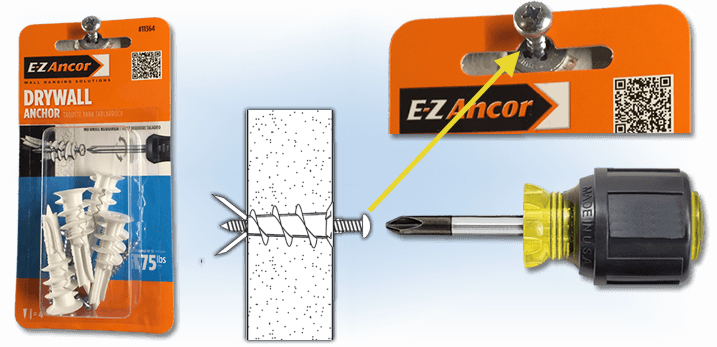
- Drill or tap the hook: If using wall anchors, drill a hole first. For wood or brick, a strong screw may be enough.
Table: Wall Types Vs. Suitable Anchors
| Wall Type | Best Anchor/Hook | Notes |
|---|---|---|
| Drywall | Heavy-duty wall anchor | Use if no stud is available |
| Brick/Concrete | Masonry screw or anchor | Use a hammer drill for installation |
| Wood | Wood screw hook | Anchor directly into stud for best support |
| Plaster | Toggle bolt anchor | Be gentle to avoid cracking |
Credit: www.bavarianclockworks.com
Unpacking And Assembling Your Cuckoo Clock
Handle your clock with care, especially if it’s new or has moving parts.
Unpacking Steps
- Open the box gently: Remove all packing material.
- Find the instructions: Read the manufacturer’s guide for any special steps.
- Locate the chains, pendulum, and weights: These are often packed separately.
- Check for shipping clips or ties: Many clocks have clips to hold the cuckoo bird or bellows in place during shipping—remove these carefully.
Assembling
- Attach the pendulum: Usually hooks onto a small wire below the clock.
- Hang the weights: Wait until the clock is mounted to add these.
- Untangle the chains: Hold the clock upside down and gently pull the chains until they move freely. Never force them, as this can damage the movement.
A common beginner mistake is forgetting to remove shipping clips, which can jam the mechanism.
Hanging The Cuckoo Clock
Now you’re ready to mount the clock. Take your time—rushing can lead to mistakes.
Step-by-step Guide
- Hold the clock at the marked spot: Use both hands.
- Hang the clock on the hook or screw: Make sure it sits flush against the wall.
- Check for level: Place a small level on top. The clock must be perfectly straight for the pendulum to swing properly.
- Adjust if needed: If the clock leans, the pendulum may hit the side or stop. Adjust the hook or use a small wedge behind the clock if needed.
Table: Cuckoo Clock Weight And Hook Strength
| Clock Size | Typical Weight (lbs) | Recommended Hook Strength |
|---|---|---|
| Small (1-day) | 4-6 | 10 lbs |
| Medium (8-day) | 7-9 | 15 lbs |
| Large/Antique | 10-15 | 20 lbs |
Always choose a hook with a higher weight rating than your clock to avoid future problems.
Installing Chains, Weights, And Pendulum
With the clock mounted, you can add the moving parts.
Attaching The Chains
- Feed the chains down: Make sure the chains hang straight with the end loops at the bottom.
- Check for tangles: If a chain doesn’t move, gently shake or pull. Never force.
Hanging The Weights
- Attach to the hooks: Most weights hook onto small wire loops at the end of each chain.
- Space below: Ensure there is enough room for weights to drop without touching the floor.
Installing The Pendulum
- Hook onto wire: The pendulum has a slot or hook that fits onto a thin wire below the clock.
- Test the swing: Gently move the pendulum. It should swing freely and not hit the case.
Non-obvious Insight
Many beginners don’t realize that even a small tilt in the clock can stop the pendulum. Use a level both above and below the clock to double-check.
Setting Up And Starting The Cuckoo Clock
Starting your clock is more than just winding it. You must set the time, wind the chains, and make sure everything is balanced.
Winding The Clock
- Pull the free end of each chain: This raises the weights.
- Wind all the way up: Don’t overwind, but make sure the weights are near the clock.
Setting The Time
- Move the minute hand: Always move clockwise, never counterclockwise.
- Pause at each hour and half-hour: If your clock cuckoos, let it finish before moving the hand further.
Starting The Pendulum
- Push gently left or right: Listen for a regular “tick-tock” sound.
- Adjust the clock: If the ticking is uneven, tilt the clock slightly left or right until the ticking becomes even.
Example
If you hear “tick-tick-tock” instead of “tick-tock-tick-tock”, your clock is not level.
Starting A Quartz Cuckoo Clock
If your clock is battery-powered, insert the batteries as directed and turn the switch to “on”. No winding is needed.
Fine-tuning For Accurate Time
Even after you hang your cuckoo clock, you may need to make small adjustments for perfect timekeeping.
Adjusting The Pendulum
- Move the pendulum leaf up: Clock runs faster.
- Move the pendulum leaf down: Clock runs slower.
Check Timekeeping
- Compare with a phone or digital clock over 24 hours.
- Adjust the pendulum as needed.
Common Adjustment Errors
Some people move the hour hand instead of the minute hand—this can break the mechanism. Also, moving the pendulum leaf too much can overcorrect, so make small adjustments.
Caring For Your Cuckoo Clock
A well-maintained cuckoo clock can last generations. A neglected clock can quickly wear out or stop working.
Regular Maintenance
- Dusting: Use a soft brush or dry cloth. Never spray cleaners directly on the clock.
- Avoid moisture: Moisture can cause wood to swell and metal parts to rust.
- Check chains and weights: Make sure they move smoothly and aren’t tangled.
- Oil movement every 3-5 years: This should be done by a professional. DIY oiling can cause damage if not done properly.
Table: Maintenance Schedule
| Task | Frequency | Notes |
|---|---|---|
| Dust exterior | Monthly | Use a soft brush |
| Check chains/weights | Weekly | Look for tangles or snags |
| Professional oiling | Every 3-5 years | Prevents wear |
| Check level | Annually | Walls can settle over time |
Non-obvious Insight
If you move your clock for painting or cleaning, always remove the weights and pendulum first. This prevents accidental drops or damage to the movement.
Common Problems And Troubleshooting
Even with proper installation, you might encounter issues. Here’s how to handle them.
Cuckoo Clock Won’t Run
- Check if level: Most problems come from the clock being slightly off-level.
- Check weights and chains: Make sure weights are not stuck or touching anything.
Cuckoo Doesn’t Call
- Check the night shut-off: Many clocks have a switch to silence the cuckoo at night. Make sure it’s not engaged.
- Look for shipping clips: If you forgot to remove them, the cuckoo bird might not move.
Weights Drop Too Fast
- Pendulum too low: Move the pendulum leaf up to slow the clock.
- Clock is overwound: Unlikely with mechanical clocks, but possible with some quartz models.
Timekeeping Is Off
- Adjust pendulum leaf: Move up to speed up, down to slow down.
- Check for drafts: Air movement from vents or open windows can affect the pendulum swing.
Chains Won’t Move
- Chains tangled: Gently untangle.
- Chain off sprocket: This often requires professional repair.
Real Example
One owner found their cuckoo stopped every afternoon. The cause? Sunlight heated the wall, causing it to expand and tilt the clock. A small wedge fixed the problem.
Safety Tips And Best Practices
Cuckoo clocks are heavy and have moving parts. Here’s how to keep your clock, your wall, and yourself safe.
- Always use a strong anchor: Never rely on small nails or picture hooks.
- Keep away from children and pets: Swinging weights can be dangerous if pulled.
- Never hang above beds or couches: If the clock falls, it can cause injury.
- Inspect regularly: Look for signs the hook is loosening or the wall is cracking.
- Use gloves: When handling weights, to avoid fingerprints and protect delicate finishes.
Credit: my-wall-clock.com
Moving Or Relocating Your Cuckoo Clock
If you need to paint, move, or transport your clock, take precautions.
Steps To Safely Move
- Remove weights and pendulum: Always first.
- Secure chains: Use twist ties or string to keep chains from falling inside the case.
- Wrap the clock: Use bubble wrap or soft towels.
- Handle gently: Never carry the clock by the pendulum or weights.
Non-obvious Insight
If the chains slip inside the clock, you may need to open the case to retrieve them—a tricky task best left to professionals.
Display And Aesthetic Tips
Hanging your cuckoo clock is about function, but also style. Here’s how to make it a centerpiece.
- Match clock style to room décor: Traditional clocks fit rustic or classic rooms, while modern ones can complement contemporary spaces.
- Lighting: Use soft lighting to highlight carvings, but avoid direct spotlights.
- Grouping: Cuckoo clocks also look great in a gallery wall with other clocks or artwork.
- Avoid clutter: Give the clock space to “breathe” on the wall.
Why Cuckoo Clocks Need Special Care
Unlike regular wall clocks, cuckoo clocks have moving parts exposed to air, dust, and movement. The cuckoo mechanism is delicate and can be thrown off by tilting or mishandling. Even the wood type affects how a clock ages; for example, Black Forest clocks are made from soft woods that can warp if not cared for.
Some people think a cuckoo clock can be hung like any picture frame, but this often leads to problems. The pendulum and chains need vertical space, and the weights require a smooth drop to keep the clock running. This is why cuckoo clock shops always give special instructions.
Expert Tips For Long-term Success
If you want your cuckoo clock to last, follow these advanced but simple tips:
- Record installation details: Write down the height and exact hook location. If the clock ever needs to be moved, you can reinstall it perfectly.
- Use a surge protector: For quartz clocks, this protects electronics from power spikes.
- Control humidity: A room humidifier or dehumidifier can help keep wood from swelling or shrinking.
- Annual checkup: Have a clockmaker inspect your clock every few years.
- Educate family members: Show everyone how the clock works so children and guests don’t accidentally pull on weights or chains.

Credit: my-wall-clock.com
Frequently Asked Questions
How High Should I Hang My Cuckoo Clock?
For most cuckoo clocks, the bottom of the weights should hang about 6 to 12 inches above the floor when fully unwound. This ensures the weights can move freely without touching the floor, but the exact height depends on the length of your chains and the type of clock.
Can I Hang A Cuckoo Clock On Drywall Without A Stud?
Yes, but only if you use a heavy-duty wall anchor rated for at least 10-15 lbs. It’s always safer to anchor into a stud, but proper anchors can support most clocks if studs are not available.
What Should I Do If My Cuckoo Clock Is Running Too Fast Or Too Slow?
Adjust the pendulum leaf: move it up to make the clock run faster, or down to slow it down. Make small adjustments and check the time over 24 hours before making further changes.
Is It Safe To Hang A Cuckoo Clock Above A Doorway Or Window?
It’s best to avoid hanging your cuckoo clock above doors or windows. Vibrations from opening and closing can affect the clock’s accuracy, and temperature changes near windows can warp the wood.
Where Can I Learn More About Traditional Cuckoo Clocks?
For more detailed history and care tips, visit the Wikipedia page on cuckoo clocks. It’s a trusted resource for in-depth information.
Hanging a cuckoo clock is a rewarding project that adds beauty and tradition to your home. With careful preparation, the right tools, and an understanding of how your clock works, you’ll enjoy its charming call and timeless design for years to come.