
Many homeowners worry about the condition of the floor beneath their feet. You might notice a squeak, a sag, or a musty smell and wonder: is my subfloor rotten? The subfloor is a hidden but essential part of any home. It supports your flooring and helps keep your house stable and safe. If it becomes damaged, small problems can quickly turn into expensive repairs. That’s why learning how to tell if a subfloor is rotten is so important—whether you’re buying a house, planning a renovation, or just maintaining your current home.
Spotting a rotten subfloor isn’t always easy. The warning signs can be subtle, and many people miss them until the damage gets worse. But with the right knowledge, you can catch issues early, prevent accidents, and save money. In this article, you’ll learn exactly how to check your subfloor for rot, what symptoms to look for, and what steps to take if you find a problem.
You’ll also discover common mistakes homeowners make and simple tips that can help you avoid trouble in the future.
Let’s explore everything you need to know to protect your home from the hidden dangers of a rotten subfloor.
What Is A Subfloor And Why Does It Matter?
Before you can spot problems, you need to know what a subfloor is. The subfloor is the layer of material that sits below your main flooring (like carpet, tile, or hardwood) and above the floor joists. It acts as the foundation for your walking surface. Most homes use plywood, oriented strand board (OSB), or sometimes old plank boards as subfloor material.
A strong, dry subfloor keeps your floors level, prevents squeaks, and supports heavy furniture. If the subfloor gets wet or starts to rot, it can lead to:
- Sagging or uneven floors
- Mold and mildew growth
- Dangerous weak spots
- Damage to finished flooring
- Expensive repairs
Understanding how to check for rot can help you keep your home safe and comfortable.
Why Do Subfloors Rot?
Rot happens when the subfloor stays wet for a long time. Most rot comes from water leaks, high humidity, or poor ventilation. Common causes include:
- Plumbing leaks from sinks, toilets, or tubs
- Broken appliances like dishwashers or washing machines
- Roof leaks that drip down inside walls
- Flooding or standing water
- Condensation in basements or crawl spaces
When wood stays wet, it becomes soft and can start to break down. Fungi and mold thrive in damp conditions, making the damage worse. Over time, the wood loses strength and can even fall apart.
Credit: atcharlotteshouse.com
Warning Signs Of A Rotten Subfloor
Catching rot early is the key to preventing major repairs. Here are the clearest signs that your subfloor may be in trouble:
1. Spongy Or Soft Spots
If you walk across the floor and notice it feels spongy, bouncy, or soft, it could mean the subfloor has weakened. Try pressing your foot firmly in different areas. If it gives way or feels springy, that’s a warning sign.
2. Floors That Sag Or Dip
Check for areas where the floor isn’t level. Use a long level, or just look for spots where furniture wobbles. Sagging often means the subfloor has lost its strength, usually from water damage or rot.
3. Squeaking Or Creaking Sounds
All houses make some noise, but loud or new squeaks—especially in one area—can mean the subfloor is coming loose from the joists or the wood is deteriorating.
4. Musty Or Moldy Smells
Rotten wood often smells musty or earthy. If you notice these odors—especially after rain or in humid weather—check the area for moisture or visible mold.
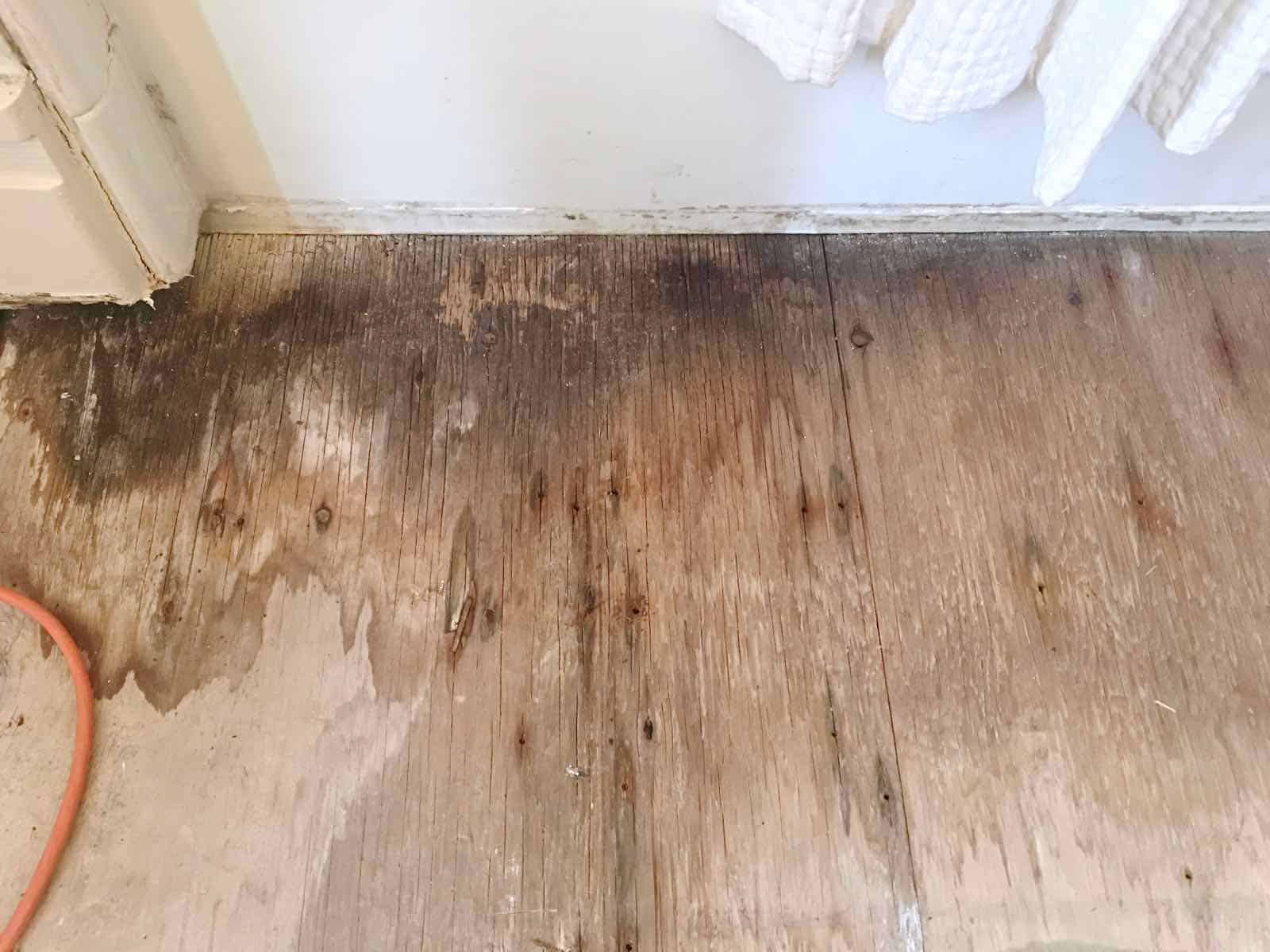
5. Stains Or Discoloration
Look for dark or discolored patches on your floors, especially near water sources. Water stains, peeling vinyl, or warped wood can mean the subfloor underneath is damaged.
6. Visible Mold Or Mildew
If you spot mold growing along baseboards, under carpets, or around bathrooms, there’s a good chance the subfloor is wet and possibly rotting.
7. Cracked Or Loose Tiles
Tiles that crack, grout that crumbles, or sections of flooring that come loose may point to a weak or rotting subfloor below.
8. Gaps Or Separation
If you see gaps between flooring boards or tiles moving apart, the subfloor might be shrinking, swelling, or decaying.
9. Bugs Or Insects
Certain insects, like termites and carpenter ants, are drawn to damp, rotting wood. If you notice increased pest activity, inspect the subfloor.
10. High Indoor Humidity
Homes with high humidity (over 60%) are at greater risk for rot. Use a hygrometer to check humidity, especially in basements or bathrooms.
Non-obvious Insight: Sometimes, Pets Are The First To Notice A Problem. If Your Dog Or Cat Avoids A Certain Part Of The Floor Or Seems Nervous Walking There, It’s Worth Checking That Area.
Tools And Methods For Checking Subfloor Rot
You don’t have to be a professional to check your subfloor. Many tests are simple and use common tools.
Basic Tools You’ll Need
- Flashlight
- Screwdriver or awl
- Utility knife
- Moisture meter (optional, but helpful)
- Hammer
How To Check Without Removing Flooring
- Walk and Listen: Move slowly across the floor, feeling for soft spots and listening for squeaks.
- Press with a Tool: Push a screwdriver or awl into the floor in suspect areas. Solid wood should resist; if the tool sinks in easily, the wood may be rotten.
- Check Under Rugs or Mats: Lift area rugs or mats and inspect for stains, warping, or mold.
- Sniff for Odors: Smell close to the floor in different rooms, especially around bathrooms, kitchens, and basements.
Inspecting From Below
If you have a basement or crawl space, you can check the subfloor from underneath:
- Use a flashlight to look for dark spots, mold, or water stains.
- Tap the wood with a hammer. Rotten wood sounds hollow or dull compared to healthy wood.
- Insert a screwdriver into the wood. If it penetrates easily, the wood is likely rotting.
Using A Moisture Meter
A moisture meter can measure the water content in wood. Healthy subfloor wood should have less than 15% moisture. Anything higher, especially above 20%, is a risk for rot. These meters are affordable and can be found at most hardware stores.
Cutting A Small Test Hole
If you suspect a problem but can’t see it, you may need to cut a small hole in the flooring to inspect the subfloor directly. Use a utility knife or small saw to remove a section, then check the wood underneath.
Only do this if you’re prepared to patch the flooring afterward.
Safety Note
Always wear gloves and a mask if you suspect mold or rot. Some molds can cause health problems if you breathe in the spores.
Rooms Most At Risk For Rotten Subfloors
Certain parts of your home are more likely to have subfloor rot. Focus your checks here:
- Bathrooms: Leaks from toilets, tubs, and sinks are common.
- Kitchens: Dishwashers, refrigerators, and sinks can all leak or overflow.
- Laundry rooms: Washing machines and water heaters are frequent sources of water damage.
- Entryways: Wet shoes and umbrellas can soak the floor.
- Basements and Crawl Spaces: These are naturally damp and often poorly ventilated.
- Near Windows and Exterior Doors: Rainwater can seep in if seals are broken.
A common mistake is only checking visible areas. Always inspect under cabinets, behind toilets, and in corners where water can collect.
Comparing Subfloor Materials: Which Rot Faster?
Different subfloor materials react to moisture in different ways. Here’s a simple comparison:
| Material | Water Resistance | Rot Speed | Common Use |
|---|---|---|---|
| Plywood | Moderate | Medium | Most homes built since 1950s |
| Oriented Strand Board (OSB) | Low | Faster | Modern homes, cheaper construction |
| Plank Boards | High (old-growth wood) | Slow | Older homes (pre-1950s) |
| Cement Board | Very High | Very Slow | Under tile in baths, kitchens |
OSB tends to absorb water faster and breaks down quicker than plywood. If your home uses OSB, be extra careful with water leaks.
How Fast Does Subfloor Rot Spread?
Rot can start quickly if the conditions are right. Here are some facts:
- Visible damage can appear in as little as a week if there’s a major leak.
- Slow leaks (like a dripping pipe) may take months before you notice any symptoms.
- Mold can start growing within 24–48 hours in a damp subfloor.
- Once rot begins, it rarely stops without intervention.
The key is that wood rot rarely fixes itself. Once it starts, it usually spreads unless you remove the source of moisture and repair the damage.
Common Mistakes When Checking For Subfloor Rot
Many homeowners make errors when inspecting their subfloors. Avoid these pitfalls:
- Ignoring small leaks: Even tiny drips can cause big problems over time.
- Only checking visible areas: Rot often starts in hidden spots.
- Trusting squeaks alone: Not all squeaks mean rot—sometimes they’re just loose nails.
- Not checking humidity: High indoor moisture can cause damage even without leaks.
- Assuming new homes are safe: New construction can have hidden leaks or poor installation.
A non-obvious insight: Subfloor rot is often “silent” for months. If you had a leak, even if it looks dry now, check the subfloor anyway.
Credit: www.baycrawlspace.com
What To Do If You Find Rotten Subfloor
Discovering rot in your subfloor can be worrying, but acting quickly will save you money and stress. Here’s what to do:
- Stop the Source of Moisture: Fix leaks, plumbing, or any water source immediately.
- Assess the Damage: How large is the rotten area? Is it soft, crumbly, or moldy?
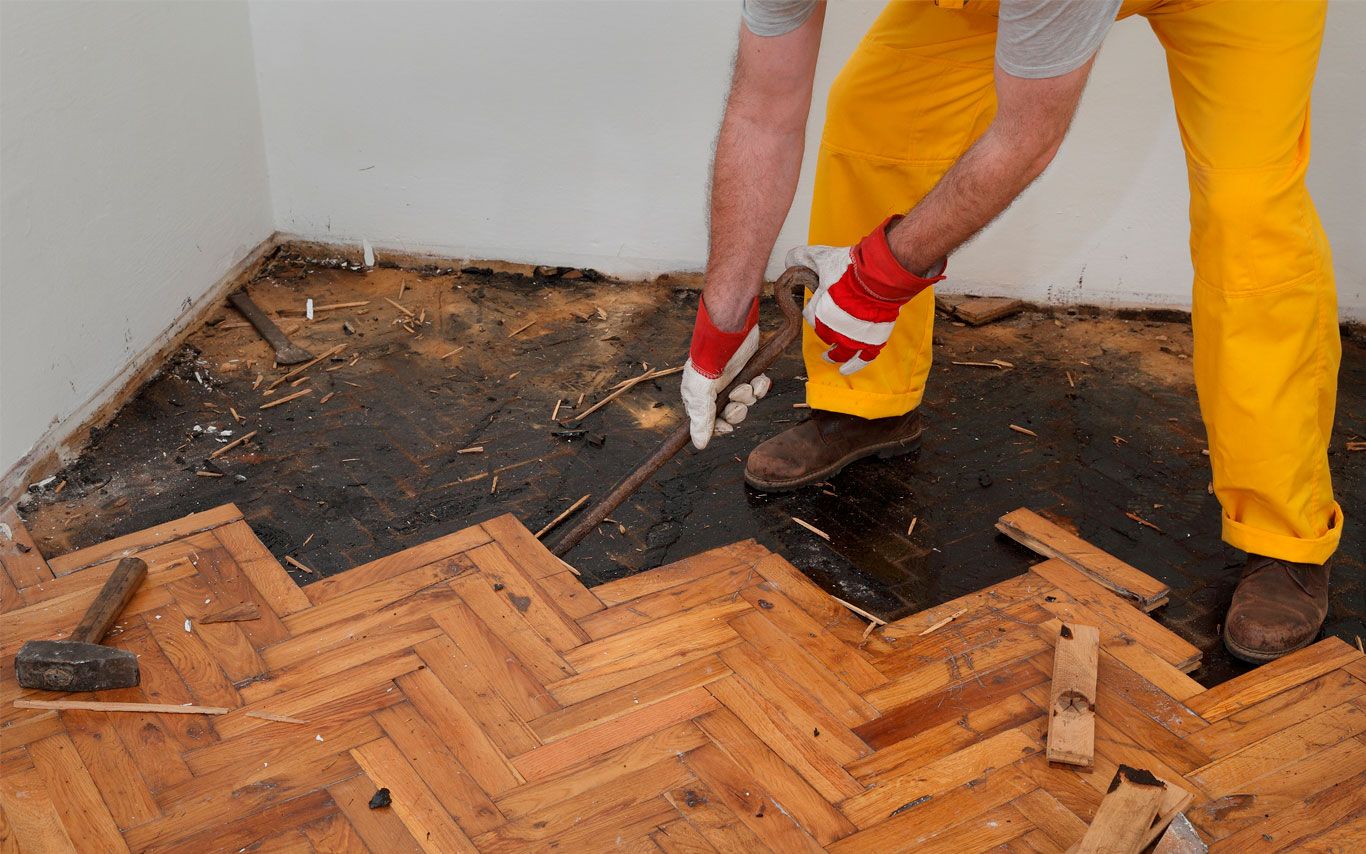
- Remove Damaged Material: Cut out and remove all soft or rotten subflooring. Rot can spread if any is left behind.
- Dry the Area: Use fans, dehumidifiers, and good ventilation to dry the space thoroughly before repairs.
- Treat for Mold: Clean remaining surfaces with a mold-killing solution.
- Replace the Subfloor: Install new subfloor material that matches the rest of the floor.
- Check Structural Supports: Inspect joists or beams for damage. Replace any that are also rotten.
- Prevent Future Problems: Improve ventilation, seal gaps, and use water-resistant materials in risky areas.
When To Call A Professional
If the rotten area is large, the damage is under heavy walls or fixtures, or there’s extensive mold, it’s best to hire a licensed contractor. Major repairs may require permits or structural work.
Real-life Example: Hidden Rot In A Bathroom
Imagine a family notices a soft spot next to their bathtub. They pull back the vinyl flooring and find black, mushy wood. The cause? A slow leak from the tub drain over several months. The rot had spread under the tub and into the wall.
The repair involved removing the tub, replacing a large section of subfloor, and treating for mold. The total cost was over $3,000—but catching it early prevented even greater damage.
Cost Comparison: Repairing Vs. Replacing Subfloor
How much does it cost to fix a rotten subfloor? Here’s a basic comparison:
| Repair Type | Average Cost | DIY Possible? | Time Needed |
|---|---|---|---|
| Small Patch (2×2 ft) | $100–$300 | Yes | 2–4 hours |
| Medium Area (6×6 ft) | $400–$700 | Maybe | 6–8 hours |
| Full Room (Bathroom) | $800–$2,500 | No (usually) | 1–2 days |
| Structural Joist Replacement | $2,000–$5,000+ | No | Several days |
If you’re handy and the damage is small, you might do the work yourself. For bigger jobs, or if there’s mold, call a professional.
How To Prevent Subfloor Rot
Prevention is always better (and cheaper) than repair. Here’s how to keep your subfloor healthy:
- Fix Leaks Promptly: Don’t ignore drips under sinks, toilets, or appliances.
- Use Bath Mats: Place mats outside showers and tubs to absorb water.
- Seal Tile and Grout: Prevent water from seeping through.
- Maintain Caulking: Check around tubs, sinks, and windows regularly.
- Improve Ventilation: Use fans and open windows in bathrooms and kitchens.
- Install Water Detectors: Place alarms near water heaters, washing machines, or under sinks.
- Monitor Humidity: Keep indoor humidity below 60% with dehumidifiers if needed.
- Check Appliances: Inspect hoses and fittings on washers, refrigerators, and dishwashers.
A practical tip: During home renovations, upgrade to water-resistant subfloor materials in bathrooms, kitchens, and laundry rooms.
Advanced Detection: When To Get A Professional Inspection
While most homeowners can spot basic signs, sometimes you need expert help. Call a professional if:
- You see large, dark patches or extensive mold
- The floor sags noticeably
- There’s a strong, ongoing musty smell
- You have unexplained high humidity or condensation
- Pest infestations are present
Professionals use thermal cameras, advanced moisture meters, and can check inside walls or under heavy fixtures. They can also advise on the best repair method for your specific problem.
For more detailed building science on moisture and wood rot, check out resources from the US EPA.
Diy Vs. Professional: Which Is Best?
You might wonder if you should handle subfloor checks and repairs yourself. Here’s a quick comparison:
| Option | Pros | Cons | Best For |
|---|---|---|---|
| DIY Inspection | Low cost, quick, learn about your home | May miss hidden damage, safety risks | Small homes, handy owners |
| Professional Inspection | Accurate, thorough, expert advice | Costs $100–$500 | Older homes, major damage, peace of mind |
| DIY Repair | Saves money, fast for small areas | Hard work, risk of mistakes, safety issues | Simple patches, DIY skills |
| Professional Repair | Safe, proper tools, guarantees | Expensive, scheduling needed | Large areas, mold, structural issues |
-(1).webp)
Credit: rainbowrestores.com
Frequently Asked Questions
How Can I Tell If My Subfloor Is Rotten Without Removing The Floor?
You can check for rot by walking slowly across the floor and feeling for soft or bouncy spots. Press a screwdriver or awl into the surface—if it sinks in easily, the wood may be rotten. Listen for new squeaks and sniff for musty or moldy smells, especially near water sources.
Is A Musty Smell Always A Sign Of Subfloor Rot?
Not always, but a persistent musty smell usually means there’s moisture somewhere. It could be in the subfloor, or it might be mold on the surface or in walls. If the smell doesn’t go away after cleaning, check for hidden leaks or call a professional.
How Long Does It Take For A Subfloor To Rot After A Leak?
It depends on the amount of water and the material. Mold can start within 48 hours, and wood rot can begin in as little as a week with heavy moisture. Slow leaks can cause rot over months. Always dry out wet areas quickly to prevent damage.
Can You Repair A Rotten Subfloor, Or Does It Need To Be Replaced?
Small rotten patches can sometimes be cut out and replaced with new wood. Large areas or damage under heavy fixtures usually require full replacement. All soft, moldy, or crumbling wood must be removed to stop rot from spreading.
What Is The Best Way To Prevent Subfloor Rot In The Future?
Fix leaks right away, control indoor humidity, and use water-resistant materials in kitchens, bathrooms, and laundry rooms. Check vulnerable areas regularly and use water alarms for early warning. Good ventilation is also key to keeping the subfloor dry.
Protecting your home from subfloor rot is not just about saving money—it’s about safety and peace of mind. By spotting the signs early, using the right tools, and taking action, you can keep your floors strong and your living space healthy for years to come.